














Quick take: Inflammation of the esophagus (esophagitis) in dogs is usually caused by acid reflux, a swallowed foreign object, infection or an allergic reaction. Early signs are difficulty swallowing, coughing or occasional regurgitation. Most cases can be managed with diet changes, medication and careful monitoring, but severe or chronic inflammation may require endoscopic or surgical treatment.
It’s 9 p.m., the house is quiet, and your 7‑year‑old mixed‑breed Labrador, Marley, sits by the kitchen door, eyes fixed on your hand as you reach for a piece of chicken. He nudges you, then suddenly drops the treat, his head tilted, and a soft cough rattles his throat. You notice his food bowl is half‑empty, and his usually wagging tail is low. The moment feels familiar—many owners tell us the first clue is a change in appetite or a brief cough after eating. You wonder: is this just a minor hiccup, or something that could threaten Marley’s health?
We understand how unsettling it can be to see your dog struggle with every bite. Inflammation of the esophagus in dogs, medically called esophagitis, ranges from a fleeting irritation to a serious condition that needs prompt veterinary care. In this article we’ll explain what esophagitis is, why it happens, how to spot it, and what you can do at home and with your vet to get your dog back to normal.
We’ll also cover diet recommendations, typical costs, prognosis, and prevention tips so you can feel confident managing this condition. If you’re ready, let’s dive in.
What is inflammation of the esophagus in dogs?
Esophagitis simply means the lining of the esophagus—the tube that carries food from the mouth to the stomach—is inflamed. Inflammation can be mild (redness and swelling) or severe (ulceration, bleeding, or scar tissue). The condition is relatively uncommon compared to other gastrointestinal issues, but it appears in dogs of all ages, especially those with chronic reflux or a history of swallowing foreign objects.
According to the Merck Veterinary Manual, esophagitis accounts for roughly 5–10 % of all gastro‑intestinal complaints presented to veterinary clinics in the United States. While many cases resolve with medical management, chronic or untreated inflammation can lead to strictures (narrowing) or aspiration pneumonia, which are more serious complications.
What causes inflammation of the esophagus in dogs?
Several triggers can set off esophagitis. The most common categories are listed below. Each can act alone or combine with another factor, increasing the risk of inflammation.
| Cause | Typical Trigger | Notes |
|---|---|---|
| Acid reflux (GERD) | Stomach acid flowing back into the esophagus | More common in large‑breed, senior, or overweight dogs |
| Foreign bodies | Sharp objects, bones, toys lodged in the esophagus | Can cause acute, severe irritation and may need removal |
| Infections | Bacterial, viral (e.g., canine parvovirus), fungal (e.g., Candida) | Often seen in puppies or immunocompromised dogs |
| Allergic reactions | Food allergens, environmental allergens | Can be part of a broader allergic dermatitis syndrome |
| Medications & toxins | Non‑steroidal anti‑inflammatory drugs (NSAIDs), certain antibiotics, chemicals | Direct irritation of the esophageal lining |
Breeds such as German Shepherds, Great Danes, and Bulldogs are reported to have a slightly higher incidence of reflux‑related esophagitis, likely due to anatomical predispositions that affect the lower esophageal sphincter.
Signs and symptoms
Because the esophagus is hidden, owners often notice secondary signs. Early clues may be subtle, while severe inflammation produces more obvious problems.
| Stage | Signs |
|---|---|
| Mild | Occasional coughing after meals, slight gagging, brief refusal to eat |
| Moderate | Frequent regurgitation of undigested food, reduced appetite, weight loss, hoarse bark |
| Severe | Persistent vomiting, pain on swallowing, black or bloody stools, signs of aspiration pneumonia (labored breathing, fever) |
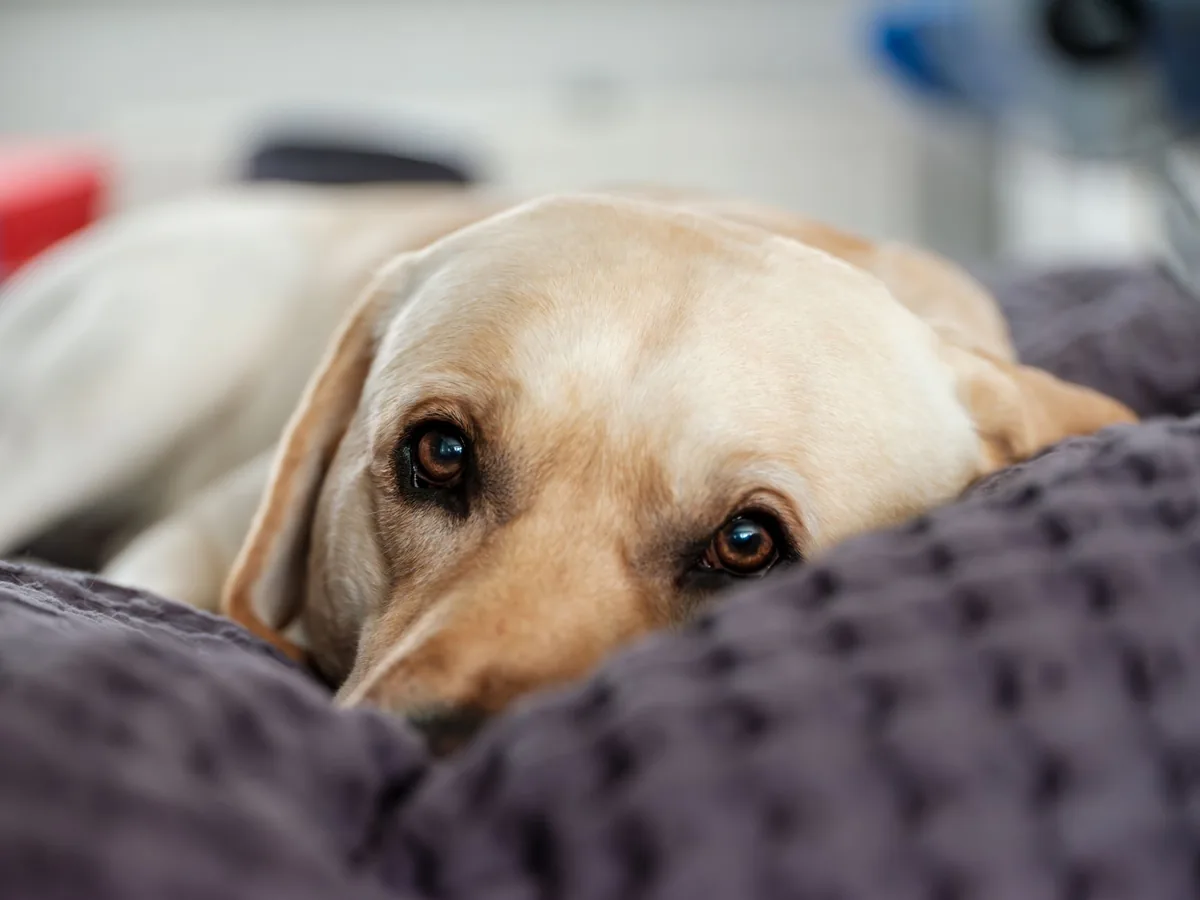
Other red‑flag signs include excessive drooling, a “pillow‑mouth” appearance (gums look pale), and lethargy. If you notice any of these, it’s time to act quickly.
When to call your vet
Call your vet today if you see any of the following:
- Occasional coughing or gagging after meals
- Regurgitation of small amounts of food
- Reduced appetite lasting more than 24 hours
- Weight loss of more than 5 % over a week
Go to an emergency clinic right now if your dog shows:
- Persistent vomiting or inability to keep any food down
- Bleeding from the mouth or black, tarry stools
- Severe difficulty swallowing (dog appears to choke)
- Signs of aspiration pneumonia: rapid breathing, coughing, fever
These guidelines are for information only and do not replace a hands‑on veterinary examination.
How vets diagnose it
Diagnosing esophagitis starts with a thorough history. Your vet will ask about diet, recent injuries, medications, and any observed coughing or regurgitation. A physical exam may reveal pain when the neck is gently pressed.
Key diagnostic tools include:
- Bloodwork – Checks for infection, inflammation, or organ involvement.
- Radiographs (X‑rays) – Visualize foreign bodies, severe ulceration, or aspiration pneumonia.
- Contrast esophagram – A barium swallow highlights strictures or motility problems.
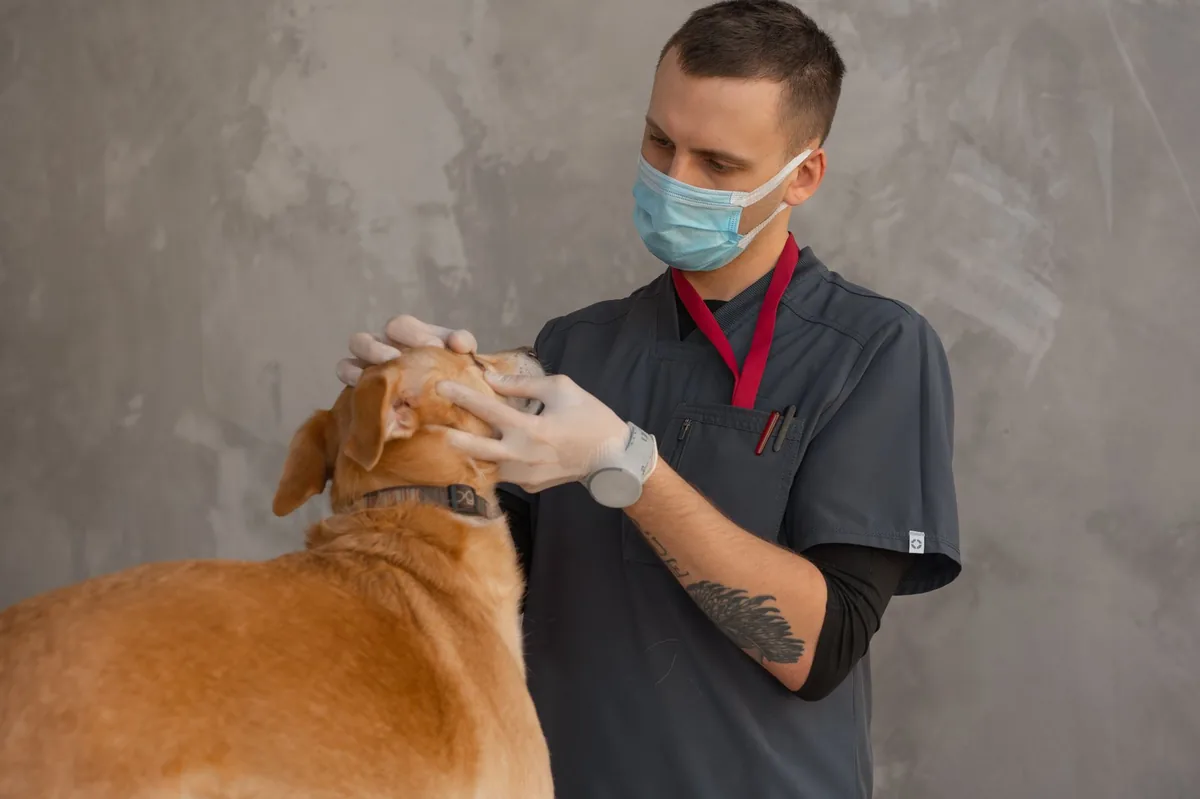
- Endoscopy – A flexible camera lets the vet directly view the esophageal lining, take biopsies, and sometimes remove foreign objects.
- Biopsy & histopathology – Determines if inflammation is due to infection, allergy, or neoplasia.
These tests follow the standards set by the American College of Veterinary Internal Medicine (ACVIM) for gastrointestinal evaluation.
Treatment options
Medical treatment
Most dogs respond well to a combination of medications aimed at reducing acid, protecting the mucosa, and controlling inflammation.
- Proton pump inhibitors (PPIs) such as omeprazole – Lower stomach acid production.
- H2 blockers like famotidine – Provide additional acid suppression.
- Sucralfate – Coats the esophageal lining to promote healing.
- Anti‑inflammatory drugs (e.g., corticosteroids) – Used when an allergic or immune component is suspected; your vet will decide the appropriate regimen.
Ask your vet about these options; dosing is always weight‑based and tailored to severity.
Supplements and supportive care
While supplements cannot replace prescription medication, some have evidence for supporting esophageal health:
- Omega‑3 fatty acids (EPA/DHA) – May reduce inflammation and aid mucosal healing.
- Probiotics – Help maintain a balanced gut flora, especially after antibiotic therapy.
- Slippery elm or marshmallow root – Herbal demulcents that can soothe irritated mucosa; discuss with your vet before use.
These should be introduced gradually and always under veterinary guidance.
Procedures or surgery
When a foreign body is lodged or a severe stricture develops, endoscopic removal or balloon dilation may be required. In rare, refractory cases, surgical esophageal reconstruction is considered, typically performed by a board‑certified surgeon.
Recovery from endoscopic procedures is usually 1–2 weeks, while surgery may require 4–6 weeks of restricted activity and pain management. Costs can vary widely (see the Cost and prognosis section).
Diet and nutrition
Diet is a cornerstone of both treatment and prevention. The goal is to minimize irritation, support healing, and maintain adequate calories.
What to feed
- Highly digestible, low‑fat diets – Soft kibble or wet food formulated for gastrointestinal health (e.g., “moderate‑calorie, highly digestible” commercial lines).
- Moist, easy‑to‑swallow foods – Warmed canned food, boiled chicken breast (skinless), or low‑fat cottage cheese mixed with a small amount of pumpkin puree.
- Frequent, small meals – 4–6 meals a day reduces the volume of acid entering the esophagus at once.
What to limit or avoid
- High‑fat treats (e.g., bacon, cheese) – Fat delays gastric emptying and can worsen reflux.
- Hard, crunchy kibble or raw bones – May scrape the esophageal lining.
- Spicy or heavily seasoned foods – Can irritate the mucosa.
- Table scraps with onions or garlic – Toxic to dogs and can exacerbate inflammation.
Prescription therapeutic diets
Veterinarians often recommend a therapeutic diet designed for esophageal or gastrointestinal support. These diets are typically low in fat, moderate in protein, and contain added antioxidants. Brands that meet AAFCO standards—such as Hill’s Prescription Diet Gastrointestinal or Royal Canin Gastrointestinal—are common choices. We do not endorse a specific brand; your vet will select the best option for your dog’s needs.
Feeding tips for a dog with esophagitis
- Warm the food slightly (body temperature) to enhance palatability and reduce throat irritation.
- Serve in a shallow dish to make licking easier and reduce the need for large bites.
- Elevate the bowl slightly (by 2–3 inches) to help gravity keep food moving down the esophagus.
- Offer fresh water at all times, but limit large gulps during meals; consider a water bowl placed a few inches away from the food dish.
- Gradually transition to any new diet over 7–10 days to avoid upsetting the stomach.
For puppies, the same principles apply, but portions should be adjusted for growth. A puppy with esophagitis may need a specially formulated “puppy‑growth” diet that is also low‑fat and easy to swallow.
Senior dogs often benefit from added joint support (glucosamine) and antioxidants, but these should not replace the core anti‑reflux diet.
| Food category | Do feed | Limit | Avoid |
|---|---|---|---|
| Protein | Boiled chicken, turkey, low‑fat cottage cheese | Lean beef (moderate) | Fatty meats, processed meats |
| Carbohydrate | White rice, sweet potato, pumpkin puree | Whole grain kibble (if hard) | Raw dough, bread crusts |
| Fats | Small amount of fish oil (omega‑3) | Butter, cheese | Fried foods, high‑fat treats |
Remember, every dog is unique. If you’re unsure which diet best suits your pet, consult our veterinary experts for personalized guidance.
Cost and prognosis
Financial considerations are part of planning any veterinary care. Below are typical cost ranges, but actual bills will depend on location, severity, and whether specialty services are needed.
| Service | US estimate | UK estimate |
|---|---|---|
| Initial exam & basic bloodwork | $80–$150 | £60–£120 |
| Radiographs (2‑view) | $100–$200 | £80–£150 |
| Endoscopy with biopsy | $500–$1,200 | £400–£900 |
| Medication (8‑week course) | $30–$120 | £25–£100 |
| Surgical correction (rare) | $2,000–$5,000 | £1,500–£3,500 |
Prognosis varies:
- Mild to moderate esophagitis – With proper diet and medication, most dogs recover fully within 2–4 weeks.
- Severe ulcerative esophagitis – Healing may take 6–8 weeks; some dogs develop strictures that need further intervention.
- Chronic reflux‑related cases – Ongoing management is often required, but quality of life remains good when acid suppression is maintained.
Overall, early detection and treatment lead to a favorable outcome in the majority of cases.
Prevention and home care
Preventing esophagitis is often a matter of lifestyle tweaks and regular monitoring.
- Maintain a healthy weight – Overweight dogs are more prone to reflux.
- Feed low‑fat, highly digestible meals – Avoid sudden diet changes.
- Limit access to hazardous objects – Keep bones, toys, and rawhide away when unsupervised.
- Elevate food bowls – Especially for senior or large‑breed dogs.
- Schedule routine check‑ups – Annual exams can catch early reflux or esophageal issues.
- Monitor for recurring cough or gagging – Early signs deserve a vet conversation.
If your dog has already been diagnosed, follow the treatment plan closely, keep a diary of food intake and any episodes of regurgitation, and schedule rechecks as advised. Many owners find that a simple “food‑journal” app helps track progress and spot triggers.
From our vet team: “If your dog’s coughing spikes after meals, think of it as a warning bell, not a nuisance. Early intervention with a bland diet and acid‑blocking medication often prevents the need for more invasive procedures.”
Key takeaways
- Esophagitis is inflammation of the esophagus, most often caused by reflux, foreign bodies, infection, or allergies.
- Watch for coughing, gagging, regurgitation, or reduced appetite—early signs that merit a vet call.
- Diagnosis may involve bloodwork, X‑rays, barium swallow, and endoscopy; treatment includes acid reducers, protective meds, and diet changes.
- Low‑fat, highly digestible foods served in small, frequent meals help the esophagus heal and stay healthy.
- Most dogs recover fully with prompt care; severe cases may need endoscopic or surgical intervention and cost $200–$5,000 depending on the service.
- Prevent future episodes by maintaining a healthy weight, feeding appropriate diets, and keeping hazardous objects out of reach.
Myth vs. fact
Myth: “A dog can’t get esophagitis; it only happens in humans.”
Fact: Dogs do develop esophagitis, and the causes—like acid reflux and swallowed objects—are common in canine patients.
Myth: “All esophageal problems are permanent and require surgery.”
Fact: The majority of esophagitis cases resolve with medication and diet; surgery is reserved for rare, severe strictures.
Myth: “Feeding dry kibble will cure the irritation.”
Fact: Soft, low‑fat foods are actually gentler on an inflamed esophagus; dry kibble can aggravate irritation.
Frequently asked questions
What are the early signs of esophageal inflammation in dogs?
Early signs include occasional coughing or gagging after meals, mild regurgitation of soft food, and a brief loss of appetite. These symptoms often appear within a few days of the underlying trigger.
Can a dog’s diet cause esophagitis?
Yes. High‑fat or very rough foods can increase stomach acid and irritate the esophageal lining, while sharp objects like bones can cause direct injury. Switching to a low‑fat, highly digestible diet is a key part of treatment.
How is esophageal inflammation diagnosed by veterinarians?
Vets start with a physical exam and bloodwork, then use imaging such as X‑rays or a barium swallow. Endoscopy offers a direct view and allows biopsy, which confirms the type of inflammation.
Is esophageal inflammation in dogs curable?
Most cases are curable with appropriate medical therapy and diet changes. Chronic reflux may require lifelong management, but dogs can maintain a good quality of life.
What medications are used to treat esophagitis in dogs?
Common drugs include proton pump inhibitors (omeprazole), H2 blockers (famotidine), sucralfate to coat the lining, and, when needed, corticosteroids for immune‑mediated inflammation. Your vet will tailor the regimen to your dog’s specific cause.
When should I take my dog to the vet for suspected esophageal inflammation?
If your dog shows any coughing, gagging, or regurgitation that lasts more than a day, call your vet. Seek emergency care if there is persistent vomiting, blood in vomit, or signs of breathing difficulty.
Ask the PuppaDogs community
Have a question this article didn’t fully answer? Want to compare notes with other dog owners who’ve been through this? Our community forum is moderated by experienced owners and vets — and answers tend to come fast. Ask in the PuppaDogs community →
References
- American College of Veterinary Internal Medicine (ACVIM). “Guidelines for the Diagnosis and Management of Gastrointestinal Disorders in Dogs.” 2022.
- Merck Veterinary Manual. “Esophagitis in Dogs” chapter. 2023.
- American Animal Hospital Association (AAHA). “Nutritional Management of Gastrointestinal Disease.” 2021.
- American Veterinary Medical Association (AVMA). “Canine Gastroesophageal Reflux Disease.” 2020.
- World Small Animal Veterinary Association (WSAVA). “Guidelines for the Use of Antimicrobials in Veterinary Medicine.” 2023.
- University of California, Davis Veterinary Medicine. “Endoscopic Evaluation of Canine Esophageal Disorders.” 2022.
- Royal Canin Veterinary Diet. “Gastrointestinal Health.” Product literature, 2023.
- Hill’s Prescription Diet. “Gastrointestinal Care for Dogs.” Product literature, 2023.


