
















Quick take: Hypertrophic osteodystrophy (HOD) is a painful bone disease that mostly affects rapidly growing large‑breed puppies. Early veterinary care—often involving pain control, anti‑inflammatory meds, and supportive nutrition—greatly improves the outlook. Watch for fever, swelling of the long bones, and reluctance to move, and call your vet right away.
It’s 9 p.m., you’re scrolling through your phone, and your 12‑week‑old Golden Retriever puppy whines every time she tries to stand up. Her front legs look a little puffy, and she’s refusing her usual breakfast. You’ve never seen anything like this, and the worry spikes.
Many owners describe that exact moment: a normally boisterous puppy suddenly slows down, looks painful, and the first thing you notice is a swollen, warm leg. The bottom line? Hypertrophic osteodystrophy (HOD) can be serious, but with prompt veterinary attention most puppies recover fully.
In this article we’ll explain what HOD is, why it happens, how to spot it early, what your vet will do to diagnose it, treatment options, diet tips, cost expectations, prevention strategies, and answers to common questions. We’ll also give you a quick‑reference checklist so you know exactly what to do tonight.

What is Hypertrophic Osteodystrophy in Dogs?
Hypertrophic osteodystrophy (HOD) is an inflammatory bone disorder that targets the growing ends of long bones—primarily the radius, ulna, tibia, and femur. In plain language, the disease causes the bone’s outer layer to thicken and become inflamed, leading to pain, swelling, and fever. It most often appears in large‑breed puppies between 8 and 16 weeks old, though medium‑size breeds can be affected.
Exact prevalence is hard to pin down, but veterinary surveys suggest HOD accounts for roughly 1–2 % of all large‑breed puppy visits for lameness. Because the condition resolves once the growth plates close, it is considered a pediatric disease of dogs, not a chronic adult problem.
What causes Hypertrophic Osteodystrophy?
The cause is multifactorial. Researchers think a combination of rapid skeletal growth, immune system activation, and nutritional imbalances sets the stage. Below is a quick overview of the main risk factors.
| Risk factor | Typical contribution |
|---|---|
| Fast growth in large‑breed puppies | Rapid bone formation can outpace blood supply, triggering inflammation. |
| Vaccination timing | Some studies link HOD to certain vaccine protocols, especially when given before 8 weeks or with excessive antigen load. |
| Imbalanced calcium/phosphorus diet | Excess calcium or low vitamin D can exacerbate bone turnover. |
| Genetic predisposition | Breeds such as Great Danes, German Shepherds, and Irish Setters show higher incidence. |
| Infectious triggers | Secondary bacterial infections (e.g., Streptococcus) can worsen inflammation. |
Signs and symptoms
HOD can appear suddenly or develop over a few days. Early signs are subtle, while later signs become unmistakable. Recognizing the progression helps you act fast.
| Severity | Typical signs |
|---|---|
| Mild | Low‑grade fever, slight limp on one leg, mild swelling, reduced appetite. |
| Moderate | Fever > 103 °F (39.5 °C), pronounced swelling of multiple long bones, marked reluctance to move, whining or vocalization when touched. |
| Severe | High fever, severe pain, inability to bear weight on affected limbs, dehydration, possible secondary infection (pus formation). |
When to call your vet
Call your vet today (non‑emergency) if you notice any of the following:
- Fever or elevated temperature (you can feel warmth on the leg).
- Swelling or warmth over the long bones.
- Limping that worsens over 12 hours.
- Loss of appetite or mild depression.
Go to an emergency veterinary hospital right now if you see any of these red‑flag signs:
- Severe, unrelenting pain (dog whines constantly, cannot stand).
- Marked swelling with visible skin discoloration.
- Signs of shock: pale gums, rapid breathing, or collapse.
- Fever above 105 °F (40.5 °C) or sudden drop in temperature.
These guidelines are for information only and do not replace a hands‑on veterinary exam. If you’re ever unsure, err on the side of caution and call your vet.
How vets diagnose Hypertrophic Osteodystrophy
The diagnostic work‑up is straightforward but thorough:
- History and physical exam: The vet asks about age, breed, vaccination schedule, diet, and recent illnesses, then palpates the long bones for warmth and swelling.
- Radiographs (X‑rays): Classic “hair‑on‑end” or “periosteal new bone” patterns appear along the affected bones.
- Blood work: A CBC often shows a mild leukocytosis (elevated white blood cells) and sometimes anemia. Serum chemistry may reveal elevated inflammatory markers.
- Fever panel: If infection is suspected, the vet may culture fluid from any pus or run a rapid PCR panel for common bacterial agents.
These tests together confirm HOD and rule out other causes of lameness such as fractures, panosteitis, or septic arthritis.
Treatment options
Medical treatment
Because HOD is an inflammatory condition, the cornerstone of therapy is pain control and inflammation reduction. Common drug classes your vet may use include:
- Non‑steroidal anti‑inflammatory drugs (NSAIDs) such as carprofen or meloxicam. Ask your vet about this option.
- Corticosteroids (e.g., prednisone) for more severe inflammation, especially if NSAIDs alone aren’t enough.
- Broad‑spectrum antibiotics (e.g., amoxicillin‑clavulanate) if a secondary bacterial infection is present.
- Analgesics like gabapentin for neuropathic pain or opioid‑type meds for short‑term severe pain.
All medication dosages are weight‑based and tailored to your puppy’s condition, so you’ll need to discuss the exact plan with your vet.
Supplements and supportive care
While supplements can’t cure HOD, they may aid recovery when used alongside conventional therapy:
- Omega‑3 fatty acids (EPA/DHA): Anti‑inflammatory properties that can reduce joint swelling.
- Vitamin C: Supports collagen synthesis and may help tissue repair.
- Probiotics: Useful if the puppy is on antibiotics to maintain gut health.
Always ask your vet before adding any supplement, especially because excess calcium could worsen bone changes.
Procedures or surgery
Most cases resolve with medical management; surgery is rarely needed. In severe, refractory cases, a bone biopsy may be performed to rule out infection or neoplasia. Recovery from a biopsy is typically 1–2 weeks, and the cost can range from $500 to $1,200 (US) depending on facility and anesthesia requirements.
Diet and nutrition
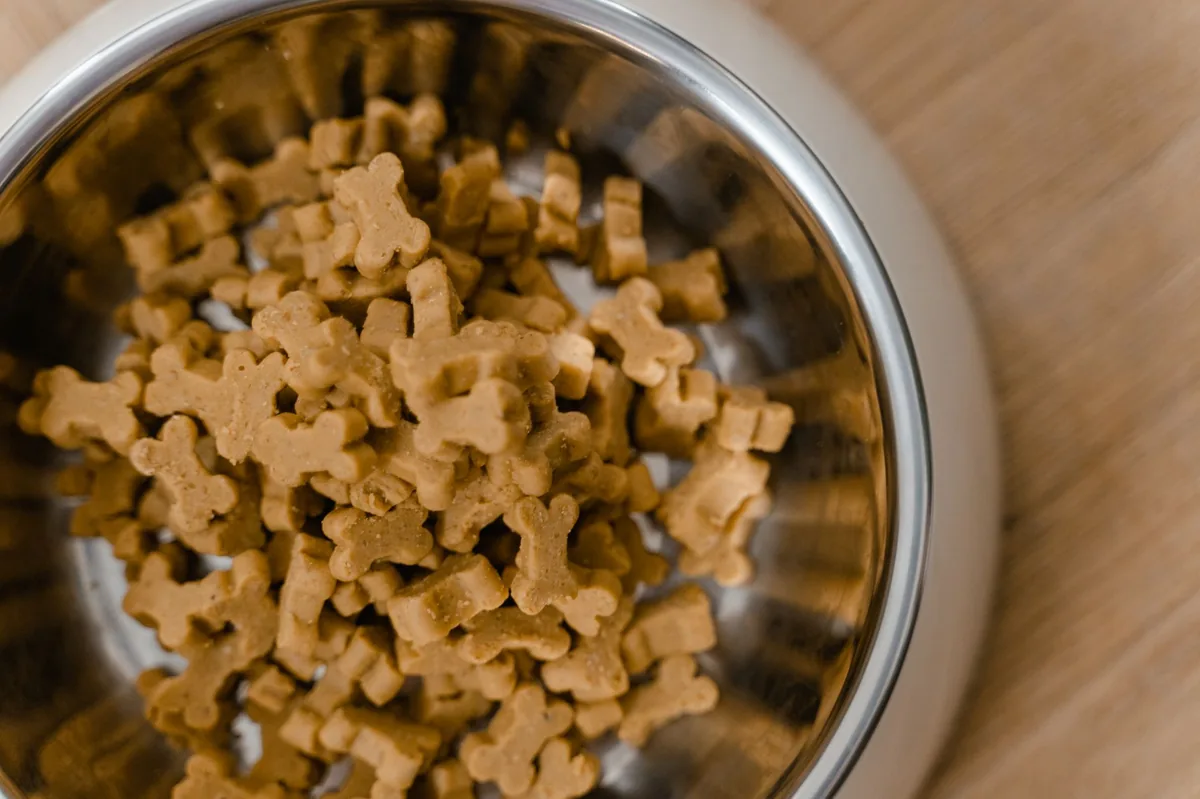
Nutrition plays a pivotal role in both preventing and supporting recovery from HOD. The goal is to provide balanced growth without excess calcium or phosphorus, while ensuring adequate protein for bone remodeling.
What to feed
- High‑quality puppy formula: Choose a commercial diet that meets AAFCO puppy nutrient profiles and lists a high‑quality animal protein as the first ingredient.
- Balanced calcium‑phosphorus ratio: Aim for a ratio close to 1.2 : 1 (calcium:phosphorus). Most reputable puppy foods already meet this target; avoid “home‑made” mixes unless formulated by a veterinary nutritionist.
- Digestible carbohydrates: Rice, sweet potato, or barley provide energy without overloading the gut.
- Essential fatty acids: Omega‑3 sources (fish oil or flaxseed) help modulate inflammation.
What to limit or avoid
| Do feed | Limit | Avoid |
|---|---|---|
| Commercial puppy kibble meeting AAFCO standards | Raw bone meals (high calcium) | Excessive calcium supplements |
| Cooked lean meats (chicken, turkey) | Milk and dairy (high calcium) | Unbalanced home‑made diets without veterinary guidance |
| Fish oil or EPA/DHA capsules | High‑fat treats | Human vitamin D megadoses |
When your puppy is under treatment, you may be advised to feed smaller, more frequent meals (e.g., 4 times a day) to keep energy steady and reduce stress on inflamed bones. Transition to any new diet gradually over 5–7 days to avoid gastrointestinal upset.
If your vet recommends a therapeutic “growth‑support” diet, it will typically be a prescription formula with controlled calcium and added joint‑support nutrients. Brands differ by region, but the underlying principle stays the same: balanced minerals, high‑quality protein, and added omega‑3s.
For a quick nutrient check, you can use our dog nutrition calculator to confirm that the diet you’re feeding meets the appropriate puppy requirements.
Cost and prognosis
Because HOD requires diagnostics, medication, and sometimes hospitalization, the price can vary widely.
| Expense | US estimate | UK estimate |
|---|---|---|
| Initial exam & blood work | $150–$300 | £120–£250 |
| Radiographs (3‑view series) | $200–$400 | £150–£300 |
| Pain meds & anti‑inflammatories | $100–$250 | £80–£200 |
| Hospitalization (if needed) | $500–$1,200 | £400–£1,000 |
| Follow‑up visits (2‑3) | $100–$250 | £80–£200 |
Overall, most owners spend between $1,000 and $2,500 (US) or £800–£2,000 (UK) from diagnosis to full recovery. Insurance can offset a portion of these costs; check your policy’s pediatric coverage.
Prognosis is generally good when treatment begins early. Studies referenced by the AAHA indicate a survival rate of 85–90 % for puppies that receive prompt anti‑inflammatory therapy. Severe cases with secondary infection can have higher mortality, but even then many puppies recover with intensive care.
Prevention and home care
Because rapid growth and nutritional imbalances are central to HOD, prevention focuses on feeding and management:
- Follow vaccination guidelines: Stick to the schedule recommended by the AAHA and avoid extra “booster” shots before 8 weeks unless medically indicated.
- Provide a balanced puppy diet: Use AAFCO‑approved foods, avoid excess calcium sources, and monitor portion sizes to keep growth steady.
- Control exercise: While puppies need play, avoid high‑impact activities (e.g., jumping from furniture) during the rapid growth window.
- Regular vet checks: Quarterly exams during the first six months help catch early bone changes.
- Monitor temperature: A quick paw‑or‑gums check can alert you to fever before it escalates.
If you notice any early signs, contact your veterinarian immediately. Early intervention is the most effective “prevent‑the‑progression” strategy.
Vet’s note
From our vet team: HOD can look frightening, especially when a puppy suddenly becomes painful and refuses to move. The key is not to panic but to act quickly—pain control, anti‑inflammatory meds, and a balanced diet are the three pillars of recovery. Most puppies bounce back fully, so keep close communication with your vet, follow the medication schedule, and give your pup plenty of gentle love and rest.
Key takeaways
- HOD is an inflammatory bone disease that mainly affects large‑breed puppies 8–16 weeks old.
- Early signs include fever, swelling of long bones, and sudden reluctance to walk.
- Call your vet today for any swelling or fever; go to an emergency clinic if the puppy can’t bear weight or shows signs of shock.
- Standard treatment combines NSAIDs or steroids, supportive care, and a balanced, calcium‑controlled puppy diet.
- Prognosis is excellent when therapy starts early—most puppies recover without long‑term issues.
- Prevention centers on proper vaccination timing, a high‑quality diet, controlled exercise, and routine vet visits.
Myth vs. fact
Myth: Hypertrophic osteodystrophy is caused solely by vaccines.
Fact: Vaccination timing may be a risk factor, but rapid growth, nutrition, genetics, and infection also play major roles.
Myth: Only giant breeds get HOD.
Fact: While large and giant breeds have higher incidence, medium‑size puppies can develop HOD, especially if they experience rapid growth.
Myth: Once a puppy has HOD, it will happen again in adulthood.
Fact: HOD resolves once the growth plates close; adult dogs do not experience recurrent episodes.
Frequently asked questions
How much does treatment for HOD usually cost?
Typical US costs range from $1,000 to $2,500, covering exams, X‑rays, labs, medication, and possible hospitalization; UK owners can expect £800–£2,000.
Is Hypertrophic Osteodystrophy contagious?
No, HOD is not an infectious disease—it does not spread between dogs. It is linked to growth and immune factors, not a pathogen that can be passed on.
How long does recovery take?
With prompt treatment, most puppies improve within 7–10 days and fully recover in 3–4 weeks. Severe cases may need 6–8 weeks of supportive care.
What is the long‑term outlook for a puppy that had HOD?
When treated early, the long‑term prognosis is excellent; most dogs grow into healthy adults without lingering bone issues.
Can I prevent HOD with diet alone?
Diet is a key preventive tool, but it works best alongside proper vaccination timing, controlled exercise, and regular veterinary monitoring.
Will my puppy need any follow‑up X‑rays?
Vets often repeat radiographs 2–3 weeks after treatment to ensure bone healing has progressed. Your vet will let you know if follow‑up imaging is needed.
Ask the PuppaDogs community
Have a question this article didn’t fully answer? Want to compare notes with other dog owners who’ve been through this? Our community forum is moderated by experienced owners and vets — and answers tend to come fast. Ask in the PuppaDogs community →
References
- American Animal Hospital Association (AAHA) 2023 Canine Vaccination Guidelines.
- Merck Veterinary Manual, “Hypertrophic Osteodystrophy” chapter.
- American College of Veterinary Internal Medicine (ACVIM) Consensus Statement on Pediatric Orthopedic Disorders, 2022.
- World Small Animal Veterinary Association (WSAVA) Nutrition Guidelines for Growing Dogs, 2021.
- Veterinary Partner, “Bone Diseases in Puppies” – University of California, Davis Veterinary Medicine.
- AVMA (American Veterinary Medical Association) “Pain Management in Small Animals” resources.


