








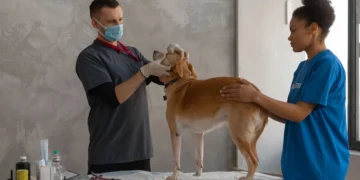







Quick take: Hyperpigmentation in dogs is a harmless darkening of the skin that often results from aging, chronic irritation, or hormonal changes. Most cases are cosmetic, but the condition can sometimes signal an underlying disease, so a vet exam is advisable to rule out infection, allergies, or skin cancer.
It’s 9 p.m., and you’re scrolling through your phone while your senior golden retriever, Max, slowly settles onto his favorite rug. You notice a few dark, uneven patches spreading across his elbows and around his nose. A quick online search later, and the term “hyperpigmentation” pops up, leaving you both worried and curious.
You’re not alone. Many owners first spot the change during a routine walk or while brushing their dog’s coat, and the sudden color shift can feel alarming. The good news is that hyperpigmentation is usually a benign skin change, but it can also be a clue that something else is brewing beneath the surface.
In this article we’ll explain exactly what hyperpigmentation is, why it happens, how to tell if it’s a red flag, what your vet will do to diagnose it, and how you can manage it at home. We’ll also cover diet tips, cost expectations, breed predispositions, and prevention strategies so you can feel confident caring for your pup.
What is hyperpigmentation in dogs?
Hyperpigmentation refers to the darkening of a dog’s skin or fur due to an increase in melanin, the pigment that gives hair and skin its color. In dogs, this appears as brown, black, or gray patches that may be flat or slightly raised. It’s similar to the “age spots” humans develop, and it can affect any breed, though certain dogs are more prone.
According to the Merck Veterinary Manual, hyperpigmentation is relatively common, especially in senior dogs and those with chronic skin irritation. While the condition itself is not painful, the underlying cause can range from harmless (aging) to serious (autoimmune disease or skin cancer).
What causes hyperpigmentation?
Hyperpigmentation can be triggered by a variety of factors. Below is a concise overview of the most frequent causes.
| Category | Typical Triggers |
|---|---|
| Age‑related changes | Natural melanin increase, reduced turnover of skin cells |
| Chronic inflammation | Allergies, flea‑bite dermatitis, hot spots, repeated trauma |
| Hormonal disorders | Hyperadrenocorticism (Cushing’s disease), hypothyroidism |
| Infections & parasites | Demodicosis, fungal infections, bacterial pyoderma |
| Neoplastic processes | Melanoma, pigmented squamous cell carcinoma |
| Genetic predisposition | Specific breeds (e.g., Dachshunds, Poodles, Labrador Retrievers) |
Many owners notice the first sign after a bout of itching or a seasonal allergy flare, while others see it gradually appear as their dog ages.
Signs and symptoms
Hyperpigmentation is primarily a visual change, but it can be accompanied by other skin signs.
| Severity | Typical Findings |
|---|---|
| Mild | Small, isolated dark patches; usually on the nose, lips, paw pads, or elbows |
| Moderate | Multiple patches, possibly with slight scaling or hair loss; may be symmetrical |
| Severe | Widespread darkening, raised plaques, ulceration, or bleeding; often linked to an underlying disease |
Common locations include the muzzle, around the eyes, on the ears, on the paw pads, and on the elbows or hocks. In some dogs, the fur itself may turn a darker shade rather than the skin.

When to call your vet
Call your vet today if you notice any of the following:
- New or rapidly expanding dark patches
- Associated itching, redness, or hair loss
- Any ulceration, bleeding, or discharge from the area
- Accompanying signs such as increased thirst, weight loss, or lethargy
Go to an emergency veterinary hospital right now if you see:
- Severe ulceration or open wounds that are bleeding heavily
- Sudden swelling of the skin with pain (possible infection or tumor)
- Signs of systemic illness like vomiting, collapse, or difficulty breathing
These guidelines are for informational purposes only and do not replace a professional veterinary exam.
How vets diagnose hyperpigmentation
A thorough work‑up typically includes:
- History and physical exam: The vet will ask about onset, progression, associated itching, diet changes, and any recent medications or flea/tick treatments.
- Skin scrape: A quick slide of the affected area helps rule out mites or fungal overgrowth.
- Cytology or biopsy: For ambiguous lesions, a small tissue sample is examined under a microscope to differentiate benign pigmentation from neoplastic growth.
- Blood work: A CBC and chemistry panel can uncover hormonal imbalances (like Cushing’s disease) or systemic infection.
- Allergy testing: If chronic inflammation is suspected, intradermal or serum allergy testing may be recommended.
The AAHA emphasizes that a definitive diagnosis often hinges on the combination of visual assessment and laboratory results, especially when the cause isn’t obvious.
Treatment options
Medical treatment
When hyperpigmentation is linked to an underlying disease, treating that condition usually lightens the pigment over time. Common medical approaches include:
- Anti‑inflammatory drugs: Steroids (e.g., prednisone) or non‑steroidal anti‑inflammatories (NSAIDs) can reduce chronic skin inflammation. Ask your vet about these options.
- Hormone‑modulating medications: For dogs with Cushing’s disease, trilostane or mitotane may be prescribed; for hypothyroidism, levothyroxine is standard.
- Antibiotics or antifungals: If bacterial pyoderma or a fungal infection is present, drugs such as amoxicillin‑clavulanate or terbinafine are used.
- Immunosuppressants: In autoimmune skin disorders, cyclosporine or mycophenolate mofetil may be recommended.
All prescriptions should be tailored by your vet based on weight, severity, and concurrent health issues.
Supplements and supportive care
While supplements won’t directly reverse pigment, they can improve overall skin health and reduce inflammation:
- Omega‑3 fatty acids (EPA/DHA): Found in fish oil, they help calm itchy skin and support a healthy coat.
- Probiotics: Certain strains (e.g., Lactobacillus reuteri) may aid in managing allergic dermatitis.
- Vitamin E: An antioxidant that can support skin repair, especially after topical treatments.
Introduce any supplement only after discussing it with your vet, as some can interact with medications.
Procedures or surgery
When a pigmented lesion is suspected to be a tumor (e.g., melanoma), surgical excision may be advised. The procedure typically involves removing the mass with clean margins, followed by histopathology. Recovery usually takes 10–14 days, and owners can expect a cost range of $800–$2,500 in the U.S., depending on tumor size and complexity.

Diet and nutrition
Nutrition plays a supportive role in skin health, particularly when hyperpigmentation stems from hormonal or inflammatory causes. While no diet can “cure” pigment changes, certain dietary strategies can reduce skin irritation and improve overall coat quality.
Foods to favor are those that are highly digestible, rich in omega‑3 fatty acids, and contain antioxidants. Examples include:
- High‑quality commercial diets formulated for senior dogs or skin health (e.g., “Senior Skin & Coat” formulas).
- Home‑cooked meals featuring lean proteins (chicken, turkey), sweet potatoes, and pumpkin for fiber.
- Supplemental fish oil or krill oil added to meals, providing EPA/DHA.
Ingredients to limit or avoid are those known to exacerbate allergies or inflammation:
- Excessive corn or wheat gluten, especially in dogs with food sensitivities.
- Artificial colors and flavors that can trigger skin reactions.
- High‑fat treats that may worsen hormonal imbalances like Cushing’s disease.
For dogs diagnosed with an endocrine disorder, veterinarians often recommend a prescription diet that is low in simple carbohydrates and enriched with omega‑3s, such as a renal‑type or “hypoallergenic” formula. These diets help stabilize blood glucose and reduce skin inflammation.
When transitioning to a new food, do it gradually over 7–10 days to avoid gastrointestinal upset. Start with 75 % of the old diet mixed with 25 % of the new, then increase the new food portion every two days.
Hydration matters, too. Adequate water intake supports skin elasticity and helps flush metabolic waste that can affect pigment. Adding a splash of low‑sodium broth to meals can encourage drinking, especially in senior dogs.
Finally, keep an eye on weight. Overweight dogs are more prone to hormonal disorders that can trigger hyperpigmentation. Maintaining a body condition score of 4–5 on a 9‑point scale is a practical target, as recommended by the American Kennel Club (AKC) and the World Small Animal Veterinary Association (WSAVA).
| Dietary Action | Do | Limit | Avoid |
|---|---|---|---|
| Protein source | Lean poultry, fish, lamb | Moderate‑fat beef | Processed meats |
| Fats | Omega‑3 rich fish oil | Excessive animal fats | Trans fats |
| Carbohydrates | Complex carbs (sweet potato, pumpkin) | Simple carbs (white rice) | High‑glycemic grains |
| Supplements | Vitamin E, probiotic blends | Excessive vitamins | Unregulated herbal extracts |
By feeding a balanced diet that targets skin health, you give your dog the best chance of keeping hyperpigmentation at bay while supporting overall wellbeing.
Cost and prognosis
The financial impact of hyperpigmentation depends largely on the underlying cause.
| Underlying Issue | Typical Vet Visit Cost (US) | Typical Vet Visit Cost (UK) |
|---|---|---|
| Simple age‑related pigment | $75‑$150 (exam only) | £60‑£120 |
| Allergy‑related inflammation | $200‑$500 (exam + meds) | £150‑£350 |
| Hormonal disorder (e.g., Cushing’s) | $400‑$900 (labs + meds) | £300‑£700 |
| Skin tumor (biopsy & surgery) | $800‑$2,500 | £600‑£1,800 |
Most dogs with benign hyperpigmentation have an excellent prognosis—once the skin is examined and any irritant is addressed, the dark patches usually remain stable. If an underlying disease is identified, treatment success varies: hormonal disorders can be well‑controlled with medication, while malignant tumors may require aggressive therapy and carry a guarded prognosis.
Prevention and home care
While you can’t stop natural aging, you can reduce the risk of secondary hyperpigmentation by keeping your dog’s skin healthy.
- Regular grooming: Brush weekly to remove loose hair and distribute natural oils. Use a mild, hypoallergenic shampoo if your dog has sensitive skin.
- Flea and tick control: Consistent prevention reduces chronic itching that can trigger pigment changes. Products like our vetted flea‑tick guide can help you choose the right option for your region.
- Sun protection: Light‑colored dogs or those with thin coats benefit from a pet‑safe sunscreen on exposed areas (nose, ears).
- Allergy management: If your dog is prone to atopic dermatitis, work with your vet on a diet trial or allergy testing.
- Routine veterinary exams: Annual check‑ups catch hormonal or neoplastic changes early, before pigment alterations become pronounced.
Keeping a simple skin‑health log—note any new spots, itching episodes, or changes in coat texture—can help your vet spot trends and intervene sooner.
From our vet team: “A dark patch isn’t automatically a cause for panic, but it’s a useful early warning sign. When you see new pigmentation, bring your dog in for a quick exam. Most of the time, we can address the root cause—whether it’s a simple allergy or something more serious—with a straightforward treatment plan.”
Key takeaways
- Hyperpigmentation is usually a cosmetic skin change caused by aging, chronic irritation, or hormonal shifts.
- New, expanding, or painful dark patches should prompt a veterinary visit to rule out infection, allergy, or cancer.
- Treatment focuses on the underlying condition—anti‑inflammatories, hormone therapy, or surgery when needed.
- Feeding a balanced, omega‑3‑rich diet and maintaining regular grooming can help prevent secondary pigment changes.
- Costs range from $75 for a simple exam to $2,500 for tumor removal; most cases have an excellent to good prognosis with proper care.
Myth vs. fact
Myth: Dark spots always mean skin cancer.
Fact: Most hyperpigmented patches are benign and related to aging or irritation, though a vet should evaluate any new or changing spots.
Myth: You can bleach a dog’s skin at home.
Fact: Over‑the‑counter bleaching agents can irritate a dog’s skin and are not recommended; safe management relies on treating the underlying cause.
Myth: All dogs will develop hyperpigmentation as they age.
Fact: While common, many dogs never develop noticeable dark patches; genetics and environment play major roles.
Frequently asked questions
What does dark skin patches mean in dogs?
Dark patches usually indicate hyperpigmentation, which can be a normal age‑related change or a sign of chronic irritation, hormonal imbalance, or, rarely, skin cancer. A vet exam will pinpoint the exact cause.
Can hyperpigmentation be a sign of cancer in dogs?
Yes, certain pigmented tumors (like melanoma) can appear as dark spots, but most hyperpigmentation is benign. If a patch is growing, ulcerated, or painful, you should have it evaluated promptly.
How is hyperpigmentation diagnosed in dogs?
Diagnosis starts with a physical exam, followed by skin scrapes, cytology, or a biopsy if needed, plus blood work to check for hormonal or systemic issues.
Are there natural ways to lighten a dog’s skin?
There are no proven home remedies that safely lighten pigmented skin. Supporting skin health with omega‑3 supplements, a balanced diet, and proper grooming is the safest approach.
What breeds are most likely to develop hyperpigmentation?
Breeds such as Dachshunds, Poodles, Labrador Retrievers, and Golden Retrievers show a higher incidence, often due to genetic skin traits and common age‑related changes.
Will hyperpigmentation affect my dog’s health?
In most cases, hyperpigmentation itself does not impact health. However, it can be a visual cue that an underlying condition needs attention, so monitoring and veterinary follow‑up are essential.
Ask the PuppaDogs community
Have a question this article didn’t fully answer? Want to compare notes with other dog owners who’ve been through this? Our community forum is moderated by experienced owners and vets — and answers tend to come fast. Ask in the PuppaDogs community →
References
- Merck Veterinary Manual, “Hyperpigmentation in Dogs” chapter.
- American Animal Hospital Association (AAHA) Guidelines for Skin Health, 2023.
- World Small Animal Veterinary Association (WSAVA) Nutrition Guidelines, 2022.
- American Kennel Club (AKC) Breed Health Survey, 2021.
- American College of Veterinary Internal Medicine (ACVIM) Consensus Statement on Canine Cushing’s Disease, 2020.
- Veterinary Dermatology, “Canine Skin Tumors” – UC Davis Veterinary Medicine, 2022.
- Plumb’s Veterinary Drug Handbook, 9th Edition, 2021.


