
















Quick take: High blood sugar, or hyperglycemia, means your dog’s blood glucose is higher than normal. It often signals diabetes or another medical issue, and early signs include extra thirst, frequent urination, and weight loss. Prompt veterinary care, proper diet, and regular monitoring can keep most dogs stable and comfortable.
It’s 11 p.m., and you’ve just noticed your usually spry Beagle slowing down on his evening walk. He’s drinking from his water bowl more often than usual, and his gums look a shade paler. You scroll through articles, the term “high blood sugar” pops up, and a wave of worry washes over you. You’re not alone—many owners reach that exact moment of uncertainty.
We’ll walk you through what high blood sugar (hyperglycemia) really means for your dog, why it happens, what to look for, and how to manage it at home while your vet takes the lead. By the end you’ll know when to seek urgent help, how treatment works, what to expect financially, and how to prevent future spikes.
From the science to the grocery list, we’ve gathered the most common questions—like “Is this the same as diabetes?” and “Can I test my dog’s blood sugar at home?”—into one clear guide.
What is high blood sugar in dogs?
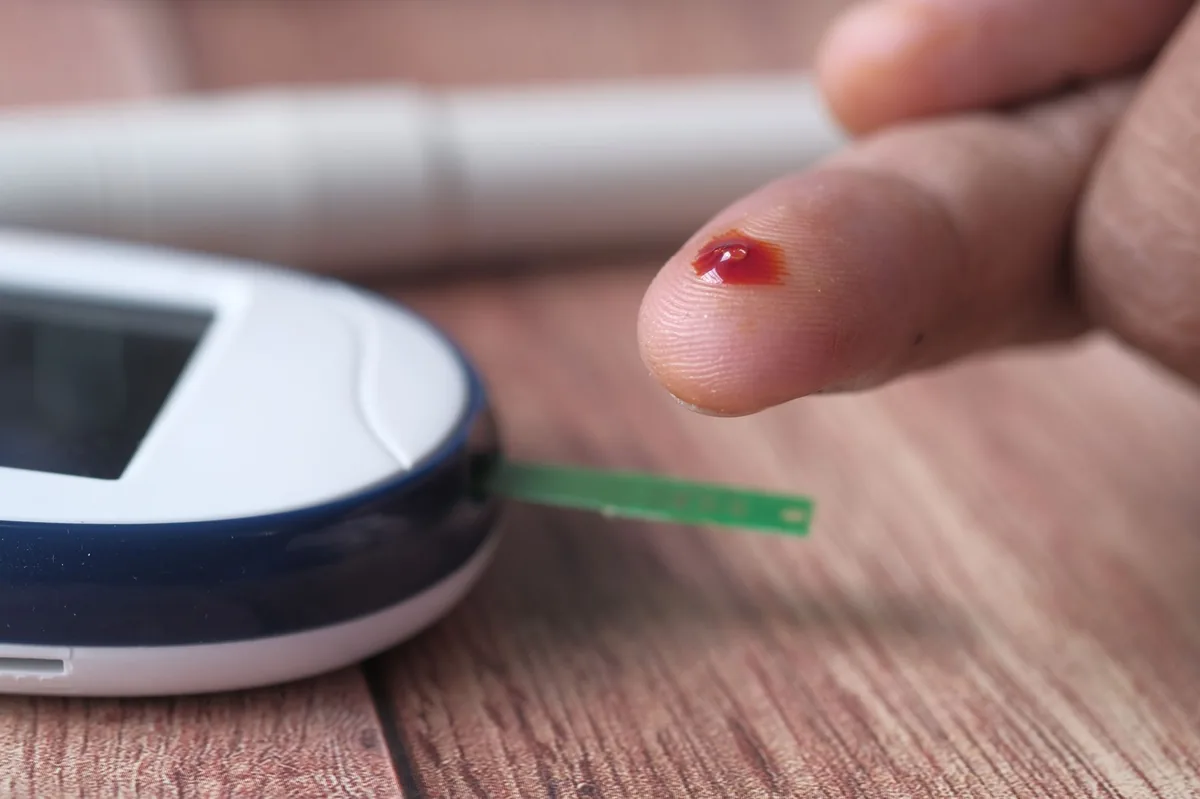
High blood sugar, medically called hyperglycemia, occurs when glucose levels in a dog’s bloodstream rise above the normal range (typically 80–120 mg/dL fasting). Glucose is the body’s main fuel; when it builds up, it can overwhelm cells, lead to dehydration, and trigger a cascade of metabolic problems. Hyperglycemia can be a temporary response to stress or medication, or it can be a sign of an underlying disease such as diabetes mellitus, pancreatitis, or an insulin‑producing tumor.
According to the American Veterinary Medical Association (AVMA) and the American College of Veterinary Internal Medicine (ACVIM), diabetes is the most common cause of persistent hyperglycemia, affecting roughly 0.4–1.0 % of pet dogs worldwide. However, short‑term spikes can also happen in healthy dogs after a big meal or a stressful event.
What causes high blood sugar?
- Diabetes mellitus: The pancreas doesn’t make enough insulin (type 1) or the body’s cells don’t respond to it (type 2).
- Stress or illness: Surgery, infections, pain, or severe anxiety can trigger a “stress hyperglycemia” response.
- Medications: Steroids (prednisone, dexamethasone) and some diuretics raise glucose.
- Pancreatitis: Inflammation of the pancreas disrupts insulin release.
- Hormonal disorders: Cushing’s disease (hyperadrenocorticism) and pheochromocytoma increase glucose.
- Insulin‑producing tumors (insulinoma): Rare but can cause fluctuating glucose levels.
- Breed predisposition: Miniature Schnauzers, Poodles, Dachshunds, and Cocker Spaniels have higher diabetes rates, according to the AKC.
Signs and symptoms
Early hyperglycemia often mimics everyday quirks, but a pattern of change is key. Below is a quick guide that moves from subtle to severe.
| Stage | Typical signs |
|---|---|
| Mild | Increased thirst (polydipsia), more frequent urination (polyuria), slight appetite change. |
| Moderate | Weight loss despite normal or increased food intake, lethargy, dry mouth, occasional vomiting. |
| Severe | Very dry gums, rapid breathing, weakness, seizures, ketoacidosis (sweet‑smelling breath). |
Because many of these signs overlap with kidney disease, thyroid problems, or simply aging, a vet’s blood work is essential for a definitive diagnosis.
When to call your vet
Call your vet today if you notice:
- New or worsening thirst or urination.
- Noticeable weight loss or appetite changes.
- Signs of dehydration (dry gums, skin tenting).
- Vomiting or diarrhea lasting more than 24 hours.
Go to an emergency veterinary hospital right now if you see:
- Severe lethargy or collapse.
- Rapid, deep breathing (possible ketoacidosis).
- Seizures or uncontrolled shaking.
- Sudden inability to urinate.
These red‑flag signs mean a glucose crisis could be developing, and prompt treatment can be life‑saving. This article is for information only; it does not replace professional veterinary care.
How vets diagnose high blood sugar
Diagnosis starts with a thorough history—how long symptoms have been present, diet, medications, and stressors. The physical exam focuses on dehydration, gum color, and any cataracts.
- Blood glucose meter: A quick finger‑prick test gives a snapshot (similar to human glucometers).
- Fasting blood glucose: After 12 hours without food, a sample is taken; values >200 mg/dL suggest diabetes.
- Glucose curve: Multiple readings over 12–24 hours track how glucose rises and falls, guiding insulin dosing.
- Fructosamine test: Reflects average glucose over the prior 2–3 weeks, useful for monitoring long‑term control.
- Urine analysis: Detects glucose and ketones; persistent glucose in urine supports a hyperglycemia diagnosis.
- Additional labs: CBC, chemistry panel, and endocrine tests (e.g., ACTH stimulation) rule out other causes.
Treatment options
Medical treatment
The cornerstone of managing persistent hyperglycemia is insulin therapy. Most dogs receive an intermediate‑acting insulin (e.g., NPH) or a long‑acting formulation (e.g., glargine). Your vet will tailor the type and dose to your dog’s weight, glucose curve, and lifestyle. In emergency situations—such as diabetic ketoacidosis—IV fluids, electrolytes, and rapid‑acting insulin are administered in a hospital setting.
Oral medications, like the sulfonylurea glipizide, are occasionally used in dogs with type 2‑like diabetes, but they are not first‑line and require close monitoring. Steroid‑induced hyperglycemia often resolves when the steroid is tapered or stopped; your vet may prescribe a short‑term insulin bridge if glucose stays high.
Ask your vet about these options: insulin (NPH, glargine), rapid‑acting insulin for crises, and oral agents such as glipizide when appropriate.
Supplements and supportive care
While supplements can’t replace insulin, they may aid overall health:
- Omega‑3 fatty acids (EPA/DHA): Reduce inflammation and improve insulin sensitivity in some dogs (Merck Veterinary Manual).
- Fiber (psyllium, beet pulp): Helps blunt post‑meal glucose spikes and supports gut health.
- Chromium picolinate: Early studies suggest modest blood‑glucose lowering, but evidence is limited; discuss with your vet before adding.
Always ask your vet before starting any supplement, especially if your dog is on insulin, to avoid unexpected interactions.
Procedures or surgery
Rarely, hyperglycemia is caused by an insulin‑producing pancreatic tumor (insulinoma). Surgical removal of the tumor can be curative, but it requires specialized referral care and a recovery period of 2–3 weeks. Costs vary widely, typically ranging from $5,000 to $10,000 in the United States.
Diet and nutrition
Nutrition is a daily tool in controlling blood glucose. The goal is to provide steady, moderate‑carbohydrate energy while avoiding rapid spikes.
- Choose low‑glycemic carbohydrates: Sweet potatoes, pumpkin, and whole‑grain barley release glucose more slowly than rice or corn.
- Prioritize high‑quality protein: Chicken, turkey, or lean beef support muscle mass without overwhelming the liver.
- Include healthy fats: Fish oil or chicken fat add calories and help with skin health, without raising glucose.
- Fiber matters: Adding a tablespoon of canned pumpkin or a fiber supplement can smooth post‑meal glucose curves.
Many veterinarians recommend a prescription “diabetic” diet—formulated with controlled carbohydrate levels and added fiber. Examples include Hill’s Prescription Diet w/d, Royal Canin Glycobalance, and Purina Pro Plan Veterinary Diets DM. You don’t have to buy a brand name; a home‑cooked diet that meets the same principles works just as well when balanced correctly. Always involve a veterinary nutritionist to avoid deficiencies.
Below is a quick reference for feeding decisions.
| Food category | Do feed | Limit | Avoid |
|---|---|---|---|
| Protein | Lean chicken, turkey, fish | Moderate‑fat meats | Highly processed meats, cured sausage |
| Carbohydrate | Sweet potato, pumpkin, barley | Rice, oatmeal | Corn, wheat flour, sugary treats |
| Fats | Fish oil, olive oil (small amount) | Butter, heavy cream | Fried foods, lard |
| Treats | Low‑calorie, low‑sugar treats (e.g., freeze‑dried liver) | Commercial biscuits | Human candy, biscuits with added sugar |
When transitioning to a new diet, do it gradually over 7–10 days—mix increasing amounts of the new food with decreasing amounts of the old. This helps prevent gastrointestinal upset and lets you monitor glucose trends.
Feeding frequency can also affect glucose stability. Many owners find two smaller meals per day (morning and evening) keep levels more even than one large meal. If your dog is on insulin, your vet will advise the best schedule to match the insulin peak.
Hydration is crucial. Provide fresh water at all times, and consider adding a splash of low‑sodium broth to encourage intake if your dog seems reluctant.
Cost and prognosis
Financial considerations are part of any chronic condition plan. Below are typical ranges for the United States and the United Kingdom (all figures are estimates and can vary by region and clinic).
| Expense | US (USD) | UK (GBP) |
|---|---|---|
| Initial diagnostic workup (blood, urine, glucose curve) | $250–$500 | £150–£300 |
| Insulin (monthly supply) | $120–$250 | £80–£180 |
| Glucose monitoring strips (box of 50) | $40–$80 | £30–£70 |
| Routine vet rechecks (quarterly) | $80–$150 each | £60–£120 each |
| Prescription diabetic diet (monthly bag) | $60–$100 | £45–£80 |
With consistent insulin therapy and diet, most diabetic dogs enjoy a good quality of life and can live 5–10 years after diagnosis. Dogs whose hyperglycemia is due to a reversible cause (e.g., steroid taper) often return to normal glucose levels once the underlying issue resolves.
Untreated or poorly controlled hyperglycemia can lead to diabetic ketoacidosis—a life‑threatening emergency with a mortality rate of 20–30 % even with aggressive care. Early detection and diligent management are therefore the most cost‑effective strategy.
Prevention and home care
- Weight management: Obesity is a major diabetes risk factor. Keep your dog at a healthy body condition score (BCS 4–5/9).
- Regular vet check‑ups: At least once a year for senior dogs; more often if you have a breed prone to diabetes.
- Limit steroid exposure: Use the lowest effective dose and discuss alternatives with your vet.
- Stress reduction: Provide a calm environment, maintain routine, and use anxiety‑reducing products if needed.
- Dental health: Periodontal disease can affect glucose metabolism; brush teeth regularly or use dental chews approved by the VOHC.
- Home glucose monitoring: A portable glucometer designed for dogs (e.g., AlphaTRAK) lets you track trends between vet visits. Aim for a fasting glucose 80–120 mg/dL; discuss target ranges with your vet.
For owners who love a DIY approach, our online calculators can help estimate insulin doses based on weight and glucose curves. Pair this tool with your vet’s guidance for safe adjustments.
From our vet team: “If you catch a glucose rise early, you can often avoid a full‑blown diabetes diagnosis. Keep a close eye on water intake and bathroom trips, and don’t wait for a crisis to call the vet. A simple blood glucose check at the clinic can give you a clear direction, and most dogs respond well to a modest diet tweak and, when needed, a low dose of insulin.”
Key takeaways
- High blood sugar (hyperglycemia) is a warning sign that often points to diabetes, but can also result from stress, medication, or other illnesses.
- Watch for increased thirst, frequent urination, weight loss, and lethargy—these are the most common early clues.
- Prompt veterinary evaluation, including blood glucose curves, is essential; emergency signs require immediate ER care.
- Insulin therapy, a low‑glycemic diet, and regular monitoring are the mainstays of long‑term control.
- Costs vary, but monthly insulin and diet typically total $180–$350 in the U.S.; early management can prevent costly emergencies.
- Prevent future spikes by maintaining a healthy weight, minimizing stress, and keeping routine vet visits.
Myth vs. fact
Myth: “All dogs with high blood sugar have diabetes.” Fact: Hyperglycemia can be temporary (stress, steroids) or chronic (diabetes). A vet’s workup determines the underlying cause.
Myth: “You can treat high blood sugar at home with human over‑the‑counter supplements.” Fact: Effective control usually requires prescription insulin and a vet‑supervised diet; supplements may help but cannot replace medical therapy.
Myth: “If my dog looks fine, the high blood sugar isn’t a problem.” Fact: Dogs often hide pain; unchecked hyperglycemia can lead to ketoacidosis, a life‑threatening emergency.
Frequently asked questions
What does high blood sugar look like in a dog?
Direct answer: The most obvious signs are excessive drinking, frequent urination, and unexplained weight loss. You may also notice a sweet or fruity odor on the breath, especially if ketoacidosis is developing.
Can I treat high blood sugar at home?
Direct answer: Short‑term spikes caused by stress may settle with a calming environment and a balanced diet, but persistent high glucose usually requires insulin prescribed by a vet.
Home monitoring tools like a glucometer can track trends, but any medication changes must be guided by a professional.
Is high blood sugar the same as diabetes in dogs?
Direct answer: Not always. Diabetes is a chronic condition where the pancreas can’t regulate glucose long‑term, while high blood sugar can be a temporary response to stress or medication.
Distinguishing the two relies on repeat testing and a glucose curve performed by your vet.
How quickly does high blood sugar become an emergency?
Direct answer: If your dog shows severe lethargy, vomiting, rapid breathing, or seizures, it may be progressing to diabetic ketoacidosis and needs immediate emergency care.
Even without those signs, a glucose reading above 300 mg/dL warrants a veterinary call within the same day.
What diet changes help lower a dog’s blood sugar?
Direct answer: Feed low‑glycemic carbs (sweet potatoes, pumpkin), high‑quality protein, and add fiber to slow glucose absorption. Prescription diabetic diets are formulated for this purpose.
Avoid high‑sugar treats, corn‑based foods, and excessive fats that can destabilize glucose.
How much does treatment for high blood sugar cost?
Direct answer: Initial diagnostics range from $250–$500, and ongoing insulin therapy costs $120–$250 per month in the U.S., plus supplies for glucose monitoring.
Costs can vary by region, insurance coverage, and whether a specialized diet is used.
Ask the PuppaDogs community
Have a question this article didn’t fully answer? Want to compare notes with other dog owners who’ve been through this? Our community forum is moderated by experienced owners and vets — and answers tend to come fast. Ask in the PuppaDogs community →
References
- American Veterinary Medical Association (AVMA). “Diabetes Mellitus in Dogs.”
- American College of Veterinary Internal Medicine (ACVIM). “Consensus Statement on Diabetes Mellitus in Dogs.” 2022.
- Merck Veterinary Manual. “Hyperglycemia and Diabetes Mellitus.”
- American Animal Hospital Association (AAHA). “Guidelines for Monitoring and Management of Diabetes in Dogs.” 2023.
- World Small Animal Veterinary Association (WSAVA). “Nutrition for Dogs with Diabetes.”
- American Kennel Club (AKC). “Breed Predisposition to Diabetes.”
- Hill’s Prescription Diet. “Canine Diabetes Management.”
- Royal Canin. “Glycobalance Veterinary Diet for Diabetic Dogs.”
- Plumb’s Veterinary Drug Handbook. “Insulin Products for Dogs.”
- Cornell University College of Veterinary Medicine. “Home Glucose Monitoring in Dogs.”


