











Quick take: An inguinal hernia in dogs is a bulge in the groin area where abdominal contents push through a weakened spot in the abdominal wall. It’s most common in intact males, but puppies, overweight dogs, and certain breeds are also at risk. Small, reducible hernias may be watched, yet most require surgical repair to avoid pain, strangulation, or infection. Surgery costs typically run between $1,200‑$3,500 (US) and £800‑£2,000 (UK), and recovery takes about 2‑3 weeks with strict activity restriction.
It’s 9 p.m., and you’ve just noticed a soft, round lump on your 6‑month‑old Labrador Retriever’s hindquarter. The spot feels warm, and when you gently push it, the bulge seems to disappear, only to reappear a few minutes later. Your heart races as you Google “dog groin lump,” and the term “inguinal hernia” pops up. You wonder: Is this an emergency? Will surgery be painful? How much will it cost?
We get it. A sudden change in your dog’s body can feel like a personal crisis. The good news is that inguinal hernias are usually treatable, and with the right care, most dogs bounce back to their playful selves. In this guide we’ll explain what an inguinal hernia is, why it happens, what to look for, how vets confirm it, treatment options (including the possibility of non‑surgical management), recovery timelines, cost estimates, nutrition tips, and how to keep it from coming back.
Read on for a step‑by‑step roadmap, from spotting the first sign to getting your pup back to the park.
What is an inguinal hernia in dogs?
An inguinal hernia is a protrusion of tissue—usually a loop of intestine, fatty tissue, or even the bladder—through the inguinal canal, a natural passageway that in males carries the spermatic cord and in females carries the ligament that supports the uterus. In a healthy dog, the canal closes after birth, but if the closure is incomplete or later weakened, abdominal contents can slip into the groin area, forming a bulge.
Inguinal hernias are relatively common in dogs, especially in intact males. The American College of Veterinary Surgeons (ACVS) estimates that up to 5 % of male puppies may develop a detectable inguinal hernia, though many are small and go unnoticed.
What causes it?
Several factors can predispose a dog to an inguinal hernia:
- Breed predisposition: Breeds with naturally small or weak inguinal canals—such as Labrador Retrievers, Golden Retrievers, Boxers, and Bulldogs—show higher rates.
- Sex and neutering status: Intact males are most at risk because the spermatic cord creates a larger opening. Early neutering before the canal fully matures can also increase risk.
- Obesity: Excess abdominal fat puts constant pressure on the inguinal region, stretching the canal.
- Trauma or straining: Heavy lifting, vigorous play, or a sudden blow to the abdomen can tear the already‑thin tissue.
- Congenital weakness: Some puppies inherit a naturally under‑developed inguinal canal, making them prone from birth.
Signs and symptoms
Owners often notice the hernia as a soft, movable lump in the groin or lower abdomen. Early signs can be subtle, while severe cases present more dramatically.
| Severity | Typical signs |
|---|---|
| Mild / reducible | Small, soft bulge that disappears when gently pressed; dog appears normal. |
| Moderate | Bulge remains after pressing; occasional whimpering when the area is touched; mild abdominal discomfort. |
| Severe / incarcerated | Firm, non‑reducible bulge; signs of pain, vomiting, loss of appetite, lethargy; possible discoloration of the skin over the hernia. |
Additional clues include:
- Sudden swelling after vigorous play or coughing.
- Visible changes in the shape of the abdomen or hindquarters.
- Difficulty urinating or defecating if the bladder or intestine is trapped.
When to call your vet
Call your vet today if you notice a soft, reducible lump that appears after activity, or if your dog shows mild discomfort, loss of appetite, or occasional vomiting.
Go to an emergency clinic right now if the bulge is firm, does not reduce with gentle pressure, the skin looks dark or bruised, or your dog is in obvious pain, cannot eat, or shows signs of shock (pale gums, rapid breathing, weakness).
This article provides general information and is not a substitute for professional veterinary care.
How vets diagnose an inguinal hernia
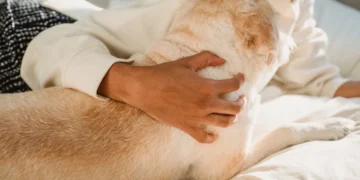
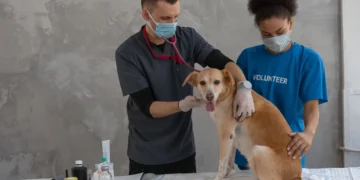
Diagnosis starts with a thorough history and physical exam. The vet will gently palpate the groin while the dog is relaxed, assessing whether the bulge is reducible and checking for tenderness.
Imaging helps confirm the contents and rule out complications:
- Ultrasound: Visualizes intestines or bladder within the hernia sac, identifies strangulation, and assesses blood flow.
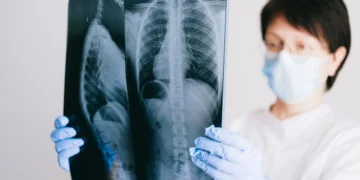
- Radiographs (X‑rays): Show gas patterns in intestines and can detect a trapped loop.
- CT scan (rare): Provides detailed 3‑D mapping for complex or recurrent cases.
Blood work is not required for diagnosis, but a CBC and chemistry panel may be run pre‑operatively to ensure the dog can safely undergo anesthesia, per AAHA anesthesia guidelines.
Treatment options
Medical treatment
Most inguinal hernias need surgical repair, but a short period of medical management may be used while awaiting surgery.
- Anti‑inflammatory drugs (NSAIDs): Medications like carprofen or meloxicam can reduce pain and swelling. Ask your vet about this option.
- Antibiotics: If the hernia is incarcerated and the bowel appears compromised, broad‑spectrum antibiotics such as amoxicillin‑clavulanate may be prescribed.
- Analgesics: Opioids (e.g., buprenorphine) are often given peri‑operatively for short‑term comfort.
Supplements and supportive care
While supplements cannot replace surgery, they can aid recovery:
- Omega‑3 fatty acids (EPA/DHA): Help reduce post‑operative inflammation; a high‑quality fish‑oil supplement is safe for most dogs.
- Probiotics: Support gut health after intestinal manipulation, especially if antibiotics were used.
- Vitamin C: Small doses may assist in collagen synthesis during healing, but discuss with your vet before adding.
Procedures or surgery
Standard treatment is an inguinal herniorrhaphy—the surgeon reduces the herniated tissue and closes the defect with sutures or a mesh implant.
Two common techniques:
- Open primary closure: Sutures are placed directly through the abdominal wall. It’s the most frequently performed method and works well for small‑to‑moderate defects.
- Mesh‑augmented repair: For larger or recurrent hernias, a synthetic mesh (often polypropylene) reinforces the closure, reducing the chance of re‑herniation.
Both approaches are performed under general anesthesia, and most dogs are discharged the same day. Complications are rare (<5 %); they include infection, seroma formation, or recurrence, especially if the dog becomes overweight too soon.
Diet and nutrition
Nutrition plays a key role in both healing after surgery and preventing a hernia from recurring. After an inguinal hernia repair, the goal is to provide highly digestible, nutrient‑dense food that does not stress the abdominal wall.
Here are the main dietary principles:
- High‑quality protein: Easily digestible animal proteins (chicken, turkey, fish) supply the amino acids needed for tissue repair.
- Moderate fat: Fat provides energy but should stay at 12‑15 % of the diet to avoid excess weight gain.
- Low‑residue, high‑fiber: A modest amount of soluble fiber (e.g., beet pulp) helps maintain regular bowel movements without over‑filling the gut.
- Calorie control: Calculate your dog’s maintenance energy requirement (MER) and feed ~80 % of that amount for the first 7‑10 days, then gradually increase to MER as the incision heals.
- Hydration: Fresh water should always be available; consider adding low‑sodium broth to encourage intake if the dog is reluctant to drink.
Prescription therapeutic diets aren’t mandatory, but a “recovery” or “soft‑food” formula from a reputable brand can be helpful. Look for products labeled “highly digestible” and “low‑fat,” and avoid foods with high‑fat treats or table scraps that can cause gastrointestinal upset.
Sample feeding plan (for a 20‑lb adult dog):
| Day | Food amount (cups) | Notes |
|---|---|---|
| 1‑3 | 0.8 × MER | Small, frequent meals (3‑4× per day); add a teaspoon of canned pumpkin for fiber. |
| 4‑7 | 0.9 × MER | Gradually increase portion size; introduce a soft chew toy to encourage activity. |
| 8‑14 | MER | Return to normal feeding schedule; monitor weight. |
When choosing a commercial kibble, aim for a product that meets AAFCO nutrient profiles for “growth” or “maintenance,” depending on your dog’s age. If you prefer a home‑cooked diet, a balanced recipe of boiled chicken, white rice, and steamed carrots (in a 40:40:20 ratio) works well, but always have it reviewed by a veterinary nutritionist.
Finally, keep your dog’s weight in check. Even a modest 5‑% excess body condition can increase intra‑abdominal pressure, risking recurrence. Regular weigh‑ins and a measured treat plan are essential for long‑term success.
Cost and prognosis
Financial considerations are an important part of planning surgery. Below is a typical cost breakdown for inguinal hernia repair in the United States and the United Kingdom. Prices vary by region, clinic type, and any additional complications.
| Expense | US (USD) | UK (GBP) |
|---|---|---|
| Initial consultation & exam | $70‑$150 | £40‑£80 |
| Pre‑operative blood work | $100‑$200 | £60‑£120 |
| Anesthesia & monitoring | $250‑$500 | £150‑£350 |
| Surgical fee (open repair) | $800‑$1,500 | £500‑£1,200 |
| Mesh implant (if needed) | $150‑$300 | £100‑£250 |
| Post‑op meds (pain, antibiotics) | $50‑$120 | £30‑£80 |
| Follow‑up visit(s) | $70‑$150 each | £40‑£80 each |
Overall, most owners can expect a total bill between $1,200‑$3,500 (US) or £800‑£2,000 (UK). Many veterinary hospitals offer payment plans, and pet insurance often covers a portion of surgical costs—check your policy’s “surgical procedures” section.
Prognosis after uncomplicated repair is excellent. According to the Merck Veterinary Manual, more than 95 % of dogs regain full function and return to normal activity within 3‑4 weeks. Recurrence rates are low (<10 %) when post‑operative weight management and activity restriction are followed.
Prevention and home care
While you can’t change a congenital weakness, you can minimize the chances of a hernia forming or recurring:
- Maintain a healthy weight: Use a body‑condition scoring chart (e.g., WSAVA 9‑point scale) and adjust portions accordingly.
- Avoid excessive strain: Limit jumping, rough play, and heavy pulling for at least 2‑3 weeks after surgery.
- Gradual exercise buildup: Start with short leash walks (5‑10 minutes) and increase by 5 minutes every few days as tolerated.
- Regular veterinary check‑ups: Annual exams can catch early‑stage hernias before they become problematic.
- Neuter at the appropriate age: Follow AAHA guidelines—typically around 6‑12 months for most breeds—to reduce hormonal influences on the inguinal canal.
For puppies, keep an eye on the groin area during growth spurts. A quick visual check each month can help you notice a bulge early, making surgical correction simpler.
When to call your vet
Call your vet today if you notice a soft, reducible lump that appears after activity, or if your dog shows mild discomfort, loss of appetite, or occasional vomiting.
Go to an emergency clinic right now if the bulge is firm, does not reduce with gentle pressure, the skin looks dark or bruised, or your dog is in obvious pain, cannot eat, or shows signs of shock (pale gums, rapid breathing, weakness).
This article provides general information and is not a substitute for professional veterinary care.
How vets diagnose an inguinal hernia
Diagnosis starts with a thorough history and physical exam. The vet will gently palpate the groin while the dog is relaxed, assessing whether the bulge is reducible and checking for tenderness.
Imaging helps confirm the contents and rule out complications:
- Ultrasound: Visualizes intestines or bladder within the hernia sac, identifies strangulation, and assesses blood flow.
- Radiographs (X‑rays): Show gas patterns in intestines and can detect a trapped loop.
- CT scan (rare): Provides detailed 3‑D mapping for complex or recurrent cases.
Blood work is not required for diagnosis, but a CBC and chemistry panel may be run pre‑operatively to ensure the dog can safely undergo anesthesia, per AAHA anesthesia guidelines.
Treatment options
Medical treatment
Most inguinal hernias need surgical repair, but a short period of medical management may be used while awaiting surgery.
- Anti‑inflammatory drugs (NSAIDs): Medications like carprofen or meloxicam can reduce pain and swelling. Ask your vet about this option.
- Antibiotics: If the hernia is incarcerated and the bowel appears compromised, broad‑spectrum antibiotics such as amoxicillin‑clavulanate may be prescribed.
- Analgesics: Opioids (e.g., buprenorphine) are often given peri‑operatively for short‑term comfort.
Supplements and supportive care
While supplements cannot replace surgery, they can aid recovery:
- Omega‑3 fatty acids (EPA/DHA): Help reduce post‑operative inflammation; a high‑quality fish‑oil supplement is safe for most dogs.
- Probiotics: Support gut health after intestinal manipulation, especially if antibiotics were used.
- Vitamin C: Small doses may assist in collagen synthesis during healing, but discuss with your vet before adding.
Procedures or surgery
Standard treatment is an inguinal herniorrhaphy—the surgeon reduces the herniated tissue and closes the defect with sutures or a mesh implant.
Two common techniques:
- Open primary closure: Sutures are placed directly through the abdominal wall. It’s the most frequently performed method and works well for small‑to‑moderate defects.
- Mesh‑augmented repair: For larger or recurrent hernias, a synthetic mesh (often polypropylene) reinforces the closure, reducing the chance of re‑herniation.
Both approaches are performed under general anesthesia, and most dogs are discharged the same day. Complications are rare (<5 %); they include infection, seroma formation, or recurrence, especially if the dog becomes overweight too soon.
Cost and prognosis
Financial considerations are an important part of planning surgery. Below is a typical cost breakdown for inguinal hernia repair in the United States and the United Kingdom. Prices vary by region, clinic type, and any additional complications.
| Expense | US (USD) | UK (GBP) |
|---|---|---|
| Initial consultation & exam | $70‑$150 | £40‑£80 |
| Pre‑operative blood work | $100‑$200 | £60‑£120 |
| Anesthesia & monitoring | $250‑$500 | £150‑£350 |
| Surgical fee (open repair) | $800‑$1,500 | £500‑£1,200 |
| Mesh implant (if needed) | $150‑$300 | £100‑£250 |
| Post‑op meds (pain, antibiotics) | $50‑$120 | £30‑£80 |
| Follow‑up visit(s) | $70‑$150 each | £40‑£80 each |
Overall, most owners can expect a total bill between $1,200‑$3,500 (US) or £800‑£2,000 (UK). Many veterinary hospitals offer payment plans, and pet insurance often covers a portion of surgical costs—check your policy’s “surgical procedures” section.
Prognosis after uncomplicated repair is excellent. According to the Merck Veterinary Manual, more than 95 % of dogs regain full function and return to normal activity within 3‑4 weeks. Recurrence rates are low (<10 %) when post‑operative weight management and activity restriction are followed.
Prevention and home care
While you can’t change a congenital weakness, you can minimize the chances of a hernia forming or recurring:
- Maintain a healthy weight: Use a body‑condition scoring chart (e.g., WSAVA 9‑point scale) and adjust portions accordingly.
- Avoid excessive strain: Limit jumping, rough play, and heavy pulling for at least 2‑3 weeks after surgery.
- Gradual exercise buildup: Start with short leash walks (5‑10 minutes) and increase by 5 minutes every few days as tolerated.
- Regular veterinary check‑ups: Annual exams can catch early‑stage hernias before they become problematic.
- Neuter at the appropriate age: Follow AAHA guidelines—typically around 6‑12 months for most breeds—to reduce hormonal influences on the inguinal canal.
For puppies, keep an eye on the groin area during growth spurts. A quick visual check each month can help you notice a bulge early, making surgical correction simpler.
From our vet team: Inguinal hernias are usually straightforward to fix, but the real work begins at home. Keep your dog calm, limit activity, and stick to the prescribed diet. If you notice any swelling, bruising, or a sudden change in appetite, call your vet right away—early intervention prevents complications and keeps recovery smooth.
Key takeaways
- Inguinal hernias are bulges in the groin caused by a weak spot in the abdominal wall, most common in intact males.
- Watch for a soft, movable lump that may disappear when pressed; a firm, non‑reducible bulge is an emergency.
- Surgical repair (open closure or mesh‑augmented) is the standard treatment; most dogs recover fully in 2‑3 weeks.
- Expect total costs of $1,200‑$3,500 (US) or £800‑£2,000 (UK); pet insurance can offset many expenses.
- Post‑op nutrition should be high‑quality, easily digestible protein with moderate fat and controlled calories to prevent weight gain.
- Prevent recurrence by maintaining a healthy weight, avoiding heavy strain, and following your vet’s activity‑restriction timeline.
Myth vs. fact
Myth: Inguinal hernias always need emergency surgery.
Fact: Small, reducible hernias can sometimes be monitored short‑term, but most will still need elective surgery to avoid future complications.
Myth: Only male dogs get inguinal hernias.
Fact: While males are at higher risk, females and neutered dogs can develop them, especially if they are overweight or have experienced trauma.
Myth: After surgery, a dog can return to full activity the next day.
Fact: Strict activity restriction for 2‑3 weeks is essential; premature exercise can cause the repair to fail.
Frequently asked questions
What causes inguinal hernias in dogs?
Inguinal hernias result from a congenital weakness in the inguinal canal, hormonal influences in intact males, obesity, trauma, or excessive straining. Breeds with naturally small canals, like Labs and Boxers, are predisposed.
How can I tell if my dog’s hernia is reducible?
If you gently press the lump and it disappears (or becomes smaller) without the dog showing pain, it’s likely reducible. A firm, non‑movable bulge that stays even after pressure is a red flag and requires immediate veterinary attention.
What is the typical recovery time after inguinal hernia surgery?
Most dogs heal enough for light leash walks within 10‑14 days and return to normal activity by 3‑4 weeks. Your vet will give a personalized timeline based on the size of the repair and your dog’s overall health.
Are there non‑surgical options for treating an inguinal hernia?
Non‑surgical management (e.g., weight loss, activity restriction, and anti‑inflammatory meds) may be used temporarily while awaiting surgery, but it does not permanently fix the defect. The hernia will likely recur without repair.
Will my dog need pain medication after hernia repair?
Yes. Most vets prescribe a short course of NSAIDs or a mild opioid for the first 24‑48 hours to keep your dog comfortable. Discuss any pre‑existing conditions with your vet before medication.
How much should I expect to pay for inguinal hernia treatment?
In the United States, total costs range from $1,200‑$3,500, including consultation, diagnostics, anesthesia, surgery, mesh (if needed), and post‑op meds. In the United Kingdom, expect £800‑£2,000. Insurance coverage varies, so check your policy details.
Ask the PuppaDogs community
Have a question this article didn’t fully answer? Want to compare notes with other dog owners who’ve been through this? Our community forum is moderated by experienced owners and vets — and answers tend to come fast. Ask in the PuppaDogs community →
References
- American College of Veterinary Surgeons (ACVS). “Inguinal Hernia Repair Guidelines.” 2023.
- American Animal Hospital Association (AAHA). “Anesthesia Guidelines for Dogs.” 2022.
- Merck Veterinary Manual. “Hernia, Inguinal.” Updated 2023.
- World Small Animal Veterinary Association (WSAVA). “Body Condition Scoring.” 2021.
- American Veterinary Medical Association (AVMA). “Pet Insurance Overview.” 2022.
- Veterinary Partner (Cornell University). “Post‑operative Care for Dogs.” 2023.
- University of California, Davis Veterinary Medicine. “Nutritional Recommendations After Surgery.” 2022.
- AKC Breed Information. “Common Health Issues in Labrador Retrievers.” 2023.
- Plumb’s Veterinary Drug Handbook. “NSAIDs and Opioids in Canine Pain Management.” 2022.


