













Quick take: A hiatal hernia in dogs is when part of the stomach pushes up through the diaphragm into the chest cavity, often causing regurgitation and weight loss. It’s usually manageable with diet changes and medication, but surgery may be needed for severe cases. Prompt vet evaluation is key.
It’s 9 p.m., the house is quiet, and you notice your senior Golden Retriever, Bella, isn’t as eager to greet you at the door. Instead, she sits, eyes half‑closed, and you catch a faint, sour smell near her food bowl. A quick Google search later, “why is my dog vomiting after meals?” brings up a page titled “hiatal hernia in dogs.” Your heart skips a beat—could this be serious?
We understand that fear. A hiatal hernia can feel like a mystery, but the good news is that many owners see improvement with the right plan. In the next few minutes you’ll learn exactly what a hiatal hernia is, what to watch for, how vets diagnose it, treatment options (including surgery), costs, and how to keep Bella comfortable at home.
Read on and you’ll know when to call the vet, what questions to ask, and how to feed your dog during recovery. Let’s start by demystifying the condition.
What is a hiatal hernia in dogs?
A hiatal hernia occurs when the opening (hiatus) in the diaphragm—the muscle that separates the chest from the abdomen—fails to stay closed, allowing a portion of the stomach to slip up into the thoracic cavity. This is different from a diaphragmatic hernia, where a larger tear lets abdominal organs move into the chest.
In dogs, hiatal hernias are most often “sliding” type, meaning the gastroesophageal junction moves upward and back down. They are relatively uncommon, but they do appear more often in senior, large‑breed dogs and in breeds with a naturally shallow chest.
What causes it?
Several factors can weaken the diaphragm or increase pressure on the stomach, encouraging the hiatal opening to give way:
- Age‑related muscle degeneration: Older dogs may lose tone in the diaphragm.
- Obesity: Excess abdominal fat pushes against the diaphragm.
- Chronic coughing or respiratory disease: Repeated pressure spikes can pull the stomach upward.
- Congenital predisposition: Some breeds are born with a wider hiatus.
- Trauma or surgery: Injury to the diaphragm or previous abdominal operations can create a weakness.
Below is a quick comparison of the most common risk factors:
| Risk factor | Typical impact | Breed examples |
|---|---|---|
| Advanced age (>7 years) | Decreased muscle tone | Golden Retriever, Labrador, Great Dane |
| Obesity (body condition score ≥ 7) | Increased intra‑abdominal pressure | Any breed |
| Chronic respiratory disease | Repeated thoracic pressure | Bullmastiff, English Bulldog |
| Congenital wide hiatus | Structural predisposition | German Shepherd, Boxer |
Signs and symptoms
Hiatal hernias often present subtly at first, then progress if left untreated. Here’s what most owners notice, grouped by severity:
| Severity | Typical signs |
|---|---|
| Mild | Occasional regurgitation of soft food, slight weight loss, mild cough after meals. |
| Moderate | Frequent regurgitation (especially after activity), vomiting, noticeable weight loss, reduced appetite, chronic cough. |
| Severe | Persistent vomiting, aspiration pneumonia, severe weight loss, lethargy, difficulty breathing. |
Regurgitation is the hallmark sign—food comes back up without the force of vomiting. You might also hear a “gurgling” sound when Bella eats, or see her lunge for water after meals.
When to call your vet
Call your vet today if you notice any of the following:
- Occasional regurgitation after meals.
- Weight loss of more than 5 % over a month.
- Persistent cough or mild breathing changes.
- Reduced appetite or reluctance to eat.
Go to an emergency veterinary hospital right now if you see:
- Repeated vomiting or projectile vomiting.
- Signs of aspiration pneumonia (wet cough, fever, rapid breathing).
- Sudden collapse, pale gums, or extreme lethargy.
These red‑flag signs indicate that the hernia may be causing life‑threatening complications. This article is for information only and does not replace a hands‑on veterinary exam.
How vets diagnose a hiatal hernia
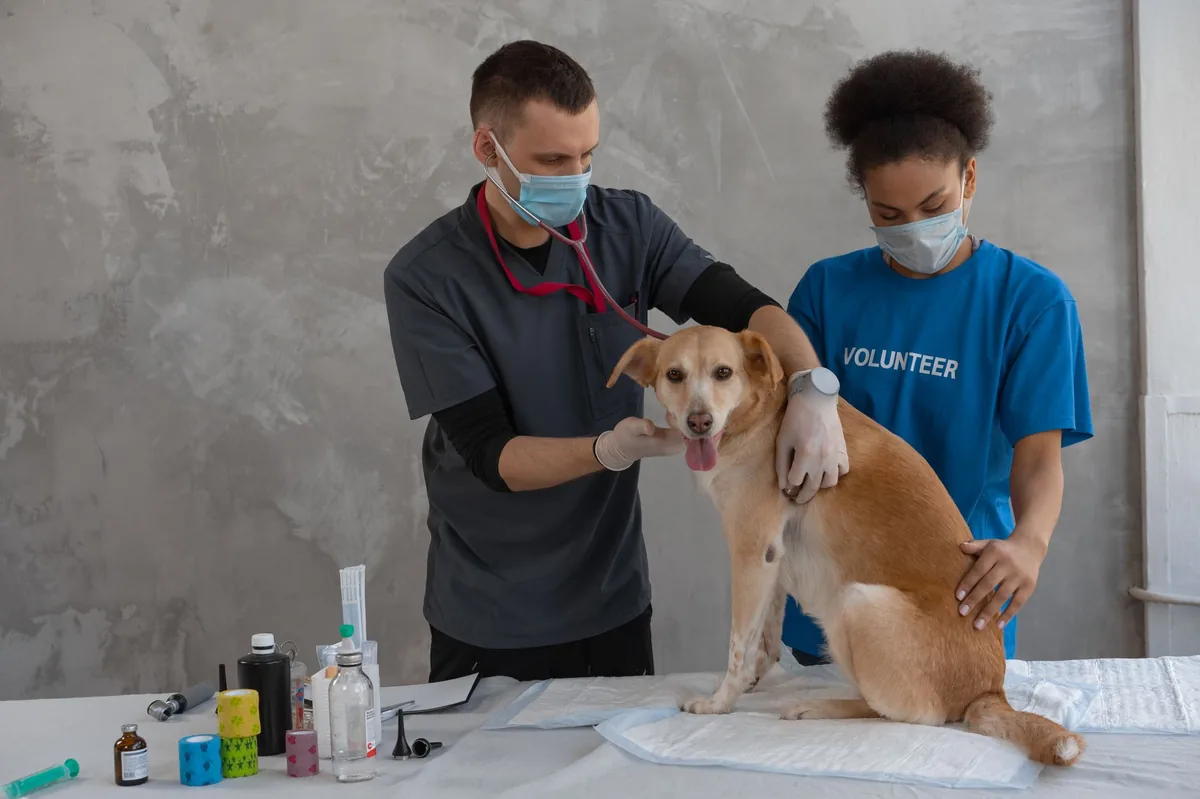
Diagnosis starts with a thorough history and physical exam. Your vet will listen for abnormal sounds in the chest and may palpate the abdomen for tenderness.
Key diagnostic tools include:
- Thoracic radiographs (X‑rays): Often the first imaging test. A contrast study (barium swallow) highlights the stomach’s position.
- Endoscopy: A flexible camera is passed down the esophagus, allowing direct visualization of the hiatus and any inflammation.
- Ultrasound: Useful for assessing the diaphragm’s thickness and ruling out other abdominal issues.
- CT scan (advanced): Provides a 3‑D view, especially if surgery is being considered.
Blood work is usually performed to check for anemia, electrolyte imbalances, or signs of aspiration pneumonia that may accompany a severe hernia.
Treatment options
Medical treatment
Most dogs respond well to a combination of dietary changes and medication:
- Proton pump inhibitors (PPIs): Drugs like omeprazole reduce stomach acid, easing reflux. Ask your vet about this option.
- H2‑blockers (e.g., famotidine): Another acid‑reducing class, often used alongside PPIs.
- Prokinetics (e.g., metoclopramide): Help the stomach empty more efficiently, decreasing pressure on the hiatus.
- Anti‑reflux agents (e.g., sucralfate): Coat the esophagus to protect it from acid.
Medication alone can control symptoms for many dogs, especially when the hernia is small and the dog is otherwise healthy.
Supplements and supportive care
While supplements can’t fix the anatomical defect, they may improve overall comfort:
- Omega‑3 fatty acids (EPA/DHA): Help reduce inflammation of the esophagus.
- Digestive enzymes: Aid in breaking down food, which can lessen gastric pressure.
- Probiotics: Support gut health, especially if antibiotics are used for secondary infections.
Always discuss supplement use with your vet; quality and appropriate dosing vary.
Procedures or surgery
When medical management fails or the hernia is large, surgical repair is recommended. The most common technique is a Nissen‑type fundoplication, where the stomach’s fundus is wrapped around the lower esophagus to reinforce the hiatus.
Key points about surgery:
- Approach: Usually performed via a ventral midline laparotomy (open abdomen) or laparoscopically (minimally invasive).
- Recovery: Hospital stay of 1–3 days, followed by 4–6 weeks of restricted activity.
- Success rate: Approximately 80‑90 % of dogs achieve long‑term symptom relief, according to the AAHA.
Diet and nutrition
Feeding the right diet is the cornerstone of managing a hiatal hernia. The goal is to keep the stomach as empty as possible between meals, reduce reflux, and provide easily digestible nutrients.
How to feed:
- Small, frequent meals: Offer 3–4 meals a day rather than one large meal. This keeps gastric volume low.
- Elevated feeding bowls: Raising the bowl 12–15 cm can help gravity keep food down.
- Highly digestible protein: Choose foods labeled “easy digest” or “sensitive stomach.” Examples include boiled chicken, turkey, or commercial diets formulated for gastrointestinal health.
- Low‑fat, low‑fiber: Fat slows gastric emptying; fiber can increase gas. A diet with < 15 % fat and moderate protein is ideal.
- Moisture: Adding water or low‑sodium broth can make meals easier to swallow.
Prescription therapeutic diets (often called “gastro‑intestinal” or “reflux” diets) are available from veterinary pharmacies. They meet AAFCO nutrient standards and are formulated to minimize gastric acidity.
| Food category | What to feed | What to limit/avoid |
|---|---|---|
| Protein sources | Boiled chicken, turkey, low‑fat cottage cheese | Fatty meats, raw bones |
| Carbohydrates | Cooked white rice, sweet potatoes | Whole grains, high‑fiber legumes |
| Fats | Small amounts of fish oil (for omega‑3) | Heavy oils, fried foods |
| Treats | Low‑fat, low‑salt soft treats | Hard biscuits, jerky |
Transition to a new diet gradually over 7‑10 days to avoid upsetting the stomach. Start with 25 % new food mixed with 75 % old, then increase the new food portion each few days.
During recovery after surgery, your vet may prescribe a bland diet (e.g., boiled chicken and rice) for the first week, then slowly reintroduce the regular therapeutic diet.

Remember, every dog is unique. Your vet will tailor the diet based on Bella’s weight, activity level, and any concurrent medical issues.
Cost and prognosis
Financial considerations are part of any treatment plan. Below are typical cost ranges (USD) for the United States; UK figures are shown in GBP where they differ.
| Service | US estimate | UK estimate |
|---|---|---|
| Diagnostic work‑up (X‑ray, contrast, bloodwork) | $300‑$600 | £250‑£500 |
| Endoscopy | $500‑$900 | £400‑£700 |
| Medical management (meds + follow‑up) | $150‑$300 per month | £120‑£250 per month |
| Surgical repair (open) | $2,500‑$4,500 | £2,000‑£3,500 |
| Laparoscopic repair | $3,500‑$5,500 | £3,000‑£4,500 |
Pet insurance often covers a portion of these expenses, especially if the diagnosis is made early. Check your policy’s coverage for “gastrointestinal surgery” and “diagnostic imaging.”
Prognosis is generally good when the hernia is caught early and managed appropriately. Most dogs regain normal weight and activity within a few months after surgery, while those managed medically alone may need lifelong diet and medication adjustments.
Prevention and home care
While you can’t change a dog’s anatomy, you can reduce the risk of a hiatal hernia progressing:
- Maintain a healthy weight: Keep your dog’s body condition score between 4‑5/9.
- Feed low‑fat meals: Avoid high‑fat treats and table scraps.
- Elevate food bowls: This simple change can lower reflux episodes.
- Monitor for coughing: Persistent cough after meals warrants a vet check.
- Regular veterinary exams: Annual check‑ups catch early diaphragmatic changes.
For senior dogs, consider a gentle exercise routine that avoids heavy breathing after meals, and keep their environment calm to reduce stress‑induced coughing.
From our vet team: “If your dog’s regurgitation is occasional and they’re still thriving, a diet tweak and a short course of acid‑blocking meds often solve the problem. Surgery is reserved for dogs that can’t eat without vomiting or develop pneumonia. Early detection is the biggest advantage you have.”
Key takeaways
- A hiatal hernia lets part of the stomach slip into the chest, causing regurgitation and weight loss.
- Small, frequent meals and low‑fat, highly digestible diets are the first line of management.
- Medication (PPIs, H2‑blockers, prokinetics) can control symptoms, but surgery may be needed for severe cases.
- Watch for red‑flag signs like repeated vomiting or coughing, and call your vet or an emergency clinic right away.
- Typical surgical repair costs $2,500‑$5,500 in the U.S.; pet insurance often helps offset expenses.
- Maintaining a healthy weight and avoiding high‑fat foods can help prevent the condition from worsening.
Myth vs. fact
Myth: Hiatal hernias are the same as diaphragmatic hernias.
Fact: A hiatal hernia involves only the stomach moving through the diaphragm’s natural opening, while a diaphragmatic hernia is a larger tear that can allow intestines or other organs into the chest.
Myth: All dogs with a hiatal hernia will need surgery.
Fact: Many dogs respond well to diet changes and medication; surgery is reserved for those with severe or refractory disease.
Myth: Once a dog has a hiatal hernia, it will always cause vomiting.
Fact: Proper management can eliminate vomiting episodes, and many dogs live comfortably with a lifelong dietary plan.
Frequently asked questions
What causes hiatal hernias in dogs?
Most commonly, age‑related muscle loss, obesity, chronic coughing, or a congenital wide diaphragm opening lead to a hiatal hernia. Trauma or previous abdominal surgery can also weaken the diaphragm.
What symptoms should I watch for with a hiatal hernia?
Look for regurgitation of undigested food, frequent vomiting, weight loss, a chronic cough after meals, and reduced appetite. Severe cases may develop aspiration pneumonia, which requires immediate emergency care.
How is a hiatal hernia different from a diaphragmatic hernia?
A hiatal hernia is a “sliding” defect where the stomach pushes through the natural esophageal opening, while a diaphragmatic hernia is a larger tear that can allow intestines or liver tissue to move into the chest cavity.
Can medication alone treat a hiatal hernia in dogs?
Medication—especially acid reducers and prokinetics—can control symptoms in many dogs, particularly when the hernia is small. However, if the dog continues to regurgitate or loses weight despite meds, surgery may be recommended.
What is the recovery time after hiatal hernia surgery?
Most dogs stay in the hospital 1‑3 days, then need 4‑6 weeks of restricted activity. Full return to normal exercise usually occurs by 8‑12 weeks, with gradual diet reintroduction as advised by the vet.
Are certain dog breeds more likely to develop a hiatal hernia?
Large, deep‑chested breeds such as Golden Retrievers, Labrador Retrievers, Great Danes, and German Shepherds show a higher predisposition, especially as they age.
Ask the PuppaDogs community
Have a question this article didn’t fully answer? Want to compare notes with other dog owners who’ve been through this? Our community forum is moderated by experienced owners and vets — and answers tend to come fast. Ask in the PuppaDogs community →
References
- American Animal Hospital Association (AAHA) 2023 Guidelines for Gastrointestinal Disorders in Dogs.
- American Veterinary Medical Association (AVMA) – “Hiatal Hernia in Dogs” fact sheet.
- Merck Veterinary Manual, “Hiatal Hernia” chapter, 2022 edition.
- World Small Animal Veterinary Association (WSAVA) – Recommendations on dietary management of gastroesophageal reflux.
- Veterinary Clinics of North America: Small Animal Practice, “Surgical Management of Hiatal Hernia in Dogs,” 2021.
- American College of Veterinary Surgeons (ACVS) – “Outcomes of Nissen Fundoplication in Canine Patients,” 2020.
- UC Davis Veterinary Medicine – “Canine Gastrointestinal Disorders” online resource.
- American Association of Feed Control Officials (AAFCO) – Nutrient Profiles for Therapeutic Diets, 2022.


