














Quick take: Sinus node disease in dogs is a heart rhythm disorder where the natural pacemaker of the heart (the sinus node) fires too slowly, pauses, or stops altogether. It often shows up as fainting, lethargy, or a slow pulse, especially in senior, medium‑to‑large breeds. Diagnosis relies on ECG and Holter monitoring, and treatment ranges from medications to a permanent pacemaker. With prompt veterinary care, many dogs live comfortable, active lives, though costs can be significant.
It’s 11 p.m., and you’re watching your 12‑year‑old golden retriever, Max, stare at the kitchen floor. He used to sprint to the door the moment you stepped in, but tonight he’s just lying there, his ears drooping and his gums a shade paler than usual. You feel a knot in your stomach as you wonder whether his heart is the culprit.
These moments are why we wrote this guide. “Heart disease of the sinus node in dogs” sounds intimidating, but the reality is a mix of understandable warning signs, concrete diagnostic steps, and clear treatment paths. Below we walk through what sinus node disease is, how you can spot it, what your vet will do, and how to keep Max—or any dog—comfortable and safe.
We’ll also cover the big questions owners often ask: Is a pacemaker the only option? How much will it cost? Can diet help? And most importantly, when should you call your vet right away? Let’s get started.
What is sinus node disease?
Sinus node disease (also called sinus node dysfunction or sick sinus syndrome) is a problem with the heart’s natural pacemaker—the sinus node, located at the top of the right atrium. In a healthy dog, the sinus node generates electrical impulses about 60–140 times per minute, prompting the heart chambers to contract in a coordinated rhythm. When the node malfunctions, the heart may beat too slowly (bradycardia), pause for several seconds, or fire irregularly.
In dogs, sinus node disease is relatively uncommon compared to other arrhythmias, but it is most frequently diagnosed in senior, medium‑to‑large breeds such as Golden Retrievers, Labrador Retrievers, Boxers, and Standard Poodles. The condition can be primary (idiopathic) or secondary to other heart disease, electrolyte disturbances, or certain medications.
What causes sinus node disease?
Several factors can impair the sinus node’s ability to generate reliable impulses:
- Age‑related degeneration: Fibrosis and loss of pacemaker cells are common in older dogs.
- Underlying cardiac disease: Dilated cardiomyopathy, chronic valvular disease, or myocarditis can damage the node.
- Electrolyte imbalances: Low potassium (hypokalemia) or high calcium (hypercalcemia) affect electrical conduction.
- Medications: Drugs that slow heart rate, such as beta‑blockers or certain anti‑arrhythmics, may unmask sinus node dysfunction.
- Congenital defects: Rarely, dogs are born with an abnormal sinus node.
While the exact cause is often unknown (idiopathic), the risk rises sharply after age eight, and breeds with a predisposition to cardiomyopathy tend to develop sinus node disease earlier.
Signs and symptoms
Because the heart’s rhythm controls blood flow, a malfunctioning sinus node can produce a spectrum of clinical signs. Early signs are subtle; severe disease can be life‑threatening.
| Severity | Common signs |
|---|---|
| Mild | Reduced stamina on walks, occasional “slow” heart rate felt by a vet, slight lethargy. |
| Moderate | Fainting (syncope) during excitement, noticeable pauses on auscultation, pale gums, mild cough. |
| Severe | Recurrent collapse, severe weakness, rapid breathing, black mucus from nose or mouth, sudden cardiac arrest. |
Owners often first notice a change in activity level or an unexplained fainting episode. A quick way to check pulse at home is to feel the femoral artery on the inside of the hind leg—normal canine pulse is 60–140 beats per minute. Anything consistently below 60 should prompt a veterinary call.
When to call your vet
Call your vet today (non‑emergency) if you notice:
- Persistent lethargy or reduced appetite lasting more than 24 hours.
- Occasional fainting or “stumbling” during play.
- Noticeably slow pulse (< 60 bpm) when you check the femoral artery.
Go to an emergency clinic right now** if your dog:
- Collapses repeatedly or is unresponsive.
- Shows very pale or bluish gums, rapid shallow breathing, or loss of consciousness.
- Has a heart rate that drops below 40 bpm and does not improve with gentle stimulation.
These signs indicate that the heart is not delivering enough blood to vital organs. Prompt veterinary intervention can be lifesaving.
This article is for informational purposes only and does not replace a hands‑on examination by a qualified veterinarian.
How vets diagnose sinus node disease
Diagnosing sinus node disease involves a combination of history, physical exam, and specialized cardiac testing:
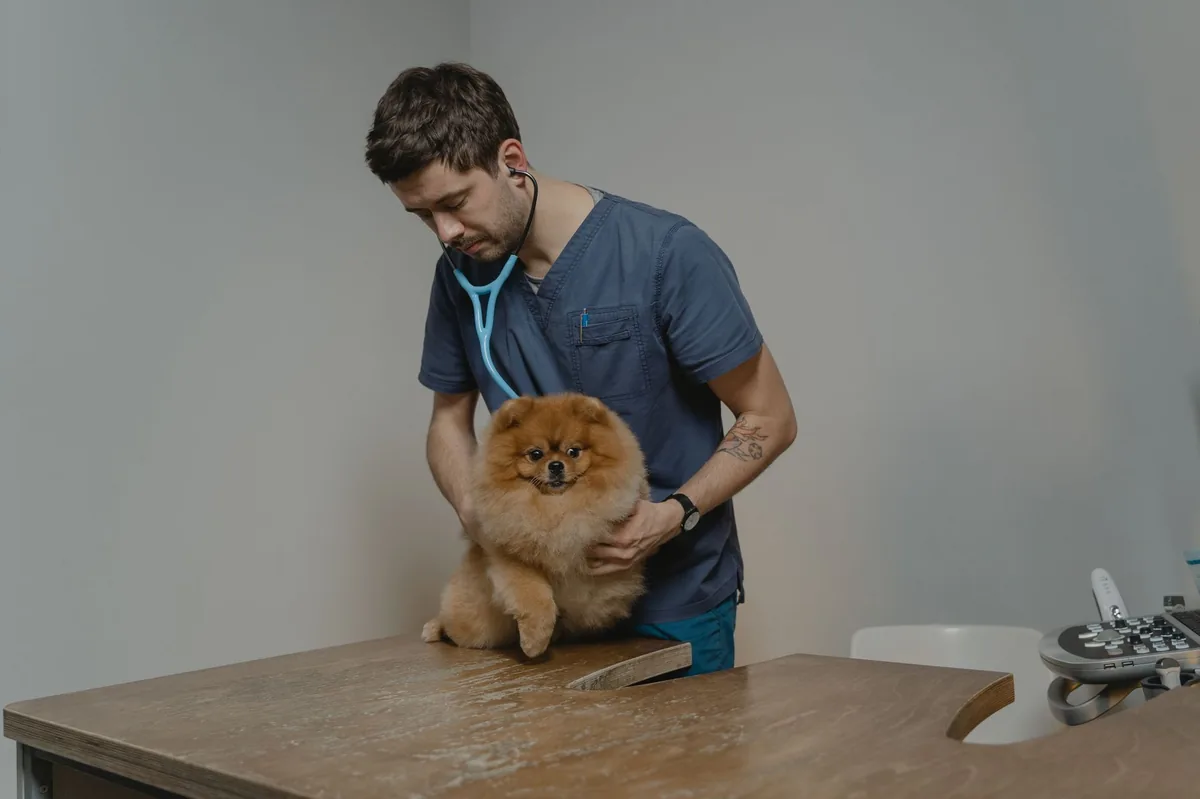
- Physical exam: The vet will listen to the heart, check the pulse, and look for signs of heart enlargement or fluid accumulation.
- Electrocardiogram (ECG): A short, in‑clinic ECG records the heart’s electrical activity. In sinus node disease, the ECG shows prolonged pauses, dropped beats, or a consistently slow rhythm.
- 24‑hour Holter monitor: This wearable device records heart rhythm continuously for a full day, capturing intermittent pauses that a brief ECG might miss.
- Blood work: CBC and chemistry panels rule out electrolyte abnormalities, anemia, or thyroid disease that can mimic or worsen bradyarrhythmias.
- Chest X‑rays and echocardiogram: Imaging evaluates heart size, wall thickness, and any underlying structural disease.
Together, these tests allow the veterinarian to differentiate sinus node disease from other arrhythmias such as atrial fibrillation or second‑degree AV block.
Treatment options
Medical treatment
When the sinus node is only mildly under‑performing, medications can help stabilize the heart rate and support circulation. Common drug classes include:
- Atropine or glycopyrrolate: Short‑acting anticholinergics that temporarily boost heart rate during acute episodes. Your vet will decide if a dose is appropriate.
- Beta‑agonists (e.g., isoproterenol): Increase heart rate by stimulating beta receptors. Usually administered intravenously in a hospital setting.
- Anti‑arrhythmic agents (e.g., quinidine, disopyramide): In cases where the sinus node is firing irregularly, these drugs can help regularize rhythm. Ask your vet about these options.
Medication alone rarely cures sinus node disease, but it can buy time while you consider more definitive therapy.
Supplements and supportive care
Evidence supports a few adjuncts that may improve overall cardiac health:
- Omega‑3 fatty acids (EPA/DHA): Anti‑inflammatory properties can help maintain myocardial cell membranes. A high‑quality fish‑oil supplement (e.g., 1000 mg EPA/DHA per day for a 30 lb dog) is commonly recommended.
- Coenzyme Q10: Antioxidant that supports mitochondrial energy production; some studies in dogs with heart disease suggest modest improvement in exercise tolerance.
- Potassium‑rich foods or supplements: If blood work shows low potassium, a vet may suggest a potassium supplement or diet adjustment.
These supplements are not a substitute for prescription medication or a pacemaker, but they can complement a comprehensive plan.
Procedures or surgery
The most definitive treatment for severe sinus node disease is the implantation of a permanent cardiac pacemaker. The device consists of a small pulse generator placed under the skin (usually near the shoulder) and one or two leads threaded into the heart chambers. The pacemaker senses the heart’s rhythm and delivers tiny electrical impulses when it detects a pause, maintaining an adequate heart rate.
Pacemaker surgery is performed under general anesthesia, and most dogs recover within a week. The procedure cost in the United States typically ranges from $8,000 to $12,000, while in the United Kingdom the range is £5,000–£8,000. Many pet insurance plans cover part of the expense, especially if the condition is classified as “cardiac arrhythmia.”

Diet and nutrition
While no specific “sinus node diet” exists, feeding a heart‑healthy diet can reduce overall cardiac workload and support the myocardium. Here are evidence‑based recommendations:
- High‑quality protein: Easily digestible sources such as chicken, turkey, or fish provide the building blocks for cardiac muscle without excess fat.
- Moderate fat, high omega‑3: Aim for a diet with 10–15 % calories from fat, enriched with EPA/DHA. Commercial “cardiac” formulas from reputable brands meet these ratios.
- Low sodium: Excess sodium promotes fluid retention and can worsen heart failure. Look for foods labeled “reduced sodium” or “cardiac,” and avoid table scraps like salty meats or cheese.
- Controlled calories: Maintaining an ideal body condition (BCS 4‑5/9) prevents obesity‑related cardiac strain. Use a calorie calculator (PuppaDogs calculators) to determine daily needs.
- Antioxidant‑rich ingredients: Blueberries, pumpkin, and carrots provide vitamin C and E, which may protect heart cells from oxidative damage.
Prescription therapeutic diets, such as “renal‑support” or “cardiac‑support” formulas, are formulated to be low in sodium and phosphorus while providing high‑quality protein. Your vet can recommend a specific brand, but we avoid naming manufacturers to keep the advice unbiased.
Below is a quick reference for feeding decisions:
| Food category | Do feed | Limit | Avoid |
|---|---|---|---|
| Commercial dry kibble | High‑protein, low‑sodium “cardiac” formulas | Standard kibble with moderate sodium | High‑salt or “gourmet” treats |
| Wet foods | Low‑sodium, meat‑based cans | Gravy‑heavy varieties | Human‑style soups with broth |
| Home‑cooked meals | Boiled chicken, rice, steamed veggies, fish oil | Cooked bacon or sausage | Raw pork, organ meats high in phosphorus |
| Supplements | Fish‑oil capsules, CoQ10 (vet‑approved) | Excessive vitamin C | Unregulated “heart‑boost” pills |
Transition to a new diet gradually over 7‑10 days to avoid gastrointestinal upset. Start with 25 % new food mixed with 75 % current food, then increase the new food portion every few days. Monitor your dog’s weight, appetite, and stool quality throughout.
Hydration is also key. Encourage fresh water at all times, and if your dog is on a low‑sodium diet, avoid adding extra salt to meals. For dogs with concurrent heart failure, your vet may prescribe a specific fluid restriction.
Cost and prognosis
Financial considerations are a real part of decision‑making. Here’s a rough breakdown of typical expenses in the United States and United Kingdom (prices vary by clinic and region):
| Service | US estimate | UK estimate |
|---|---|---|
| Initial cardiac workup (ECG, Holter, labs, echo) | $800‑$1,500 | £400‑£800 |
| Medication trial (first month) | $50‑$150 | £30‑£80 |
| Pacemaker implantation (device + surgery) | $8,000‑$12,000 | £5,000‑£8,000 |
| Post‑op follow‑up (first year) | $300‑$600 | £150‑£300 |
| Annual check‑ups thereafter | $200‑$400 | £100‑£250 |
Pet insurance policies often cover 70‑90 % of pacemaker costs after the deductible, especially if the condition is listed as a pre‑existing cardiac issue. Review your policy’s “cardiac arrhythmia” clause or contact the insurer for specifics.
Prognosis depends on severity and treatment choice. Dogs managed medically alone may live months to a few years, with quality of life dictated by symptom control. Pacemaker‑implanted dogs often enjoy a near‑normal lifespan, especially if other heart disease is mild. Early detection and consistent follow‑up dramatically improve outcomes.
Prevention and home care
While you can’t stop age‑related degeneration, several proactive steps can lower the risk or catch problems early:
- Regular wellness exams: Senior dogs should see the vet at least twice a year. Include a cardiac auscultation and, if indicated, an ECG.
- Blood pressure monitoring: Hypertension can strain the heart; home cuff devices are available for dogs.
- Maintain a healthy weight: Obesity raises cardiac workload. Use the PuppaDogs calorie calculator to fine‑tune portions.
- Limit stressful activities: Sudden intense exercise can trigger arrhythmias in a vulnerable heart.
- Watch for electrolyte shifts: Prolonged diarrhea, vomiting, or excessive water loss can drop potassium. Promptly address GI upset.
- Avoid medications that depress heart rate: Over‑the‑counter cough suppressants or antihistamines may worsen bradycardia; always check with your vet before giving any new drug.
At home, keep a log of any fainting episodes, respiratory changes, or changes in activity level. This record helps the vet assess progression and adjust treatment promptly.
From our vet team: “Sinus node disease can feel scary, but most dogs respond well to a pacemaker or tailored medical therapy. The key is early recognition—if your dog seems unusually tired, or you can’t feel a steady pulse, bring them in. A quick, thorough cardiac workup often uncovers the problem before it becomes an emergency.”
Key takeaways
- Sinus node disease causes the heart’s natural pacemaker to fire too slowly or pause, leading to fatigue, fainting, or severe collapse.
- Senior, medium‑to‑large breeds are most at risk; early signs include reduced stamina and a slow pulse (< 60 bpm).
- Veterinary diagnosis relies on ECG, 24‑hour Holter monitoring, blood work, and echocardiography.
- Treatment ranges from short‑acting drugs to permanent pacemaker implantation; many dogs thrive after a pacemaker.
- Heart‑healthy, low‑sodium diets with omega‑3 supplementation support overall cardiac function.
- Regular senior wellness exams and weight management are the best ways to catch sinus node disease early.
Myth vs. fact
Myth: Sinus node disease always requires a pacemaker.
Fact: Some dogs respond to medication and lifestyle changes, but a pacemaker is the most reliable long‑term solution for severe cases.
Myth: A low‑sodium diet can cure sinus node disease.
Fact: Diet helps reduce cardiac strain but does not reverse the underlying rhythm problem; it should be part of a broader management plan.
Myth: Only purebred dogs get sinus node disease.
Fact: While certain breeds have higher prevalence, mixed‑breed dogs of senior age can also develop the condition.
Frequently asked questions
What causes sinus node disease in dogs?
It’s usually age‑related degeneration of the sinus node, but underlying heart disease, electrolyte imbalances, certain medications, or rare congenital defects can also trigger it.
How can I tell if my dog has a heart rhythm problem?
Look for unexplained fatigue, fainting, a very slow pulse (< 60 bpm), or pale gums. Feeling the femoral pulse at home is a quick screen; if you’re unsure, have a vet perform an ECG.
What tests does a vet use to diagnose sinus node disease?
The primary tools are an in‑clinic ECG and a 24‑hour Holter monitor, supplemented by blood chemistry, CBC, chest X‑rays, and an echocardiogram to rule out structural heart disease.
Is a pacemaker the only treatment for sinus node disease?
No. Medications such as atropine, beta‑agonists, or anti‑arrhythmics can manage mild cases, but a permanent pacemaker is the most effective option for persistent bradycardia or pauses.
What is the prognosis for dogs with sinus node disease?
With a pacemaker, many dogs live a normal lifespan and maintain good quality of life. Without a pacemaker, prognosis depends on severity and underlying heart health, ranging from months to a few years.
Can diet or supplements help manage sinus node disease?
Yes. A low‑sodium, heart‑healthy diet and omega‑3 fatty acid supplements can reduce cardiac workload and support overall heart health, but they are adjuncts—not replacements—for medical therapy.
Ask the PuppaDogs community
Have a question this article didn’t fully answer? Want to compare notes with other dog owners who’ve been through this? Our community forum is moderated by experienced owners and vets — and answers tend to come fast. Ask in the PuppaDogs community →
References
- American College of Veterinary Internal Medicine (ACVIM) Consensus Statement on Cardiac Arrhythmias in Dogs, 2022.
- Merck Veterinary Manual, “Sick Sinus Syndrome” entry, 2023 edition.
- American Veterinary Medical Association (AVMA) Guidelines for Pacemaker Implantation in Companion Animals, 2021.
- AAHA (American Animal Hospital Association) Cardiac Care Guidelines, 2023.
- Cornell University College of Veterinary Medicine, “Canine Cardiology” lecture notes, 2022.
- World Small Animal Veterinary Association (WSAVA) Nutrition Recommendations for Dogs with Heart Disease, 2022.
- Pet Insurance Review, “Coverage of Cardiac Pacemakers for Dogs,” 2023.


