
















Quick take: Heart cancer, also called hemangiosarcoma, is a fast‑growing tumor that arises from blood‑vessel cells inside the heart. It most often affects middle‑aged to senior dogs, especially large‑breed males, and can cause sudden bleeding, weakness, or collapse. Prompt veterinary care—usually surgery plus chemotherapy—offers the best chance at extending life, but the prognosis remains guarded.
It’s 10 p.m., the house is quiet, and your golden‑crowned retriever, Max, usually greets you at the door with a wagging tail. Tonight, he lies on his side, his breathing shallow, and his gums look pale. You’re scrolling through search results, heart racing, wondering if “heart cancer” could be the cause.
We’ve seen many owners describe that exact moment: a beloved senior dog suddenly losing energy, coughing, or showing a rapid change in appetite. While the fear is understandable, knowing what heart hemangiosarcoma looks like, how it’s diagnosed, and what treatment options exist can help you make informed decisions quickly.
In this article we’ll explain what heart cancer (hemangiosarcoma) in dogs is, outline the early signs, walk through diagnostic steps, discuss treatment pathways and costs, and give you practical tips for home care and prevention. You’ll also find a clear “when to call your vet” guide, diet recommendations, and answers to the most common questions owners ask.
What is Heart Cancer (Hemangiosarcoma) in Dogs?
Hemangiosarcoma (HSA) is a malignant tumor that originates from the lining of blood vessels (endothelial cells). When it forms in the heart—most often in the right atrium or right ventricle—it can fill the chamber, rupture, and cause internal bleeding. The tumor is aggressive; it spreads (metastasizes) quickly to the lungs, spleen, and liver.
According to the American College of Veterinary Internal Medicine (ACVIM), HSA accounts for about 5–7 % of all canine cancers and is the most common primary cardiac tumor in dogs. Large breeds such as German Shepherds, Golden Retrievers, and Labrador Retrievers are over‑represented, and the disease typically appears in dogs aged 7–10 years.
What causes it?
- Breed predisposition: German Shepherds, Golden Retrievers, Labrador Retrievers, and Boxers have a higher incidence.
- Age and sex: Middle‑aged to senior dogs, especially intact males, are at greater risk.
- Genetic factors: Certain lines show familial clustering, suggesting inherited susceptibility.
- Environmental exposures: Chronic exposure to certain chemicals (e.g., pesticides) has been associated with increased vascular tumor risk, though definitive proof is limited.
- Underlying health conditions: Dogs with prior splenic or hepatic hemangiosarcoma are more likely to develop cardiac lesions.
Signs and symptoms
Heart hemangiosarcoma can masquerade as a regular heart problem, but there are clues that point toward a tumor.
| Severity | Typical signs |
|---|---|
| Mild | Reduced stamina on walks, occasional coughing, slight weight loss. |
| Moderate | Noticeable lethargy, rapid breathing (tachypnea), pale or bluish gums, occasional fainting. |
| Severe | Sudden collapse, abdominal swelling from internal bleeding, shock (cold paws, rapid weak pulse), black‑tinged vomit. |
Because the tumor often ruptures, a sudden onset of weakness or collapse is a red flag. Unlike typical heart disease, hemangiosarcoma can cause internal bleeding without an obvious wound.

When to call your vet
Call your vet today if you notice any of the following:
- Persistent coughing or gagging.
- Gradual loss of appetite or weight.
- Unexplained lethargy or difficulty getting up.
- Abdominal swelling or a sudden change in the size of the belly.
Go to an emergency veterinary hospital right now if you see:
- Sudden collapse or inability to stand.
- Rapid, shallow breathing with a weak pulse.
- Bleeding from the nose, mouth, or rectum, or dark (coffee‑ground) vomit.
- Signs of shock: cold paws, pale gums, or a rapid heart rate.
These symptoms suggest a possible tumor rupture, which requires immediate stabilization. This article is for informational purposes only and does not replace a hands‑on veterinary exam.
How vets diagnose it
Diagnosing cardiac hemangiosarcoma involves a combination of history, physical exam, and targeted tests:
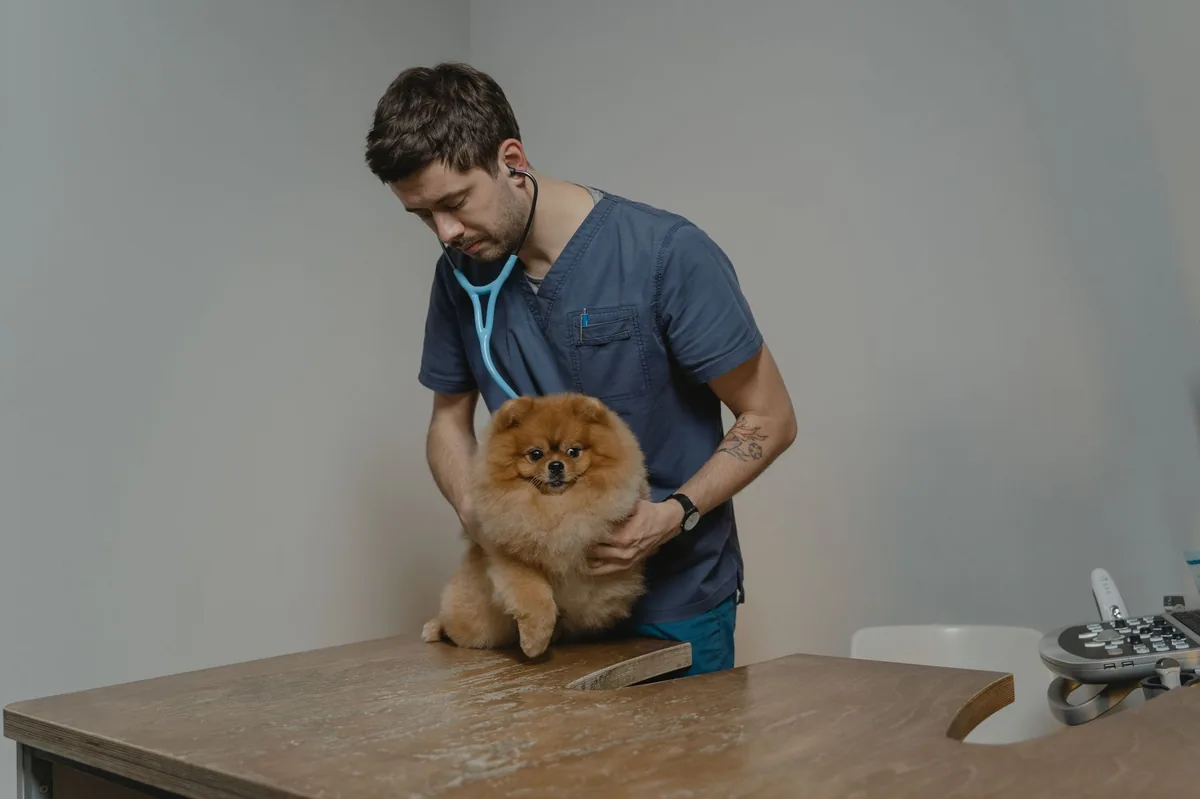
- Physical exam: The vet listens for abnormal heart sounds, checks for abdominal fluid, and may palpate a swollen abdomen.
- Blood work: CBC and chemistry panels can reveal anemia, elevated liver enzymes, or a low protein level that hints at internal bleeding.
- Thoracic radiographs (X‑rays): May show fluid around the heart (pericardial effusion) or nodules in the lungs.
- Echocardiogram (ultrasound of the heart): The most sensitive tool; it visualizes the mass, its size, and its effect on blood flow.
- Fine‑needle aspiration or biopsy: If fluid is present, a sample can be examined under a microscope for cancer cells.
- Advanced imaging (CT or MRI): Used to assess the extent of metastasis, especially in the liver or spleen.
Because the tumor is often fragile, a definitive diagnosis may rely on imaging combined with cytology rather than surgical removal alone.
Treatment options
Medical treatment
Medical management focuses on slowing tumor growth and controlling symptoms. Common drug classes include:
- Chemotherapy agents: Doxorubicin (Adriamycin) and carboplatin are the standard first‑line drugs for canine HSA. Your vet will determine the best protocol based on your dog’s health.
- Immunotherapy: Emerging treatments such as anti‑angiogenic agents (e.g., Palladia) are sometimes added to target blood‑vessel growth.
- Pain relief: NSAIDs (e.g., carprofen) and opioid analgesics (e.g., tramadol) are used to manage discomfort. Always ask your vet about the safest option for your dog.
- Supportive medications: Antiemetics (e.g., ondansetron) help control nausea from chemotherapy, and diuretics may reduce fluid buildup.
Supplements and supportive care
While supplements cannot cure hemangiosarcoma, a few have shown modest benefits for overall health:
- Omega‑3 fatty acids (EPA/DHA): May reduce inflammation and support cardiovascular health. Look for a high‑quality fish‑oil supplement approved for dogs.
- Antioxidants (vitamin E, selenium): Can help mitigate oxidative stress from chemotherapy, but should be used under veterinary guidance.
- Probiotics: Maintaining gut health can improve appetite and nutrient absorption during aggressive treatment.
Always discuss any supplement with your vet to avoid drug interactions.
Procedures or surgery
Surgical removal of the heart tumor (often called “right‑atrial mass excision”) is the only chance for a longer remission. The procedure requires a specialized cardiac surgeon and a thoracotomy (opening the chest). Recovery typically involves 1–2 weeks of confinement, pain medication, and close monitoring for arrhythmias.
Cost ranges (estimates):
| Region | Typical surgical cost | Post‑op care (first 2 weeks) |
|---|---|---|
| United States | $8,000–$12,000 | $1,200–$2,500 |
| United Kingdom | £5,500–£8,500 | £800–£1,400 |
Not every dog is a surgical candidate; factors such as tumor size, metastasis, and overall health determine eligibility.
Diet and nutrition
Nutrition plays a supportive role in maintaining strength during cancer treatment. While no diet can eradicate hemangiosarcoma, feeding a balanced, highly digestible diet helps your dog tolerate chemotherapy and recover from surgery.
Key principles:
- High‑quality protein: Easily digestible sources such as chicken, turkey, or fish provide the amino acids needed for tissue repair.
- Moderate fat: Omega‑3 enriched fats support cardiovascular health without overloading the liver.
- Limited simple carbs: Reducing excess sugars helps prevent spikes in insulin, which can influence tumor growth.
- Calorie adequacy: Maintain body condition; both weight loss and obesity can worsen outcomes.
If your vet recommends a therapeutic diet, you’ll often see options labeled “renal” or “oncologic.” These foods are formulated to be low in phosphorus and contain added antioxidants. We do not endorse specific brands, but reputable options from AAFCO‑approved manufacturers are a safe choice.
| Food category | Recommended | Limit | Avoid |
|---|---|---|---|
| Protein | High‑quality cooked chicken, turkey, fish | Dry kibble with >30 % protein | Low‑quality meat by‑products |
| Fats | Fish oil, flaxseed oil | Heavy‑fat treats | Excessive animal fat |
| Carbohydrates | Cooked sweet potato, pumpkin | White rice in large amounts | Table scraps high in sugar |
| Supplements | Omega‑3 EPA/DHA, probiotic blend | High‑dose antioxidant mixes | Unregulated herbal extracts |
Transition to a new diet gradually over 5–7 days: mix increasing portions of the new food with decreasing portions of the old. Offer smaller, more frequent meals if your dog is nauseous after chemotherapy.
Hydration is crucial. Fresh water should be available at all times, and low‑sodium broth can encourage intake if your dog is reluctant to drink.
For senior dogs with concurrent kidney or liver disease, discuss with your vet whether a specialized renal or hepatic diet is appropriate. The goal is to provide enough calories and protein without overloading compromised organs.
Cost and prognosis
Financial planning is an important part of caring for a dog with heart cancer. Below is a rough breakdown of typical expenses (all figures are estimates and can vary widely by clinic, region, and individual case):
| Item | United States (USD) | United Kingdom (GBP) |
|---|---|---|
| Initial work‑up (blood work, X‑ray, echo) | $1,200–$2,000 | £600–£1,200 |
| Surgical removal | $8,000–$12,000 | £5,500–£8,500 |
| Chemotherapy (6‑8 cycles) | $4,000–$7,000 | £3,000–£5,500 |
| Palliative care (pain meds, supplements) | $500–$1,200 | £300–£800 |
| Follow‑up visits (imaging, labs) | $300–$600 per visit | £150–£350 per visit |
Overall, owners can expect to spend anywhere from $13,000 to $20,000 (or £9,000–£14,000) for an aggressive treatment plan that includes surgery and chemotherapy. Some clinics offer payment plans, and pet‑insurance coverage varies; checking with your insurer early can help reduce out‑of‑pocket costs.
Prognosis depends heavily on stage at diagnosis:
- Stage I (tumor confined to heart, no metastasis): Median survival 6–12 months with surgery + chemotherapy.
- Stage II (local spread, early lung metastasis): Median survival 3–6 months with combined therapy.
- Stage III (extensive metastasis): Median survival 1–3 months; palliative care focuses on quality of life.
These numbers are averages; individual dogs may live longer or shorter depending on overall health, response to treatment, and supportive care.
Prevention and home care
Because hemangiosarcoma cannot be prevented with a vaccine, early detection and routine monitoring are the best tools.
- Annual wellness exams: For senior dogs (7 years+), include a cardiac auscultation and, if indicated, an echocardiogram.
- Watch for subtle changes: Decreased stamina, new coughing, or unexplained weight loss should prompt a vet call.
- Maintain a healthy weight: Obesity can strain the heart and may accelerate tumor growth.
- Limit exposure to carcinogens: Use pet‑safe flea/tick products, avoid tobacco smoke, and store chemicals out of reach.
- Regular blood work: CBC and chemistry panels can catch anemia or organ changes early.
At home, keep a diary of your dog’s activity level, appetite, and any coughing episodes. This record helps your vet spot trends and decide when imaging is needed.
For dogs undergoing treatment, provide a calm environment: soft bedding, easy access to water, and short, frequent walks instead of long outings. Gentle massage can improve circulation, but always ask your vet before trying any new therapy.
From our vet team: “If your dog is diagnosed with heart hemangiosarcoma, the most important thing is to stay close, ask lots of questions, and focus on comfort. Surgery offers the best chance for extra months, but chemotherapy and pain management are essential for quality of life. We’re here to help you navigate costs, side effects, and daily care—don’t hesitate to call your vet with any concern, no matter how small.”
Key takeaways
- Heart hemangiosarcoma is an aggressive cancer most common in large, senior dogs; early signs include sudden lethargy, coughing, and pale gums.
- Immediate veterinary evaluation is critical—call today for any new weakness, and go to an emergency clinic if your dog collapses or shows shock signs.
- Diagnosis relies on echocardiography, blood work, and sometimes fine‑needle aspiration; surgery plus chemotherapy offers the longest survival.
- Expect total treatment costs of $13,000–$20,000 (or £9,000–£14,000) for comprehensive care; discuss payment options and insurance early.
- Supportive nutrition—high‑quality protein, omega‑3 fats, and controlled calories—helps your dog tolerate treatment and maintain weight.
- Regular wellness exams, weight management, and monitoring for subtle changes are the best ways to catch HSA early and improve outcomes.
Myth vs. fact
Myth: Heart cancer can be cured with a single surgery.
Fact: Surgery removes the primary tumor but does not eliminate microscopic metastases; most dogs require additional chemotherapy or palliative care.
Myth: Only dogs with a family history get hemangiosarcoma.
Fact: While certain breeds have higher risk, most cases arise without a known hereditary link.
Myth: A blood test can reliably screen for heart cancer.
Fact: No blood test can definitively detect cardiac hemangiosarcoma; imaging (echo) is essential for diagnosis.
Frequently asked questions
What does heart cancer look like in dogs?
On an echocardiogram, the tumor appears as a mass attached to the inner wall of the heart chamber, often with irregular borders and sometimes causing fluid accumulation around the heart.
How quickly does hemangiosarcoma spread in a dog’s heart?
The tumor is highly vascular and can rupture within weeks; metastasis to the lungs, liver, or spleen often occurs within 1–3 months after the primary tumor is identified.
Can heart cancer be caught early with a blood test?
Blood work may show anemia or organ changes, but it cannot confirm a cardiac tumor. Early detection relies on routine cardiac imaging for senior, high‑risk dogs.
What are the side effects of chemotherapy for canine heart tumors?
Common side effects include temporary loss of appetite, mild vomiting, low white‑blood‑cell counts, and occasional mild liver enzyme elevations. Your vet will monitor blood work before each treatment cycle.
Is surgery an option for all dogs with heart hemangiosarcoma?
No. Surgery is limited to dogs whose tumor is confined to the heart without extensive metastasis and who are otherwise healthy enough to tolerate anesthesia and recovery.
How much should I expect to pay for treatment of heart cancer in my dog?
Comprehensive care—including diagnostics, surgery, chemotherapy, and follow‑up—typically ranges from $13,000 to $20,000 in the United States, or £9,000–£14,000 in the United Kingdom, but exact costs depend on your location and the specific treatment plan.
Ask the PuppaDogs community
Have a question this article didn’t fully answer? Want to compare notes with other dog owners who’ve been through this? Our community forum is moderated by experienced owners and vets — and answers tend to come fast. Ask in the PuppaDogs community →
References
- American College of Veterinary Internal Medicine (ACVIM). “Hemangiosarcoma: Diagnosis and Treatment Guidelines,” 2023.
- American Animal Hospital Association (AAHA). “Canine Cardiac Care Standards,” 2022.
- Merck Veterinary Manual. “Hemangiosarcoma (HSA) in Dogs,” latest edition.
- Veterinary Oncology Society. “Chemotherapy Protocols for Canine Hemangiosarcoma,” 2021.
- American Veterinary Medical Association (AVMA). “Pet Insurance and Cancer Care,” 2023.
- University of California, Davis Veterinary Medicine. “Echocardiography in Small Animals,” 2020.
- World Small Animal Veterinary Association (WSAVA). “Nutrition for Dogs with Cancer,” 2022.


