
















Quick take: Left anterior (first‑degree) heart block in dogs is a mild electrical delay that often causes no obvious illness, but it can progress to more serious rhythm problems. Most dogs live a normal life with regular monitoring; treatment may include medication, lifestyle tweaks, or a pacemaker in rare cases. Costs vary widely, so talk with your vet about options and insurance coverage.
It’s 9 p.m., and you’ve just noticed your senior golden retriever, Bella, isn’t hopping up to greet you at the door like she usually does. She’s lying on her favorite rug, breathing a little faster, and when you press gently on her gums, they look a shade paler than usual. A quick Google search later, the phrase “left anterior heart block in dogs” pops up, and a wave of worry washes over you.
You’re not alone. Many owners first hear the term “heart block” from a vet and wonder if it’s a ticking time‑bomb or just a mild hiccup. In this article we’ll break down exactly what left anterior (first‑degree) heart block is, how to spot it, what your vet will do to diagnose it, and which treatments—medical or surgical—might be needed. We’ll also cover diet tweaks, cost expectations, breed predispositions, and prevention tips so you can feel confident managing Bella’s heart health.
Read on for a step‑by‑step guide, practical checklists, and the reassurance that, with the right care, most dogs with this condition continue to enjoy happy, active lives.
What is left anterior (first‑degree) heart block in dogs?
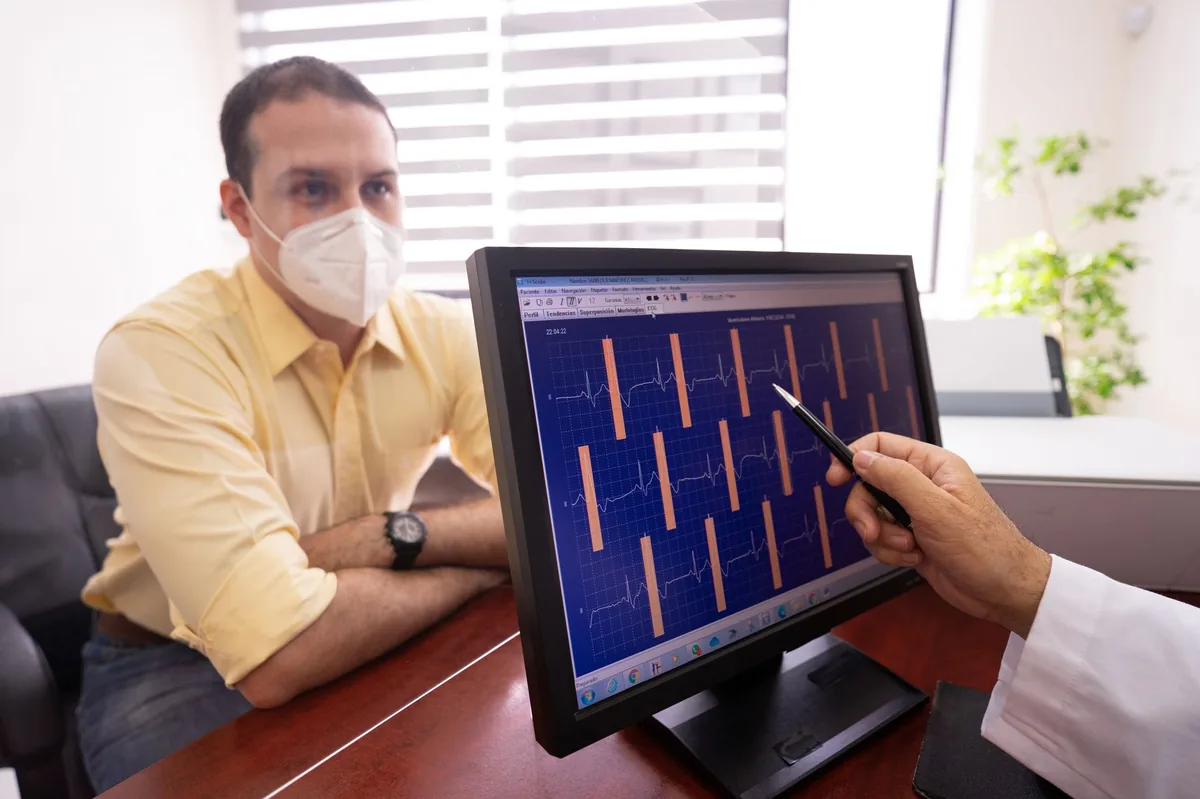
Left anterior heart block, also called first‑degree atrioventricular (AV) block, is a mild delay in the electrical signal that travels from the atria (the heart’s upper chambers) to the left side of the ventricles (the lower chambers). In a healthy heart, this signal passes through the AV node within 0.12–0.20 seconds. With left anterior block, the PR interval on an electrocardiogram (ECG) is prolonged—usually longer than 0.20 seconds—but every atrial beat still reaches the ventricles.
Because the ventricles still contract after each atrial beat, most dogs show no overt symptoms. The condition is relatively uncommon but not rare; studies from the American College of Veterinary Internal Medicine (ACVIM) estimate that about 1–2 % of dogs undergoing cardiac screening have a first‑degree block, with higher rates in senior and certain breed populations.
What causes left anterior heart block?
Several factors can lengthen the PR interval:
| Cause | Typical Mechanism | Notes |
|---|---|---|
| Age‑related degeneration | Fibrosis of the AV node slows conduction | Most common in dogs over 8 years |
| Congenital defects | Inherited abnormalities in the conduction system | Seen in certain breeds (see below) |
| Inflammatory heart disease | Myocarditis or endocarditis damages AV tissue | Often linked to infectious agents (e.g., Borrelia) |
| Medication side‑effects | Drugs like digoxin or certain anti‑arrhythmics can prolong PR | Usually reversible when drug is stopped |
| Electrolyte disturbances | High potassium or low calcium affect conduction | Corrected with lab work |
Breed predispositions include Boxers, Doberman Pinschers, and Labrador Retrievers, which have a slightly higher incidence of AV conduction abnormalities according to the American Kennel Club (AKC) health surveys.
Signs and symptoms
Because the heart still pumps effectively, many dogs are asymptomatic. When signs do appear, they tend to be subtle at first and progress with severity.
| Severity | Typical Signs |
|---|---|
| Mild | Occasional lethargy, slight exercise intolerance, faint cough after vigorous play |
| Moderate | More noticeable fatigue, reduced appetite, mild shortness of breath, occasional fainting (syncope) |
| Severe | Persistent weakness, rapid breathing at rest, pale gums, collapse, signs of heart failure (fluid in lungs or abdomen) |
Owners often first notice a change in stamina—like a beloved dog that used to sprint after a ball now prefers short, gentle walks. A faint, irregular heartbeat heard with a stethoscope, especially a “skipping” rhythm, can also be a clue.
When to call your vet
Call your vet today if you notice any of the moderate signs above—especially unexplained fatigue, reduced appetite, or a faint cough. Schedule a check‑up within 24–48 hours.
Go to an emergency veterinary hospital right now if your dog shows severe signs: pale or bluish gums, rapid shallow breathing, collapse, or obvious fluid accumulation in the chest or abdomen. These are red‑flag signs of heart failure that require immediate care.
Remember: this article provides general information and is not a substitute for professional veterinary evaluation.
How vets diagnose left anterior heart block
Diagnosis starts with a thorough history and physical exam. Your vet will listen for a regular but slightly prolonged heartbeat and may feel for a subtle “gap” between atrial and ventricular beats.
- Electrocardiogram (ECG): The gold standard. A standard 6‑lead ECG records the PR interval; a value >0.20 seconds confirms first‑degree block. The rhythm remains regular, and no dropped beats occur.
- Holter monitor: A 24‑hour ambulatory ECG can show whether the PR interval stays consistently prolonged or if higher‑grade blocks develop.
- Echocardiogram (ultrasound): Checks heart size, wall motion, and looks for underlying structural disease that could cause or worsen the block.
- Blood work: CBC, chemistry panel, and cardiac biomarkers (e.g., NT‑proBNP) help rule out anemia, electrolyte imbalances, or heart muscle injury.
- Chest X‑rays: May reveal fluid accumulation or an enlarged heart, especially if heart failure is suspected.
All these tests together let the veterinary team assess the severity, rule out secondary causes, and decide on a management plan.

Treatment options
Medical treatment
First‑degree block often does not need medication if the dog remains asymptomatic. When signs appear, the focus is on managing underlying contributors and supporting cardiac function.
- Beta‑blockers (e.g., atenolol): Reduce heart rate and improve filling time, helpful if the dog shows tachycardia or mild heart failure.
- ACE inhibitors (e.g., enalapril): Lower blood pressure and lessen the workload on the heart, commonly used in dogs with early heart remodeling.
- Anti‑arrhythmic drugs (e.g., sotalol): Considered only if the block progresses to second‑degree or higher; your vet will tailor dosing.
- Digoxin: Occasionally used for concurrent atrial fibrillation, but it can lengthen the PR interval, so careful monitoring is required.
All medications should be prescribed and dosed by your vet; ask your vet about each option and any potential side‑effects.
Supplements and supportive care
Evidence‑based supplements can aid a heart that’s working harder than usual:
- Omega‑3 fatty acids (EPA/DHA): Anti‑inflammatory and may improve cardiac output. Look for a canine‑specific fish‑oil supplement with at least 300 mg EPA per day for a 20 lb dog.
- Coenzyme Q10: Antioxidant that supports mitochondrial energy production; modest benefits reported in canine cardiomyopathy.
- Vitamin E: Another antioxidant that can be added if the diet is low in natural sources.
Supplements are adjuncts, not replacements for prescribed medication. Discuss any new supplement with your vet to avoid interactions.
Procedures or surgery
In the rare case that left anterior block progresses to a higher‑grade block (second‑degree or complete) and the dog shows signs of heart failure, a permanent pacemaker may be recommended. The procedure involves implanting a small device under the skin, with leads placed into the right ventricle. Recovery typically takes 1–2 weeks, and dogs usually resume normal activity after a few weeks of restricted exercise.
Pacemaker implantation costs range from $8,000–$12,000 USD (or £6,500–£9,500 GBP) in the United States and United Kingdom, respectively. Many pet insurance plans cover a portion of the expense if the condition is deemed “pre‑existing” or “chronic.”
Diet and nutrition
While there is no specific “heart‑block diet,” feeding a heart‑healthy diet can ease the workload on the cardiovascular system and support overall wellbeing.
| Do feed | Limit | Avoid |
|---|---|---|
| High‑quality protein from lean meat (chicken, turkey, fish) | Excessive sodium (table salt, processed treats) | High‑fat, greasy foods (fried scraps, fatty cuts) |
| Omega‑3 rich foods (salmon oil, sardines) | Large amounts of simple carbs (white rice, pasta) | Very high‑calorie treats that promote obesity |
| Fiber‑rich vegetables (pumpkin, green beans) for gut health | Excessive calcium supplements unless prescribed | Artificial additives and preservatives |
Key nutrition principles:
- Moderate sodium: Too much sodium raises blood pressure, which can aggravate heart strain. Choose kibble labeled “low‑sodium” or add a pinch of salt‑free broth for flavor.
- Balanced calories: Maintaining a healthy weight reduces cardiac workload. Use a body condition calculator to fine‑tune portions.
- Consistent feeding schedule: Regular meals help stabilize metabolic demands and avoid spikes in heart rate.
- Therapeutic diets: If your vet detects early heart remodeling, a prescription “cardiac” diet (e.g., low‑sodium, enriched with taurine and L‑carnitine) may be recommended. Brands differ by region, but the principle remains the same.
Transition to any new diet gradually over 7–10 days, mixing increasing amounts of the new food with decreasing amounts of the old. This helps avoid gastrointestinal upset, which could otherwise stress the heart.
Cost and prognosis
Financial considerations are an important part of long‑term care. Below are typical cost ranges in the United States and United Kingdom (prices are estimates and can vary by clinic, region, and insurance coverage).
| Service | US (USD) | UK (GBP) |
|---|---|---|
| Initial ECG and blood work | $150–$300 | £100–£200 |
| Holter monitor (24‑hr) | $250–$500 | £180–£350 |
| Echocardiogram | $300–$600 | £250–£500 |
| Medication (beta‑blocker, ACE inhibitor) – 6 mo supply | $80–$150 | £60–£120 |
| Pacemaker implantation (if needed) | $8,000–$12,000 | £6,500–£9,500 |
| Annual re‑check (ECG + blood work) | $250–$400 | £180–£300 |
Most dogs with first‑degree block have an excellent prognosis when the underlying cause is managed and regular monitoring is maintained. The median survival time for dogs that progress to higher‑grade blocks can range from 6 months to several years, depending on concurrent heart disease and the success of interventions such as pacemaker placement.
Prevention and home care
While you can’t change a dog’s genetic predisposition, you can lower the risk of progression and support heart health:
- Routine cardiac screening: Senior dogs (8 years+), especially breeds prone to conduction issues, should have an ECG at least yearly. Our dog‑questions‑answered guide explains what to expect.
- Maintain a healthy weight: Use a body‑condition scoring chart and adjust portions accordingly.
- Limit exposure to cardiotoxic drugs: Discuss any non‑vet prescribed medications (e.g., over‑the‑counter supplements) with your vet.
- Control heart‑stressors: Avoid extreme heat, over‑exertion, and high‑stress environments.
- Regular heart‑rate checks: At home, place your hand over the left chest wall; a normal resting rate for a medium‑sized dog is 60–120 beats per minute. Any sudden increase or irregular rhythm should prompt a vet call.
Keeping a simple log of activity level, appetite, and any coughing episodes can help your vet spot trends early.
Vet’s note
From our vet team: “First‑degree left anterior block is usually a manageable condition. The key is early detection and consistent follow‑up. If your dog’s lifestyle stays calm, weight stays ideal, and any underlying disease is treated, most pets live a full, happy life. Never hesitate to ask for a repeat ECG if you notice a new cough or a change in stamina.”
Key takeaways
- Left anterior (first‑degree) heart block is a mild electrical delay that often causes no obvious illness.
- Watch for subtle signs such as reduced stamina, a faint cough, or a slightly irregular heartbeat.
- Diagnosis relies on a prolonged PR interval on an ECG; a Holter monitor can track progression.
- Most dogs are managed with regular monitoring, low‑sodium diets, and, when needed, beta‑blockers or ACE inhibitors.
- Pacemaker surgery is reserved for progressing to higher‑grade blocks and carries a higher cost but can dramatically improve quality of life.
- Routine senior‑dog cardiac checks and weight control are the best preventive strategies.
Myth vs. fact
Myth: First‑degree heart block always leads to heart failure.
Fact: Many dogs with this condition remain asymptomatic for years; progression is not inevitable.
Myth: All dogs with heart block need a pacemaker.
Fact: Pacemakers are only indicated for second‑degree or complete blocks, or when first‑degree block causes severe symptoms despite medical therapy.
Myth: A low‑sodium diet will cure heart block.
Fact: Diet can support heart health but does not reverse the electrical delay; it’s part of a broader management plan.
Frequently asked questions
What does a left anterior heart block look like on an ECG in dogs?
It shows a uniformly prolonged PR interval—longer than 0.20 seconds—while the QRS complexes remain normal and no beats are dropped.
Can a dog with first‑degree heart block live a normal life?
Yes. Most dogs remain active and healthy, especially when the condition is monitored and any underlying disease is treated.
What medications are used to treat heart block in dogs?
Beta‑blockers (atenolol), ACE inhibitors (enalapril), and, in rare cases, anti‑arrhythmics like sotalol are commonly prescribed; dosages are individualized by your vet.
How often should a dog with heart block be re‑checked by a vet?
At least once a year for an ECG and blood work; more frequent (every 6 months) checks are advised if symptoms develop or the block progresses.
Is heart block hereditary in certain dog breeds?
Some breeds—Boxers, Dobermans, and Labrador Retrievers—show a higher incidence, suggesting a genetic component, but environmental factors also play a role.
What are the differences between first‑degree and second‑degree heart block in dogs?
First‑degree block delays every atrial impulse but conducts all of them; second‑degree block intermittently drops ventricular beats, leading to missed heartbeats and more pronounced clinical signs.
Ask the PuppaDogs community
Have a question this article didn’t fully answer? Want to compare notes with other dog owners who’ve been through this? Our community forum is moderated by experienced owners and vets — and answers tend to come fast. Ask in the PuppaDogs community →
References
- American College of Veterinary Internal Medicine (ACVIM) Consensus Statement on Cardiac Arrhythmias, 2022.
- American Animal Hospital Association (AAHA) Guidelines for Cardiac Care in Dogs, 2023.
- Merck Veterinary Manual, “Atrioventricular Block” chapter, 2021.
- American Veterinary Medical Association (AVMA) Pet Insurance Insights, 2022.
- World Small Animal Veterinary Association (WSAVA) Nutritional Recommendations for Cardiac Patients, 2021.
- American Kennel Club (AKC) Breed Health Survey – Cardiovascular Disorders, 2022.
- Cornell University College of Veterinary Medicine, “Canine Cardiology” online resource, accessed 2024.
- UC Davis Veterinary Medicine, “ECG Interpretation in Dogs,” 2023.


