














Quick take: Arterial hardening and blockage—also called arteriosclerosis or atherosclerosis—are rare but serious heart conditions in dogs. Early signs include reduced stamina, coughing, and pale gums; a vet will confirm the diagnosis with blood work and imaging. Treatment ranges from medication to surgery, and lifestyle changes can help slow progression.
It’s 9 p.m., and your 11‑year‑old Golden Retriever, Max, is lying on the couch, eyes half‑closed, and his usual enthusiastic tail wag is missing. You notice his gums look a little paler than the bright pink you’re used to. The Googling starts, and a flood of scary headlines about “blocked arteries” appears. You wonder: Is this something that can be fixed? How urgent is it? And what can you do to keep Max comfortable?
We understand how unsettling it feels to see a beloved companion slow down. In this article, we explain what hardening and blockage of the arteries in dogs really means, what to watch for, how vets diagnose it, and what treatment and prevention options exist. We’ll also cover costs, prognosis, and practical steps you can take at home.
By the end you’ll know the key signs, when to seek immediate care, and how to support a senior dog living with arterial disease.
What is hardening and blockage of the arteries in dogs?
Arterial hardening, medically termed arteriosclerosis, is the thickening and loss of elasticity in an artery wall. When fatty deposits called plaques accumulate, the condition is called atherosclerosis. Both reduce blood flow to vital organs, especially the heart. In dogs, these conditions are far less common than in humans, but they do occur, particularly in older, overweight, or genetically predisposed dogs.
According to the American College of Veterinary Internal Medicine (ACVIM), only a small fraction of canine necropsies reveal significant arterial plaque, but the numbers are rising as dogs live longer and obesity rates increase.
What causes it?
Arterial disease in dogs usually stems from a combination of factors. Below is a concise overview:
| Category | Typical Causes |
|---|---|
| Genetic predisposition | Breed‑related lipid metabolism traits (e.g., Miniature Schnauzers, Poodles) |
| Dietary factors | High‑fat, low‑fiber diets; excessive treats; obesity |
| Metabolic diseases | Diabetes mellitus, hypothyroidism, hyperlipidemia |
| Secondary conditions | Chronic inflammation, certain medications (e.g., steroids) |
While any dog can develop plaque, breeds with known lipid abnormalities—such as Miniature Schnauzers, Poodles, and some terriers—show higher rates. Lifestyle, including lack of exercise and poor diet, amplifies the risk.
Signs and symptoms
Arterial plaque often progresses silently. When blood flow is compromised, dogs display a range of signs that can mimic other heart or respiratory problems. Recognizing the pattern helps you decide when to act.
| Severity | Typical Signs |
|---|---|
| Early / mild | Reduced stamina, slight cough after play, occasional panting, mild weight loss |
| Moderate | Frequent coughing, labored breathing, pale gums, decreased appetite, fainting (syncope) |
| Severe | Collapse, severe shortness of breath, noticeable heart murmur, bluish gums or tongue, rapid heart rate |
Early signs often appear as a subtle “tiredness” that owners mistake for normal aging. As plaque builds, the heart must work harder, leading to the more alarming symptoms listed above.

When to call your vet
Call your vet today (non‑emergency) if you notice:
- Persistent mild cough or occasional shortness of breath
- Reduced enthusiasm for walks or play
- Pale gums after exertion
- Weight loss despite normal appetite
Go to an emergency clinic right now if your dog:
- Collapses or appears faint
- Has rapid, irregular heartbeat (palpitations)
- Shows bluish gums, tongue, or lips
- Is struggling to breathe at rest
These guidelines are for information only and do not replace a hands‑on veterinary exam.
How vets diagnose it
Diagnosing arterial hardening involves a stepwise workup:
- History and physical exam: The vet assesses activity level, coughing, and checks for heart murmurs or abnormal pulses.
- Blood work: A complete blood count (CBC) and chemistry panel look for anemia, cholesterol, and markers of organ function (AAHA guidelines).
- Imaging: Thoracic radiographs can reveal an enlarged heart or fluid in the lungs. An echocardiogram (ultrasound of the heart) visualizes valve function and can sometimes detect plaque in the coronary arteries.
- Advanced diagnostics: In select cases, a coronary angiogram or CT scan (available at specialty centers) directly visualizes blockages. These are usually reserved for dogs being considered for surgical intervention.
Each test adds a piece to the puzzle, allowing the vet to differentiate arterial disease from other cardiac conditions such as dilated cardiomyopathy or valvular disease.
Treatment options
Medical treatment
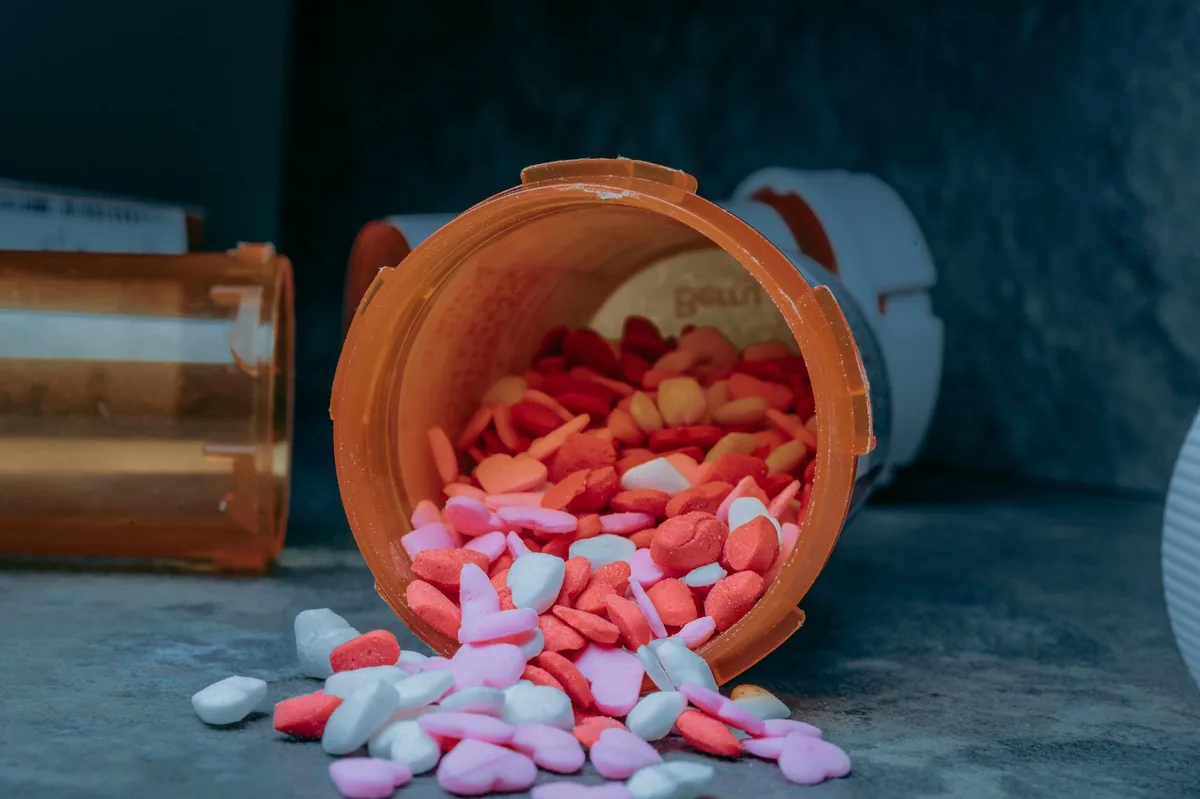
Most dogs respond to a combination of medications that reduce the heart’s workload and slow plaque progression. Common drug classes include:
- ACE inhibitors (e.g., enalapril) – lower blood pressure and reduce cardiac strain.
- Beta‑blockers (e.g., atenolol) – slow heart rate, making the heart more efficient.
- Statins (e.g., atorvastatin) – used in a few cases to lower cholesterol; ask your vet about this option.
- Antiplatelet agents (e.g., clopidogrel) – help prevent clot formation on existing plaques.
All dosages are weight‑based and must be prescribed by your veterinarian. Your vet will tailor the regimen to your dog’s specific condition and any concurrent illnesses.
Supplements and supportive care
Evidence supports certain supplements for dogs with heart disease:
- Omega‑3 fatty acids (EPA/DHA): Reduce inflammation and may improve blood flow. Look for veterinary‑grade fish oil.
- Coenzyme Q10: An antioxidant that supports cardiac energy production; beneficial in some heart‑failure cases.
- L‑carnitine: Helps the heart use fatty acids more efficiently, especially in breeds prone to dilated cardiomyopathy.
These supplements are adjuncts—not replacements—for prescription medication. Discuss dosing with your vet.
Procedures or surgery
When plaque causes critical blockage, interventional options exist, though they are specialized and costly:
- Coronary artery bypass graft (CABG): Rarely performed in dogs; involves rerouting blood flow around the blockage.
- Percutaneous transluminal angioplasty (PTA): A catheter‑based technique to widen narrowed arteries; sometimes paired with a stent.
- Balloon valvuloplasty: Used when plaque affects heart valves rather than coronary arteries.
Recovery from these procedures typically requires a 2‑4 week hospital stay, followed by strict activity restriction and lifelong medication. Costs can range from $8,000 to $25,000 (US) or £6,000‑£20,000 (UK), depending on the facility and complexity.
Diet and nutrition
Nutrition plays a pivotal role in managing and preventing arterial disease. While no single diet can “cure” atherosclerosis, a heart‑healthy eating plan can slow plaque buildup and improve overall cardiac function.
Key principles:
- Limit saturated fats: Reduce high‑fat treats, fatty cuts of meat, and excessive dairy.
- Increase omega‑3 sources: Add fish oil or omega‑3‑rich foods (e.g., salmon) to support vascular health.
- Choose moderate‑protein, high‑quality diets: Look for foods that list real meat first, contain digestible carbs, and meet AAFCO nutrient profiles.
- Control calories: Maintaining an ideal body condition index (BCI) helps lower blood pressure and cholesterol.
- Consider therapeutic renal or cardiac diets: Prescription foods formulated for heart health (low sodium, added taurine) are often recommended. Brands differ by region; ask your vet for a suitable option.
Below is a quick reference for feeding choices:
| Food Category | Do feed | Limit | Avoid |
|---|---|---|---|
| Commercial kibble | High‑quality, AAFCO‑approved | Grain‑free formulas with excess fat | Low‑quality “filler‑heavy” foods |
| Home‑cooked meals | Lean chicken, turkey, brown rice, veggies | Cooked fatty cuts, butter | Raw pork, high‑fat organ meats |
| Supplements | Veterinary‑grade fish oil (EPA/DHA) | Over‑the‑counter multivitamins | Human‑dose omega‑3 capsules |
When transitioning to a new diet, do so gradually over 7‑10 days to avoid gastrointestinal upset. Offer smaller, more frequent meals (e.g., 2–3 times daily) if your dog shows reduced appetite.
Staying hydrated is equally important; fresh water should always be available. If your dog has concurrent kidney disease, your vet may suggest a renal‑support diet that also benefits heart health.
For personalized guidance, our dog health calculators can help estimate ideal caloric intake based on weight, age, and activity level.
Cost and prognosis
Financial considerations are a real part of managing chronic heart disease. Below are average cost ranges for common interventions (US estimates; UK figures are similar after conversion):
| Service | Typical cost (USD) | Typical cost (GBP) |
|---|---|---|
| Initial veterinary exam + blood work | $200–$400 | £150–£300 |
| Echocardiogram | $300–$600 | £250–£500 |
| CT or angiography (specialist) | $1,200–$2,500 | £900–£2,000 |
| Medications (first year) | $400–$1,200 | £300–£900 |
| Surgical intervention (e.g., PTA) | $8,000–$25,000 | £6,000–£20,000 |
Many pet insurance plans cover diagnostic imaging and medical management, but surgical procedures are often partially covered or excluded. Review your policy details and discuss potential out‑of‑pocket costs with your vet.
Prognosis varies with severity and treatment adherence. Dogs with early‑stage plaque managed medically can enjoy a good quality of life for several years. In advanced cases requiring surgery, survival rates range from 60‑80 % at one year, with many dogs returning to a comfortable, albeit more limited, lifestyle.
Prevention and home care
While you can’t change genetics, you can influence many risk factors:
- Maintain a healthy weight: Aim for a body condition score of 4‑5/9.
- Exercise regularly: Daily walks, play sessions, or low‑impact activities keep circulation strong.
- Routine veterinary check‑ups: Annual heart exams and blood panels help catch early lipid changes.
- Monitor blood pressure: Hypertension can accelerate arterial damage; home monitors are available for dogs.
- Limit high‑fat treats: Choose low‑calorie chew toys or vegetable sticks instead.
For senior dogs, short, frequent walks are gentler on joints while still promoting cardiovascular health. Keep a symptom diary—note any coughing, changes in appetite, or energy level—and share it with your vet at each visit.
From our vet team: “If you catch arterial changes early, lifestyle changes and medication can keep your dog comfortable for years. The most crucial step is to act when you notice the first signs of fatigue or a new cough—don’t wait for a dramatic collapse.”
Key takeaways
- Arterial hardening (arteriosclerosis) and plaque buildup (atherosclerosis) are rare but serious, especially in senior, overweight, or breed‑predisposed dogs.
- Early signs include reduced stamina, mild coughing, and pale gums; severe signs require immediate emergency care.
- Diagnosis relies on blood work, echocardiography, and sometimes advanced imaging like CT scans.
- Medical management (ACE inhibitors, beta‑blockers, antiplatelets) plus omega‑3 supplements is the mainstay; surgery is reserved for critical blockages.
- Heart‑healthy diets low in saturated fat, rich in omega‑3s, and at a proper calorie level can slow disease progression.
- Regular vet check‑ups, weight control, and consistent exercise are the best preventive tools.
Myth vs. fact
Myth: Only large, working‑type dogs get heart artery disease.
Fact: While larger breeds can be affected, small and medium breeds—especially those with genetic lipid disorders—also develop arterial plaque.
Myth: A single “heart‑healthy” food will reverse existing plaque.
Fact: Nutrition can slow progression, but reversal typically requires a combination of diet, medication, and lifestyle changes under veterinary guidance.
Myth: If a dog looks fine, the arteries must be healthy.
Fact: Arterial hardening can be silent; routine veterinary screening is essential, especially for senior dogs.
Frequently asked questions
What are the early signs of arterial blockage in dogs?
Early signs include a subtle loss of stamina, occasional cough after activity, and slightly pale gums. Owners often notice their dog tiring sooner than before.
How do vets test for hardening of the arteries in dogs?
Vets start with a physical exam and blood work, then use an echocardiogram to assess heart function. Advanced imaging such as CT angiography may be employed to visualize coronary plaque directly.
Can diet reverse atherosclerosis in dogs?
Diet alone cannot fully reverse established plaque, but a low‑fat, omega‑3‑rich diet can slow further buildup and improve overall heart health when combined with medication.
Is arterial plaque surgery safe for senior dogs?
Surgical interventions carry higher risk in older dogs, but with proper pre‑operative assessment, many senior patients tolerate procedures like angioplasty successfully. Your vet will weigh risks versus benefits.
What medications are used to treat canine heart artery disease?
Commonly prescribed drugs include ACE inhibitors (enalapril), beta‑blockers (atenolol), antiplatelet agents (clopidogrel), and, in select cases, statins (atorvastatin). All dosing is individualized.
Which dog breeds are most at risk for arterial hardening?
Breeds with known lipid metabolism issues—such as Miniature Schnauzers, Poodles, and some terriers—show higher incidence. Obesity and diabetes increase risk across all breeds.
Ask the PuppaDogs community
Have a question this article didn’t fully answer? Want to compare notes with other dog owners who’ve been through this? Our community forum is moderated by experienced owners and vets — and answers tend to come fast. Ask in the PuppaDogs community →
References
- American College of Veterinary Internal Medicine (ACVIM). “Guidelines for the Diagnosis and Treatment of Canine Cardiovascular Disease.” 2022.
- American Animal Hospital Association (AAHA). “Veterinary Care Guidelines for Canine Heart Disease.” 2023.
- Merck Veterinary Manual. “Atherosclerosis in Dogs” chapter. 2021.
- American Veterinary Medical Association (AVMA). “Pet Nutrition and Heart Health.” 2022.
- World Small Animal Veterinary Association (WSAVA). “Guidelines on Canine Lipid Disorders.” 2023.
- Cornell University College of Veterinary Medicine. “Canine Heart Disease Overview.” 2022.
- UC Davis School of Veterinary Medicine. “Management of Canine Atherosclerosis.” 2021.


