













Quick take: Gastroenteritis in dogs is an inflammation of the stomach and intestines that often shows up as vomiting, diarrhea, and loss of appetite. Most cases are short‑lived and resolve with fluid therapy, a bland diet, and a few supportive meds, but dehydration or bloody stools signal a need for prompt veterinary care.
It’s 11 p.m. and your 4‑year‑old mixed‑breed Labrador, Bella, is lying on the couch, eyes half‑closed, and refuses to eat the kibble you just poured into her bowl. A few minutes later she vomits once, then starts to have soft, frequent stools that smell unusually foul. Your heart starts racing, you Google “dog vomiting and diarrhea,” and the first result mentions gastroenteritis. You wonder: is this something you can manage at home, or do you need to rush to the emergency clinic?
We get it—you’re worried about Bella’s comfort, the potential cost, and whether this could become a serious health issue. The good news is that most dogs bounce back from an acute bout of gastroenteritis with proper care. In this article we’ll explain what gastroenteritis is, why it happens, how to spot red‑flag signs, what your vet will do to diagnose it, and the step‑by‑step treatment plan—including at‑home care, diet tips, costs, and prevention strategies.
What is gastroenteritis in dogs?
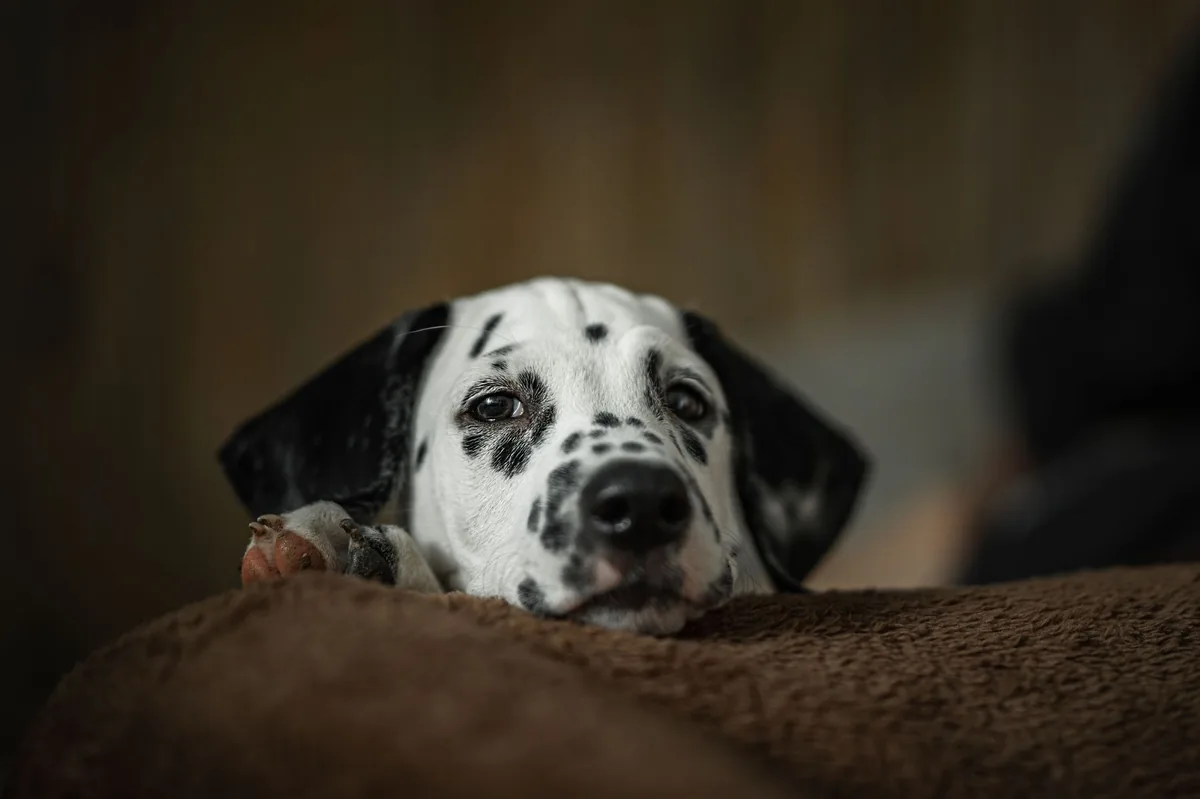
Gastroenteritis means inflammation of the stomach (gastritis) and the intestines (enteritis). In dogs it usually shows up as acute vomiting, diarrhea, or both, and can be triggered by anything that irritates the gastrointestinal (GI) lining. It’s a common reason for emergency‑room visits—AAHA estimates that up to 30 % of canine GI emergencies involve some form of gastroenteritis.
Most cases are “self‑limiting,” meaning the inflammation resolves within a few days once the irritant is removed and the gut gets a chance to heal. However, severe or untreated gastroenteritis can lead to dehydration, electrolyte imbalances, and, in rare cases, life‑threatening complications such as septicemia or intestinal perforation.
What causes gastroenteritis in dogs?
- Dietary indiscretion: Eating garbage, table scraps, spoiled food, or foreign objects.
- Infectious agents: Bacteria (e.g., Salmonella, Clostridium perfringens), viruses (parvovirus, canine coronavirus), and parasites (giardia, coccidia).
- Toxins: Ingesting chemicals, certain human medications (e.g., NSAIDs), or plants that irritate the gut.
- Stress: Changes in routine, travel, boarding, or a new family member can trigger a stress‑related GI upset.
- Underlying disease: Pancreatitis, inflammatory bowel disease, or endocrine disorders (e.g., Addison’s disease) can predispose a dog to gastroenteritis.
- Breed predisposition: While any breed can develop gastroenteritis, toy breeds and some herding dogs (e.g., Border Collies) are reported to have a slightly higher incidence of food‑related GI upset, according to AKC health surveys.
Signs and symptoms
| Severity | Typical signs |
|---|---|
| Mild | Occasional vomiting, soft stools, mild loss of appetite, slight lethargy. |
| Moderate | Frequent vomiting, watery diarrhea, noticeable dehydration (dry gums, skin tenting), fever (101‑103 °F), reduced activity. |
| Severe | Persistent vomiting, bloody or black (melena) stools, severe dehydration, abdominal pain, weakness, collapse, or seizures. |
In puppies, the signs often appear more abruptly and can include a “potty‑training regression” where the pup suddenly has accidents indoors. Senior dogs may show subtle signs such as a lingering lack of energy or a slight change in water consumption before a full‑blown episode.
When to call your vet
Call your vet today if:
- Vomiting or diarrhea persists more than 12 hours.
- Your dog shows mild dehydration (dry gums, slightly sunken eyes).
- There is a loss of appetite for over a day.
- Fever is present (temperature above 103 °F).
Go to an emergency veterinary hospital right now if you see any of these red‑flag signs:
- Bloody or black (tarry) stools.
- Continuous vomiting (more than 2‑3 episodes in an hour).
- Severe lethargy, collapse, or seizures.
- Signs of shock: very weak pulse, pale gums, rapid breathing.
This article is for informational purposes only and does not replace a hands‑on veterinary exam. If you’re ever unsure, err on the side of caution and contact your veterinarian.
How vets diagnose gastroenteritis in dogs
Diagnosing gastroenteritis starts with a thorough history: what your dog ate, recent travel, exposure to other animals, and stressors. The physical exam focuses on hydration status, abdominal tenderness, and temperature.
Typical lab work includes:
- Complete blood count (CBC): Checks for anemia, infection, or leukocytosis.
- Serum chemistry panel: Evaluates electrolytes (sodium, potassium), kidney and liver function.
- Urinalysis: Helps gauge dehydration.
- Fecal analysis: Looks for parasites, bacterial overgrowth, or viral antigens (e.g., parvovirus).
Imaging—abdominal radiographs or an ultrasound—helps rule out obstructions, intussusception, or masses that could mimic gastroenteritis. In some practices, a PCR panel on stool samples is used to pinpoint viral or bacterial culprits, following AVMA recommendations for evidence‑based diagnostics.
Treatment options
Medical treatment
Most dogs need fluid therapy to correct dehydration. This can be oral (electrolyte solutions) or, for moderate‑to‑severe cases, intravenous (IV) crystalloids administered by a vet.
Common drug classes include:
- Antiemetics: Maropitant (Cerenia) or ondansetron to stop vomiting.
- Antidiarrheals/probiotics: Metronidazole or a probiotic blend (e.g., Enterococcus faecium) to restore gut flora.
- Antibiotics: If a bacterial infection is suspected, broad‑spectrum agents such as amoxicillin‑clavulanate may be prescribed. Your vet will tailor the choice.
- Gastric protectants: Famotidine or sucralfate to reduce stomach irritation.
Ask your vet about each medication—dosage is weight‑based and varies with severity.
Supplements and supportive care
Adjunctive supplements can aid recovery, especially after the acute phase:
- Probiotics: Strains like Lactobacillus acidophilus support a balanced microbiome.
- Omega‑3 fatty acids (EPA/DHA): Reduce inflammation; a daily fish‑oil supplement can be added once vomiting stops.
- Electrolyte solutions: Products such as Pedialyte (unflavored) can be offered in small sips when the dog is drinking.
These are not substitutes for veterinary‑prescribed meds, but they can smooth the road to full health.
Procedures or surgery
Rarely, gastroenteritis can be complicated by an intestinal blockage or intussusception (telescoping of the intestine). In such cases, surgical intervention is required to remove the obstruction and restore normal flow. Recovery from gastrointestinal surgery typically involves a 1‑ to 2‑week hospital stay, followed by a gradual return to a bland diet. Costs can range from $2,500 to $5,000 in the United States, according to the PuppaDogs cost guide.
Diet and nutrition
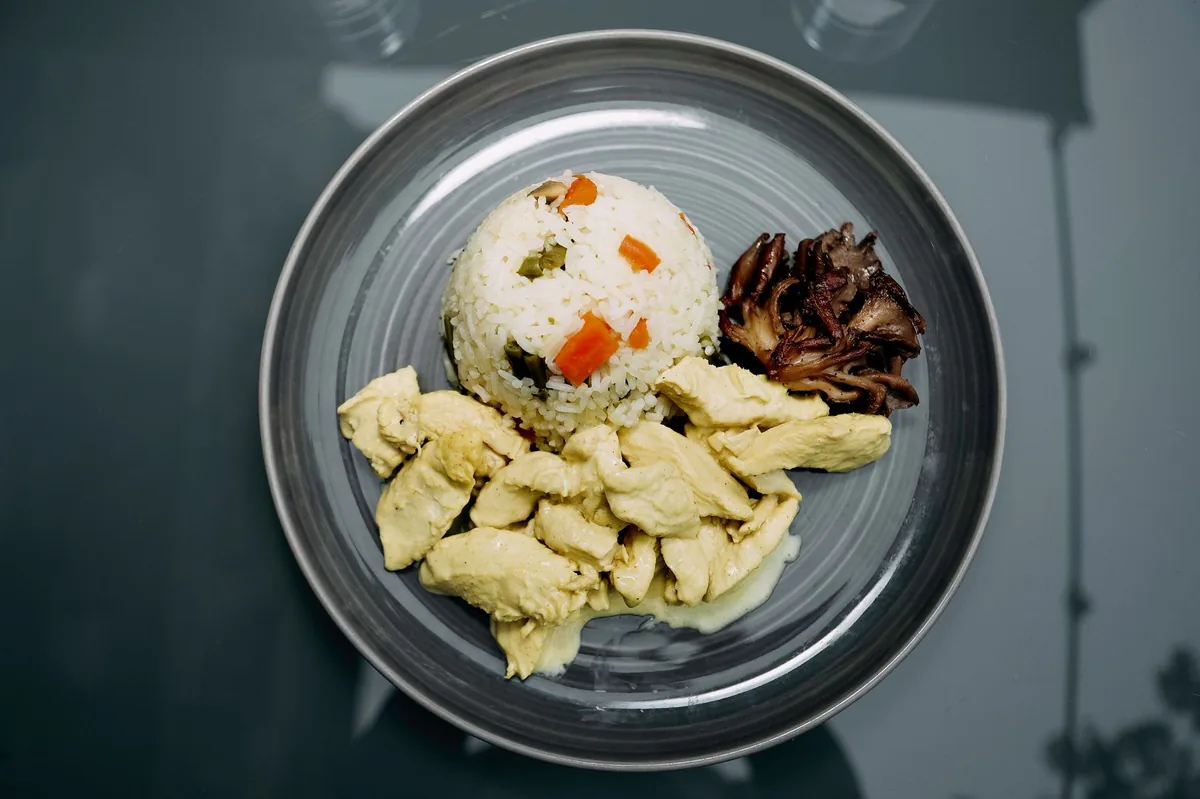
Feeding the right foods speeds up gut healing and prevents further irritation. The classic “bland diet”—boiled skinless chicken and white rice—provides easily digestible protein and carbohydrates without excess fat.
Here’s a practical feeding plan:
- 24 hours after vomiting stops: Offer small amounts (1‑2 Tbsp) of the bland diet every 2‑3 hours.
- Day 2‑3: If stools are firm, increase to ½ cup meals three times daily.
- Day 4‑5: Gradually re‑introduce your dog’s regular kibble, mixing 25 % kibble with 75 % bland diet, then 50/50, and finally 100 % kibble over 2‑3 days.
Prescription gastrointestinal diets (e.g., Hill’s i/d, Royal Canin Gastrointestinal) are formulated with highly digestible proteins, pre‑biotic fibers, and reduced fat. Your vet can recommend one if your dog needs longer‑term support.
| Do feed | Limit | Avoid |
|---|---|---|
| Boiled chicken, white rice, plain pumpkin puree, low‑fat cottage cheese | Plain yogurt (if lactose‑intolerant), small amounts of canned pumpkin | Fatty meats, dairy (cheese, milk), spicy foods, raw bones, table scraps |
| Prescription GI diet (as advised) | High‑fiber treats | Raw food diets with high fat, onions, garlic, grapes, raisins |
Always provide fresh water. If your dog is reluctant to drink, try offering water at room temperature, adding a splash of low‑sodium broth, or using an electrolyte solution.
Cost and prognosis
Typical out‑of‑pocket costs in the United States (estimated ranges):
| Service | Cost (USD) |
|---|---|
| Initial exam | $50‑$100 |
| CBC + chemistry panel | $100‑$200 |
| Fecal analysis | $30‑$80 |
| Abdominal X‑ray | $150‑$300 |
| IV fluid therapy (per day) | $150‑$300 |
| Medications (antiemetic, antibiotic) | $20‑$100 |
| Full treatment (average 2‑day stay) | $500‑$1,200 |
In the United Kingdom, similar services typically cost £40‑£150 for exams and labs, and £80‑£250 per day for IV fluids, according to the Royal Veterinary College.
Prognosis is excellent for most dogs—up to 95 % recover fully when treated promptly. Senior dogs or those with underlying disease may need longer hospitalization and have a slightly higher risk of complications, but even then many return to their normal life with appropriate care.
Prevention and home care
- Manage diet carefully: Avoid free‑feeding, keep trash out of reach, and limit table scraps.
- Vaccinate: Parvovirus vaccination (AAHA 2022 schedule) protects against a severe viral cause of gastroenteritis.
- Regular deworming: Follow AVMA parasite control guidelines to reduce giardia and coccidia risks.
- Stress reduction: Maintain a consistent routine, provide safe chew toys, and use calming pheromone diffusers if travel or new environments cause anxiety.
- Hygiene: Wash hands after handling waste, clean food bowls daily, and disinfect surfaces with pet‑safe cleaners.
- Probiotic prophylaxis: For dogs with recurrent GI upset, a daily probiotic supplement (as recommended by your vet) can help maintain a healthy gut flora.
For quick reference on fluid needs, you can use our hydration calculator to estimate how much water your dog should be getting each day.
From our vet team: “If your dog shows any sign of blood in the stool or can’t keep fluids down, don’t wait. Early IV fluid therapy and targeted meds are the difference between a quick recovery and a serious emergency.”
Key takeaways
- Gastroenteritis usually resolves with fluids, a bland diet, and short‑term meds, but watch for dehydration and bloody stools.
- Call your vet if vomiting or diarrhea lasts more than 12 hours, or if your dog shows any red‑flag signs such as blood, weakness, or fever.
- Begin home care with small, frequent meals of boiled chicken and rice once vomiting stops, and keep fresh water available.
- Typical treatment costs range from $500 to $1,200 for a 2‑day stay; surgery for complications can exceed $5,000.
- Prevent future episodes by feeding a consistent diet, keeping vaccinations up‑to‑date, and minimizing stress.
Myth vs. fact
Myth: “All dogs will get better on their own if they just rest.”
Fact: Most dogs improve with rest, but without fluid replacement they can become dangerously dehydrated within hours.
Myth: “Gastroenteritis is always caused by eating something bad.”
Fact: Infections, parasites, stress, and underlying disease can also trigger gastroenteritis, even in dogs that eat a perfectly balanced diet.
Myth: “A bland diet cures gastroenteritis forever.”
Fact: A bland diet supports recovery, but the underlying cause must be identified and treated to prevent recurrence.
Frequently asked questions
How much does veterinary care for dog gastroenteritis usually cost?
Typical expenses include a $50‑$100 exam, $100‑$200 for blood work, $30‑$80 for stool testing, and $150‑$300 per day for IV fluids; overall most owners spend $500‑$1,200 for a short hospital stay.
Is gastroenteritis contagious between dogs?
Yes, infectious forms—especially viral (parvovirus, canine coronavirus) and bacterial (Salmonella)—can spread through feces, contaminated water, or shared toys. Good hygiene and up‑to‑date vaccinations reduce the risk.
What home remedies are safe for dog gastroenteritis?
Safe at‑home steps include offering small amounts of water or an electrolyte solution, feeding a bland diet of boiled chicken and rice, and using vet‑approved probiotics. Avoid over‑the‑counter anti‑diarrheal medications unless your vet specifically recommends them.
How long does gastroenteritis last in dogs?
Most acute cases resolve within 3‑5 days with proper care. Severe infections or complications can extend the illness to 1‑2 weeks.
Can stress cause gastroenteritis in dogs?
Stress can trigger a “stress‑related gastroenteritis,” especially in dogs that are highly sensitive to changes in routine, travel, or new environments. Managing anxiety with consistent schedules and calming aids can help prevent episodes.
What is the prognosis for senior dogs with gastroenteritis?
Senior dogs recover well if treated promptly, but they are more prone to dehydration and may need longer hospitalization. Early veterinary intervention improves outcomes, with most seniors returning to normal activity within a week.
Ask the PuppaDogs community
Have a question this article didn’t fully answer? Want to compare notes with other dog owners who’ve been through this? Our community forum is moderated by experienced owners and vets — and answers tend to come fast. Ask in the PuppaDogs community →
References
- AAHA 2023 Canine Vaccination Guidelines.
- Merck Veterinary Manual, “Gastroenteritis” entry.
- AVMA Guidelines on Fluid Therapy in Small Animals.
- American College of Veterinary Internal Medicine (ACVIM), “Infectious Gastrointestinal Diseases” consensus statement.
- World Small Animal Veterinary Association (WSAVA) Nutrition Guidelines for Gastrointestinal Health.
- University of California, Davis School of Veterinary Medicine, “Canine Diarrhea” fact sheet.
- Royal Veterinary College, “Cost of Veterinary Care” 2022 report.
- American Kennel Club (AKC), Breed Health Survey data.


