





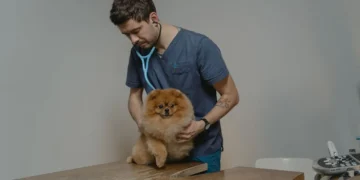









Quick take: Eyeworm infection in dogs is usually treatable, but it can cause eye irritation, tearing, and, if left unchecked, damage to the cornea. Early detection and prompt veterinary care keep your pup’s eyes healthy and comfortable.
It’s 9 p.m., and you’ve just noticed your usually‑bright Boxer blinking more than usual, his eyes a little cloudy, and a thin string‑like filament hanging from the corner of one eye. Your heart races as you wonder if this could be something serious. You grab your phone and start Googling “eyeworms in dogs.”
First‑time worries are normal—especially when it involves a delicate organ like the eye. The good news is that eyeworm infection (caused by tiny nematodes of the genus Thelazia) is uncommon, but it’s not unheard of, and most cases respond well to simple medication. In this guide we’ll explain what eyeworms are, how dogs pick them up, what signs to watch for, when you need to call the vet, and how to treat and prevent future infections. We’ll also cover diet tips that support eye health, typical costs, and what you can expect during recovery.
What is eyeworm infection in dogs?
Eyeworm infection, medically termed Thelazia infestation, occurs when tiny parasitic worms take up residence on the surface of a dog’s eye—usually the conjunctiva, tear ducts, or the cornea. These flat, white worms range from 1 to 15 mm in length, depending on the species. They feed on tears and tissue fluids, which can lead to irritation, inflammation, and secondary bacterial infections.
While the condition is more common in tropical and subtropical regions, it has been reported in temperate climates worldwide, especially in dogs that spend time outdoors or travel to endemic areas. According to the American Animal Hospital Association (AAHA), eyeworm infection accounts for a small fraction of ocular complaints—estimated at less than 1 % of all eye‑related vet visits in the United States.
What causes it?
Eyeworms are transmitted by intermediate hosts—tiny flies that feed on the eyes of animals. The most frequent carriers are:
| Intermediate host | Typical environment | Transmission to dogs |
|---|---|---|
| Face flies (Musca orientalis) | Warm, humid areas; farms | Fly lands on eye, deposits larvae while feeding on tears |
| Fruit flies (Drosophila species) | Gardens, orchards | Larvae carried on fly mouthparts enter eye |
| Other dipteran insects | Varies | Similar mechanical transfer of larvae |
Key risk factors include:
- Living in or traveling to regions with high fly activity (e.g., Southeast Asia, parts of Europe, and the southern United States).
- Spending long periods outdoors, especially in fields, farms, or near bodies of water where flies breed.
- Poor eye hygiene—dogs that frequently rub their eyes or have excessive tearing are more attractive to flies.
- Young or immunocompromised dogs, which may be less able to clear larvae.
Signs and symptoms
Because the worms are tiny, early infection can be subtle. Look for the following signs, progressing from mild to severe:
| Severity | Typical signs |
|---|---|
| Mild | Increased tearing, occasional blinking, mild redness (conjunctivitis) |
| Moderate | Visible white strands in the tear film, crusty discharge, frequent rubbing of the eye |
| Severe | Corneal ulcers, ulcerated or scarred cornea, cloudiness, vision loss, intense pain |
Owners often first notice a “stringy” material in the eye or a persistent watery discharge that doesn’t improve with a routine wipe. If left untreated, the worms can cause permanent scarring of the cornea, leading to chronic discomfort or blindness.
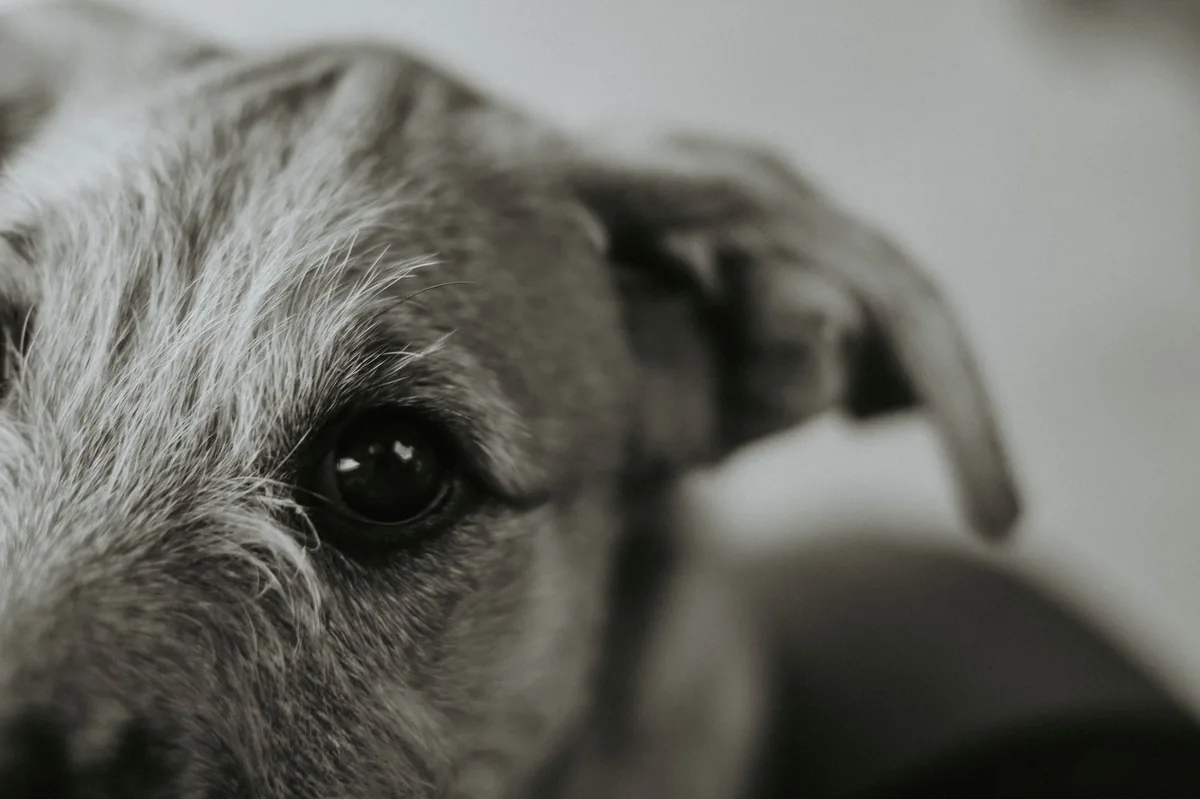
When to call your vet
Call your vet today if you notice any of the following:
- Persistent tearing or discharge lasting more than 24 hours.
- Visible white or translucent strands in the eye.
- Frequent rubbing or pawing at the eye.
- Redness, swelling, or mild cloudiness of the cornea.
Go to an emergency veterinary clinic right now if you see any sign of severe pain or vision loss, such as:
- Sudden cloudiness or a white spot on the cornea.
- Bleeding or ulceration of the eye.
- Your dog keeps the eye closed and appears distressed.
This article is for informational purposes only and does not replace a professional veterinary examination.
How vets diagnose it
During the exam, your veterinarian will:
- Take a detailed history—including travel, outdoor exposure, and any recent fly infestations.
- Perform a thorough eye exam using a slit‑lamp or an ophthalmoscope to look for worms, inflammation, or corneal damage.
- Collect a sample by gently flushing the eye with sterile saline. The fluid is examined under a microscope to identify the characteristic Thelazia larvae or adult worms.
- Rule out secondary infections by taking a swab for bacterial culture if there’s a lot of discharge.
In most cases, the presence of the worm itself is enough for a definitive diagnosis. Additional imaging (e.g., ultrasound) is rarely needed unless there’s suspicion of deeper ocular involvement.
Treatment options
Medical treatment
The primary therapy is a topical antiparasitic medication. The most commonly prescribed agents include:
- Milbemycin oxime (often part of a broad‑spectrum heartworm preventive) – kills the larvae.
- Emodepside in a topical formulation – effective against adult worms.
- Topical ophthalmic solutions containing pimobendan or ivermectin – used in some regions under veterinary guidance.
These medications are applied directly to the affected eye(s) once or twice daily for several days, depending on the product. Your vet will tailor the regimen to your dog’s weight and severity of infection. Ask your vet about this option if you’re unsure which product is appropriate.
Supplements and supportive care
While no supplement can replace antiparasitic drugs, a few can help the eye heal faster:
- Omega‑3 fatty acids (EPA/DHA) – found in fish oil, these support anti‑inflammatory processes and may reduce ocular redness.
- Vitamin A‑rich foods – carrots, sweet potatoes, and liver provide retinal support, but should be given as part of a balanced diet, not in excess.
- Probiotics – a healthy gut can bolster overall immunity, helping the body clear parasites more efficiently.
Introduce supplements only after discussing them with your vet, especially if your dog is on other medications.
Procedures or surgery
In rare, severe cases where the cornea is ulcerated or scarred, a veterinary ophthalmologist may need to perform a corneal debridement or a minor surgical removal of embedded worms. Recovery from such procedures typically involves a few weeks of topical antibiotics, anti‑inflammatories, and protective eye patches. Costs for surgical intervention can range from $800 to $1,500 (US) or £600‑£1,200 (UK), depending on the clinic and the complexity of the case.
Diet and nutrition
Good nutrition supports the immune system and helps maintain healthy ocular tissues. While no diet can prevent an eye‑worm infection outright, certain feeding strategies can reduce the risk of secondary complications and promote faster healing.
Foods to favor are those rich in antioxidants, omega‑3 fatty acids, and high‑quality protein. Antioxidants such as lutein, zeaxanthin, and vitamin E protect the retina from oxidative stress. Omega‑3s, especially EPA and DHA, dampen inflammation in the eye and support tear production.
Consider incorporating these ingredients into your dog’s meals:
- Fish (salmon, sardines) – excellent source of EPA/DHA.
- Eggs – provide high‑bioavailability protein and vitamin A.
- Leafy greens (spinach, kale) – contain lutein and zeaxanthin.
- Sweet potatoes – supply beta‑carotene (a vitamin A precursor) and fiber.
If you feed a commercial kibble, look for formulas that meet AAFCO standards and list high‑quality animal protein as the first ingredient. Some “therapeutic” diets (e.g., renal or ophthalmic support formulas) include added omega‑3s and antioxidants, but they are not required unless your vet recommends them for a specific condition.
Foods to limit or avoid include:
| Do feed | Limit | Avoid |
|---|---|---|
| Fresh fish (cooked, boneless) | High‑fat treats | Raw fish with parasites |
| Lean meats | Excessive dairy | Processed meats with additives |
| Vegetables with antioxidants | Table scraps high in salt | Chocolate, onions, garlic |
When your dog is recovering from an eyeworm infection, keep meals small and frequent to avoid any strain on the ocular muscles during chewing. A soft, highly digestible diet (e.g., boiled chicken with rice) can be easier on the eyes if the dog is reluctant to chew hard kibble.
Transition to any new diet gradually over 5‑7 days—mix increasing amounts of the new food with decreasing amounts of the old. This helps prevent gastrointestinal upset, which could otherwise complicate recovery.
Hydration is equally important. Encourage fresh water intake, and consider adding a splash of low‑salt bone broth to the bowl for extra electrolytes and flavor.
Cost and prognosis
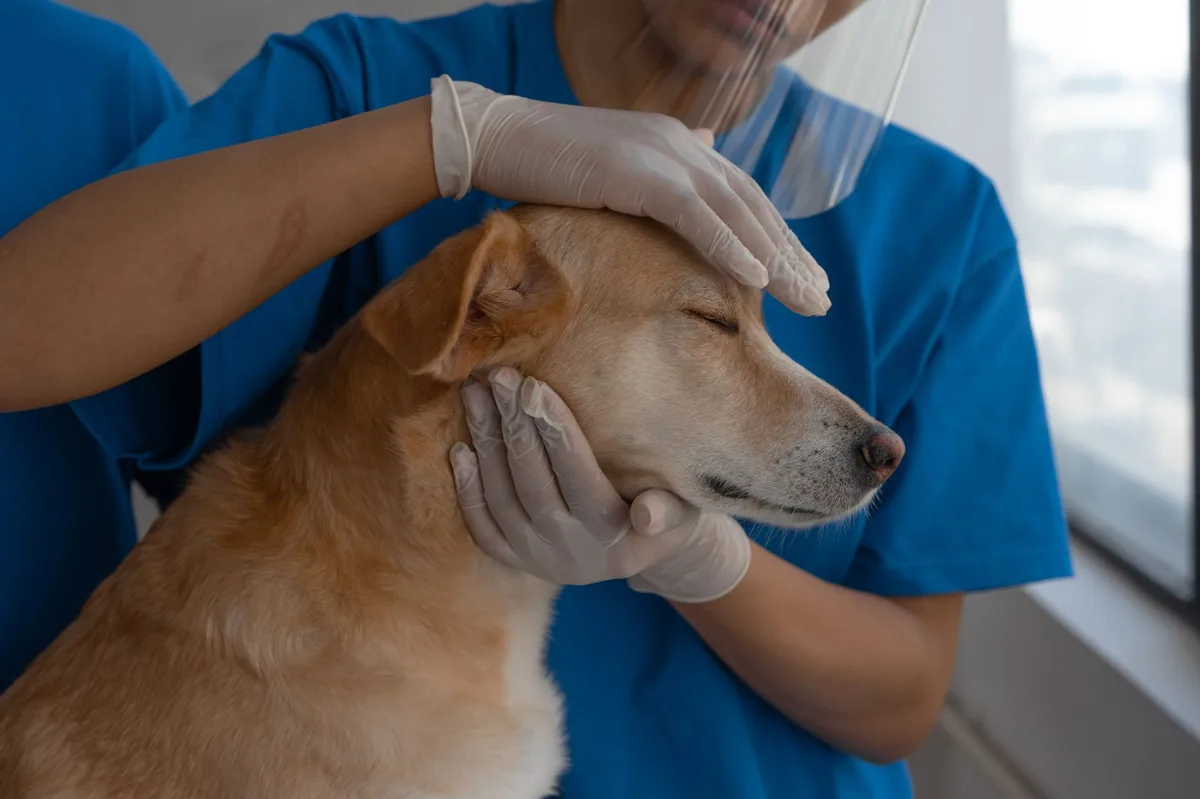
Typical costs for non‑surgical treatment in the United States range from $150 to $400, which includes the veterinary exam, diagnostic sampling, and a course of topical antiparasitic medication. In the United Kingdom, the price is roughly £120‑£300. If surgery or advanced ophthalmic care is required, expenses can rise to $800‑$1,500 (US) or £600‑£1,200 (UK).
Prognosis is excellent when the infection is caught early. Most dogs regain normal vision within a week of treatment, and the worms are fully cleared. In severe cases with corneal scarring, vision may be partially reduced, but many dogs adapt well with the help of lubricating eye drops.
Follow‑up appointments are usually scheduled 1‑2 weeks after treatment to confirm eradication and to assess any lingering inflammation. The overall success rate reported by the American College of Veterinary Ophthalmology (ACVO) is over 90 % for uncomplicated cases.
Prevention and home care
Preventing eyeworm infection centers on reducing fly exposure and maintaining eye hygiene:
- Limit outdoor time during peak fly activity (dawn and dusk) in endemic regions.
- Use fly repellents approved for dogs—products containing permethrin or pyrethrins can deter flies, but verify safety with your vet.
- Keep the environment clean—remove animal waste, stagnant water, and overgrown vegetation where flies breed.
- Regular eye checks—gently lift the upper eyelid and look for any discharge or foreign material during routine grooming.
- Annual veterinary wellness exams—your vet can screen for ocular parasites and advise on region‑specific preventive measures.
For dogs that travel frequently, especially to tropical destinations, discuss prophylactic eye‑worm medication with your vet before departure. The our experts page offers contacts for specialists who can tailor a travel health plan.
From our vet team: Early detection is the key to a quick, painless recovery. If you notice any unusual eye discharge or a “stringy” filament, don’t wait—schedule a vet visit. Most eyeworm infections clear with a short course of medication, and your dog will be back to chasing balls in no time.
Key takeaways
- Eyeworms are tiny parasites that live on the surface of a dog’s eye and cause irritation, tearing, and possible corneal damage.
- Flies are the main vectors; limiting fly exposure and keeping eyes clean are the best preventive measures.
- Visible white strands, persistent discharge, or red eyes warrant a vet visit today; severe pain or vision loss requires emergency care.
- Treatment usually involves a short course of topical antiparasitic medication, often combined with anti‑inflammatory eye drops.
- Support healing with an omega‑3‑rich diet, antioxidants, and plenty of fresh water.
- Costs range from $150‑$400 for medication alone to over $800 if surgery is needed, and prognosis is excellent when treated early.
Myth vs. fact
Myth: Eyeworm infection is always caused by a dog eating contaminated food.
Fact: The worms are transmitted by flies that deposit larvae directly onto the eye; ingestion of food is not the primary route.
Myth: All eye problems in dogs are due to eyeworms.
Fact: Many ocular issues (conjunctivitis, allergies, injuries) mimic eyeworm symptoms, so a veterinary exam is essential for accurate diagnosis.
Frequently asked questions
Can eyeworms spread to other dogs in the household?
Yes, if flies that have visited an infected dog then land on another dog’s eye, they can transfer larvae. Keeping flies away from all pets and maintaining good hygiene reduces this risk.
Is the infection contagious to humans?
Human infection is extremely rare and typically occurs only in regions where the specific fly species also bites people. Practicing standard fly control measures protects both dogs and owners.
How long does treatment take?
Most topical antiparasitic regimens last 5‑7 days, with a follow‑up exam a week later to confirm clearance. Dogs often feel relief within 24‑48 hours of the first dose.
Will my dog need special eye drops after treatment?
Veterinarians often prescribe a short course of anti‑inflammatory eye drops (e.g., cyclosporine or steroid‑based) to soothe irritation and prevent secondary infection. Your vet will tailor the plan to your dog’s specific needs.
What is the expected cost for a routine eyeworm treatment?
In the United States, a standard exam plus medication typically costs between $150 and $400. In the United Kingdom, expect £120‑£300. Prices can vary based on clinic location and whether additional diagnostics are needed.
Can I prevent eyeworms with a monthly heartworm preventive?
Some heartworm preventives (e.g., milbemycin oxime) also have activity against eyeworm larvae, but protection is not guaranteed. Discuss the best preventive strategy with your vet, especially if you travel to high‑risk areas.
Ask the PuppaDogs community
Have a question this article didn’t fully answer? Want to compare notes with other dog owners who’ve been through this? Our community forum is moderated by experienced owners and vets — and answers tend to come fast. Ask in the PuppaDogs community →
References
- American Animal Hospital Association (AAHA). “Canine Ophthalmology Guidelines.” 2023.
- American College of Veterinary Ophthalmology (ACVO). “Thelazia (Eyeworm) Infection in Dogs.” 2022.
- Merck Veterinary Manual. “Eye Worms (Thelazia spp.)” Chapter on Parasitic Diseases.
- World Small Animal Veterinary Association (WSAVA). “Parasitic Eye Diseases.” 2021.
- American Veterinary Medical Association (AVMA). “Fly‑borne Parasites and Prevention.” 2023.
- University of California, Davis School of Veterinary Medicine. “Fly Vectors of Canine Ocular Parasites.” 2022.
- AAFA. “Nutritional Support for Ocular Health in Dogs.” 2023.
- Cost.puppadogs.com. “Veterinary Procedure Cost Estimates.” Accessed July 2026.


