












Quick take: Excessive drooling in dogs—also called sialorrhea—can be harmless or a warning sign of a serious problem. Look at the drool’s color, consistency, and any accompanying symptoms, and call your vet promptly if you notice anything unusual.
It’s 9 p.m., and your usually‑bouncy Boxer is lying on the couch, tongue lolling out, a thin stream of saliva pooling on the rug. You’ve never seen him drool like this before, and a quick Google search later you’re wondering: “Is this normal?” You’re not alone. Many owners first notice the issue when a dog’s drool becomes more abundant than the occasional lick after a meal.
We get it—drooling can feel like a small mystery or a looming emergency. The good news is that most cases have an easy explanation, and a clear plan can get your pup back to his regular self. In this guide we’ll define what “excessive drooling” really means, walk through the most common causes, show you how to spot red‑flag symptoms, explain what your vet will check, and outline treatments, costs, and prevention tips. By the end you’ll know exactly what to do tonight and how to keep drooling under control tomorrow.
What is excessive drooling in dogs?
Drooling, or salivation, is a normal way dogs keep their mouths moist, aid digestion, and protect oral tissues. Most dogs produce a small amount of saliva that you might notice after a big meal or on a hot day. Excessive drooling—technically called sialorrhea—means the saliva is more abundant, runs continuously, or appears in situations where a healthy dog would normally have little to none.
Veterinarians estimate that about 5–10 % of dogs seen for routine exams have some form of sialorrhea at one point in their lives. The condition is not a disease itself but a symptom that can arise from a wide range of local (mouth‑related) or systemic (whole‑body) issues. Understanding whether the drooling is a benign response or a signal of an underlying problem is the first step in getting appropriate care.
What causes excessive drooling in dogs?
Causes fall into three broad categories: environmental/behavioral, oral‑local, and systemic illnesses. Below is a quick reference.
| Category | Common Causes | Typical Triggers |
|---|---|---|
| Environmental / Behavioral | Heat stress, anxiety, excitement, certain foods | Hot weather, car rides, fireworks, high‑fat treats |
| Oral‑Local | Dental disease, oral tumors, foreign bodies, tongue injuries | Poor dental hygiene, chewing on sticks, trauma |
| Systemic Illness | Poisoning (e.g., nicotine, pesticides), nausea, liver or kidney disease, neurological disorders, endocrine disorders (e.g., Addison’s disease) | Ingestion of toxins, underlying organ disease, infections |
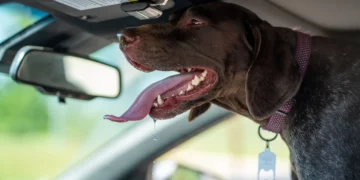
Heat‑related drooling is often the most common and benign cause, especially in brachycephalic breeds (bulldogs, pugs) that struggle to regulate temperature. Anxiety‑induced drooling can appear during thunderstorms or vet visits. Oral problems like periodontal disease are especially common in senior dogs, while systemic issues such as kidney failure may present with drooling as one of several vague signs.
Signs and symptoms
Not all drooling is created equal. Here’s how to separate a harmless salivation burst from a red‑flag symptom.
| Severity | What you might see | When to act |
|---|---|---|
| Mild | Clear or slightly foamy saliva after a meal, hot day, or excitement; no other changes. | Monitor; no immediate vet visit needed. |
| Moderate | Continuous drooling, saliva turning yellowish or tinged with blood, occasional pawing at the mouth, mild nausea, or decreased appetite. | Call your vet within 24 hours. |
| Severe | Profuse drooling, thick or green‑tinged saliva, obvious oral pain, vomiting, lethargy, fever, seizures, or difficulty breathing. | Seek emergency care right away. |
Key visual clues include:
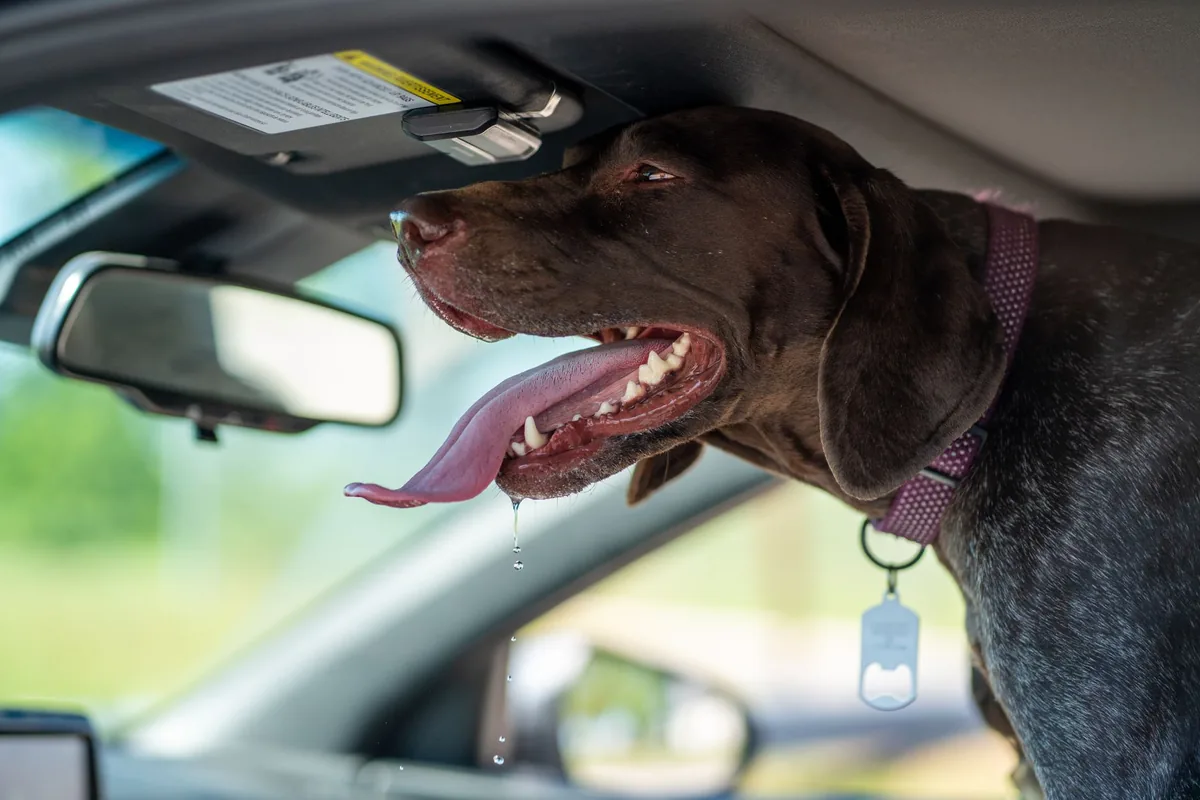
- Color: Clear or white is typically normal; yellow, green, or bloody indicates infection, irritation, or a more serious condition.
- Consistency: Foamy saliva is common after excitement; thick, mucous‑like drool can suggest nausea or gastrointestinal upset.
- Accompanying signs: Vomiting, loss of appetite, pawing at the mouth, facial swelling, or behavioral changes should raise concern.
When to call your vet
Call your vet today if you notice any of the following:
- Drool that is yellow, green, or contains blood.
- Persistent drooling that lasts more than a few hours, even when the dog is cool and calm.
- Signs of oral pain: pawing at the mouth, reluctance to eat, or facial swelling.
- Accompanying symptoms such as vomiting, lethargy, fever, or shaking.
Go to an emergency veterinary hospital now if your dog shows any of these urgent red flags:
- Profuse drooling with difficulty breathing or choking.
- Sudden collapse, seizures, or severe disorientation.
- Signs of toxin exposure (e.g., nicotine patches, insecticide, certain plants) plus drooling.
- Rapidly increasing drool that is thick, green, or foul‑smelling.
This article is for informational purposes only and does not replace professional veterinary care. If you’re ever unsure, contact your vet or an emergency clinic immediately.
How vets diagnose excessive drooling
Diagnosing sialorrhea starts with a thorough history and physical exam. Your vet will ask about:
- Onset and duration of drooling.
- Recent exposures (heat, new foods, possible toxins).
- Any changes in appetite, behavior, or other health signs.
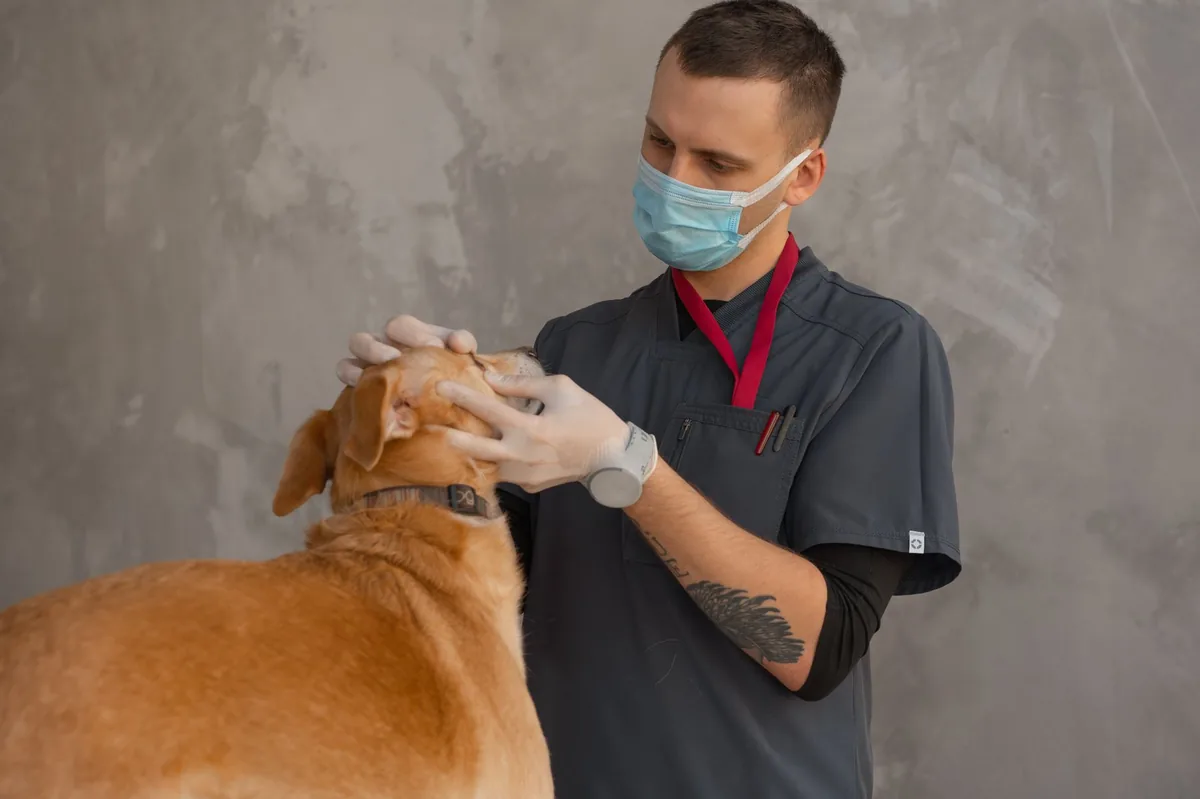
A complete oral exam—often under light sedation—is essential to spot dental disease, ulcerations, or foreign objects. The vet may also perform:
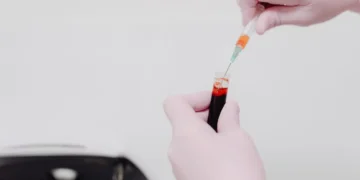
- Blood panel (CBC, chemistry): Checks for organ dysfunction, infection, or metabolic causes.
- Urinalysis: Looks for kidney disease or toxin metabolites.
- Imaging (X‑ray or ultrasound): Evaluates the salivary glands, throat, and gastrointestinal tract if a deeper problem is suspected.
- Neurological exam: Assesses reflexes and coordination if a nerve issue is on the table.
In some cases, a culture of the saliva can identify bacterial infections, while a biopsy may be needed for suspected tumors. The goal is to pinpoint the root cause so treatment can be targeted.
Treatment options
Medical treatment
Once the underlying cause is identified, medical therapy focuses on addressing that issue. Common drug classes include:
- Antibiotics: For bacterial infections of the mouth or salivary glands (e.g., amoxicillin‑clavulanate).
- Anti‑inflammatory medications: NSAIDs such as carprofen may be used for dental pain, but only under veterinary supervision.
- Antiemetics: Drugs like maropitant (Cerenia) can reduce nausea‑related drooling.
- Detoxification agents: If a toxin is suspected, activated charcoal or specific antidotes may be administered.
Ask your vet about these options; dosage is always weight‑based and tailored to your dog’s health status.
Supplements and supportive care
Supportive supplements can help when the drooling stems from oral inflammation or systemic stress:
- Omega‑3 fatty acids (EPA/DHA): Reduce inflammation in the gums and salivary glands. A high‑quality fish‑oil supplement is typically given once daily.
- Probiotics: Helpful if gastrointestinal upset is contributing to nausea and drooling. Look for a canine‑specific product with Lactobacillus and Bifidobacterium strains.
- Vitamin B complex: May aid recovery from toxin exposure, but only use under veterinary guidance.
Supplements are adjuncts—not replacements—for the primary treatment your vet prescribes.
Procedures or surgery
When a structural problem is identified, surgery may be required:
- Dental cleaning or extractions: Removes plaque, tartar, and infected teeth. Recovery is usually 7–10 days with a soft‑food diet.
- Salivary gland removal (sialoadenectomy): Rare, performed for chronic gland infection or tumor. Hospital stay can be 1–2 days; full recovery may take 2–3 weeks.
- Foreign body removal: Often done under brief anesthesia; most dogs are back to normal within a day.
Procedure costs vary widely; we’ll discuss typical ranges in the next section.
Diet and nutrition
Food can influence drooling both directly (through texture and taste) and indirectly (by affecting oral health). Here’s how to feed a dog with excessive drooling, whether the cause is dental, gastrointestinal, or systemic.
| Do feed | Limit | Avoid |
|---|---|---|
| Highly digestible protein sources (e.g., boiled chicken, turkey, cottage cheese) | High‑fat treats (cheese sticks, jerky) | Spicy or heavily seasoned foods |
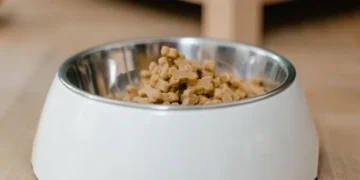
| Moist, soft kibble or soaked dry food (helps reduce oral irritation) | Hard kibble that can aggravate dental disease | Table scraps with onions, garlic, or grapes |
| Prescription renal or hepatic diets if organ disease is diagnosed | Excessive sodium (canned foods with added broth) | Raw bones that can splinter and cause mouth injuries |
Why these choices matter: Soft, highly digestible foods reduce the need for excessive chewing, which can lessen irritation of inflamed gums or a sore tongue. If your dog has a dental infection, a diet low in abrasive particles helps prevent further damage while the teeth heal.
When a systemic illness like kidney disease is present, a therapeutic diet low in phosphorus and protein can lessen toxin buildup, indirectly reducing nausea‑related drooling. Brands such as Hill’s Prescription Diet k/d or Royal Canin Renal Support are formulated for these needs, but any prescription diet should be chosen with your vet’s guidance.
Transition tips:
- Mix a small amount of the new food with your dog’s current diet (10 % new, 90 % old) for three days.
- Gradually increase the new food by 10 % each day while decreasing the old food.
- Monitor for any return of drooling, vomiting, or changes in stool consistency; if they appear, pause the transition and call your vet.
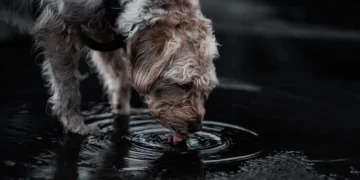
Hydration is also crucial. Offer fresh water frequently, and consider adding low‑sodium broth to encourage drinking if your dog is reluctant. For dogs with nausea, small, frequent meals (3–4 times daily) are gentler on the stomach than one large feeding.
Cost and prognosis
Expenses differ by region, severity, and required diagnostics. Below are typical US and UK cost ranges (all estimates, actual bills may vary):
| Service | US (USD) | UK (GBP) |
|---|---|---|
| Initial veterinary exam | $50–$100 | £40–£80 |
| Blood panel (CBC + chemistry) | $80–$150 | £60–£120 |
| Dental cleaning & extractions | $300–$900 | £250–£700 |
| Imaging (X‑ray or ultrasound) | $100–$300 | £80–£250 |
| Medication (antibiotics, anti‑nausea) | $20–$80 per prescription | £15–£60 |
Prognosis depends on the root cause. Simple heat‑related drooling resolves with cooling and hydration within hours. Dental disease, when treated, often leads to full recovery, though chronic periodontal issues may recur. Systemic illnesses such as kidney disease carry a more guarded outlook, but early detection and dietary management can extend quality of life significantly.
Prevention and home care
Preventing excessive drooling starts with routine care and environmental awareness:
- Maintain dental health: Brush your dog’s teeth weekly with a vet‑approved toothpaste, and schedule professional cleanings at least once a year.
- Monitor temperature: On hot days, provide shade, fresh water, and cool surfaces. Use a pet‑safe cooling vest for brachycephalic breeds.
- Control anxiety: Gradual desensitization to triggers (e.g., fireworks) and a safe space can reduce stress‑induced drooling.
- Watch for toxins: Keep nicotine products, pesticides, and toxic plants out of reach. If you suspect ingestion, call the ASPCA Animal Poison Control Center (1‑800‑764‑7661) immediately.
- Regular vet check‑ups: Annual exams catch early oral or systemic problems before drooling becomes severe.
For breeds prone to drooling—such as Saint Bernards, Bloodhounds, and Mastiffs—extra vigilance during summer months and after intense play is wise. A quick daily “gums check” (lift the lip and look for redness or swelling) can alert you to early oral issues.
Vet’s note
From our vet team: Drooling is often dismissed as “just a dog thing,” but it can be a window into your pet’s health. If you notice any change in color, volume, or accompanying signs—especially vomiting, lethargy, or signs of pain—don’t wait. Early diagnostics, a gentle diet, and prompt treatment keep most dogs comfortable and back to their goofy selves in days, not weeks.
Key takeaways
- Excessive drooling (sialorrhea) is a symptom, not a disease; the cause determines urgency.
- Red‑flag signs include colored or thick saliva, oral pain, vomiting, or sudden onset after toxin exposure.
- Vet work‑up typically includes a full oral exam, blood work, and possibly imaging to find the underlying issue.
- Treatment focuses on the root cause—antibiotics for infection, dental cleaning for plaque, cooling for heat stress, and diet adjustments for organ disease.
- Preventative steps: regular dental care, temperature monitoring, anxiety management, and toxin safety.
Myth vs. fact
Myth: All dogs drool a lot, so it’s never a problem.
Fact: While mild salivation after a meal or on a hot day is normal, persistent, colored, or foamy drool often signals an underlying issue that warrants veterinary attention.
Myth: Drooling always means heatstroke.
Fact: Heatstroke is one cause, but dental disease, nausea, toxins, and systemic illnesses are also common culprits. A thorough exam is needed to differentiate them.
Frequently asked questions
What are the common reasons dogs drool excessively?
Most often, heat, anxiety, dental disease, or a foreign object in the mouth cause drooling. Systemic illnesses like kidney disease or toxin exposure can also lead to sialorrhea.
Is excessive drooling in dogs a sign of a serious illness?
It can be, especially if the saliva is colored, thick, or accompanied by vomiting, lethargy, or pain. Those signs usually mean a vet should be consulted promptly.
How can I tell if my dog’s drooling is normal or a problem?
Normal drooling is clear, occasional, and linked to eating or heat. Problematic drooling may be continuous, yellow/green/bloody, or paired with other symptoms like loss of appetite.
What home treatments can reduce drooling in dogs?
Cool your dog with fresh water and a shaded area, offer soft, moist food, and keep the mouth clean with a dog‑safe dental wipe. Reducing anxiety with a calm environment can also help.
When should I take my dog to the vet for drooling?
Call your vet within 24 hours for any persistent, colored, or painful drooling. If your dog is struggling to breathe, drooling heavily, or shows signs of toxin exposure, go to an emergency clinic immediately.
What tests does a vet run to diagnose excessive drooling?
Vets start with a detailed oral exam, then may run blood work, urinalysis, and imaging (X‑ray or ultrasound) to assess salivary glands, teeth, and internal organs.
Ask the PuppaDogs community
Have a question this article didn’t fully answer? Want to compare notes with other dog owners who’ve been through this? Our community forum is moderated by experienced owners and vets — and answers tend to come fast. Ask in the PuppaDogs community →
References
- American Animal Hospital Association (AAHA) 2023 Guidelines for Canine Dental Care.
- American Veterinary Medical Association (AVMA) “Heat Stress in Dogs” position statement.
- Merck Veterinary Manual, “Sialorrhea (Excessive Drooling)” chapter.
- World Small Animal Veterinary Association (WSAVA) “Oral Health in Dogs” consensus paper.
- University of California, Davis School of Veterinary Medicine, “Canine Salivary Gland Disorders” review.
- Cornell University College of Veterinary Medicine, “Toxin Exposure in Dogs” fact sheet.
- American College of Veterinary Internal Medicine (ACVIM) “Renal Disease and Nutritional Management” guidelines.
- ASPCA Animal Poison Control Center, “Common Household Toxins for Dogs” resource.
- AAHA 2022 “Vaccination and Preventive Care” recommendations (for context on routine health checks).
- British Veterinary Association (BVA) “Managing Anxiety in Dogs” clinical update.
- Veterinary Oral Health Council, “Dental Disease Prevalence in Companion Animals.”
- National Research Council (NRC) “Nutrient Requirements of Dogs” (for diet discussion).


