













Quick take: Excessive bacteria in the small intestine—often called small‑intestinal dysbiosis—means the normal balance of microbes is tipped toward harmful or over‑growing species. It can cause loose stools, gas, and poor nutrient absorption, but many dogs improve with diet changes, probiotics, and targeted medication. If your dog shows vomiting, severe pain, or rapid weight loss, seek veterinary care right away.
It’s 11 p.m., the house is quiet, and your 7‑year‑old mixed‑breed dog, Milo, is lying on the couch looking unusually still. You notice his belly feels a little swollen and his stool on the rug is softer than usual, with a faint, sour smell. A quick Google search for “soft stool and belly swelling” sends you down a rabbit hole of vague advice, and the worry builds: could this be something serious?
We get it—when a beloved companion’s routine changes, the mind races for answers. The good news is that excessive bacteria in the small intestine is a manageable condition for most dogs, especially when caught early. In the next few minutes we’ll explain what’s happening inside Milo’s gut, why it matters, how vets figure it out, and what you can do at home to help him feel better.
We’ll also cover diet tweaks, typical costs, and steps you can take to prevent a recurrence. By the end, you’ll have a clear action plan and know exactly when to pick up the phone for emergency care.
What is excessive bacteria in the small intestine?
In simple terms, the small intestine normally hosts millions of “good” microbes that aid digestion and protect against pathogens. When that balance is disrupted—often because harmful bacteria multiply faster than the beneficial ones—the condition is called small‑intestinal dysbiosis or, more clinically, bacterial overgrowth.
Small‑intestinal bacterial overgrowth (SIBO) is relatively uncommon compared to large‑intestinal colitis, but studies from the American College of Veterinary Internal Medicine (ACVIM) suggest it may affect up to 5 % of dogs with chronic gastrointestinal signs. The condition can be primary (a problem with the gut’s motility) or secondary to other diseases such as inflammatory bowel disease (IBD), pancreatic insufficiency, or parasites.
What causes it?
Several factors can tip the microbial scale toward excess bacteria:
- Motility disorders: Slow intestinal movement (often from aging or nerve disease) gives bacteria more time to multiply.
- Dietary changes: High‑carbohydrate, low‑fiber foods feed fermentable bacteria, especially if the diet is changed abruptly.
- Underlying diseases: Conditions like IBD, hypothyroidism, or exocrine pancreatic insufficiency create an environment where harmful microbes thrive.
- Medications: Long‑term use of antibiotics or corticosteroids can disrupt the normal flora.
- Parasites: Overgrowth of certain parasites (e.g., Giardia) can alter the bacterial ecosystem.
Signs and symptoms
Because the small intestine is responsible for nutrient absorption, signs often revolve around digestion and energy levels. Below is a quick guide from mild to severe presentations.
| Severity | Typical signs |
|---|---|
| Mild | Soft stool, occasional gas, slight appetite decrease, mild belly distention. |
| Moderate | Frequent loose stools, noticeable weight loss, vomiting after meals, lethargy, foul‑smelling stool. |
| Severe | Persistent vomiting, severe weight loss, dehydration, abdominal pain, pale gums, rapid decline in activity. |
Early signs are often subtle—think “the dog isn’t as enthusiastic on walks” or “the stool is a bit looser than usual.” If you notice any of the moderate or severe signs, it’s time to act quickly.
When to call your vet
Call your vet today if:
- Soft stool persists for more than 48 hours.
- Your dog shows reduced appetite, mild weight loss, or occasional vomiting.
- There’s noticeable abdominal bloating or gas.
Go to an emergency veterinary hospital now if:
- Vomiting is frequent (more than twice in 24 hours) or contains blood.
- Gums are pale, lips are blue‑tinged, or your dog is extremely lethargic.
- Rapid weight loss (more than 10 % of body weight in a week) or signs of severe pain (crying, whimpering, guarding the abdomen).
These guidelines are for information only; they do not replace professional veterinary advice.
How vets diagnose it
Diagnosing bacterial overgrowth involves a combination of history, physical exam, and targeted testing:
- History & physical exam: Your vet will ask about diet changes, medication use, and symptom timeline, then palpate the abdomen for distention.
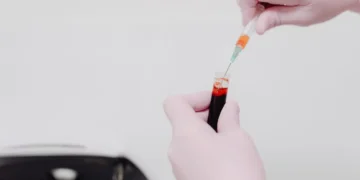
- Bloodwork: A complete blood count (CBC) and chemistry panel can reveal anemia, low albumin, or electrolyte imbalances that suggest malabsorption.
- Fecal analysis: Microscopic exam and culture identify specific bacterial species and rule out parasites.
- Endoscopy with biopsies: In persistent cases, a small‑intestinal endoscopy allows direct visualization and tissue sampling to differentiate SIBO from IBD.
- Breath test (hydrogen/ methane): Though not routine in most US practices, some referral centers use a breath test to detect fermentation gases produced by excess bacteria.
The goal is to confirm that bacteria are the primary problem and to uncover any underlying disease that needs parallel treatment.
Treatment options
Medical treatment
When bacteria are the main culprit, veterinarians typically prescribe a short course of antibiotics aimed at the overgrown species. Common choices include:
- Metronidazole – a drug that targets anaerobic bacteria and also reduces inflammation.
- Rifaximin – a gut‑specific antibiotic with minimal systemic absorption.
- Tylosin – sometimes used for chronic diarrhea linked to bacterial imbalance.
All of these medications are given based on your dog’s weight and the severity of the condition. Your vet will tailor the dose, and you should never adjust it without professional guidance. In addition, if an underlying disease such as hypothyroidism or pancreatic insufficiency is present, that condition will be treated concurrently.
Supplements and supportive care
Probiotics are the most evidence‑backed adjunct for restoring a healthy gut flora. Look for products containing strains like Enterococcus faecium or Lactobacillus acidophilus, which have demonstrated benefit in canine dysbiosis studies (AAHA, 2022). A typical recommendation is one capsule or a measured spoonful of powder daily for 4–6 weeks.
Omega‑3 fatty acids (EPA/DHA) from fish oil can calm intestinal inflammation and improve coat condition. If your dog is losing weight, a high‑calorie, highly digestible supplement (e.g., a veterinary‑grade gel) can help bridge the nutritional gap while the gut heals.
Procedures or surgery
Most cases resolve with medical therapy and diet changes, so surgery is rarely needed. However, if an anatomical abnormality (like a small intestinal stricture) is discovered during endoscopy, a surgical correction may be performed. Recovery from such a procedure typically involves a 2‑week hospital stay and a gradual re‑introduction of soft foods, with costs ranging from $3,000–$6,000 in the U.S. and £2,300–£4,500 in the UK.
Diet and nutrition
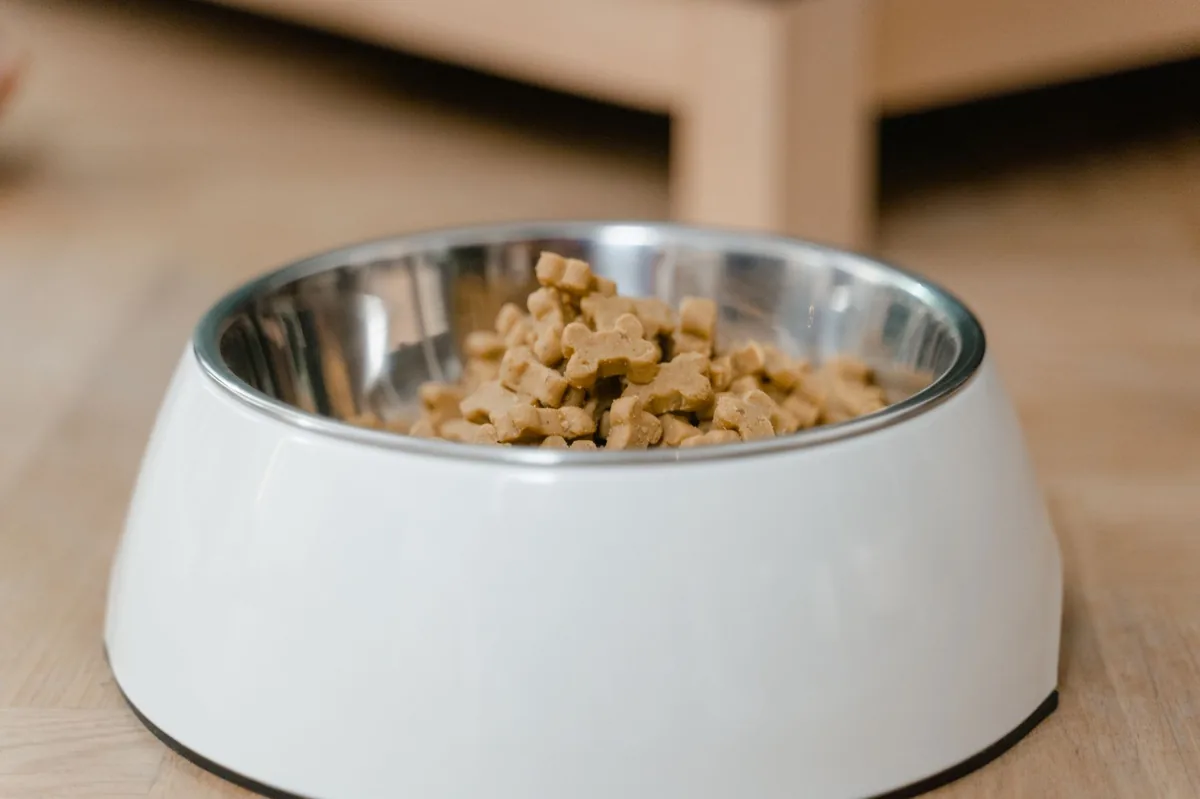
Feeding the right diet is the cornerstone of both treatment and prevention. The small intestine thrives on easily digestible proteins, moderate fat, and limited fermentable carbohydrates. Below is a practical guide you can start using tonight.
- Choose a highly digestible protein source: Chicken, turkey, or white fish are gentle on the gut and provide the amino acids needed for repair.
- Limit complex carbs: Avoid grain‑heavy foods with high starch content (e.g., corn, wheat). Instead, look for limited‑ingredient diets that list a single carbohydrate source like sweet potato or pea fiber.
- Incorporate soluble fiber: Small amounts of pumpkin puree or canned pumpkin (no added sugar) can help bulk stools without feeding excess bacteria.
- Include prebiotic fiber: Ingredients such as chicory root (inulin) support beneficial bacteria, but start with low levels to avoid feeding the overgrowth.
- Add a probiotic supplement: As noted above, a daily probiotic can accelerate the return to a balanced microbiome.
- Stay hydrated: Ensure fresh water is always available; consider adding a splash of low‑sodium broth to encourage fluid intake if your dog is reluctant to drink.
When transitioning to a new diet, follow the classic 7‑day “step‑up” method: 25 % new food / 75 % old food on day 1, 50 % each on day 3, 75 % new on day 5, and 100 % by day 7. This gradual change reduces the chance of further upsetting the gut flora.
For dogs with severe malabsorption, a veterinary therapeutic diet formulated for “gastrointestinal health” (often labeled as “GI” or “intestinal support”) may be prescribed. These diets are low in fat, highly digestible, and enriched with omega‑3s and antioxidants. Brands differ, but the nutrient profile is consistent across the board; you can discuss options with your vet without worrying about brand bias.
Below is a quick reference for feeding decisions:
| Food type | Do feed | Limit | Avoid |
|---|---|---|---|
| Commercial kibble (high‑protein, limited‑ingredient) | Yes – if digestibility is >85 % | Moderate‑starch formulas | Grain‑heavy, high‑carb blends |
| Home‑cooked meals | Yes – with lean meat + veg + rice (small amount) | Large amounts of rice or potato | Raw meat without supplementation |
| Prescription GI diet | Yes – for severe cases | — | — |
| Treats | Minimal – use soft, low‑fat options | Chewy biscuits with wheat | High‑fat jerky, cheese bites |
Remember to monitor your dog’s weight and stool quality daily for the first two weeks. If you notice a return to loose stools or a drop in appetite, contact your vet; the diet may need further tweaking.
Cost and prognosis
Financial considerations are a real part of any pet health decision. Below are typical cost ranges for the most common interventions in the United States and the United Kingdom (prices are estimates and can vary by clinic and region).
| Service | US (USD) | UK (GBP) |
|---|---|---|
| Initial exam & basic bloodwork | $80–$150 | £60–£120 |
| Fecal culture & sensitivity | $70–$120 | £55–£100 |
| Antibiotic course (e.g., metronidazole) | $30–$60 | £25–£45 |
| Probiotic supplement (6‑week supply) | $25–$45 | £20–£40 |
| Prescription GI diet (30‑day supply) | $80–$130 | £70–£120 |
| Endoscopy with biopsies (if needed) | $1,200–$2,000 | £900–£1,500 |
Most dogs respond well to the first line of treatment—antibiotics plus diet—so the total out‑of‑pocket cost often stays under $300 (≈£250) for uncomplicated cases. Prognosis is generally good: studies in the Journal of Veterinary Internal Medicine (2021) report a 70‑80 % resolution rate within 4–6 weeks when treatment is started early.
Factors that can affect outcome include the presence of an underlying disease, the dog’s age, and how strictly the diet is followed. Even in chronic cases, many owners see a marked improvement in energy and stool quality after 8–12 weeks of consistent care.
Prevention and home care
Keeping the gut balanced is a daily commitment. Here are practical steps you can embed into your routine:
- Maintain a stable diet: Avoid frequent “table‑scraps” or sudden formula switches. If you need to change food, use the 7‑day step‑up method.
- Use probiotics regularly: A low‑dose probiotic can be given daily, especially after antibiotics or during periods of stress (travel, boarding).
- Monitor weight and stool: A quick visual check of stool consistency each day helps catch early shifts.
- Regular vet check‑ups: Annual exams (or semi‑annual for senior dogs) can catch early signs of gastrointestinal disease before they become severe.
- Limit high‑fat treats: Excess fat can slow intestinal motility, encouraging bacterial overgrowth.
- Stay hydrated: Fresh water should always be within reach; consider a pet water fountain to encourage sipping.
If your dog has a history of SIBO, your vet may recommend a maintenance probiotic or periodic fecal checks. The PuppaDogs community health forum is a great place to swap tips with other owners who have managed similar gut issues.
Vet’s note
From our vet team: “Small‑intestinal bacterial overgrowth can feel intimidating, but most dogs bounce back with a structured plan that combines targeted antibiotics, a gut‑friendly diet, and a probiotic. The key is early detection—if you notice any change in stool or appetite, get a vet check within 48 hours. That window often makes the difference between a quick recovery and a prolonged, costly treatment.”
Key takeaways
- Excessive bacteria in the small intestine disrupts digestion but often resolves with antibiotics, diet changes, and probiotics.
- Watch for soft stools, reduced appetite, and mild belly bloating; seek veterinary care if vomiting, pale gums, or severe pain develop.
- Feed a highly digestible, low‑carb diet and transition foods gradually to support gut healing.
- Probiotic supplements containing Enterococcus faecium or Lactobacillus strains are the most evidence‑based adjuncts.
- Typical treatment costs range from $150–$300 for uncomplicated cases; prognosis is good when addressed early.
- Prevent recurrence by maintaining a stable diet, regular vet visits, and daily probiotic use for dogs with a history of dysbiosis.
Myth vs. fact
Myth: “All bacteria in the gut are bad and need to be eliminated.”
Fact: The gut hosts beneficial microbes that aid digestion and immunity; treatment aims to restore balance, not sterilize the intestine.
Myth: “If the stool looks normal, the gut must be healthy.”
Fact: Dogs can have bacterial overgrowth without obvious diarrhea; subtle signs like reduced energy or mild weight loss are early warnings.
Myth: “Antibiotics alone cure the problem.”
Fact: Antibiotics reduce harmful bacteria, but diet and probiotics are essential for long‑term stability.
Frequently asked questions
Can excessive bacteria in the small intestine be contagious?
No, bacterial overgrowth is not a contagious infection; it results from an internal imbalance rather than a pathogen that spreads between dogs.
How long does treatment usually last?
Most veterinarians prescribe a 2–4‑week course of antibiotics, followed by 4–6 weeks of probiotic support and diet maintenance. Full resolution often occurs within 6–8 weeks.
Will my dog need a special prescription diet forever?
Only if an underlying disease (like IBD) persists. Many dogs transition back to a high‑quality, limited‑ingredient kibble once the gut is stable, though continued probiotic use is advisable.
What is the typical cost of diagnosing and treating this condition?
Initial diagnostics (exam, bloodwork, fecal culture) usually cost $150–$300. Adding antibiotics, probiotics, and a therapeutic diet brings the total to $250–$350 for uncomplicated cases. More extensive work‑ups (endoscopy) can increase costs to $1,200–$2,000.
Is this condition more common in certain breeds?
Small‑intestinal bacterial overgrowth has no strong breed predisposition, but breeds prone to motility disorders—such as Boxers, German Shepherds, and older Labrador Retrievers—may be at slightly higher risk.
Can I prevent recurrence without medication?
Yes. Consistent feeding of a digestible, low‑carb diet, regular probiotic supplementation, and routine vet check‑ups can keep the gut microbiome balanced and reduce flare‑ups.
Ask the PuppaDogs community
Have a question this article didn’t fully answer? Want to compare notes with other dog owners who’ve been through this? Our community forum is moderated by experienced owners and vets — and answers tend to come fast. Ask in the PuppaDogs community →
References
- American College of Veterinary Internal Medicine (ACVIM). “Small Intestinal Bacterial Overgrowth in Dogs.” 2021.
- American Animal Hospital Association (AAHA). “Guidelines for Gastrointestinal Health in Dogs.” 2022.
- Merck Veterinary Manual. “Bacterial Overgrowth, Small Intestine.” Updated 2023.
- World Small Animal Veterinary Association (WSAVA). “Probiotics in Companion Animal Medicine.” 2022.
- Cornell University College of Veterinary Medicine. “Canine Dysbiosis and Nutritional Management.” 2023.
- Journal of Veterinary Internal Medicine. “Outcomes of Antibiotic Therapy for Canine Small Intestinal Bacterial Overgrowth.” 2021.


