





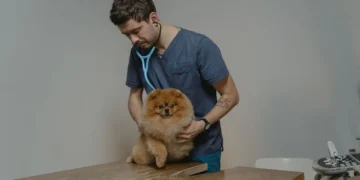








Quick take: Epulis in dogs is a common, usually benign gum tumor that appears as a firm, pink‑to‑red lump on the gum line. It’s most often treated with surgical removal, and most dogs recover fully within a few weeks. Early detection, prompt veterinary care, and proper post‑op care keep the risk of recurrence low.
It’s 9 pm. Your 7‑year‑old mixed‑breed dog, Bella, usually darts to the kitchen for her evening kibble, but tonight she pauses, sniffs the bowl, then backs away. You notice a small, pinkish bump on one side of her gums that wasn’t there a week ago. Your heart races, and you start Googling “gum growth in dogs.” You’re not alone—many owners first spot an epulis when a dog’s eating or chewing changes. The good news is that most epulides are benign and treatable, but you’ll want to know what to expect, how to help Bella feel comfortable, and what the costs might look like.
In this guide we’ll explain exactly what epulis is, the types that affect dogs, how to recognize it at home, and what your vet will do to diagnose and treat it. We’ll also cover post‑surgical care, diet tips, costs, and ways to reduce the chance of a recurrence. By the end you’ll have a clear plan for Bella (or any dog) and know exactly when to pick up the phone and call your vet.
What is epulis in dogs (benign gum growth)?
Epulis (pronounced “eh‑POO‑lis”) is a term veterinarians use for a tumor that arises from the gum tissue (gingiva) or the bone surrounding a tooth. The word comes from the Greek “epi” (upon) and “oulon” (gum). Most epulides are non‑cancerous (benign) and grow slowly, but they can become large enough to interfere with eating or, rarely, become malignant.
Three main histologic types are recognized:
- Fibroblastic epulis: Made of fibrous (connective) tissue; usually soft‑to‑firm and pink.
- Ossifying (or calcifying) epulis: Contains bone or calcium deposits; often feels hard, like a small stone.
- Peripheral odontogenic epulis: Originates near the tooth root; may be associated with dental disease.
According to the Merck Veterinary Manual, epulis is one of the most common oral tumors in dogs, especially in middle‑aged to senior dogs. While exact prevalence varies by breed and region, most veterinary practices see at least a few cases each year.
What causes epulis?
Epulis isn’t caused by a single factor. It usually develops when gum tissue is irritated or inflamed over time. Common contributors include:
| Risk factor | Why it matters |
|---|---|
| Dental plaque & tartar | Chronic inflammation from plaque can stimulate gum cells to proliferate. |
| Age (6 years +) | Older dogs have slower cell turnover, making abnormal growth more likely. |
| Breed predisposition | Greyhounds, Boxers, and Labrador Retrievers have higher reported rates (AKC data). |
| Oral trauma | Repeated chewing on hard objects can irritate the gum line. |
| Hormonal influences | Spayed/neutered dogs sometimes have altered gum tissue response. |
None of these factors guarantee a tumor will form, but they raise the odds. Maintaining good dental hygiene is the single best preventive step.
Signs and symptoms
Most owners first notice a change in eating behavior or a visible lump. Early signs can be subtle:
| Stage | What you might see or feel |
|---|---|
| Mild | A small pink bump (1–2 mm), occasional drooling, slight hesitation to chew. |
| Moderate | Growth to 5–10 mm, bright red or pale pink color, occasional bleeding when the dog bites. |
| Severe | Large (>1 cm) mass, ulceration, persistent bleeding, difficulty eating, weight loss, bad breath. |
Other red‑flag signs include persistent bad breath (halitosis), swollen lymph nodes under the jaw, or any sudden change in behavior such as lethargy or pain when the mouth is touched. While epulis itself is rarely painful, large or ulcerated lesions can cause discomfort.
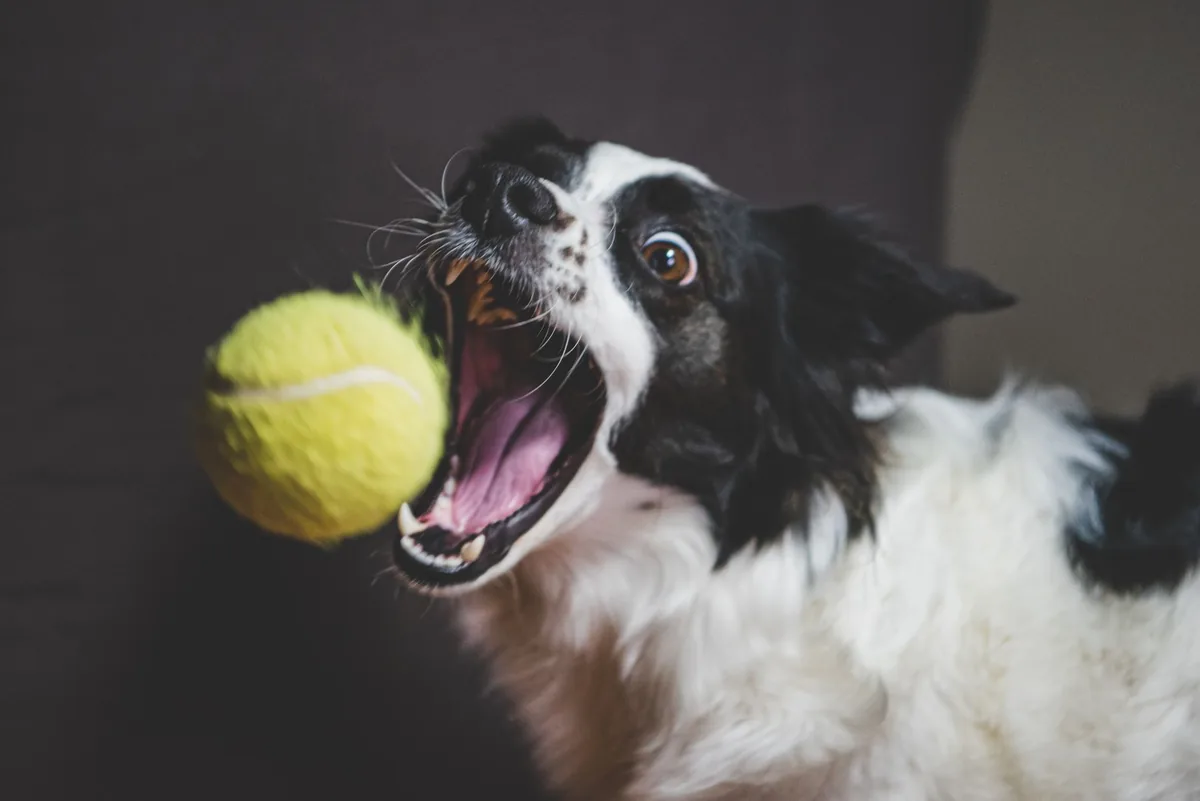
When to call your vet
Call your vet today if you notice:
- A new gum lump, even if it’s only a few millimeters.
- Bleeding that won’t stop after a few minutes.
- Changes in eating, drooling, or bad breath.
- Any pain when you gently lift the lip.
Go to an emergency veterinary hospital right now if:
- The lump is rapidly swelling (doubling size in a day).
- Your dog is refusing to eat or drink at all.
- Severe bleeding, facial swelling, or signs of shock (pale gums, rapid heartbeat).
These guidelines are for information only; they do not replace a hands‑on exam. If you’re ever unsure, it’s safest to call your vet.
How vets diagnose epulis
Diagnosis starts with a thorough oral exam under sedation or light anesthesia so the vet can see the entire mouth.
- Physical exam: The vet assesses size, texture, color, and attachment of the mass.
- Radiographs (X‑rays): Reveal whether the tumor is attached to bone or involves the tooth root.
- Advanced imaging (CT or MRI): Used for large or suspicious lesions to map exact borders.
- Biopsy: A small sample of the tumor is taken with a scalpel or needle. The tissue is sent to a board‑certified pathologist for histopathology, the gold standard for confirming whether the growth is benign or malignant.
The American College of Veterinary Internal Medicine (ACVIM) stresses that histopathology is essential because the visual appearance alone cannot reliably differentiate a benign epulis from a malignant melanoma.
Treatment options
Medical treatment
Because epulis is a solid tumor, medication alone rarely shrinks it. However, supportive drugs are often prescribed to control inflammation and pain while the dog recovers from surgery. Common classes include:
- NSAIDs (non‑steroidal anti‑inflammatory drugs): Drugs like carprofen or meloxicam help reduce swelling and discomfort.
- Antibiotics: If the lesion is ulcerated or infected, a course of amoxicillin‑clavulanic acid may be recommended.
- Analgesics: Gabapentin or tramadol can be used for post‑operative pain management.
Always ask your vet about the appropriate medication for your dog’s weight and health status.
Supplements and supportive care
While supplements won’t cure epulis, they can aid healing:
- Omega‑3 fatty acids (EPA/DHA): Found in fish oil, they have anti‑inflammatory properties that may speed tissue repair.
- Probiotics: Support gut health, especially if antibiotics are used.
- Vitamin C (ascorbic acid): In moderate amounts, it can help collagen formation, though excess isn’t needed.
Discuss any supplement with your vet to avoid interactions with prescribed meds.
Procedures or surgery
Complete removal of the tumor is the standard of care. Options include:
- Surgical excision: The most common approach; the vet cuts out the mass with a margin of healthy tissue, often removing the associated tooth if needed.
- Laser ablation: A CO₂ or diode laser can precisely vaporize the tumor, reducing bleeding.
- Cryotherapy: Freezing the lesion with liquid nitrogen; best for small, superficial epulides.
- Monitoring: Very small, non‑problematic fibroblastic epulides may be observed with regular checks, but most vets recommend removal to prevent growth.
Recovery from surgical excision typically involves a 7‑10 day wound healing phase, followed by a second check‑up to confirm no recurrence.
Diet and nutrition
Nutrition plays a subtle but valuable role in oral health and post‑operative recovery. While there’s no “cure‑diet” for epulis, feeding choices can reduce inflammation, support wound healing, and keep the mouth clean.
Foods to favor
- Highly digestible protein sources: Chicken, turkey, or fish‑based formulas reduce the workload on the oral cavity while providing essential amino acids for tissue repair.
- Soft, moist kibble or wet food: During the first two weeks after surgery, soft foods prevent the dog from chewing hard kibble that could irritate the surgical site.
- Omega‑3 enriched diets: Some commercial senior or therapeutic foods add fish oil; these can help limit postoperative inflammation.
- Low‑phosphate, moderate‑calorie formulas: If the dog is overweight, a balanced diet helps prevent secondary issues that could delay healing.
Foods to limit or avoid
| Do feed | Limit / Avoid |
|---|---|
| Soft, high‑protein wet food | Hard, crunchy kibble for the first 10 days post‑op |
| Cooked sweet potatoes, pumpkin | Raw bones or very hard chews that could stress the gums |
| Omega‑3 enriched commercial diets | Excessive treats high in sugar or salt |
Feeding tips after surgery
- Offer small meals 3–4 times daily for the first 48 hours to encourage gentle chewing.
- Warm the food slightly (to body temperature) to make it more palatable and easier to swallow.
- Gradually re‑introduce the regular kibble over a week, mixing it with wet food and monitoring for any signs of discomfort.
- Provide fresh water at all times; hydration supports tissue healing.
For dogs with chronic dental disease, a prescription therapeutic diet (often labeled “oral health” or “renal”) can be recommended by your vet. These diets are formulated to be low‑residue, which helps keep plaque buildup minimal.
Cost and prognosis
Financial considerations are real, and most owners appreciate a clear estimate before committing to surgery.
| Item | Typical US cost | Typical UK cost |
|---|---|---|
| Initial exam & anesthesia prep | $80–$150 | £70–£130 |
| Biopsy & pathology | $120–$250 | £110–£200 |
| Surgical excision (including sutures) | $500–$1,200 | £450–£1,000 |
| Post‑op pain meds & antibiotics (7‑10 days) | $30–$80 | £25–£70 |
| Follow‑up visit & re‑checks | $50–$100 | £45–£90 |
Overall, most owners spend between $800 and $1,600 in the United States for a complete epulis removal and follow‑up. In the UK, the range is roughly £700–£1,400. These are estimates; actual costs vary by clinic, geographic area, and whether additional diagnostics (CT, advanced imaging) are needed.
Prognosis is excellent for benign epulides—over 90 % of dogs have a full return to normal activity within 2–3 weeks after surgery. Recurrence rates are low (<10 %) when the tumor is removed with clean margins, according to the AAHA dental health guidelines.
Prevention and home care
Because chronic gum irritation is the biggest driver, daily dental care can dramatically lower the risk of epulis.
- Brush your dog’s teeth: Use a soft canine toothbrush and a low‑abrasive toothpaste at least 3 times per week.
- Dental chews or toys: Choose products approved by the Veterinary Oral Health Council (VOHC) for plaque reduction.
- Regular veterinary dental cleanings: Professional scaling and polishing once a year (or as advised) removes calculus that home brushing can miss.
- Monitor diet: Feed high‑quality kibble that’s appropriately sized; avoid excessive hard treats that can traumatize gums.
- Watch for early signs: A quick visual check of the gums during brushing can catch a new bump before it grows.
Breed‑specific vigilance helps too. Greyhounds, Boxers, and Labrador Retrievers have a slightly higher incidence, so owners of these breeds may wish to schedule dental exams a little more frequently.
From our vet team: “If you catch an epulis early, the surgery is usually straightforward and the recovery is quick. The biggest thing owners can do is keep the mouth clean—regular brushing and dental check‑ups are the best insurance against future growths.”
Key takeaways
- Epulis is a common, usually benign gum tumor that appears as a small pink or red lump.
- Early signs include a new gum bump, mild bleeding, or a change in eating; call your vet right away.
- Diagnosis relies on visual exam, imaging, and a biopsy to confirm it’s not cancerous.
- Surgical removal (or laser/cryotherapy) is the primary treatment; most dogs recover fully within 2–3 weeks.
- Post‑op care includes soft foods, pain meds, and a short course of antibiotics if needed.
- Good dental hygiene—brushing, VOHC‑approved chews, and regular dental cleanings—helps prevent epulis from developing.
Myth vs. fact
Myth: Epulis always turns into cancer.
Fact: The majority of epulides are benign; only a small fraction (<5 %) are malignant, and histopathology confirms the type.
Myth: You can treat epulis with home remedies alone.
Fact: While good oral hygiene reduces risk, any visible gum tumor needs veterinary evaluation and often surgical removal.
Myth: Surgery is the only option.
Fact: Small, non‑problematic epulides may be monitored, and laser or cryotherapy can be alternatives for select cases.
Frequently asked questions
Can epulis turn into cancer in dogs?
Most epulides are benign; only a small minority become malignant. A biopsy will tell your vet whether the growth is cancerous.
What are the early signs of epulis on a dog’s gums?
Look for a new pink or red bump, slight swelling, or occasional bleeding when the dog chews. Changes in appetite or drooling can also be early clues.
Is surgery the only way to treat epulis in dogs?
Surgical excision is the most common and effective treatment, but laser ablation and cryotherapy are viable alternatives for small lesions. Very tiny, non‑problematic epulides may be observed with regular check‑ups.
How much does it cost to have a dog’s epulis removed?
In the United States, total costs typically range from $800 to $1,600, covering exam, anesthesia, biopsy, surgery, medications, and follow‑up. In the UK, expect roughly £700–£1,400.
Will my dog need pain medication after epulis surgery?
Yes. Most vets prescribe a short course of NSAIDs or other analgesics to keep your dog comfortable during the first 7–10 days of healing.
Are certain dog breeds more likely to develop epulis?
Greyhounds, Boxers, and Labrador Retrievers show a higher reported incidence, according to AKC breed health data.
Ask the PuppaDogs community
Have a question this article didn’t fully answer? Want to compare notes with other dog owners who’ve been through this? Our community forum is moderated by experienced owners and vets — and answers tend to come fast. Ask in the PuppaDogs community →
References
- Merck Veterinary Manual. “Epulis (Gingival Tumors).” 2023 edition.
- American Animal Hospital Association (AAHA). “Dental Health Guidelines for Dogs.” 2022.
- American Veterinary Medical Association (AVMA). “Oral Tumors in Dogs.” 2021.
- Veterinary Oral Health Council (VOHC). “Approved Dental Chews.” 2023.
- American College of Veterinary Internal Medicine (ACVIM). “Guidelines for Oral Tumor Diagnosis.” 2022.
- Cornell University College of Veterinary Medicine. “Canine Oral Tumors.” 2023.
- AKC Canine Health Survey. “Breed Predispositions for Oral Tumors.” 2022.
- Plumb’s Veterinary Drug Handbook. “NSAIDs and Analgesics in Dogs.” 2023.
- World Small Animal Veterinary Association (WSAVA). “Dental Disease in Companion Animals.” 2021.
- Cost.puppadogs.com. “Veterinary Procedure Cost Estimates.” 2024.


