






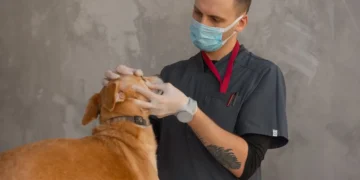









Quick take: Dog eye allergies cause itchy, red, watery eyes that look like a simple irritation but can become uncomfortable or lead to infection if left unchecked. Most cases are manageable with proper home care, prescription eye drops, and environmental tweaks. If your dog shows severe swelling, discharge that’s thick or colored, or sudden vision loss, seek veterinary help right away.
It’s 9 p.m., and you’re scrolling through pet forums while your golden retriever, Milo, sits on the couch with his head cocked to one side. His left eye is noticeably red, and a thin film of clear discharge drips onto the carpet. You’re not sure if this is just “dust in the eye” or something more serious, and the anxiety is already building. You glance at the clock and wonder: “Is this an emergency? Do I need to rush to the vet, or can I try a home remedy first?”
We get it. Eye problems are among the first things owners notice because they’re hard to miss, and they can quickly turn from a mild irritation into a painful condition. The good news is that eye allergies are common, often seasonal, and most dogs respond well to treatment when caught early. In this guide, we’ll explain what dog eye allergies are, how to spot them, when to call the vet, and what you can do at home and in the clinic to keep Milo’s eyes clear and comfortable.
Read on for a step‑by‑step rundown of symptoms, diagnosis, treatment options, costs, and preventive measures. We’ll also answer the most‑asked questions like “Can I use human eye drops?” and “Which breeds are most prone to eye allergies?”
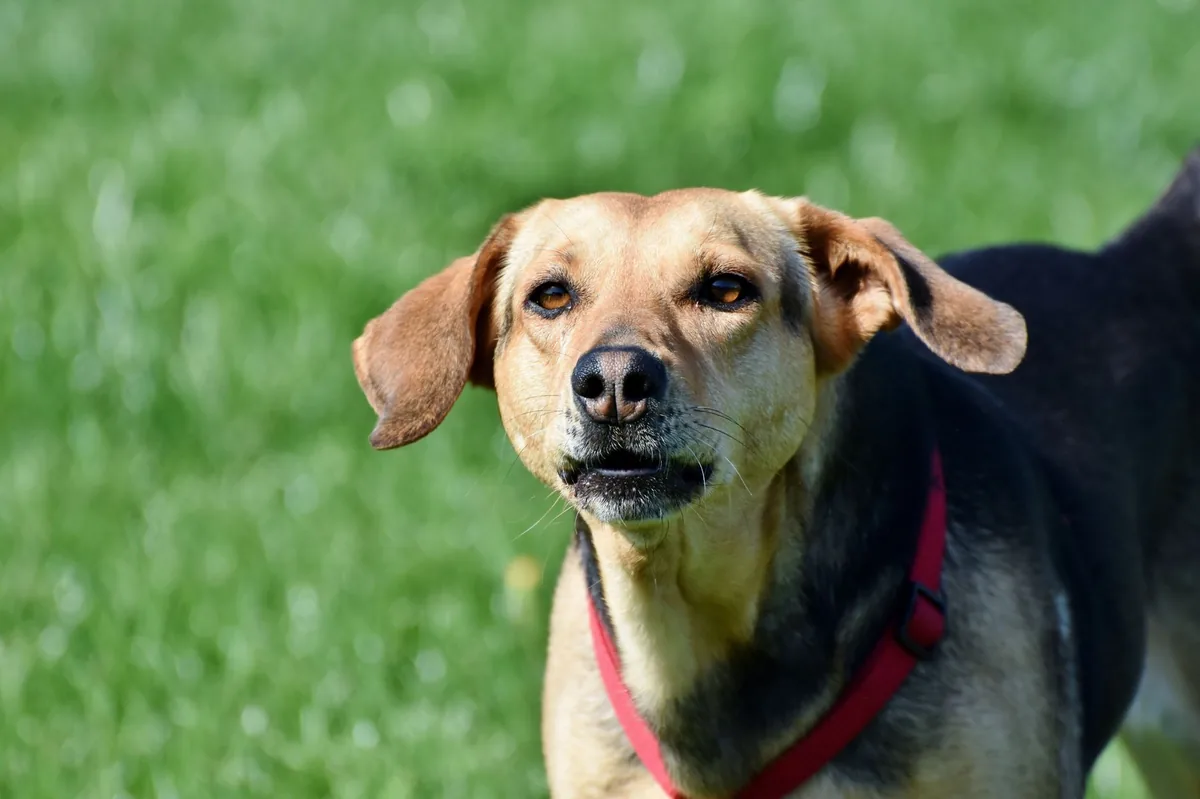
What is dog eye allergies?
Dog eye allergies, also called allergic conjunctivitis, occur when the delicate tissues lining the eye (the conjunctiva) react to an allergen. Think of it as the same kind of sneeze‑and‑runny‑nose reaction humans get to pollen, only the eyes are the target. The immune system releases histamine and other chemicals, leading to redness, itching, tearing, and sometimes swelling.
According to the American Animal Hospital Association (AAHA), ocular allergies affect roughly 10 % of dogs, with higher rates in breeds that have prominent eyes or facial folds. While not life‑threatening in most cases, untreated allergies can predispose a dog to secondary infections, corneal ulcers, or chronic discomfort.
What causes dog eye allergies?
Allergens can be divided into three main groups. Below is a quick reference that helps you pinpoint likely triggers in your home.
| Allergen type | Common sources | Typical exposure |
|---|---|---|
| Environmental | Pollen, dust mites, mold spores, outdoor smoke | Seasonal changes, indoor humidity, outdoor walks |
| Food‑related | Protein sources (beef, chicken), dairy, wheat, soy, grain‑free additives | Daily meals, treats, supplements |
| Contact/irritant | Shampoos, grooming wipes, flea/tick sprays, cleaning agents | Bathing, grooming, household cleaning |
Some dogs are genetically predisposed to react more strongly. Breeds with large, floppy ears (e.g., Cocker Spaniels, Basset Hounds) or prominent eyes (e.g., Pugs, Shih Tzus) often develop eye allergies more frequently, simply because the eye is more exposed.
Signs and symptoms
Allergy symptoms usually start mild and become more obvious if the irritant persists. Below is a quick guide to what you might see at each stage.
| Stage | Typical signs | What to watch for |
|---|---|---|
| Mild | Watery discharge, slight redness, occasional blinking | Symptoms appear after a walk in a high‑pollen area |
| Moderate | Swollen eyelids, itching (dog rubs face), thicker watery discharge | Discomfort leads to pawing at the eye |
| Severe | Marked swelling, thick yellow/green discharge, crusting, vision changes | Potential secondary infection or corneal ulcer |
Key differences from an infection: allergic discharge is usually clear or slightly mucoid, while bacterial infections often produce a thick, colored (yellow, green, or brown) pus. Infections may also be accompanied by fever, lethargy, or a foul smell.
When to call your vet
Call your vet today if:
- Redness persists for more than 48 hours despite home care.
- Discharge becomes thick, colored, or foul‑smelling.
- Your dog keeps pawing at the eye or shows signs of pain.
- Swelling or crusting interferes with normal blinking.
Go to an emergency veterinary clinic right now if:
- One eye appears cloudy or you notice a white spot on the cornea.
- Sudden vision loss or severe swelling makes the eye look “ball‑like.”
- Accompanying symptoms include vomiting, fever, or extreme lethargy.
This information is for educational purposes only and is not a substitute for professional veterinary care.
How vets diagnose dog eye allergies
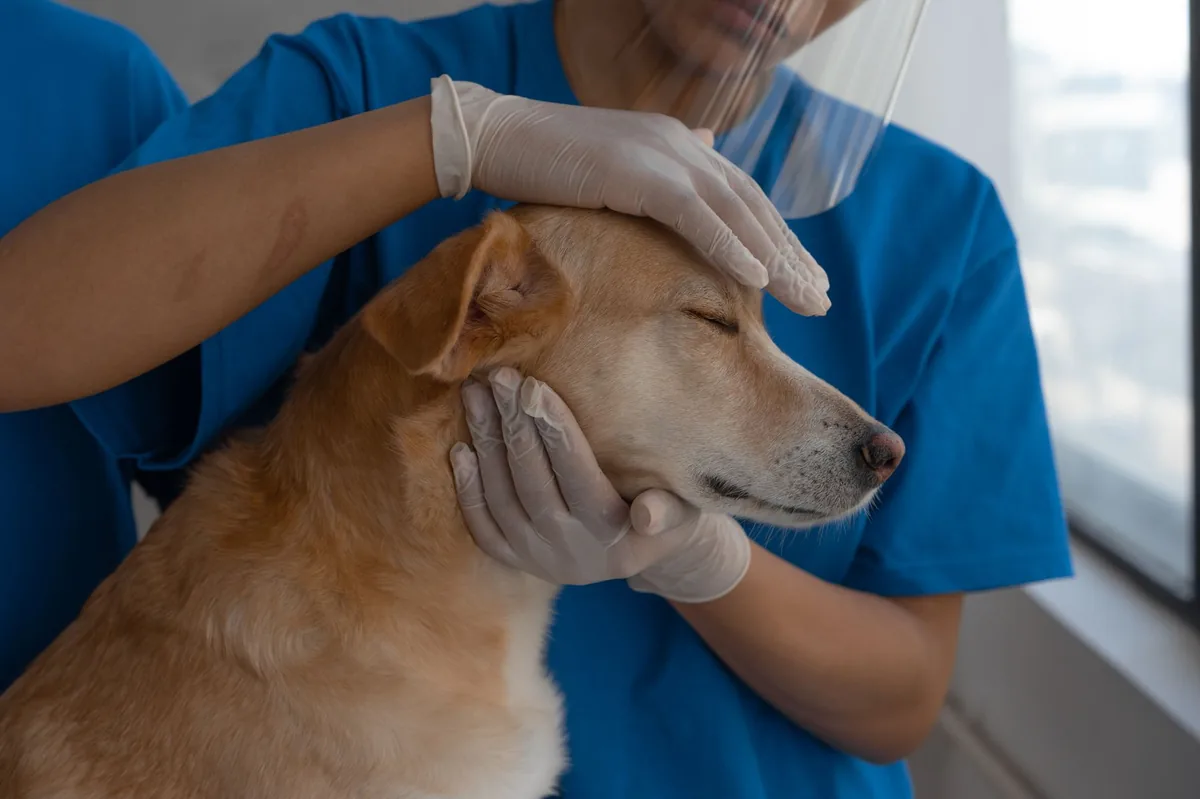
Diagnosis starts with a thorough history: when symptoms began, recent environmental changes, diet, grooming products, and any known allergies. The vet will then perform a series‑of‑tests that are quick and non‑invasive.
- Physical eye exam: Lighted magnification reveals redness, discharge, and any foreign material.
- Fluorescein stain: A dye that highlights corneal scratches or ulcers—if the dye stays clear, ulcers are unlikely.
- Tear production test (Schirmer tear test): Measures tear volume; low tears can worsen irritation.
- Cytology or conjunctival swab: A tiny sample examined under a microscope to rule out bacterial or fungal infection.
- Allergy testing (optional): Skin prick or blood serology can identify specific allergens, especially for chronic cases.
These steps help the veterinarian differentiate allergies from infections, injuries, or underlying systemic disease.
Treatment options
Medical treatment
Prescription eye drops are the cornerstone of allergy management. Common classes include:
- Antihistamine drops (e.g., olopatadine, azelastine): Block histamine receptors to reduce itching and redness. Your vet will choose a product and dosing schedule based on Milo’s weight.
- Mast cell stabilizers (e.g., cromolyn sodium): Prevent the release of histamine and other inflammatory mediators. Often combined with antihistamines for better control.
- Corticosteroid drops (e.g., prednisolone acetate): Powerful anti‑inflammatories used for severe flare‑ups. Because steroids can increase infection risk, they’re usually short‑term and paired with an antibiotic if needed.
- Systemic antihistamines (e.g., cetirizine, diphenhydramine): Oral medications that help control itching throughout the body, including the eyes. Ask your vet about the safest option for your dog’s age and health status.
Never give human eye drops without veterinary guidance; many contain preservatives or concentrations that can irritate a dog’s eye.
Supplements and supportive care
Adjunctive therapies can soothe inflammation and support overall eye health:
- Omega‑3 fatty acids (EPA/DHA): Found in fish oil, these help reduce ocular inflammation. A daily supplement of 20 mg EPA per kilogram of body weight is typical, but ask your vet for the exact product.
- Vitamin C: An antioxidant that may lessen histamine release. Natural sources (e.g., small amounts of dog‑safe fruits) are preferable to high‑dose supplements.
- Eye wipes or saline rinses: Gentle, preservative‑free wipes can remove dust and allergens from the eyelids. Use only products labeled safe for canine use.
Procedures or surgery
Most allergy cases resolve with medical therapy, but a few dogs develop chronic inflammation that leads to scar tissue or tear‑duct blockage. In such rare situations, a veterinarian may recommend:
- Tear duct flushing or stenting: Restores normal tear flow and reduces dryness.
- Corneal graft or ulcer repair: If an ulcer develops, surgery may be needed to preserve vision.
These procedures are typically performed by a board‑certified ophthalmologist and involve a short hospital stay. Recovery can take 2–4 weeks, and costs vary widely.
Diet and nutrition
Nutrition plays a subtle but important role in managing eye allergies. While no single “allergy diet” cures ocular symptoms, certain dietary adjustments can reduce overall inflammation and lower the likelihood of food‑related triggers.
1. Identify and eliminate potential food allergens. If your dog’s eye redness flares after meals or treats, consider a trial of a limited‑ingredient or hydrolyzed‑protein diet for 8–12 weeks. Hydrolyzed diets break down proteins into fragments too small to trigger most immune reactions. Brands approved by the AAFA (American Animal Food Association) and AAFCO (Association of American Feed Control Officials) meet the nutritional standards for this approach.
2. Add omega‑3 fatty acids. EPA and DHA from fish oil or algae‑based supplements have anti‑inflammatory properties that benefit the ocular surface. A study from the University of California, Davis, showed that dogs with atopic dermatitis (a skin allergy) experienced reduced eye itching when supplemented with 100 mg EPA per kilogram daily. While not a cure, omega‑3s can make flare‑ups milder.
3. Choose low‑histamine foods. Certain ingredients, such as aged cheeses, tomatoes, and fermented products, contain higher histamine levels, which can exacerbate allergic responses. Opt for fresh, minimally processed foods and avoid high‑histamine treats.
4. Avoid common irritants. Some commercial treats contain artificial colors or flavorings that may act as contact allergens. Stick to simple, single‑ingredient treats (e.g., freeze‑dried chicken strips) while you assess the allergy.
Below is a quick reference for feeding decisions during an eye‑allergy episode.
| Food category | Do feed | Limit | Avoid |
|---|---|---|---|
| Protein | Hydrolyzed chicken, duck, or fish | Limited‑ingredient novel protein (e.g., kangaroo) | Common allergens (beef, lamb, dairy) |
| Fats | Omega‑3 enriched fish oil | Standard animal fats | Trans‑fat rich treats |
| Carbohydrates | Cooked sweet potato, pumpkin | Whole grain kibble | Wheat, soy, corn |
| Treats | Single‑ingredient freeze‑dried meats | Low‑calorie biscuits | Cheese‑based or flavored snacks |
When transitioning to a new diet, do it gradually over 7–10 days: mix 25 % new food with 75 % old, then 50/50, and so on. This helps avoid gastrointestinal upset and lets you monitor any changes in eye symptoms. Remember to keep fresh water available at all times; proper hydration supports tear production.
For personalized guidance, you can explore our Dog Questions Answered page, which includes a nutrition quiz and a list of hypoallergenic commercial diets vetted by our veterinary team.
Cost and prognosis
Eye‑allergy treatment is usually affordable, but costs can add up if diagnostics or prescription medications are needed.
| Item | Typical US cost | Typical UK cost |
|---|---|---|
| Initial exam & basic eye test | $100–$150 | £80–£130 |
| Fluorescein stain & Schirmer test | $30–$60 | £25–£45 |
| Allergy testing (blood or skin) | $150–$300 | £120–£250 |
| Prescription eye drops (30 days) | $20–$60 | £15–£45 |
| Omega‑3 supplement (monthly) | $15–$30 | £12–£25 |
Most dogs respond within 1–2 weeks of starting treatment, though seasonal allergens may cause recurrent flare‑ups. With consistent care, the long‑term prognosis is excellent—most owners see a marked reduction in redness and itching, and the eyes stay clear for the rest of the dog’s life.
Prevention and home care
Preventing eye allergies is often a matter of reducing exposure and supporting the ocular surface.
- Environmental control: Keep windows closed during high pollen days, use HEPA air purifiers, and wash your dog’s bedding weekly in hot water.
- Grooming hygiene: Choose hypoallergenic shampoos and avoid scented wipes. Rinse the face after outdoor walks to remove pollen.
- Regular eye cleaning: Gently wipe the eyelids with a soft, damp cloth or a veterinarian‑approved eye wipe once a day. This removes debris before it can cause irritation.
- Seasonal vigilance: In spring and early fall, limit long outdoor sessions during peak pollen hours (mid‑morning and early evening). Consider a short‑term prophylactic antihistamine prescribed by your vet.
- Dietary maintenance: Stick to a low‑histamine, omega‑3 enriched diet year‑round. If you notice a flare after a new treat, discontinue it immediately.
Routine check‑ups (at least once a year) give your vet a chance to monitor eye health and adjust treatment before symptoms become severe. If you’re unsure about any product, our Our Experts page lists vetted eye‑care brands.
From our vet team: “Eye allergies can look alarming, but most dogs recover quickly with a combination of proper eye drops and environmental management. The biggest mistake owners make is waiting too long—early intervention keeps the eyes comfortable and prevents secondary infections.”
Key takeaways
- Dog eye allergies cause redness, itching, and watery discharge; they’re common and usually manageable.
- Clear discharge and mild swelling suggest allergies, while thick, colored pus often points to infection.
- Veterinary diagnosis involves a simple eye exam, fluorescein stain, and sometimes allergy testing.
- Prescription antihistamine or mast cell stabilizer drops, plus omega‑3 supplements, are the mainstays of treatment.
- Environmental control, hypoallergenic grooming products, and a low‑histamine diet help prevent flare‑ups.
- Seek veterinary care immediately if you notice corneal clouding, severe swelling, or sudden vision loss.
Myth vs. fact
Myth: Human antihistamine eye drops are safe for dogs because they’re “just drops.”
Fact: Human drops often contain preservatives or concentrations that can irritate a dog’s eye. Always use products prescribed or approved by a veterinarian.
Myth: Eye allergies are always seasonal and will go away on their own.
Fact: While many cases are seasonal, chronic exposure to indoor allergens or food triggers can cause year‑round symptoms that require ongoing management.
Myth: If the eyes look clear, the dog isn’t in pain.
Fact: Dogs can’t verbalize discomfort; subtle signs like pawing at the face or decreased activity often indicate irritation even if the eye appears “normal.”
Frequently asked questions
What causes eye allergies in dogs?
Allergies arise when the eye’s conjunctiva reacts to environmental pollen, dust mites, mold, food proteins, or grooming products. The immune response releases histamine, leading to redness, itching, and tearing.
How can I tell if my dog’s eye irritation is an allergy or an infection?
Allergic discharge is usually clear or slightly mucoid, and the eye may be watery but not painful. Infections produce thick, colored (yellow/green) pus, may have a foul smell, and often cause noticeable pain or fever.
What over‑the‑counter treatments are safe for dog eye allergies?
Gentle saline rinses and veterinarian‑approved eye wipes are safe for daily cleaning. OTC antihistamine tablets (e.g., cetirizine) can be used only under vet guidance. Human eye drops should be avoided unless a vet specifically recommends a preservative‑free formulation.
When should I take my dog to the vet for eye redness?
If redness lasts more than 48 hours, the discharge turns thick or colored, or your dog paws at the eye, call your vet. Immediate emergency care is needed for clouded corneas, sudden swelling, or vision loss.
Can diet changes help reduce my dog’s eye allergy symptoms?
Yes. A limited‑ingredient or hydrolyzed‑protein diet can identify food‑related triggers. Adding omega‑3 fatty acids and avoiding high‑histamine ingredients (e.g., aged cheese) may also lessen inflammation.
Are certain dog breeds more likely to develop eye allergies?
Breeds with prominent eyes or facial folds—such as Cocker Spaniels, Basset Hounds, Pugs, and Shih Tzus—are more prone to ocular allergies. However, any breed can develop them, especially if exposed to strong allergens.
Ask the PuppaDogs community
Have a question this article didn’t fully answer? Want to compare notes with other dog owners who’ve been through this? Our community forum is moderated by experienced owners and vets — and answers tend to come fast. Ask in the PuppaDogs community →
References
- AAHA. 2023 Canine Ocular Health Guidelines.
- American Veterinary Medical Association (AVMA). “Allergic Conjunctivitis in Dogs.”
- Merck Veterinary Manual. “Conjunctivitis, Allergic.”
- Cornell University College of Veterinary Medicine. “Eye Disorders in Dogs.”
- University of California, Davis Veterinary Medicine. “Omega‑3 Fatty Acids and Canine Atopic Dermatitis.”
- World Small Animal Veterinary Association (WSAVA). “Guidelines for the Management of Allergic Diseases.”
- American Animal Food Association (AAFA). “Hydrolyzed Protein Diets for Dogs.”
- British Veterinary Association (BVA). “Eye Allergy Treatment Costs.”
- International Society of Companion Animal Ophthalmology. “Diagnostic Techniques for Canine Ocular Allergies.”


