





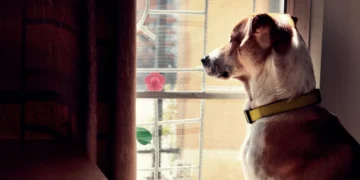






Quick take: Dog ectropion, often called a droopy eye, is a condition where the lower eyelid rolls outward, exposing the eye surface. It’s usually painless but can lead to irritation, infection, and vision problems if untreated. Mild cases are managed with eye drops, while moderate‑to‑severe cases often need surgery, which typically costs a few hundred to a few thousand dollars. Prompt veterinary care keeps your pup comfortable and protects their sight.
It’s 9 p.m., and you’ve just noticed your 7‑year‑old Bichon Frise, Milo, squinting while you’re trying to put his favorite plush toy in his mouth. His lower eyelid looks a little floppier than usual, and a faint crust forms along the rim. Your heart jumps—you’ve Googled “droopy eye” and the results are a mix of scary-sounding surgeries and vague home remedies. You wonder: Is this something that will hurt Milo? Can you fix it without putting him under anesthesia? Will it cost a fortune?
We get it. A droopy eye can feel like a small cosmetic quirk or a looming emergency, and the answer depends on how far the condition has progressed. In this guide, we’ll explain exactly what ectropion is, why certain breeds are prone, how to spot early signs, what tests your vet will run, and the full range of medical and surgical options—including costs, recovery, and home‑care tips. By the end, you’ll know exactly what steps to take tonight and how to keep Milo’s eyes bright for years to come.
What is dog ectropion?
Ectropion is a structural problem of the lower eyelid where the lid pulls away from the eye globe, leaving the inner surface exposed. Think of it as the eyelid “flipping out” instead of hugging the eye. This exposure can dry out the cornea, invite debris, and make the eye vulnerable to infections. In dogs, ectropion is most common in the lower eyelid, though the upper lid can be involved rarely.
It’s different from entropion, where the eyelid rolls inward and scrapes the cornea. Entropion usually causes immediate pain and ulceration, while ectropion often starts with mild irritation that can progress if left unchecked. According to the American College of Veterinary Ophthalmologists (ACVO), ectropion affects roughly 1–2 % of the general canine population, but the rate climbs to 10 % or higher in some predisposed breeds.
What causes it?
- Genetic predisposition: Certain breeds have naturally looser facial skin and eyelid tissue, making them more likely to develop ectropion.
- Age‑related laxity: Even dogs without a strong breed risk can develop eyelid laxity as the connective tissue weakens with senior age.
- Trauma or surgery: Injury to the eyelid or prior ocular procedures can stretch the lid and trigger ectropion.
- Underlying medical conditions: Chronic inflammation, severe allergies, or facial nerve disorders can exacerbate lid laxity.
Below is a quick breed‑risk snapshot:
| Breed (high risk) | Typical eyelid laxity |
|---|---|
| Bloodhound | Severe, often bilateral |
| Basset Hound | Moderate to severe |
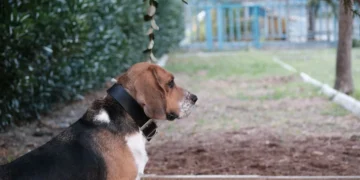
| Beagle | Moderate |
| English Bulldog | Mild to moderate |
| Shih Tzu | Often mild, can progress |
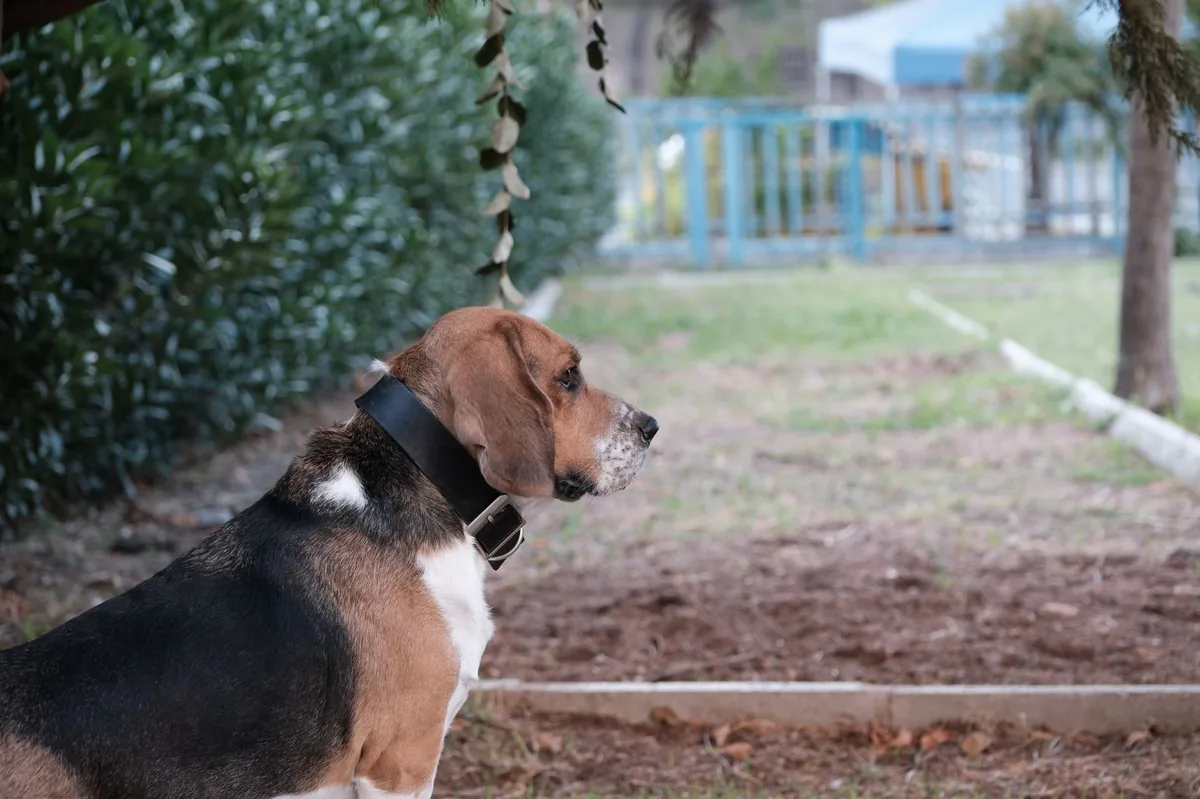
Even mixed‑breed or “average” dogs can develop ectropion, especially as they age. Knowing the risk factors helps you monitor early changes before they become problematic.
Signs and symptoms
Because ectropion often begins gently, owners may miss the first clues. Here’s a three‑tier guide to what you might notice:
| Stage | Typical signs |
|---|---|
| Mild | Lower lid appears slightly floppy; occasional clear discharge; occasional blinking. |
| Moderate | Persistent crusting or mucoid discharge; redness (conjunctivitis); occasional rubbing of the eye with the paw. |
| Severe | Corneal ulceration, scarring, chronic infection, noticeable vision loss, excessive tearing (epiphora). |
Other red‑flag symptoms include constant eye rubbing, frequent “wet” eyes, or a “wet‑look” that doesn’t clear after a few minutes. While ectropion itself isn’t painful, secondary irritation or infection can cause discomfort. If you see any of the severe signs, it’s time for urgent veterinary attention.
When to call your vet
- Call today: You notice a droopy lower lid, mild crusting, or occasional tearing that doesn’t resolve in a few hours.
- Go to an emergency clinic now: Your dog is rubbing the eye constantly, has a red or ulcerated cornea, is squinting, or has a sudden loss of vision.
This article is for information only and does not replace a hands‑on veterinary exam.
How vets diagnose it
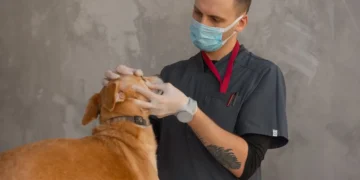
When you bring Milo in, the ophthalmologist will start with a thorough eye exam. The steps typically include:
- Physical inspection: The vet checks lid position, skin laxity, and any visible discharge.
- Fluorescein stain: A drop of fluorescein dye highlights corneal scratches or ulcers under a blue light.
- Schirmer tear test: Measures tear production to ensure the eye isn’t drying out.
- Palpebral fissure measurement: The distance between the lids is measured to quantify laxity.
- Full ocular health screen: Includes checking intraocular pressure and looking for cataracts or other co‑existing conditions.
These tests let the vet determine whether medical management will suffice or if surgical correction is needed to protect the cornea.
Treatment options
Medical treatment
For mild ectropion, most vets start with daily eye care to keep the surface moist and infection‑free:
- Artificial tears or lubricating ointments (e.g., carmellose sodium drops) applied 2–4 times daily.
- Topical antibiotics (e.g., neomycin‑polymyxin‑bacitracin ointment) if a bacterial infection is present.
- Anti‑inflammatory drops (e.g., ciclosporin ophthalmic) for chronic irritation.
- Allergy management—if allergies exacerbate eyelid swelling, antihistamines or omega‑3 supplements may help.
Ask your vet about each option; they’ll tailor the regimen to Milo’s weight, severity, and any concurrent health issues.
Supplements and supportive care
While supplements can’t fix the lid itself, they can reduce secondary inflammation and support overall eye health:
- Omega‑3 fatty acids (EPA/DHA): Found in fish oil, these help calm ocular surface inflammation.
- Vitamin A‑rich foods: Sweet potatoes and carrots provide nutrients that support corneal health.
- Probiotics: May improve gut immunity, indirectly reducing allergic eye reactions.
Only give supplements that are formulated for dogs and discuss dosage with your vet.
Procedures or surgery
When the lid is too lax for drops to protect the eye, surgical tightening—often called “lateral canthoplasty” or “eyelid shortening”—is recommended. The most common techniques include:
- Full‑thickness eyelid resection: Excess skin and muscle are removed, and the lid is sutured tighter.
- Partial‑thickness (Miller) technique: Only the skin and subcutaneous tissue are trimmed, preserving deeper structures.
- Laser‑assisted tightening: A newer, less invasive option that reduces bleeding.
Surgeries are usually done under general anesthesia and last 30–60 minutes. Most dogs go home the same day, though senior dogs may stay overnight for monitoring. Recovery typically involves a week of soft eye ointment, a protective Elizabethan collar, and limited activity to prevent rubbing.
Diet and nutrition
While no specific “ectropion diet” exists, feeding practices can influence overall eye health and the body’s ability to heal after surgery. Here are evidence‑based recommendations for dogs with ectropion:
| Do feed | Limit | Avoid |
|---|---|---|
| High‑quality protein (chicken, turkey, fish) to support tissue repair. | Excessive grain‑based fillers that can trigger allergies. | Highly processed treats with artificial colors or flavors. |
| Omega‑3 rich foods (salmon, sardines) or a vetted fish‑oil supplement. | High‑fat canned foods that may exacerbate inflammation. | Excessive dairy, which can be hard for some dogs to digest. |
| Vitamin A sources (sweet potatoes, carrots) for corneal health. | Raw bones that could splinter and cause oral trauma. | Salt‑heavy snacks that can increase systemic inflammation. |
When your dog is recovering from surgery, aim for a diet that’s easy on the stomach and high in digestible protein. Many owners find that a limited‑ingredient, grain‑free kibble paired with a small portion of boiled chicken works well for the first few days. Transition back to the regular diet over 5–7 days to avoid gastrointestinal upset.
Hydration is equally important. Encourage fresh water at all times, and consider adding a splash of low‑sodium broth to the bowl for extra moisture, especially if your dog is reluctant to drink after anesthesia.
If your vet recommends a prescription therapeutic diet—such as a “soft‑mouth” formula for post‑operative comfort—choose a brand that meets AAFCO nutrient profiles and avoid adding extra supplements unless directed.
Cost and prognosis
Financial considerations often influence treatment decisions. Below is a rough cost breakdown (USD and GBP) for typical ectropion care in the United States and United Kingdom. Prices vary by region, clinic, and whether your dog is a senior with additional health concerns.
| Service | US (estimate) | UK (estimate) |
|---|---|---|
| Initial ophthalmology exam | $150–$250 | £120–£200 |
| Fluorescein test & tear test | $30–$60 | £25–£50 |
| Medical management (drops, antibiotics, 4 weeks) | $80–$150 | £70–£130 |
| Surgical correction (full‑thickness resection) | $1,200–$2,500 | £900–£1,800 |
| Post‑op follow‑up (2‑3 visits) | $200–$400 | £150–£300 |
Most dogs recover fully with proper care. The prognosis for mild to moderate ectropion is excellent; surgery success rates exceed 90 % when performed by a board‑certified ophthalmologist. Severe, chronic corneal damage can reduce visual acuity, but even then, many dogs adapt well with the help of a protective eye shield.
Prevention and home care
- Regular eye checks: Gently lift the lower lid once a week to look for excess tearing, crusting, or redness.
- Keep the face clean: Wipe around the eyes with a warm, damp washcloth to remove debris.
- Allergy management: If your dog has seasonal allergies, discuss antihistamines or omega‑3 supplementation with your vet.
- Weight control: Overweight dogs can have increased facial skin laxity; maintaining an ideal body condition helps keep lids taut.
- Protect from trauma: Use a soft muzzle or protective eyewear during rough play or when hiking in dense brush.
- Annual vet exams: Include an eye exam in your dog’s routine health check, especially for breeds at risk.
For puppies with a genetic predisposition, early monitoring can catch ectropion before it worsens. While you can’t change a dog’s genetic makeup, good grooming, nutrition, and prompt treatment keep the condition from becoming a quality‑of‑life issue.
From our vet team: “If you notice any crusting or a droopy lid, start a gentle cleaning routine and schedule a vet visit within a few days. Most dogs respond well to lubricating drops, and surgery is a safe, predictable option when the eyelid can’t be tightened medically.”
Key takeaways
- Ectropion is an outward‑rolling lower eyelid that can lead to eye irritation but is usually painless.
- Breeds like Bloodhounds, Basset Hounds, and Beagles are most at risk, though any dog can develop it with age.
- Early signs include mild drooping, crusting, and occasional tearing; severe cases show redness, ulceration, or vision loss.
- Medical management with lubricating drops often controls mild cases; surgery is the definitive fix for moderate‑to‑severe ectropion.
- Costs range from a few hundred dollars for drops to $1,200–$2,500 for surgery; recovery is typically 1–2 weeks.
- Regular eye cleaning, allergy control, and weight management help prevent progression.
Myth vs. fact
Myth: Ectropion always causes severe pain.
Fact: The condition itself isn’t painful, but secondary irritation or infection can cause discomfort.
Myth: Surgery is risky and should be avoided.
Fact: When performed by a board‑certified ophthalmologist, ectropion surgery has a >90 % success rate and low complication risk.
Myth: Only “purebred” dogs get ectropion.
Fact: Mixed‑breed and senior dogs can develop eyelid laxity, especially if they have facial skin folds or a history of eye trauma.
Frequently asked questions
What is ectropion in dogs?
Ectropion is a condition where the lower eyelid rolls outward, exposing the inner eye surface and potentially leading to dryness and infection.
What are the signs of ectropion in a dog?
Look for a droopy lower lid, crusty discharge, excessive tearing, redness, and if untreated, corneal ulceration or vision loss.
Is ectropion in dogs painful?
The ectropion itself isn’t painful, but secondary irritation, infection, or ulceration can cause discomfort that your dog may show by rubbing the eye or squinting.
Can ectropion be fixed with surgery?
Yes. Surgical tightening of the eyelid (often called a canthoplasty) is the standard treatment for moderate‑to‑severe cases and has a high success rate.
How much does ectropion surgery cost for a dog?
In the U.S., surgery typically costs $1,200–$2,500, while in the U.K. it ranges from £900–£1,800. Costs vary by clinic, region, and any additional pre‑ or post‑operative care.
Which dog breeds are most likely to develop ectropion?
Bloodhounds, Basset Hounds, Beagles, English Bulldogs, and Shih Tzus have the highest genetic predisposition, but any breed can develop it, especially as they age.
Ask the PuppaDogs community
Have a question this article didn’t fully answer? Want to compare notes with other dog owners who’ve been through this? Our community forum is moderated by experienced owners and vets — and answers tend to come fast. Ask in the PuppaDogs community →
References
- American College of Veterinary Ophthalmologists (ACVO). “Ectropion in Dogs.” Clinical Guidelines, 2022.
- American Animal Hospital Association (AAHA). “Eye Care Standards for Companion Animals.” 2023.
- Merck Veterinary Manual. “Ectropion, Canine.” Chapter 21, 2021.
- American Veterinary Medical Association (AVMA). “Canine Ocular Disorders.” Position Statement, 2020.
- World Small Animal Veterinary Association (WSAVA). “Guidelines for Ocular Health.” 2022.
- Cornell University College of Veterinary Medicine. “Eye Exams and Diagnostic Tests.” 2023.
- American Kennel Club (AKC). “Breed Health Surveys: Basset Hound, Bloodhound, Beagle.” 2021.
- Plumb’s Veterinary Drug Handbook. “Topical Ophthalmic Medications.” 9th edition, 2020.
- US Department of Agriculture (USDA). “AAFCO Nutrient Profiles for Dog Food.” 2022.


