
















Quick take: Cyanosis in dogs is a bluish discoloration of the gums, tongue, or skin that signals low oxygen in the blood. It’s usually a sign of an urgent heart, lung, or blood problem, so call your vet right away—if your dog is struggling to breathe, head to an emergency clinic immediately.
It’s 9 p.m., you’re scrolling through pet forums, and you notice your 8‑year‑old mixed‑breed Labrador’s gums look a strange, muted blue instead of the healthy pink you’re used to. Your heart races. You wonder if it’s just a harmless shade change or something that could be life‑threatening.
First, breathe. You’re not alone—many owners spot this subtle sign before a serious condition is diagnosed. In this guide we’ll explain exactly what cyanosis is, why it happens, how to recognize it, what to do right now, and how vets treat it. We’ll also cover costs, diet tweaks, prevention tips, and the best questions to ask your vet.
By the end you’ll know when cyanosis is an emergency, what tests your vet will run, and how you can help your dog recover safely.
What is cyanosis in dogs?
Cyanosis is a bluish‑purple tint that shows up on a dog’s mucous membranes (gums, tongue) or skin when there isn’t enough oxygen bound to the red blood cells. In plain language, the blood is “low‑oxygen” and the color change is a visual clue. It’s different from pallor, which is a paleness caused by reduced red blood cell numbers (anemia) rather than low oxygen.
In dogs, cyanosis is relatively uncommon but can appear in any breed when a serious underlying problem interferes with oxygen transport. The American College of Veterinary Internal Medicine (ACVIM) notes that cyanosis is a red‑flag sign that warrants immediate veterinary evaluation.
What causes cyanosis in dogs?
Three broad categories drive the bluish hue:
| Category | Typical Causes |
|---|---|
| Cardiac (heart) | Congenital heart defects, heart failure, valvular disease, cardiomyopathy, arrhythmias |
| Respiratory (lung) | Pneumonia, chronic bronchitis, pulmonary edema, airway obstruction, severe asthma, trauma |
| Hematologic / Toxic | Severe anemia, methemoglobinemia from certain drugs or toxins (e.g., acetaminophen, nitrites), blood clots |
Other risk factors include:
- Older dogs with declining cardiac function
- Breeds predisposed to heart disease (Cavalier King Charles Spaniel, Doberman Pinscher, Boxer)
- Exposure to smoke, high‑altitude environments, or carbon monoxide
- Ingestion of certain chemicals or foods that affect hemoglobin
Signs and symptoms
The first clue is often a subtle change in gum or tongue color, but other signs may accompany it. Below is a quick visual guide.
| Severity | What you might see |
|---|---|
| Mild | Gums or tongue have a faint blue tint; dog is still active, breathing normal |
| Moderate | Clear blue‑gray gums, tongue, or paw pads; mild panting, reduced stamina, slight lethargy |
| Severe | Deep blue or purple coloration, especially on lips and tongue; rapid breathing, weakness, collapse, cyanotic nail beds |
Other accompanying symptoms can include:
- Labored or rapid breathing (tachypnea)
- Weak pulse or irregular heart rhythm
- Exercise intolerance or reluctance to play
- Vomiting or coughing (if lung disease is present)
- Sudden collapse or fainting episodes

When to call your vet
Call your regular vet today if you notice any blue discoloration of the gums, tongue, or skin, even if your dog seems otherwise normal. Describe the color change, breathing rate, and any recent exposures (e.g., smoke, new medications).
Go to an emergency veterinary hospital right now if your dog shows any of the following:
- Deep blue or purple gums/tongue
- Rapid, labored breathing or gasping for air
- Weakness, collapse, or inability to stand
- Severe lethargy, unresponsiveness, or seizures
These signs mean oxygen levels are dangerously low and immediate oxygen therapy may be life‑saving.
This article is for informational purposes only and does not replace professional veterinary care.
How vets diagnose cyanosis
Diagnosis begins with a thorough history: recent illnesses, medications, environmental exposures, and any known heart or lung disease. The physical exam focuses on:
- Assessing mucous membrane color under natural light
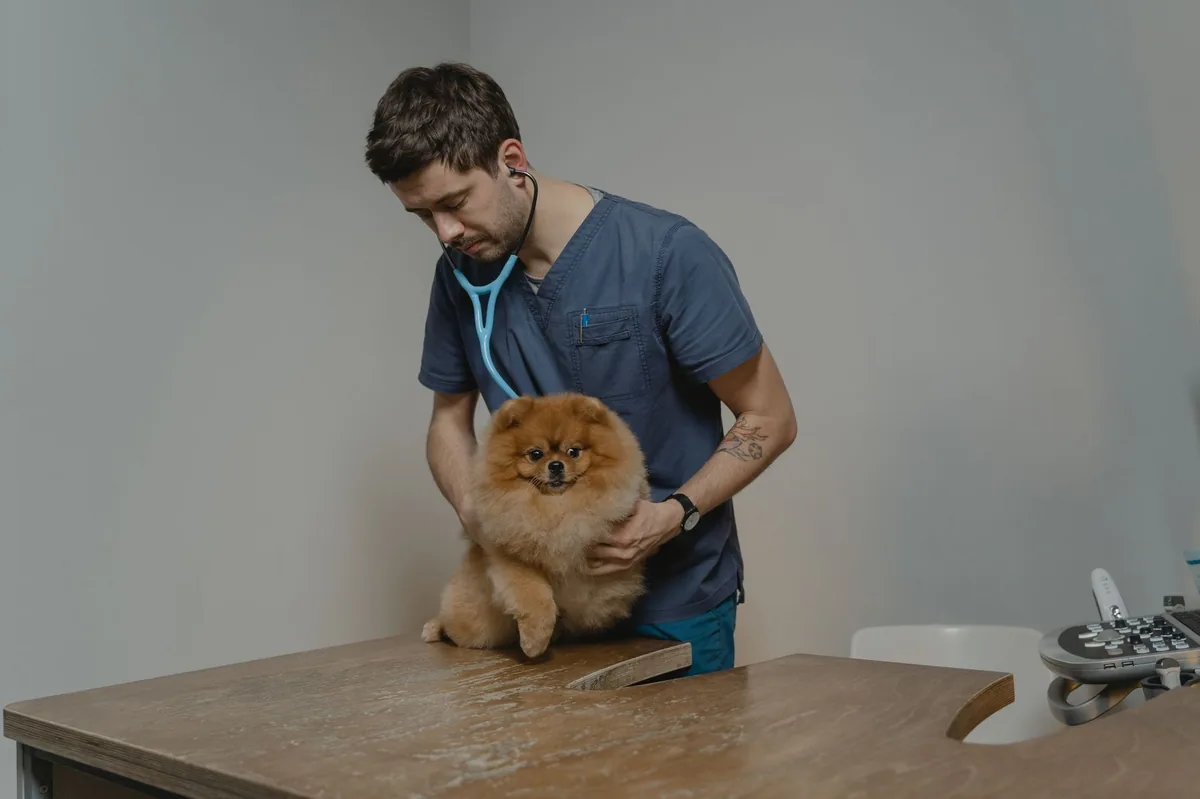
- Listening to heart and lung sounds with a stethoscope
- Checking pulse quality and capillary refill time
Key diagnostic tests include:
- Pulse oximetry: a non‑invasive clip that measures blood oxygen saturation (SpO₂). Values below 90 % often correlate with cyanosis.
- Arterial blood gas analysis: looks at oxygen (PaO₂) and carbon dioxide levels, confirming hypoxemia.
- Complete blood count (CBC): rules out anemia or methemoglobinemia.
- Chest X‑rays or ultrasound: visualize lung fields, fluid, or cardiac enlargement.
- Echocardiogram: detailed heart imaging to detect structural defects or heart failure.
- Electrocardiogram (ECG): identifies arrhythmias that could reduce oxygen delivery.
All of these tests help the vet pinpoint the root cause and guide treatment.
Treatment options
Medical treatment
First‑line care is usually supplemental oxygen, delivered via mask, cage‑top flow‑through systems, or a nasal cannula. The goal is to raise blood oxygen to safe levels while the underlying problem is addressed.
Depending on the cause, vets may prescribe:
- Diuretics (e.g., furosemide) for fluid‑filled lungs caused by heart failure
- Bronchodilators (e.g., theophylline) for airway constriction
- Antibiotics if a bacterial pneumonia is suspected
- ACE inhibitors (e.g., enalapril) for chronic heart disease
- Anticoagulants (e.g., clopidogrel) if blood clots are contributing
- Methylene blue for methemoglobinemia, a toxin‑induced form of cyanosis (your vet will decide dosage)
Each medication is chosen based on the underlying diagnosis, and your vet will tailor the dose to your dog’s weight and severity. Our dosage calculators can help you understand how weight influences medication amounts.
Supplements and supportive care
While supplements cannot replace medical therapy, a few may aid recovery when oxygen levels are low:
- Omega‑3 fatty acids (EPA/DHA) – anti‑inflammatory, useful for heart or lung disease; ask your vet about a high‑quality fish‑oil supplement.
- Coenzyme Q10 – supports cardiac muscle energy production; evidence is modest but safe for most dogs.
- Probiotics – help maintain gut health during antibiotic courses.
Only introduce supplements after discussing them with your vet, especially if your dog is on multiple prescriptions.
Procedures or surgery
If a structural heart defect (e.g., patent ductus arteriosus) or severe airway obstruction is identified, surgery may be curative. Typical steps involve:
- Pre‑operative blood work and imaging
- General anesthesia with careful monitoring of oxygenation
- Corrective surgery (e.g., ligation of a shunt, valve repair)
- Post‑operative ICU care with oxygen and pain management
Recovery can take 2–4 weeks for most cardiac surgeries, with a gradual return to activity. Costs vary widely; see the cost section for estimates.
Diet and nutrition
Good nutrition supports the heart and lungs, helping your dog maintain optimal oxygen transport. While there is no “cure‑diet” for cyanosis, certain feeding strategies can reduce the strain on the cardiovascular and respiratory systems.
Focus on highly digestible, moderate‑protein foods that provide essential amino acids without overloading the kidneys. Prescription therapeutic diets labeled “cardiac” or “renal” are formulated to be low‑sodium and low‑phosphorus, which can be beneficial for dogs with heart disease or chronic lung issues.
Here are practical feeding guidelines:
| Do feed | Limit | Avoid |
|---|---|---|
| High‑quality kibble or wet food with 18–22 % protein, 10–12 % fat, and added omega‑3s | Table scraps high in sodium or fat | Excessively salty treats, processed meats, or cheese |
| Cooked sweet potatoes, pumpkin, and green beans for fiber and antioxidants | Raw bones that could splinter | High‑fat “human‑grade” foods (bacon, sausage) |
| Prescription cardiac diet (e.g., low‑sodium) if recommended by your vet | Large meals late at night (can increase respiratory effort) | Unregulated “raw” diets without veterinary oversight |
When a dog is recovering from a heart or lung episode, it may need smaller, more frequent meals (e.g., 3–4 times daily) to avoid over‑loading the digestive system, which can indirectly affect breathing.
Transition any new food gradually over 7–10 days: mix 25 % new food with 75 % old, then increase the new portion each few days. This helps prevent gastrointestinal upset, especially if your dog is on antibiotics.
Hydration is also crucial. Encourage fresh water and consider adding a splash of low‑sodium broth to make drinking more enticing. For dogs with heart failure, your vet may advise fluid restriction, so follow those instructions precisely.
Finally, maintain a healthy weight. Overweight dogs have higher cardiac workload and reduced pulmonary capacity. Use the body condition calculator to monitor ideal weight and adjust portions accordingly.
Cost and prognosis
Because cyanosis signals an underlying emergency, costs can vary widely. Below are typical ranges in the United States and United Kingdom (converted to local currency where applicable). Prices are estimates based on 2023‑2024 data from the AAHA and veterinary practice surveys.
| Service | US estimate | UK estimate |
|---|---|---|
| Emergency exam & initial stabilization | $250–$500 | £150–£300 |
| Oxygen therapy (hourly) | $30–$60 per hour | £20–£40 per hour |
| Chest X‑ray | $150–$250 | £120–£200 |
| Echocardiogram | $300–$600 | £250–£500 |
| Medications (first 2 weeks) | $100–$250 | £80–£180 |
| Cardiac surgery (if needed) | $5,000–$12,000 | £4,000–£9,000 |
Prognosis depends on the root cause. Dogs with reversible conditions (e.g., toxin exposure, treatable pneumonia) often recover fully within days to weeks. Chronic heart disease may require lifelong management, but many dogs maintain a good quality of life with medication and diet adjustments.
Prevention and home care
While you can’t always stop a heart defect from forming, you can reduce the risk of cyanosis episodes:
- Regular veterinary check‑ups: Annual exams for senior dogs catch early heart murmurs or lung changes.
- Weight management: Keep your dog at an optimal body condition score (BCS 4–5/9).
- Avoid smoke and pollutants: Second‑hand smoke and high‑altitude travel can lower oxygen levels.
- Safe medications: Never give over‑the‑counter human drugs (e.g., acetaminophen) without vet approval.
- Vaccinations and parasite control: Prevent respiratory infections that could lead to pneumonia.
- Monitor breathing: Notice any sudden changes in rate, effort, or sound (wheezing, barking).
At home, keep a pulse oximeter handy if your dog has a known heart condition. Some pet owners find it useful for tracking trends between vet visits. Always record observations and share them with your vet during follow‑up appointments.
From our vet team: “Seeing a blue tint is alarming, but it’s also a clear call to action. Most of the time, prompt oxygen and targeted treatment turn a scary night into a manageable recovery. Keep calm, call your vet, and let the professionals handle the rest.”
Key takeaways
- Cyanosis is a blue discoloration of gums, tongue, or skin that signals low blood oxygen and requires immediate veterinary attention.
- Common causes include heart disease, lung problems, severe anemia, and toxin‑induced methemoglobinemia.
- Give your dog oxygen as soon as possible and head to an emergency clinic if breathing is labored or the color is deep blue.
- Diagnosis involves pulse oximetry, blood work, chest imaging, and possibly an echocardiogram.
- Treatment ranges from supplemental oxygen and medications to surgery for structural heart defects.
- Maintain a healthy weight, feed a low‑sodium, high‑quality diet, and keep up with regular vet visits to reduce future episodes.
Myth vs. fact
Myth: Cyanosis is the same as anemia.
Fact: Anemia reduces red blood cell numbers, causing pallor, while cyanosis is a color change from low oxygen saturation; the two can coexist but are distinct conditions.
Myth: If the gums look slightly blue, it’s probably just a harmless pigment change.
Fact: Even a faint bluish hue can indicate hypoxemia; any blue discoloration warrants a vet call because it may be the first sign of a serious disease.
Myth: Home remedies like “breathing exercises” can fix cyanosis.
Fact: Dogs cannot perform voluntary breathing exercises; only veterinary oxygen therapy and treatment of the underlying cause can correct cyanosis safely.
Frequently asked questions
What causes a dog’s gums to turn blue?
The blue color appears when blood isn’t carrying enough oxygen, often due to heart failure, lung disease, severe anemia, or exposure to toxins that interfere with hemoglobin.
Can cyanosis be a sign of heart disease in dogs?
Yes. Cardiac conditions like congestive heart failure or congenital defects can reduce oxygen delivery, leading to cyanosis. Your vet will evaluate heart function with an echo and ECG.
How quickly should I get my dog to the vet if I suspect cyanosis?
If you see any blue tint, call your regular vet right away. If the dog is breathing rapidly, panting heavily, or appears weak, go to an emergency clinic immediately—time is critical for oxygen therapy.
Is cyanosis reversible in dogs?
In many cases, yes. If the underlying cause (e.g., toxin exposure, infection) is treated promptly, the blue discoloration can fade within hours to days. Chronic heart disease may cause recurring episodes that need ongoing management.
What tests does a vet run to diagnose cyanosis?
Vets typically use pulse oximetry, arterial blood gas analysis, CBC, chest X‑rays, and an echocardiogram to identify low oxygen and its source.
Are certain dog breeds more likely to develop cyanosis?
Breeds prone to heart disease—such as Cavalier King Charles Spaniels, Doberman Pinschers, and Boxers—are at higher risk for cyanosis because cardiac problems often lower blood oxygen.
Ask the PuppaDogs community
Have a question this article didn’t fully answer? Want to compare notes with other dog owners who’ve been through this? Our community forum is moderated by experienced owners and vets — and answers tend to come fast. Ask in the PuppaDogs community →
References
- American College of Veterinary Internal Medicine (ACVIM). “Guidelines for the Diagnosis and Treatment of Canine Heart Disease.” 2023.
- American Animal Hospital Association (AAHA). “Emergency Care Standards for Small Animals.” 2022.
- Merck Veterinary Manual. “Cyanosis in Dogs.” Updated 2024.
- World Small Animal Veterinary Association (WSAVA). “Respiratory Emergencies in Dogs.” 2023.
- Veterinary Clinics of North America: Small Animal Practice. “Methemoglobinemia in Dogs: Toxicology and Management.” 2022.
- American Veterinary Medical Association (AVMA). “Pet Owner Guide to Cardiovascular Disease.” 2023.
- Cornell University College of Veterinary Medicine. “Pulse Oximetry in Small Animals.” 2024.
- AAFP (American Academy of Family Physicians). “Recognizing Cyanosis in Companion Animals.” 2022.


