







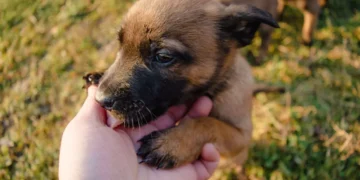
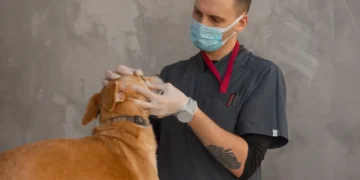






Quick take: Cryptorchidism in dogs is a condition where one or both testicles fail to descend into the scrotum. It’s not life‑threatening right away, but untreated dogs risk cancer, torsion, and infertility. Surgery (cryptorchidectomy) is safe and usually performed before the puppy is six months old. Expect a modest cost and a quick recovery with proper post‑op care.
It’s 9 p.m., the living room lamp casts a soft glow, and you’re watching your 8‑month‑old boxer puppy try to “stand” on his hind legs for a treat. You notice his left side looks flatter, and when you gently feel his abdomen, a small, firm lump feels like a testicle that never made it down. A wave of worry hits you, and Google searches start. You wonder: “Is this normal? Do I need surgery? Will he ever be able to breed?”
We get it—seeing a hidden testicle can feel like a mystery you weren’t prepared for. The good news is that cryptorchidism in dogs is a well‑understood developmental issue, and most vets have a clear plan to address it. In this guide we’ll explain what cryptorchidism is, how to spot it, why prompt treatment matters, what the surgery involves, how much it costs, and how to keep your dog comfortable afterward. We’ll also cover breed predispositions, genetics, diet tips for recovery, and ways to prevent future cases.
By the end of this article you’ll know exactly what to look for, when to call the vet, and how to support your pup through surgery and beyond. Let’s dive in.
What is cryptorchidism in dogs?
Cryptorchidism (from Greek “kryptos” = hidden and “orchis” = testicle) describes a male dog whose one or both testicles remain inside the abdomen or inguinal canal instead of descending into the scrotum. Normally, testicles move down between 6 weeks and 4 months of age. When they stay hidden, the condition is called “undescended testicle(s)”.
In dogs, cryptorchidism affects roughly 1–5 % of male puppies, according to the American College of Veterinary Surgeons (ACVS). Certain breeds—especially larger and working breeds—show a higher prevalence, which we’ll explore later. The condition itself isn’t painful, but the retained testicle is prone to torsion (twisting) and cancer, especially Sertoli cell tumors.
What causes it?
The exact cause isn’t fully understood, but several factors increase the odds:
| Factor | Explanation |
|---|---|
| Genetics | Inherited genes that affect hormone signaling or abdominal development. Certain breeds have a documented higher risk. |
| Hormonal imbalance | Insufficient testosterone or disrupted luteinizing hormone (LH) during the critical descent window. |
| Environmental influences | Exposure to endocrine‑disrupting chemicals (e.g., certain pesticides) during gestation may affect fetal testicular migration. |
| Physical blockage | Congenital defects in the inguinal canal can physically prevent descent. |
Breeds most commonly reported with cryptorchidism include:
| Breed | Approximate incidence |
|---|---|
| Boxer | ~5 % |
| German Shepherd | ~3 % |
| Golden Retriever | ~2 % |
| Doberman Pinscher | ~2 % |
| Rottweiler | ~2 % |
| Mixed‑breed (large) | ~1‑3 % |
While the condition can appear in any male dog, these numbers give a sense of where the genetic risk is highest. If you own a breed on this list, a routine check during the puppy exam is especially important.
Signs and symptoms
Because the undescended testicle sits inside the body, many owners never see an obvious lump. The most common clues are:
- Asymmetrical abdomen—one side feels firmer or has a small bulge.
- Absence of a testicle in the scrotum while the opposite side feels normal.
- Reduced muscle tone on the affected side, sometimes mistaken for a “soft belly”.
- Occasional pain or tenderness if the testicle twists (torsion).
| Severity | Signs |
|---|---|
| Mild | One testicle missing from scrotum; abdomen feels normal to touch. |
| Moderate | Firm lump in inguinal region; subtle gait changes or hesitancy to run. |
| Severe | Acute abdominal pain, vomiting, or a rapidly enlarging mass—possible torsion or tumor. |
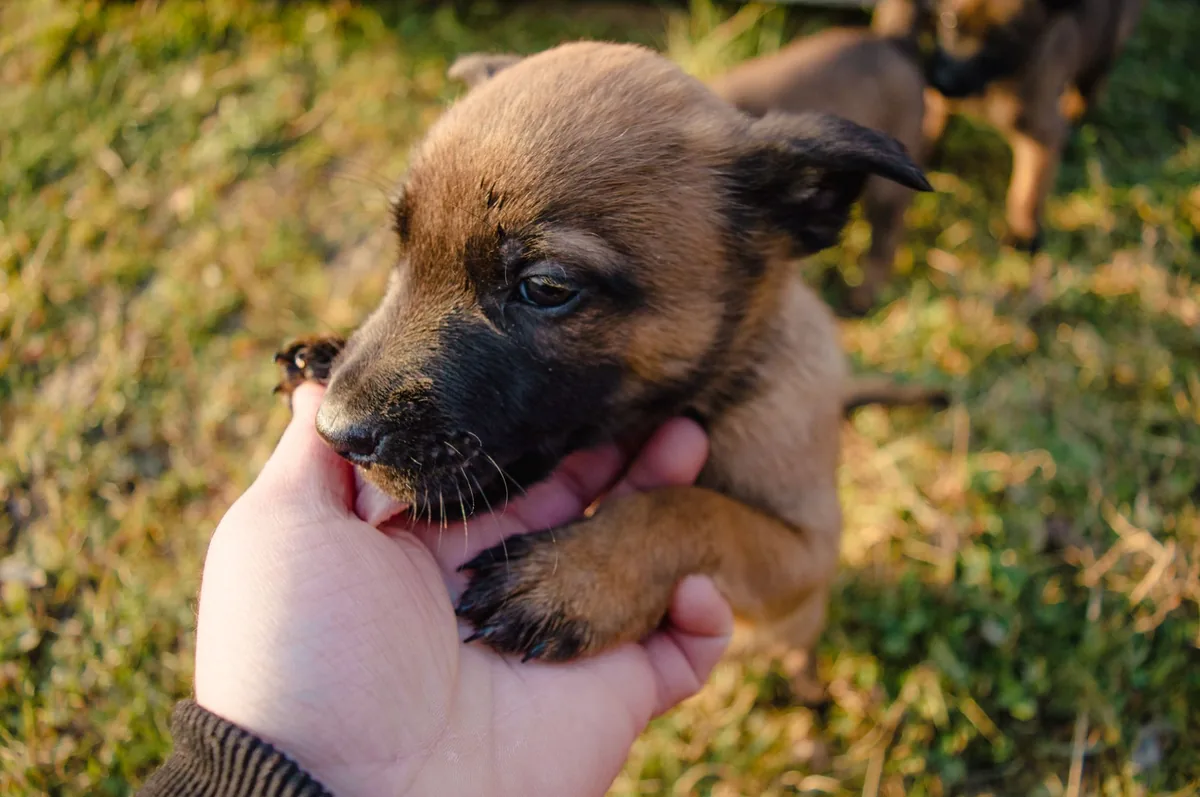
Early detection is key. A gentle hand check—placing your thumb on each side of the scrotum and feeling the abdomen—can reveal a hidden testicle before any complications arise.
When to call your vet
Call your vet today if you notice any of the mild or moderate signs listed above—especially if one testicle is absent from the scrotum or you feel a firm spot in the abdomen.
Go to an emergency veterinary hospital right now if your dog shows severe signs: sudden abdominal pain, vomiting, rapid swelling of the abdomen, or signs of distress. These could indicate torsion or a rapidly growing tumor, both of which need urgent surgery.
Remember, this article is for information only. Always trust a professional examination for a definitive diagnosis.
How vets diagnose cryptorchidism
Diagnosing an undescended testicle is usually straightforward, but vets use a stepwise approach to confirm the location and rule out complications:
- Physical exam: The vet gently palpates the scrotum, inguinal canal, and abdomen. A skilled hand can often feel the hidden testicle.
- Ultrasound: An abdominal ultrasound visualizes the testicle’s exact position, size, and any abnormal tissue. This is the gold standard for locating a cryptorchid testicle.
- Radiography (X‑ray): In some cases, especially when the testicle is high in the abdomen, an X‑ray can help map its location.
- Hormone testing: Measuring serum testosterone or luteinizing hormone can confirm that functional testicular tissue is present, especially useful if the testicle is very small or hidden.
These diagnostics are painless for the dog and give the surgeon a clear roadmap for the upcoming procedure.
Treatment options
Medical treatment
There is no medical cure for cryptorchidism; the condition itself can’t be “treated” with drugs. However, if a retained testicle becomes inflamed or infected before surgery, veterinarians may prescribe:
- Non‑steroidal anti‑inflammatory drugs (NSAIDs) such as carprofen or meloxicam for pain and swelling.
- Broad‑spectrum antibiotics (e.g., amoxicillin‑clavulanate) if an infection is suspected.
- Hormonal therapy is rarely used and only in experimental settings; it does not replace surgery.
All medication decisions should be discussed with your vet—ask your vet about these options if your dog shows discomfort before the planned surgery.
Supplements and supportive care
While supplements won’t reverse cryptorchidism, they can aid recovery after surgery. Evidence‑based choices include:
- Omega‑3 fatty acids (EPA/DHA): Help reduce post‑operative inflammation and support joint health.
- Vitamin C and E: Antioxidants that may assist tissue healing when given at normal dietary levels.
- Probiotics: Maintain gut health during a short course of antibiotics, if prescribed.
Always check with your vet before adding any supplement, especially if your dog is on medication.
Procedures or surgery
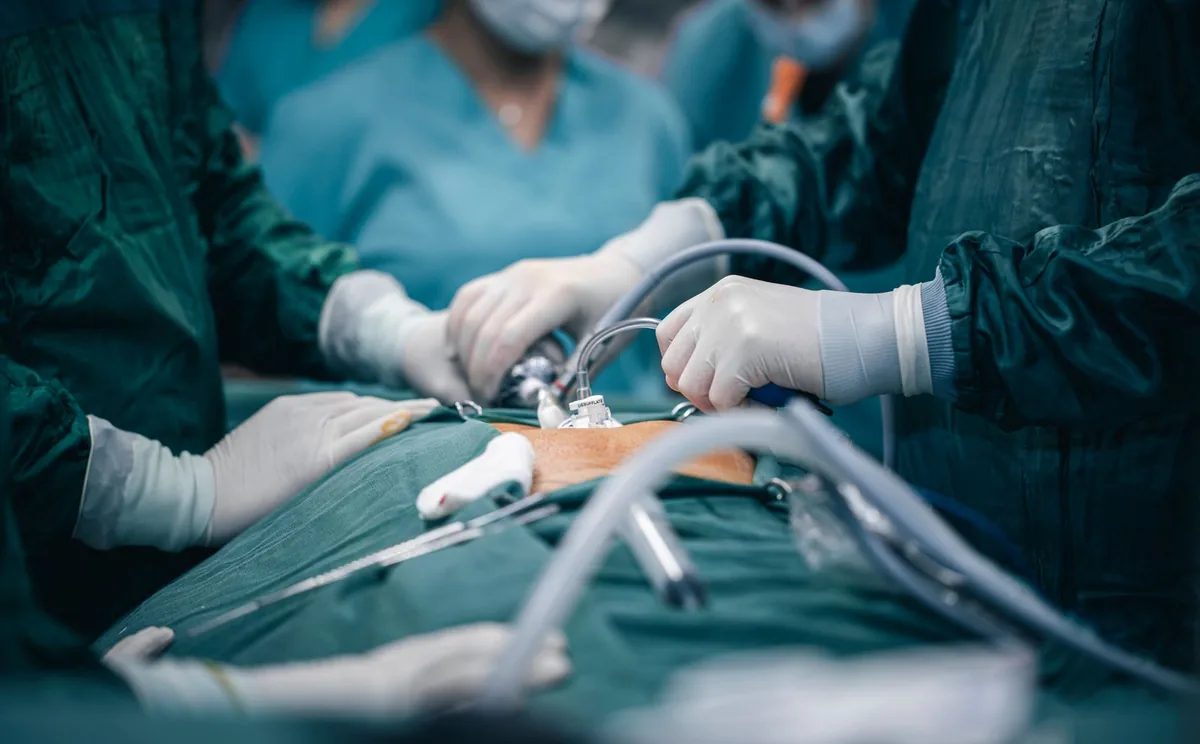
The definitive treatment is a cryptorchidectomy—removing the undescended testicle. The surgery can be performed via two main techniques:
- Open abdominal cryptorchidectomy: A small incision in the abdomen allows the surgeon to locate and excise the testicle. This is the most common approach for abdominally retained testes.
- Laparoscopic cryptorchidectomy: Using a tiny camera and specialized instruments, the vet removes the testicle through even smaller incisions. Laparoscopy often results in less post‑operative pain and a quicker return to normal activity.
Most vets recommend surgery before the puppy is six months old, because the testicle is smaller and the recovery is smoother. In adult dogs, the procedure is still safe but may require a slightly larger incision and a longer recuperation period.
During the operation, the dog is under general anesthesia, and the surgical site is closed with absorbable sutures. The entire procedure typically lasts 30–60 minutes.
Diet and nutrition
Nutrition plays a supportive role in healing after any surgery. After cryptorchidectomy, your dog’s body needs quality protein, moderate fat, and the right balance of vitamins and minerals to rebuild tissue, maintain immune function, and keep energy levels stable.
What to feed:
- Highly digestible protein: Choose a diet with at least 22 % protein from sources like chicken, turkey, or salmon. This supplies the amino acids needed for wound repair.
- Moderate fat (10‑15 % of calories): Healthy fats, especially those rich in omega‑3 fatty acids, help control inflammation.
- Complex carbohydrates: Sweet potato, pumpkin, or oatmeal provide steady energy without overloading the stomach.
- Essential vitamins and minerals: Vitamin A, zinc, and selenium support skin and tissue health. Commercial dog foods formulated to AAFCO standards already contain these.
What to limit or avoid:
- Excessive treats or high‑fat table scraps: These can cause gastrointestinal upset and delay healing.
- Raw bones: While many owners feed raw, hard bones risk splintering when a dog’s bite force is reduced during recovery.
- Highly processed foods with artificial additives: They provide little nutritional benefit and may irritate the gut, especially if antibiotics are used.
Many owners wonder whether a “prescription diet” is needed after cryptorchid surgery. Generally, a high‑quality, balanced adult diet is sufficient. However, if your dog has concurrent conditions (e.g., kidney disease, obesity), your veterinarian may recommend a therapeutic formula—such as a renal‑support or weight‑management diet—to address those needs.
Feeding schedule:
- Offer smaller, more frequent meals (3–4 times daily) for the first 48 hours to reduce nausea and encourage steady nutrient intake.
- Gradually transition back to the regular feeding schedule over a week, monitoring stool consistency and appetite.
Hydration is equally important. Fresh water should always be available, and you can add a splash of low‑sodium broth to encourage drinking if your dog seems reluctant.
Here’s a quick reference:
| Do feed | Limit | Avoid |
|---|---|---|
| High‑quality adult kibble or wet food with ≥22 % protein | Treats >10 % of daily calories | Raw bones |
| Cooked sweet potato, pumpkin, or carrots | Fatty table scraps | Highly processed junk food |
| Omega‑3 supplement (fish oil) if approved | Excessive dairy | Artificial additives |
Finally, keep a short “recovery checklist” handy: fresh water, bland meals, a quiet resting area, and a short leash walk after the 48‑hour pain‑free window. Your dog’s appetite should return within a few days; if it doesn’t, call the vet.
Cost and prognosis
Financial considerations are part of any veterinary decision. The price of a cryptorchidectomy varies by region, clinic size, and whether the surgery is done laparoscopically.
| Region | Typical cost range (USD / GBP) | What’s included |
|---|---|---|
| United States (general practice) | $800–$1,500 / £600–£1,200 | Anesthesia, surgical fees, post‑op pain meds, basic labs. |
| United Kingdom (private clinic) | £650–£1,300 / $900–$1,800 | Same as US; may include a follow‑up exam. |
| Veterinary teaching hospitals | $600–$1,200 / £500–£1,000 | Often lower fees but may involve student participation. |
Factors that affect cost include:
- Age and size of the dog (larger dogs need more anesthesia time).
- Type of anesthesia (standard vs. advanced monitoring).
- Laparoscopic vs. open technique (laparoscopy can be slightly pricier but may reduce recovery days).
- Geographic location—urban clinics often charge more than rural practices.
Prognosis after surgery is excellent. Most dogs recover fully within 2–3 weeks, with a low risk of complications when post‑op instructions are followed. The removal eliminates the risk of testicular cancer and torsion, and it does not affect overall health or lifespan.
Prevention and home care
Because cryptorchidism is largely genetic, the most effective prevention is responsible breeding. If you own a breed with a known predisposition, discuss pedigree testing and breeding recommendations with your veterinarian before planning litters.
For owners of intact males, regular home checks are simple:
- Starting at 8 weeks, gently feel each side of the scrotum and the lower abdomen weekly.
- Look for any asymmetry, firmness, or a missing testicle.
- Document any changes with photos or notes to share with the vet.
After surgery, follow these home‑care steps:
- Restricted activity: Keep the dog on a leash and limit running or jumping for 10–14 days.
- Incision monitoring: Check the suture line daily for swelling, redness, or discharge.
- Pain management: Administer any prescribed NSAIDs or analgesics exactly as directed.
- Nutrition: Stick to the diet plan outlined above, and keep treats minimal.
- Follow‑up visit: Schedule a re‑check 7–10 days post‑op to ensure proper healing.
By keeping a close eye on the incision and limiting excitement, most dogs bounce back to their playful selves within two weeks.
From our vet team: “We’ve seen dozens of cryptorchid puppies, and the key is early detection. A quick hand‑check at home can catch the issue before it ever becomes an emergency. Once the testicle is removed, the dog’s life returns to normal—no chronic pain, no cancer risk, and no infertility worries for future breeding decisions.”
Key takeaways
- Cryptorchidism means one or both testicles stay hidden inside the abdomen or inguinal canal.
- Gentle weekly palpation of the scrotum and lower abdomen can reveal an undescended testicle early.
- Prompt surgical removal (cryptorchidectomy) prevents cancer, torsion, and future fertility issues.
- Recovery is usually 2–3 weeks; provide a soft diet, limited activity, and follow‑up pain meds.
- Breeds like Boxers, German Shepherds, and Golden Retrievers have a higher hereditary risk—talk to your vet before breeding.
- Costs range from $600–$1,500 (US) or £500–£1,300 (UK), depending on technique and clinic.
Myth vs. fact
Myth: A cryptorchid dog will inevitably develop testicular cancer.
Fact: While the risk of Sertoli cell tumors is higher, many undescended testicles never become cancerous. Surgery eliminates that risk.
Myth: Surgery is extremely painful and takes months to recover.
Fact: Modern surgical techniques, especially laparoscopy, cause minimal discomfort. Most dogs feel back to normal within two weeks.
Myth: A cryptorchid dog can’t breed at all.
Fact: If only one testicle is retained, the dog can still be fertile, but most owners elect to neuter to avoid passing the trait to offspring.
Frequently asked questions
What does cryptorchidism look like in a dog?
Direct answer: One or both testicles are missing from the scrotum and may feel like a firm lump in the abdomen. The dog’s belly might feel slightly asymmetrical, and the scrotum will appear smaller on the affected side.
Why does my dog have an undescended testicle?
Direct answer: It’s usually a genetic or hormonal issue that prevents the testicle from descending during the first few months of life. Certain breeds are predisposed, and environmental endocrine disruptors can also play a role.
When should I have my dog’s cryptorchidism surgically corrected?
Direct answer: Most veterinarians recommend surgery before six months of age, when the testicle is still small and the recovery is smoother. Adult dogs can still have the procedure safely, but the incision may be larger.
Will my dog be in pain after cryptorchidectomy?
Direct answer: Some mild discomfort is normal, but veterinarians prescribe pain medication to keep your dog comfortable for the first 48‑72 hours. With proper meds and a calm environment, most dogs resume normal activities quickly.
Does cryptorchidism increase the chance of testicular cancer?
Direct answer: Yes, the risk is higher—especially for Sertoli cell tumors—but not every undescended testicle becomes cancerous. Removing the testicle eliminates that risk entirely.
How much does the surgery usually cost?
Direct answer: In the United States, expect $800–$1,500; in the United Kingdom, £650–£1,300. Prices vary by clinic, location, and whether a laparoscopic approach is used. Check with your vet for a detailed estimate.
Ask the PuppaDogs community
Have a question this article didn’t fully answer? Want to compare notes with other dog owners who’ve been through this? Our community forum is moderated by experienced owners and vets — and answers tend to come fast. Ask in the PuppaDogs community →
References
- American College of Veterinary Surgeons (ACVS). “Cryptorchidism in Dogs.” 2023.
- American Veterinary Medical Association (AVMA). “Neuter and Spay Guidelines.” 2022.
- Merck Veterinary Manual. “Cryptorchidism.” Updated 2023.
- World Small Animal Veterinary Association (WSAVA). “Surgical Management of Undescended Testicles.” 2021.
- American Animal Hospital Association (AAHA). “Canine Reproductive Health.” 2022.
- Veterinary Oncology Society. “Testicular Tumors in Dogs.” 2020.
- University of California, Davis School of Veterinary Medicine. “Laparoscopic Surgery in Small Animals.” 2021.
- American College of Veterinary Internal Medicine (ACVIM). “Hormone Testing in Dogs.” 2022.
- Cost.puppadogs.com. “Cryptorchidectomy Price Guide.” Accessed 2024.
- PuppaDogs. “Dog Questions Answered.” https://puppadogs.com/dog-questions-answered/.


