














Quick take: Copper storage disease in dogs is a genetic liver disorder that leads to copper buildup, causing liver damage over time. Early signs include poor appetite, weight loss, and pale gums; diagnosis relies on blood work, imaging, and liver biopsy. Treatment combines chelation drugs, zinc supplementation, and a low‑copper diet, while lifelong monitoring and cost can range from a few hundred to several thousand dollars.
It’s 9 p.m., the kitchen lights are dim, and your 8‑year‑old mixed‑breed dog, Milo, is lying on the floor, looking unusually listless. You notice his gums are a dull pink instead of the healthy pink‑red you’re used to. Your mind races: “Is this something serious? Should I call the vet now or wait?” You’re not alone—many owners first spot copper storage disease when a subtle change in energy or appetite turns into a worrying pattern.
In this guide, we’ll walk you through everything you need to know about copper storage disease in dogs: what it is, which breeds are most at risk, the signs to watch for, how vets diagnose it, treatment options (including diet), expected costs, and how to keep your dog thriving long‑term. By the end, you’ll have a clear action plan and know exactly when to reach out to your veterinarian.
We’ll also sprinkle in real‑world stories from owners who have navigated this condition, and we’ll link to helpful resources like our Dog Questions Answered hub and the community forum for extra support.
What is copper storage disease in dogs?
Copper storage disease (CSD), also called copper‑associated hepatitis, is a hereditary disorder where the liver cannot properly excrete copper. Over time, excess copper accumulates in liver cells, leading to inflammation, scarring (cirrhosis), and eventually liver failure. The condition mirrors Wilson’s disease in humans, but in dogs the genetic mutations are distinct.
Although CSD is relatively rare, it shows up most often in certain breeds. The American College of Veterinary Internal Medicine (ACVIM) estimates that up to 4 % of dogs with chronic liver disease may have a copper storage component, with higher rates in predisposed breeds.
What causes it?
Copper storage disease can be broken down into two broad categories: genetic (inherited) and acquired (environmental or secondary). Below is a quick overview.
| Category | Typical cause | Key points |
|---|---|---|
| Genetic | Mutations in the ATP7A or ATP7B genes | Autosomal recessive in most breeds; carriers are asymptomatic. |
| Acquired | Chronic liver injury, certain toxins, or dietary excess | Rare; usually co‑exists with another liver disease. |
In the genetic form, the liver’s copper‑transport proteins (ATP7A/B) malfunction, so copper that should be excreted into bile stays trapped. Over years, this leads to oxidative damage. The acquired form is less common and often involves prolonged exposure to copper‑rich water or certain medications.
Which dog breeds are prone to copper storage disease?
The following breeds have documented genetic predisposition, based on ACVIM and the American Kennel Club (AKC) breed health surveys:
- Bedlington Terrier – classic “Bedlington copper toxicosis.”
- West Highland White Terrier (Westie)
- Dalmatian
- Skye Terrier
- English Cocker Spaniel
- Australian Shepherd (reported in some lines)
Inheritance is typically autosomal recessive, meaning a puppy needs two copies of the faulty gene to develop disease. Carriers (one copy) appear normal but can pass the gene to offspring. DNA testing is available for many of these breeds through labs such as Embark or Wisdom Panel.
Signs and symptoms
Because copper builds up slowly, early signs can be subtle. Recognizing the progression helps you seek care before irreversible liver damage occurs.
| Stage | Typical signs |
|---|---|
| Mild | Decreased appetite, slight weight loss, occasional vomiting, dull coat. |
| Moderate | Pale gums, increased thirst, frequent diarrhea, abdominal swelling (ascites), lethargy. |
| Severe | Jaundice (yellow skin/eyes), severe vomiting, seizures, coma, bleeding disorders. |
Many owners first notice a change in energy during walks or a reluctance to eat their favorite treats. If you see any of the moderate or severe signs, act quickly.
When to call your vet
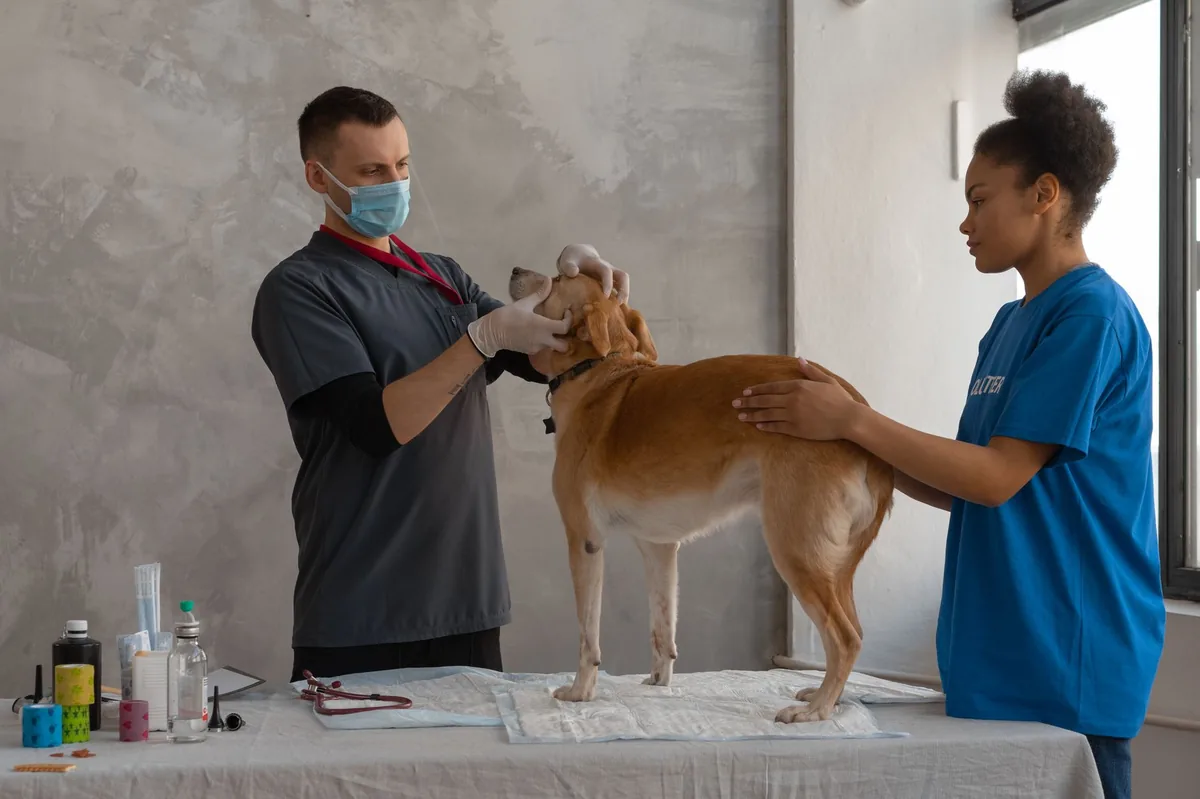
Call your vet today if you notice any mild to moderate signs such as loss of appetite, weight loss, pale gums, or increased thirst. These symptoms warrant a veterinary exam within 24‑48 hours.
Go to an emergency clinic now if your dog shows severe signs: jaundice, uncontrollable vomiting, seizures, sudden collapse, or bleeding from the nose or gums. These indicate acute liver failure, which is a medical emergency.
Remember, this article is for information only. If you’re ever unsure, err on the side of caution and contact a veterinarian.
How vets diagnose copper storage disease
Diagnosis is a stepwise process that combines history, physical exam, and specific tests.
- Blood chemistry panel: Elevated liver enzymes (ALT, AST, ALP) and low albumin suggest liver stress.
- Serum copper level: A high total copper concentration (> 200 µg/dL) raises suspicion but isn’t definitive.
- Urine copper excretion: 24‑hour urine collection can help differentiate genetic from acquired forms.
- Imaging: Abdominal ultrasound visualizes liver size, texture, and rule‑out masses.
- Liver biopsy: The gold standard; pathologists grade copper accumulation on a scale of 0‑3. This sample also checks for concurrent hepatitis.
- Genetic testing: DNA panels identify the ATP7A/B mutations in predisposed breeds.
Our vet team often starts with blood work and ultrasound, then proceeds to a biopsy if the results point toward copper overload. The biopsy not only confirms the diagnosis but also guides treatment intensity.
Treatment options
Medical treatment
The cornerstone of therapy is to reduce copper absorption and promote its removal.
- Chelation therapy: Drugs such as D‑penicillamine or trientine bind copper, allowing the kidneys to excrete it. Your vet will tailor the regimen based on liver function and side‑effect profile.
- Zinc supplementation: Zinc interferes with copper uptake in the gut, effectively lowering further accumulation. Commonly prescribed as zinc gluconate.
- Anti‑inflammatory agents: Low‑dose corticosteroids or budesonide may be used to control liver inflammation during the early phase.
- Ask your vet about these options; dosing is individualized and requires regular blood monitoring.
Supplements and supportive care
While supplements can’t replace medical therapy, they help support liver health.
- S‑adenosyl‑methionine (SAMe): An antioxidant that aids liver cell regeneration. Studies in the Merck Veterinary Manual note improved liver enzyme profiles when combined with chelation.
- Milk thistle (silymarin): May provide mild antioxidant benefits, though evidence is modest.
- Omega‑3 fatty acids (EPA/DHA): Reduce inflammation and support overall immune health. Look for a high‑quality fish‑oil supplement approved by AAFCO.
Always discuss supplement choices with your vet; some can interact with chelators or affect copper metabolism.
Procedures or surgery
In rare, advanced cases where copper overload leads to end‑stage cirrhosis, liver transplantation is an option, but it is limited to specialty centers and costs exceed $30,000. More commonly, a “partial liver resection” is performed to remove heavily affected tissue, offering temporary relief.
These procedures carry significant risk and are considered only after medical therapy fails. Your vet will explain the benefits, recovery time (typically 2‑4 weeks), and long‑term prognosis.
Diet and nutrition
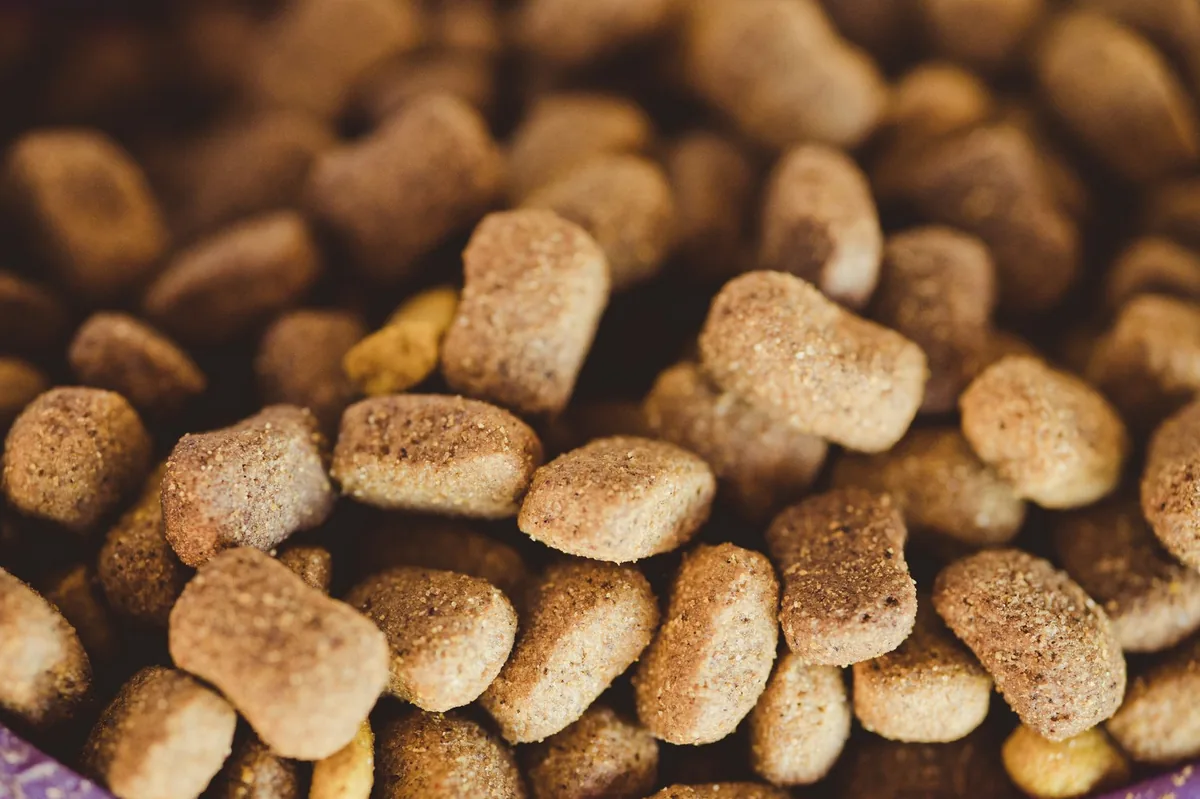
Diet plays a pivotal role in managing copper storage disease. The goal is to limit copper intake while providing highly digestible protein and essential nutrients to support liver regeneration.
Here are the main dietary strategies:
- Low‑copper commercial diets: Prescription diets such as “Hepatic” or “Low‑Copper” formulas contain ≤ 15 ppm copper. These are formulated to meet AAFCO nutrient requirements while easing liver workload.
- Home‑cooked meals: If you prefer cooking at home, use lean meats (chicken breast, turkey) and avoid organ meats (liver, kidney) and shellfish, which are high in copper. Pair with low‑copper vegetables like carrots, green beans, and pumpkin.
- Avoid high‑copper foods: Beef liver, pork liver, shellfish, nuts, and certain grains (e.g., wheat bran) should be excluded.
- Supplement with zinc: As mentioned, zinc helps block copper absorption. Your vet may prescribe a zinc gluconate supplement to be given with meals.
- Maintain adequate calories: Dogs with liver disease often lose weight; feeding 10‑20 % more calories than maintenance may be needed, split into 2‑3 small meals throughout the day.
Transitioning to a new diet should be gradual over 7‑10 days to avoid gastrointestinal upset. Start by mixing 25 % of the new diet with the old, increasing the proportion each few days.
Below is a quick reference for foods you can feed, limit, or avoid.
| Do feed | Limit | Avoid |
|---|---|---|
| Lean chicken, turkey, white fish | Egg whites (moderate protein) | Organ meats (liver, kidney) |
| Low‑copper vegetables (carrots, pumpkin) | Low‑fat cottage cheese | Shellfish (shrimp, crab) |
| Prescription low‑copper kibble | Rice or potato (moderate carbs) | High‑copper grains (wheat bran) |
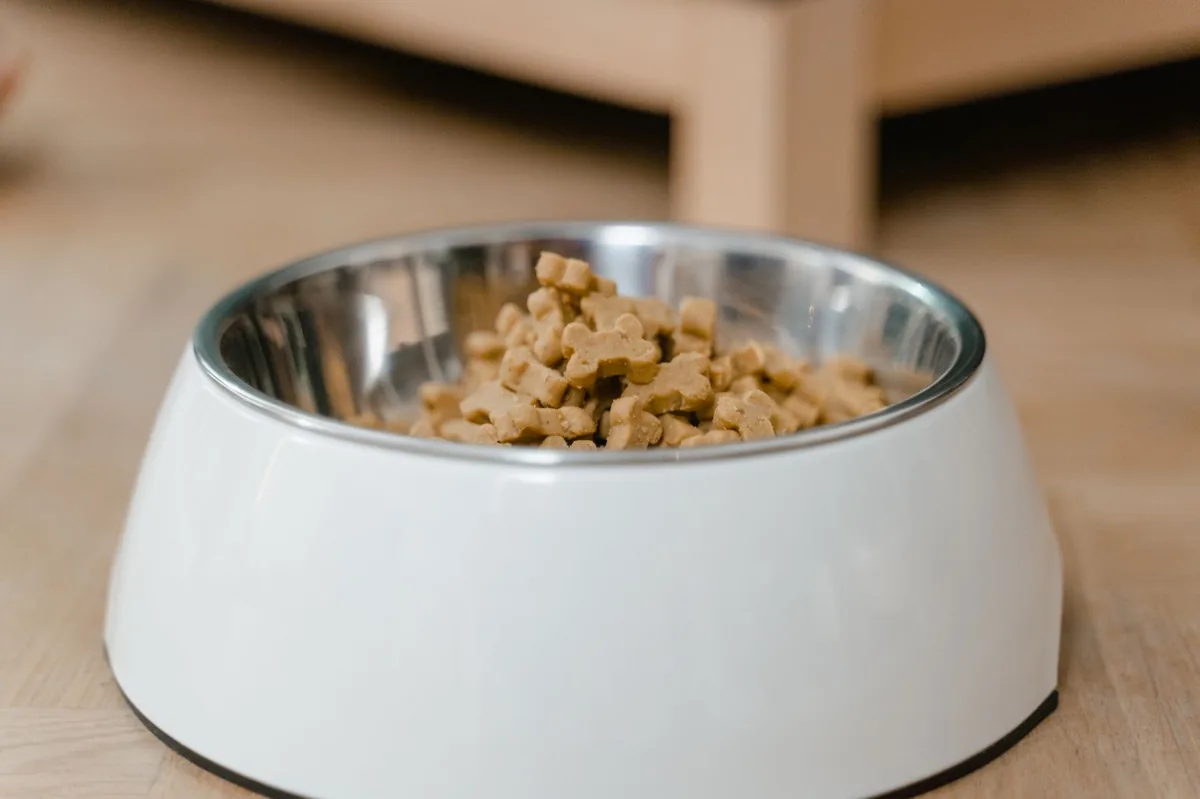
Consistent feeding times and a calm environment help reduce stress, which can worsen liver inflammation. Many owners find that a regular routine also makes it easier to monitor weight and appetite changes.
Cost and prognosis
Managing copper storage disease is a long‑term commitment, both medically and financially. Below is a typical cost breakdown (US $ and UK £) based on 2024 data from the American Veterinary Medical Association (AVMA) and the Royal College of Veterinary Surgeons (RCVS):
| Service | US $ (estimate) | UK £ (estimate) |
|---|---|---|
| Initial blood work & chemistry panel | 150‑250 | 80‑130 |
| Abdominal ultrasound | 300‑500 | 150‑250 |
| Liver biopsy (incl. pathology) | 800‑1,200 | 400‑700 |
| Genetic testing (breed‑specific) | 200‑350 | 150‑250 |
| Chelation medication (6‑month supply) | 400‑800 | 250‑500 |
| Zinc supplement (6‑month supply) | 50‑120 | 30‑70 |
| Prescription low‑copper diet (monthly) | 60‑120 | 40‑80 |
| Follow‑up labs (every 3‑6 months) | 150‑300 per visit | 80‑150 per visit |
Overall, the first year of diagnosis often costs between $2,000‑$4,000 (≈ £1,500‑£3,000) in the United States, with lower but comparable expenses in the UK. Ongoing yearly costs can settle around $800‑$1,500, largely driven by diet and routine blood monitoring.
Prognosis varies:
- Early‑stage disease: With diligent chelation and diet, many dogs live 5‑10 years after diagnosis.
- Mid‑stage disease: Survival averages 2‑4 years; quality of life can remain good if liver function is stabilized.
- Advanced cirrhosis: Life expectancy drops to months without transplantation; however, some dogs maintain comfort for a year with palliative care.
Factors influencing outcome include breed, age at diagnosis, adherence to medication and diet, and whether any concurrent liver disease is present.
Prevention and home care
While you can’t change a dog’s genetic makeup, several proactive steps can reduce the risk of copper buildup or slow disease progression:
- Know your breed’s risk: If you own a Bedlington Terrier, Westie, or Dalmatian, consider DNA testing early (available through our calculators page for guidance).
- Provide a low‑copper diet from the start: Even healthy dogs benefit from avoiding organ meats and high‑copper treats.
- Regular wellness exams: Annual blood chemistry panels catch liver enzyme changes before symptoms appear.
- Monitor water source: In rare cases, copper‑rich well water can contribute; use filtered water if you suspect excess copper.
- Maintain a healthy weight: Obesity adds stress to the liver. Aim for a body condition score of 4‑5/9.
At home, keep a simple log of your dog’s food intake, weight, and any changes in energy or appetite. This record helps your vet spot trends early and adjust treatment before a crisis.
From our vet team: “Copper storage disease is a chronic condition, but early detection and strict diet management can give dogs many happy, active years. The most common mistake owners make is waiting until their dog looks visibly sick. If your dog’s appetite drops or you notice a subtle change in gum color, schedule a blood panel right away. Small, consistent actions today prevent big, costly emergencies tomorrow.”
Key takeaways
- Copper storage disease is a genetic liver disorder most common in Bedlington Terriers, Westies, and Dalmatians.
- Early signs include poor appetite, weight loss, and pale gums; severe signs like jaundice require immediate emergency care.
- Diagnosis relies on blood work, ultrasound, liver biopsy, and sometimes genetic testing.
- Treatment combines chelation drugs, zinc supplementation, and a low‑copper diet; lifelong monitoring is essential.
- Annual costs can range from $800‑$1,500, with first‑year expenses up to $4,000; prognosis is best when caught early.
- Proactive steps—regular check‑ups, breed‑specific DNA testing, and a low‑copper diet—help prevent disease progression.
Myth vs. fact
Myth: Copper storage disease can be cured with diet alone.
Fact: Diet is a critical supportive tool but does not replace chelation therapy; most dogs need medication to remove existing copper.
Myth: Only pure‑bred dogs get copper storage disease.
Fact: Mixed‑breed dogs can inherit the faulty genes if their parents carry them, so any dog with a predisposed lineage is at risk.
Myth: Once a dog stops showing symptoms, the disease is gone.
Fact: Copper accumulation can be silent for years; regular blood monitoring is necessary even when your dog feels fine.
Frequently asked questions
What is the cost of treatment for copper storage disease in dogs?
The first year typically costs $2,000‑$4,000 (≈ £1,500‑£3,000) in the US, covering diagnostics, chelation medication, zinc supplements, and a prescription low‑copper diet. Ongoing yearly expenses average $800‑$1,500.
Is copper storage disease hereditary?
Yes. Most cases are autosomal recessive, meaning a dog must inherit two copies of the mutated gene to develop the disease. Carrier dogs have one copy and appear normal but can pass the gene to their puppies.
Can diet alone manage copper storage disease?
Diet alone can help control copper intake but cannot remove excess copper already stored in the liver. Veterinary chelation therapy is required to mobilize and excrete the excess copper.
How often should a dog with copper storage disease have liver tests?
After diagnosis, most vets recommend liver enzyme panels every 3‑6 months initially, then annually once the disease is stable. More frequent testing may be needed if symptoms flare.
Is copper storage disease life‑threatening?
When untreated, it can progress to cirrhosis and liver failure, which are life‑threatening. Early detection and consistent treatment dramatically improve survival and quality of life.
Are there home remedies for copper storage disease?
There are no proven home remedies that replace veterinary care. However, feeding a low‑copper diet, providing zinc supplements as directed by your vet, and ensuring clean water can support medical treatment.
Ask the PuppaDogs community
Have a question this article didn’t fully answer? Want to compare notes with other dog owners who’ve been through this? Our community forum is moderated by experienced owners and vets — and answers tend to come fast. Ask in the PuppaDogs community →
References
- American College of Veterinary Internal Medicine (ACVIM). “Copper-Associated Hepatitis in Dogs.” 2023 guideline.
- American Animal Hospital Association (AAHA). “Liver Disease in Dogs.” 2022 position statement.
- Merck Veterinary Manual. “Copper Storage Disease (Copper-Associated Hepatitis).” Updated 2024.
- Cornell University College of Veterinary Medicine. “Canine Copper-Associated Hepatitis.” Clinical resources.
- University of California, Davis School of Veterinary Medicine. “Dietary Management of Liver Disease.” 2023 review.
- American Veterinary Medical Association (AVMA). “Veterinary Costs: Diagnostics and Treatments.” 2024 report.
- Royal College of Veterinary Surgeons (RCVS). “Copper-Associated Hepatitis in the UK.” 2023 guidance.
- World Small Animal Veterinary Association (WSAVA). “Nutritional Recommendations for Dogs with Liver Disease.” 2022.


