
















Quick take: Autoimmune disease in dogs occurs when the immune system mistakenly attacks the body’s own tissues. Common forms include immune‑mediated hemolytic anemia (IMHA) and lupus. Early signs are vague—lethargy, pale gums, joint pain—but can become life‑threatening quickly, so prompt veterinary care is essential.
It’s 11 p.m., the house is quiet, and your usually‑energetic golden retriever, Max, is lying on the couch, eyes half‑closed, refusing his favorite chew toy. You notice his gums look lighter than the usual pink, and a quick press on his nose makes his head droop. Your heart races as you wonder: “Is this something serious?” You’ve heard the words “autoimmune” before, but the term feels scary.
We understand that moment—uncertainty, the urge to Google, and the hope for a clear answer. Autoimmune disease in dogs can sound intimidating, yet with the right information you can act confidently, work with your vet, and give your dog the best possible care.
In this guide we’ll explain what autoimmune disease is, what triggers it, the signs you might see, how vets diagnose it, treatment options, typical costs, and practical ways to prevent flare‑ups. By the end you’ll know exactly what to look for, when to call the clinic, and how to support your dog’s recovery at home.
What is autoimmune disease in dogs?
Autoimmune disease is a condition in which a dog’s immune system—normally a defender against infections—mistakes its own cells, organs, or tissues for foreign invaders and starts attacking them. This misguided response can target blood cells, joints, skin, kidneys, or multiple systems at once.
While any breed can develop an autoimmune disorder, the overall prevalence is relatively low, estimated at 1–2 % of the canine population according to the American College of Veterinary Internal Medicine (ACVIM). However, because the diseases can be severe and require intensive care, they represent a disproportionate share of emergency veterinary visits.
What causes it?
The exact trigger is often unknown, but several factors can predispose a dog to develop an autoimmune response.
- Genetics: Certain breeds—such as Cocker Spaniels, German Shepherds, and Nova Scotia Duck Tolling Retrievers—show higher rates of specific autoimmune conditions.
- Infections: Tick‑borne diseases (e.g., Ehrlichia, Babesia) and viral infections can stimulate an overactive immune system.
- Vaccines or drugs: In rare cases, a vaccine or medication can act as a trigger, especially if the dog has a pre‑existing immune sensitivity.
- Environmental factors: Chronic exposure to allergens, pollutants, or persistent stress may influence immune regulation.
- Hormonal imbalances: Conditions like hypothyroidism can modify immune activity.
Signs and symptoms
Autoimmune disease can affect many organ systems, so the clinical picture varies. Below are the most common presentations, organized by severity.
| Severity | Typical signs |
|---|---|
| Mild | Occasional lethargy, mild joint stiffness, slight loss of appetite, pale‑pink gums, occasional bruising. |
| Moderate | Persistent fatigue, noticeable joint swelling or pain, rapid weight loss, dark urine (hemoglobin), fever, skin lesions. |
| Severe | Collapse, severe anemia (very pale gums, rapid breathing), uncontrolled bleeding, neurological signs, organ failure. |
Because the early signs are often subtle, it’s easy to attribute them to “just getting older” or a temporary upset stomach. Paying attention to changes in energy, appetite, and gum color can help you catch a problem before it escalates.
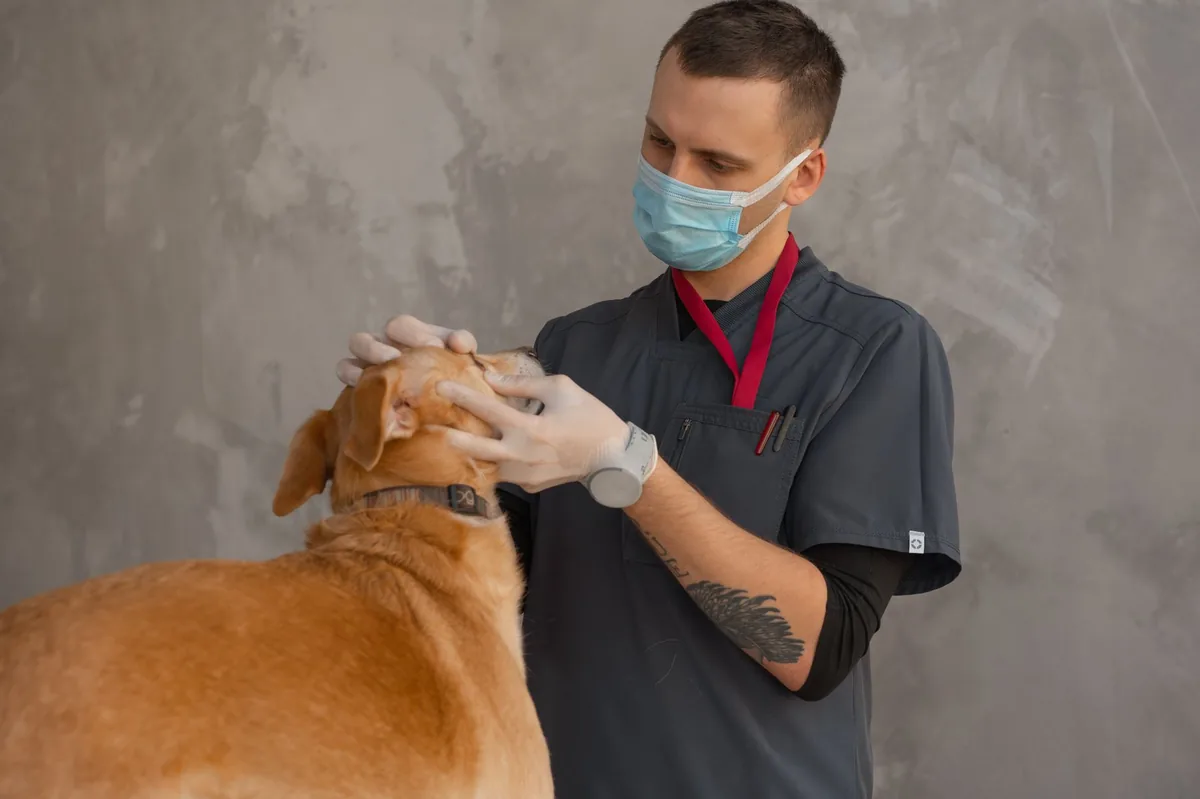
When to call your vet
Call your vet today if you notice any of the following:
- Lethargy lasting more than 24 hours.
- Loss of appetite or weight loss.
- Pale or yellowish gums.
- Joint swelling, stiffness, or limping.
- Unexplained bruising or bleeding.
Go to an emergency veterinary hospital right now if you see:
- Sudden collapse or difficulty breathing.
- Rapid heart rate (more than 140 bpm in a medium‑sized dog).
- Severe bleeding that doesn’t stop within a few minutes.
- Black or red‑tinged urine indicating hemolysis.
- Neurological signs such as seizures or disorientation.
These red‑flag signs mean the disease may be life‑threatening and requires immediate attention. This article provides general information only and is not a substitute for professional veterinary care.
How vets diagnose it
Diagnosing an autoimmune disorder involves a stepwise approach. Your vet will combine history, physical exam, and a series of tests to rule out other causes and pinpoint the immune attack.
- History & physical exam: The vet asks about timing, diet, vaccinations, travel, and any tick exposure. A thorough exam checks gums, joints, skin, and organ size.
- Complete blood count (CBC) and serum chemistry: These labs reveal anemia, elevated white blood cells, or organ dysfunction.
- Coagulation profile: Tests like PT and aPTT help evaluate bleeding disorders.
- Specific immune assays: The direct Coombs test detects antibodies coating red blood cells (useful for IMHA). ANA (antinuclear antibody) testing helps identify systemic lupus erythematosus (SLE).
- Imaging: X‑rays or ultrasound may show joint inflammation, organ enlargement, or fluid accumulation.
- Biopsy: In rare cases, a tissue sample (skin, kidney, or lymph node) is taken to confirm autoimmune pathology.
Because many autoimmune diseases mimic infections or cancers, the vet often performs a “rule‑out” work‑up before confirming an immune‑mediated diagnosis.
Treatment options
Medical treatment
The cornerstone of therapy is to calm the overactive immune system. Your vet may prescribe:
- Glucocorticoids (e.g., prednisone) – the first‑line immunosuppressant that reduces inflammation.
- Secondary immunosuppressants such as azathioprine, cyclosporine, or mycophenolate – often added to spare steroids and control refractory disease.
- Targeted therapies like leflunomide for certain joint diseases.
- Supportive drugs – antibiotics if a secondary infection is present, or antithrombotics (e.g., clopidogrel) for IMHA to prevent clotting.
All medications are dosed based on your dog’s weight and disease severity; ask your vet about each option and what to expect.
Supplements and supportive care
While supplements cannot replace prescription drugs, they can aid recovery when used alongside veterinary treatment.
- Omega‑3 fatty acids (EPA/DHA): Shown to reduce inflammation in joint and skin autoimmune disorders. A high‑quality fish‑oil capsule (approximately 100 mg EPA/DHA per 10 lb of body weight) is a common recommendation.
- Probiotics: May help maintain gut health, especially when antibiotics are used.
- Vitamin C: Antioxidant support for dogs on high‑dose steroids, though evidence is modest.
- Milk thistle (silymarin): May protect the liver from long‑term steroid use; discuss with your vet before adding.
Procedures or surgery
Some autoimmune conditions, such as immune‑mediated polyarthritis, may require joint taps to relieve fluid buildup. In severe IMHA, a blood transfusion can be lifesaving. These procedures are typically performed in a veterinary hospital and may involve a short stay (1‑3 days). Recovery is usually swift once the underlying immune attack is controlled.

Diet and nutrition
Nutrition plays a supportive role in managing autoimmune disease. While no single “cure‑diet” exists, tailoring your dog’s food can lessen inflammation, preserve organ function, and improve overall energy.
What to feed
- Highly digestible protein: Choose foods with quality animal protein that are easy on the gut—think boiled chicken, turkey, or fish. This helps maintain muscle mass, especially when steroids cause muscle wasting.
- Omega‑3 enriched formulas: Many commercial therapeutic diets (e.g., Hill’s Prescription Diet j/d) include added EPA/DHA, which can complement the supplement regimen.
- Low‑glycemic carbohydrates: Sweet potatoes, pumpkin, or rice provide steady energy without spikes that could exacerbate inflammation.
- Limited sodium: If your dog has kidney involvement (common in lupus), a reduced‑salt diet helps control fluid balance.
What to limit or avoid
| Do feed | Limit | Avoid |
|---|---|---|
| High‑quality protein (chicken, fish, turkey) | Grains with high gluten (wheat, barley) | High‑fat table scraps |
| Omega‑3 enriched kibble or canned | Excessive treats (especially with additives) | Raw bones that can cause GI trauma |
| Cooked vegetables (pumpkin, carrots) | Artificial flavors/colorings | Processed meats with nitrates |
Transitioning to a new diet should be gradual—mix increasing amounts of the new food with the old over 7‑10 days. This minimizes gastrointestinal upset, which can be especially problematic when your dog is already on steroids.
If your dog has a specific organ involvement (e.g., kidney disease in lupus), a therapeutic diet such as a renal formula may be recommended. These diets are low in phosphorus and protein, helping reduce the workload on the kidneys.
Hydration is also crucial. Provide fresh water at all times, and consider adding a little low‑sodium broth to encourage intake if your dog is reluctant to drink.
Finally, keep a food diary. Note any flare‑ups that seem linked to particular treats or sudden diet changes. This information helps your vet adjust the plan and can prevent future episodes.
Cost and prognosis
Financial planning is part of responsible pet ownership, especially for chronic conditions that may need lifelong medication.
| Category | US estimate | UK estimate |
|---|---|---|
| Initial diagnostics (CBC, chemistry, imaging, Coombs test) | $250–$600 | £180–£450 |
| Hospitalization (first 24 hr, IV fluids, monitoring) | $500–$1,200 | £400–£900 |
| Glucocorticoid therapy (first month) | $30–$80 | £20–£60 |
| Secondary immunosuppressant (e.g., cyclosporine) – monthly | $70–$150 | £50–£130 |
| Blood transfusion (if needed) | $250–$500 per unit | £200–£400 per unit |
Overall, the first three months of treatment often range from $1,500 to $3,500 (≈£1,200‑£2,800) depending on disease severity and required procedures. Ongoing maintenance may settle into $100‑$300 per month for medication and routine labs.
Prognosis varies by disease type. IMHA has a 70‑80 % survival rate with prompt treatment, while systemic lupus erythematosus carries a more guarded outlook (50‑60 % long‑term survival). Early detection, consistent medication adherence, and supportive care dramatically improve outcomes.
Prevention and home care
Because many triggers are not fully controllable, prevention focuses on minimizing risk factors and monitoring for early signs.
- Tick control: Use year‑round preventatives recommended by the PuppaDogs health calculators page for region‑specific products.
- Vaccination awareness: Most vaccines are safe, but dogs with known autoimmune tendencies should discuss timing with their vet. The AAHA 2023 vaccination guidelines suggest spacing non‑core vaccines to avoid overlapping immune stimulation.
- Balanced diet: Feed a consistent, high‑quality diet and avoid sudden ingredient changes.
- Stress reduction: Routine, calm environments and regular exercise (moderate, low‑impact) help keep the immune system balanced.
- Regular check‑ups: Quarterly blood work for dogs on long‑term immunosuppressants can catch side‑effects early.
Keeping a journal of your dog’s energy levels, appetite, and any new skin lesions provides a valuable reference for future vet visits.
From our vet team: “If you suspect an autoimmune flare, bring a fresh stool sample and a photo of your dog’s gums—these small pieces of information can speed up diagnosis and get your pet on the right medication faster.”
Key takeaways
- Autoimmune disease means the dog’s immune system attacks its own body; early signs are often subtle.
- Call your vet today for any persistent lethargy, pale gums, or joint swelling; go to an emergency clinic if your dog collapses or has severe bleeding.
- Diagnosis relies on blood work, immune assays, and imaging; rule‑out other causes first.
- Glucocorticoids plus a secondary immunosuppressant are the mainstays of treatment; supplements like omega‑3s can aid recovery.
- Feeding a digestible, omega‑3‑rich diet while avoiding high‑fat treats supports both health and medication tolerance.
- Costs can be high initially but stabilize with maintenance; early detection improves survival chances.
Myth vs. fact
Myth: “All dogs with autoimmune disease will need lifelong steroids.”
Fact: Many dogs can taper off steroids after the disease is under control, especially when a steroid‑sparing agent is added.
Myth: “Autoimmune disease is the same as a food allergy.”
Fact: Autoimmune disorders involve the immune system attacking internal tissues, whereas allergies are hypersensitivity reactions to external substances like food or pollen.
Myth: “Vaccines cause autoimmune disease.”
Fact: Vaccines are safe for the vast majority of dogs; only a very small subset with pre‑existing immune dysregulation may need special scheduling, per AAHA guidelines.
Frequently asked questions
What are the early signs of autoimmune disease in dogs?
Early signs include mild lethargy, reduced appetite, pale gums, and occasional joint stiffness. These subtle changes can be easy to miss, so keep an eye on any shift in your dog’s normal energy or behavior.
How is autoimmune disease diagnosed in dogs?
Veterinarians use a combination of blood tests (CBC, chemistry, Coombs, ANA), imaging, and sometimes tissue biopsies to rule out infections or cancer and confirm an immune‑mediated process.
Can autoimmune disease be cured in dogs?
Most autoimmune conditions are chronic and require long‑term management rather than a cure. With early treatment and diligent care, many dogs achieve remission and enjoy a good quality of life.
What treatments are available for autoimmune disease in dogs?
First‑line therapy is glucocorticoids (e.g., prednisone). Additional immunosuppressants such as azathioprine or cyclosporine are often added. Supportive care may include antibiotics, blood transfusions, and omega‑3 supplements.
What is the cost of treating autoimmune disease in dogs?
Initial diagnostics and hospitalization can range from $750‑$2,500 (≈£600‑£2,000). Ongoing medication and monitoring typically cost $100‑$300 per month. Exact costs vary by disease severity and regional veterinary fees.
Are certain breeds more prone to autoimmune disease?
Yes. Breeds like Cocker Spaniels, German Shepherds, Nova Scotia Duck Tolling Retrievers, and certain terriers have higher reported rates of conditions such as IMHA and lupus.
Is autoimmune disease life‑threatening for dogs?
It can be, especially if not treated promptly. Severe anemia, organ failure, or uncontrolled inflammation can lead to rapid decline, which is why early veterinary intervention is crucial.
How should I manage my dog’s diet during an autoimmune flare?
Offer highly digestible protein, omega‑3‑rich foods, and low‑glycemic carbs. Avoid high‑fat treats and sudden ingredient changes. A gradual transition to any new diet helps prevent gastrointestinal upset.
Can puppies develop autoimmune disease?
While less common, puppies can be diagnosed with autoimmune disorders, especially if there is a genetic predisposition or early exposure to trigger agents like certain infections.
Ask the PuppaDogs community
Have a question this article didn’t fully answer? Want to compare notes with other dog owners who’ve been through this? Our community forum is moderated by experienced owners and vets — and answers tend to come fast. Ask in the PuppaDogs community →
References
- American College of Veterinary Internal Medicine (ACVIM). “Guidelines for the Diagnosis and Management of Immune‑Mediated Hemolytic Anemia.” 2022.
- American Animal Hospital Association (AAHA). “2023 Canine Vaccination Guidelines.”
- Merck Veterinary Manual. “Autoimmune Diseases.” Updated 2023.
- Veterinary Immunology & Immunopathology. Review on canine systemic lupus erythematosus. 2021.
- World Small Animal Veterinary Association (WSAVA). “Nutritional Management of Immune‑Mediated Diseases.” 2020.
- American Veterinary Medical Association (AVMA). “Tick‑borne Diseases and Canine Immune Response.” 2022.
- University of California, Davis Veterinary Medicine. “Use of Omega‑3 Fatty Acids in Canine Inflammatory Conditions.” 2021.
- American Kennel Club (AKC). “Breed Predispositions to Autoimmune Disorders.” 2022.


