














Quick take: Chagas disease in dogs (kissing bug disease) is a parasitic infection caused by Trypanosoma cruzi, spread mainly by the triatomine “kissing” bug. It can appear suddenly with fever and lethargy or hide for years before causing serious heart problems. Early detection, blood testing, and treatment with benznidazole or nifurtimox can improve outlook, but the disease can be life‑threatening if the heart fails. Prevention focuses on bug control and limiting outdoor exposure, especially in endemic regions like Texas.
It’s 11 p.m., and you’re watching your 7‑year‑old mixed‑breed Labrador curl up on the couch, his tail still, eyes half‑closed. You notice his gums look a shade paler than usual, and a low‑grade fever has kept him from his evening walk. Your mind races to the recent news story about “kissing bugs” in the neighborhood, and you wonder if the tiny insects could be behind this sudden slump.
That uneasy feeling is exactly why many owners search “Chagas Disease in Dogs (Kissing Bug Disease).” The good news is that with prompt veterinary care, the infection can be managed, and many dogs live comfortably for years. The bad news is that the disease can silently damage the heart, and without treatment, it can become fatal.
In this guide we’ll explain what Chagas disease is, how it spreads, what signs to watch for, how vets diagnose it, and what treatment and cost you can expect. We’ll also cover diet tweaks, prevention tips for Texas‑area homes, and everyday steps you can take to protect your companion.
What is Chagas Disease in Dogs (Kissing Bug Disease)?
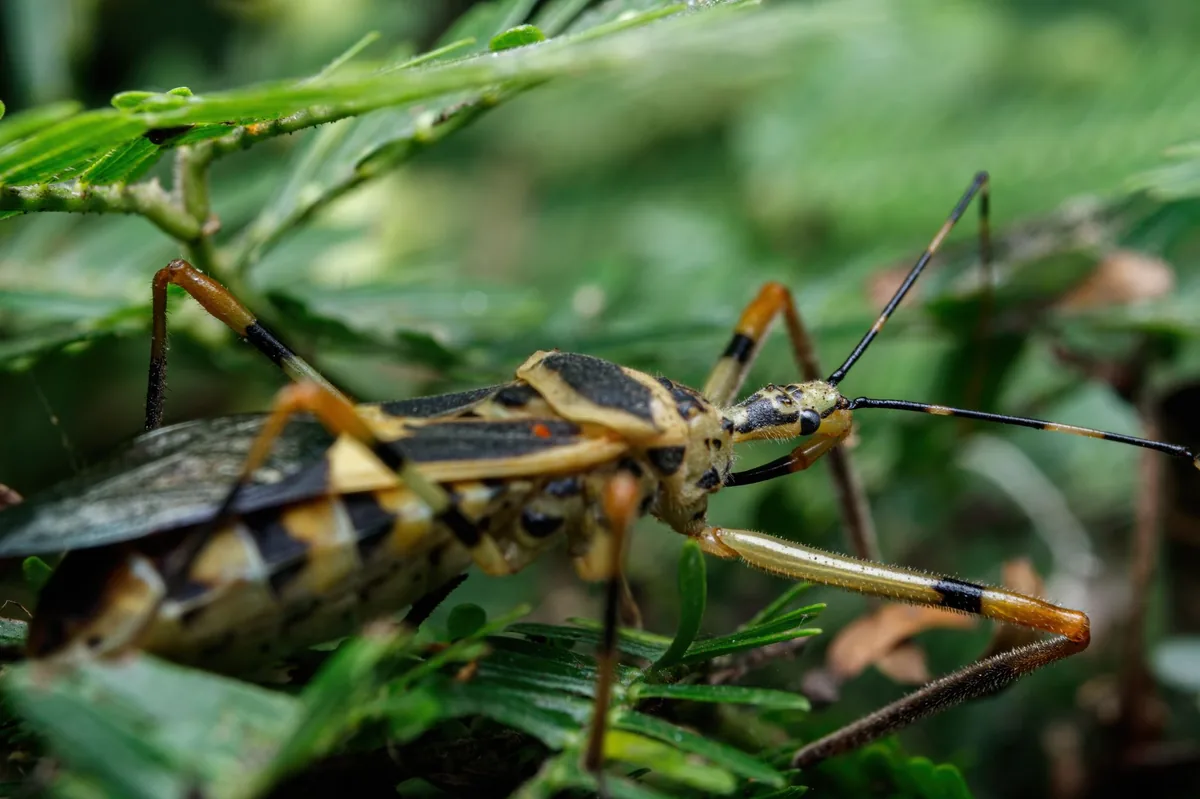
Chagas disease in dogs is an infection caused by the single‑cell parasite Trypanosoma cruzi. The parasite lives inside blood‑borne cells and can invade the heart muscle, gastrointestinal tract, and nervous system. In dogs, the disease is most common in the southern United States, Central America, and parts of South America where the triatomine “kissing” bug thrives.
According to the Centers for Disease Control and Prevention (CDC), an estimated 5–10 % of dogs in endemic U.S. counties test positive for T. cruzi antibodies, indicating exposure. While many infected dogs never develop clinical signs, the parasite can cause acute illness or progress to a chronic, often cardiac, form that may lead to heart failure.
What causes it?
The primary cause is a bite from an infected triatomine bug. The bug feeds on blood, defecates near the bite site, and the parasite enters the dog when it scratches or licks the wound.
| Transmission route | How it happens |
|---|---|
| Triatomine (kissing) bug bite | Bug defecates while feeding; parasite enters through bite or licking |
| Oral ingestion | Dog eats a bug or contaminated food/water |
| Congenital (mother to puppy) | Placental transfer during pregnancy; rare but documented |
| Blood transfusion | Unscreened donor blood can carry the parasite |
Risk factors include living in rural or peri‑urban areas of Texas, Arizona, New Mexico, and California, spending nights outdoors, and having a dog that hunts rodents—since rodents can harbor the parasite.
Signs and symptoms
Chagas disease can be divided into two phases: acute (days to weeks after infection) and chronic (months to years). Early signs are often vague, while later signs involve the heart.
| Phase | Early (mild) signs | Late (severe) signs |
|---|---|---|
| Acute | Fever, lethargy, loss of appetite, enlarged lymph nodes, skin lesions | Severe anemia, myocarditis, sudden death |
| Chronic | Occasional cough, mild exercise intolerance | Irregular heartbeat, dilated cardiomyopathy, heart failure, sudden collapse |
Senior dogs often show heart‑related signs first—coughing after a short walk, panting at rest, or a dull coat. Puppies may present with fever, swollen abdomen, or unexplained bruising. Because many symptoms overlap with heartworm disease, a proper diagnosis is essential.

When to call your vet
Call your vet today if you notice:
- Fever (temperature above 103 °F) lasting more than 24 hours
- Persistent lethargy, loss of appetite, or weight loss
- Swollen lymph nodes or unexplained bruising
- Irregular heartbeat or a new heart murmur on a routine exam
Go to an emergency veterinary hospital right now if you see:
- Sudden collapse or fainting
- Severe difficulty breathing
- Rapid, weak pulse or signs of shock (cold paws, pale gums)
This article is for informational purposes only and does not replace professional veterinary care.
How vets diagnose it
Diagnosis starts with a thorough history—travel, outdoor exposure, and any recent insect sightings. The physical exam focuses on heart rhythm, lymph node size, and skin lesions.
- Blood smear: Direct microscopic view can sometimes reveal T. cruzi trypomastigotes during the acute phase.
- Polymerase chain reaction (PCR): Detects parasite DNA in blood; highly sensitive, especially early on.
- ELISA serology: Looks for antibodies against T. cruzi, indicating exposure. A positive result with clinical signs suggests infection.
- Electrocardiogram (ECG) and echocardiogram: Evaluate heart rhythm and structure, helping to identify chronic cardiac damage.
Because antibodies can linger after the parasite is cleared, vets often combine serology with PCR or repeat testing to confirm active infection.
Treatment options
Medical treatment
The two drugs approved for canine Chagas are benznidazole and nifurtimox. Both are antiprotozoal agents that target the parasite’s metabolism. Treatment courses typically last 60–90 days and are monitored with regular blood work to watch for liver or bone‑marrow side effects.
Standard practice includes:
- Benznidazole: First‑line in the United States; usually given orally. Your vet will adjust dosage based on weight and liver function.
- Nifurtimox: An alternative when benznidazole is unavailable or not tolerated.
- Supportive cardiac care: ACE inhibitors, diuretics, and anti‑arrhythmic drugs may be added if heart involvement is detected.
Always discuss the benefits and potential side effects with your vet, and ask about the specific medication your dog may need.
Supplements and supportive care
While supplements cannot cure the infection, they can help support heart health and overall immunity:
- Omega‑3 fatty acids (EPA/DHA): Reduce inflammation and may improve cardiac function. Look for a fish‑oil supplement formulated for dogs.
- Coenzyme Q10 (CoQ10): An antioxidant shown to aid dogs with cardiomyopathy; discuss dosing with your vet.
- Probiotics: Help maintain gut health during prolonged antibiotic or antiparasitic therapy.
Procedures or surgery
In advanced chronic cases where heart failure is severe, a veterinarian may recommend a pacemaker implantation or, rarely, heart valve repair. These are specialized procedures performed at referral centers and can cost several thousand dollars. Most owners opt for medical management unless the quality of life is severely compromised.
Diet and nutrition
Nutrition plays a crucial role in supporting a dog fighting a chronic infection and possible heart disease. The goal is to provide highly digestible, moderate‑protein, low‑sodium meals that reduce cardiac workload while maintaining immune function.
Key recommendations:
- High‑quality, highly digestible protein: Chicken, turkey, or white fish; these provide essential amino acids without overburdening the liver.
- Moderate fat (10–15 % of calories): Prefer sources rich in omega‑3s—salmon oil or flaxseed.
- Low sodium: Limit processed treats and table scraps; choose kibble labeled “low‑sodium” or a therapeutic renal/heart diet.
- Complex carbohydrates: Sweet potato, pumpkin, or rice for steady energy.
- Antioxidant‑rich foods: Blueberries, cranberries, and carrots can help combat oxidative stress.
| Do feed | Limit | Avoid |
|---|---|---|
| Lean boiled chicken, low‑sodium kibble, fish oil supplement | Cooked eggs, cottage cheese (moderate calcium) | High‑salt treats, processed meats, table scraps with onions or garlic |
| Cooked sweet potato, pumpkin puree, green beans | Rice (small portions) | Fatty cuts of meat, fried foods, excessive dairy |
Transition any new diet gradually over 7–10 days to avoid gastrointestinal upset. Offer smaller, more frequent meals (3–4 times daily) if your dog shows reduced appetite or early heart failure signs.
For dogs on benznidazole or nifurtimox, monitor liver enzymes; a diet enriched with antioxidants (vitamin E, selenium) may help, but always follow your vet’s lab recommendations.
Cost and prognosis
Financial considerations vary by region and severity. In the United States, a full diagnostic workup (CBC, chemistry panel, PCR, ELISA, ECG, and possibly an echocardiogram) typically ranges from $350 to $800. Treatment with benznidazole costs about $40‑$60 per kilogram of body weight for a 30‑day supply, and a full 60‑day course can reach $800‑$1,200. Adding cardiac meds and follow‑up labs may push total expenses to $1,500‑$3,000.
In the United Kingdom, similar diagnostics cost £250‑£600, and benznidazole (available via specialist pharmacies) runs around £500‑£900 for a full course. Referral cardiac procedures (e.g., pacemaker) can exceed £5,000.
Prognosis depends on the disease stage at diagnosis:
- Acute infection: With prompt treatment, many dogs recover fully; mortality is under 15 %.
- Early chronic cardiac involvement: Dogs can live 2‑5 years with appropriate cardiac drugs and lifestyle changes.
- Advanced chronic heart failure: Survival drops dramatically; quality of life becomes the primary consideration.
Early detection is the single biggest factor in improving outcomes.
Prevention and home care
Because the kissing bug thrives in warm, dry environments and is attracted to porch lights, prevention focuses on reducing bug habitats and limiting exposure.
- Seal cracks and gaps: Close off entry points around windows, doors, and foundations.
- Outdoor lighting: Use sodium‑vapor or LED lights that emit less ultraviolet light, which attracts bugs.
- Insecticide barriers: Apply EPA‑registered residual insecticides around the perimeter; repeat as directed.
- Remove debris: Clear leaf piles, woodpiles, and rodent nests that provide shelter for bugs.
- Limit nighttime outdoor time: Keep dogs indoors at dusk and dawn when bugs are most active.
- Travel awareness: If you travel to endemic areas, discuss prophylactic measures with your vet before the trip.
Regular veterinary check‑ups (at least annually) and heart screenings for older dogs can catch early cardiac changes. Your vet may also recommend routine serology testing for dogs living in high‑risk counties.
From our vet team: “We often see owners panic when they hear ‘parasite’—but remember, Chagas is treatable, especially if caught early. Ask your vet for a simple blood test if your dog spends nights outdoors in a kissing‑bug zone. Early intervention can keep the heart healthy and your dog’s tail wagging.”
Key takeaways
- Chagas disease in dogs is caused by the parasite Trypanosoma cruzi and spread mainly by triatomine (kissing) bugs.
- Early signs include fever, lethargy, and loss of appetite; chronic disease often presents as heart rhythm problems.
- Diagnosis uses blood smear, PCR, ELISA, and cardiac testing; treatment centers on benznidazole or nifurtimox plus heart meds.
- Prevent exposure by sealing home cracks, using bug‑repellent lighting, and limiting nighttime outdoor access.
- Nutrition should be low‑sodium, highly digestible, and supplemented with omega‑3s and antioxidants to support heart health.
- Cost varies widely—expect $350‑$800 for diagnostics and $800‑$3,000 for full treatment; prognosis improves dramatically with early detection.
Myth vs. fact
Myth: Chagas disease only affects wild animals.
Fact: Domestic dogs, especially those in Texas and the southern U.S., are frequently infected; seroprevalence studies show up to 10 % exposure in some counties (CDC).
Myth: If a dog looks fine, the disease isn’t serious.
Fact: The parasite can hide for years; a dog may appear normal while the heart silently deteriorates. Regular screening is essential in endemic areas.
Myth: Home remedies like herbal teas can cure Chagas.
Fact: No herbal or over‑the‑counter product reliably eliminates T. cruzi. Only prescription antiprotozoal drugs, under veterinary supervision, are proven effective.
Frequently asked questions
How is Chagas disease transmitted to dogs?
Chagas spreads when a triatomine “kissing” bug bites a dog, defecates near the wound, and the parasite enters through the bite or when the dog licks the area. Dogs can also acquire it by eating an infected bug or via congenital transmission from mother to puppies.
What are the common symptoms of Chagas disease in dogs?
Early symptoms include fever, lethargy, loss of appetite, and swollen lymph nodes. Chronic infection often leads to irregular heartbeats, enlarged heart, coughing, and in severe cases, heart failure or sudden collapse.
Can a dog survive chronic Chagas disease?
Yes, many dogs live several years with chronic disease if heart problems are managed with medication, diet, and regular monitoring. Survival rates drop if heart failure progresses unchecked.
What tests does a vet use to diagnose Chagas disease in dogs?
Vets combine serology (ELISA for antibodies), PCR for parasite DNA, blood smears during acute infection, and cardiac evaluations (ECG, echocardiogram) to assess heart damage.
What medications are used to treat Chagas disease in dogs?
The primary drugs are benznidazole and nifurtimox, both antiprotozoal agents. Supportive cardiac drugs (ACE inhibitors, diuretics, anti‑arrhythmics) are added if the heart is affected. Always discuss side‑effects and monitoring with your vet.
How can I protect my dog from kissing bugs?
Seal home cracks, keep outdoor lights low‑UV, use EPA‑approved insecticides, remove debris where bugs hide, and limit nighttime outdoor time. If you live in a high‑risk area, ask your vet about routine serology screening.
Ask the PuppaDogs community
Have a question this article didn’t fully answer? Want to compare notes with other dog owners who’ve been through this? Our community forum is moderated by experienced owners and vets — and answers tend to come fast. Ask in the PuppaDogs community →
References
- Centers for Disease Control and Prevention (CDC). “Chagas Disease (American Trypanosomiasis).” 2023.
- World Health Organization (WHO). “Trypanosoma cruzi and Chagas disease.” 2022.
- American College of Veterinary Internal Medicine (ACVIM). “Guidelines for the Diagnosis and Management of Infectious Diseases in Dogs.” 2021.
- Merck Veterinary Manual. “Chagas disease (American trypanosomiasis) in dogs.” 2022 edition.
- Cornell University College of Veterinary Medicine. “Triatomine (Kissing Bug) Vector Biology.” 2023.
- American Animal Hospital Association (AAHA). “Canine Cardiology Care Guidelines.” 2022.
- Veterinary Partner (VETMED). “Benznidazole and Nifurtimox Use in Dogs.” 2023.
- U.S. Environmental Protection Agency (EPA). “Insecticide Use for Vector Control.” 2021.
- Cost.puppadogs.com. “Veterinary Service Pricing Estimates.” Accessed July 2026.
- Our Experts – PuppaDogs Veterinary Review Board. Internal guidelines, 2024.


