













Quick take: Cavities in dogs are areas of tooth decay caused by plaque‑induced acid, much like human cavities, but they often develop on the chewing surfaces of canine teeth. Early signs include visible pits, discoloration, or bad breath; prompt veterinary care can prevent infection and tooth loss. Treatment ranges from professional cleaning and fillings to extractions, and regular home care is the most effective prevention.
It’s 9 p.m., you’re scrolling through pet forums, and your 8‑year‑old mixed‑breed Labrador, Buddy, has been sleeping more than usual. When you glance at his mouth, you notice a small, dark spot on a back tooth that you’ve never seen before. Your heart races. Could this be a cavity? Is it something you can fix at home, or does it need a vet’s immediate attention?
We get it—dental problems in dogs feel mysterious because they’re not as obvious as a scraped paw or a cough. The good news is that cavities (also called tooth decay) are fairly common, especially in senior dogs, and they’re usually manageable when caught early. In this guide we’ll explain what cavities in dogs are, why they happen, how to spot them, what your vet will do to diagnose and treat them, how much it might cost, and the everyday steps you can take to keep Buddy’s smile bright.
What is cavities in dogs?
Cavities, or dental caries, are areas where the hard enamel of a tooth has been broken down by acids produced by bacteria in plaque. In dogs the most frequent locations are the premolars and molars that chew food, rather than the front incisors that humans often lose to decay. While the basic process mirrors human tooth decay, dogs have a different oral environment: a higher pH in saliva, a different mix of bacterial species, and a diet that often includes dry kibble or raw bones, which influences plaque buildup.
According to the American Veterinary Medical Association (AVMA), approximately 15‑20 % of dogs over three years old show some form of dental caries on routine oral exams, though many cases go undetected because symptoms can be subtle. The condition is less common than periodontal disease (gum inflammation), but it can coexist and accelerate tooth loss if ignored.
What causes it?
Dental cavities develop when three main factors align: a source of fermentable carbohydrates, plaque accumulation, and a susceptible tooth surface.
| Cause | Explanation |
|---|---|
| Dietary sugars & starches | Dry kibble, treats, and human foods high in carbs feed plaque bacteria, which produce acid. |
| Poor oral hygiene | Infrequent brushing or lack of dental chews allows plaque to harden into tartar. |
| Breed & age | Small‑to‑medium breeds (e.g., Yorkshire Terrier, Miniature Schnauzer) and senior dogs have tighter tooth spacing, making plaque removal harder. |
| Dental anatomy | Deep fissures on premolars and molars trap food particles, creating perfect niches for decay. |
Other risk factors include chronic dry mouth (xerostomia) from certain medications, and systemic illnesses like diabetes that alter saliva composition.
Signs and symptoms
Because cavities start small, owners often miss them until they become noticeable. Look for these clues:
| Stage | Typical signs |
|---|---|
| Mild | Small dark spot on a tooth, slight discoloration, occasional drooling. |
| Moderate | Visible pit or crack, bad breath (halitosis), decreased enthusiasm for hard foods. |
| Severe | Tooth fracture, swelling of gums, pain on chewing, pawing at the mouth, facial swelling, fever. |
Many owners first notice a change in breath or a reluctance to chew on a favorite bone. In senior dogs, a gradual loss of appetite or weight loss can be a red flag that a hidden cavity has become infected.
When to call your vet
Call your vet today if you notice:
- Any dark spot, pit, or discoloration on a tooth.
- Bad breath that doesn’t improve with brushing.
- Changes in chewing behavior or reluctance to eat dry food.
- Swelling, bleeding, or pus around the gums.
Go to an emergency veterinary hospital right now if you see:
- Visible fracture of a tooth with blood or pus.
- Facial swelling, drooling, or signs of facial pain.
- Fever, lethargy, or a rapid decline in appetite.
These signs could indicate an infection that spreads quickly to the jawbone or other organs. Prompt professional care dramatically improves outcomes.
This article is for informational purposes only and does not replace a hands‑on veterinary exam.
How vets diagnose it
A thorough dental exam starts with a visual inspection while the dog is under light sedation or anesthesia. The vet will:
- Palpate each tooth and gum to feel for softness or pain.
- Use a dental explorer (a thin probe) to detect pits or fractures.
- Take dental radiographs (X‑rays) to see the interior structure of the tooth, the root, and any hidden decay.
- Perform a complete blood count if infection is suspected, to check for systemic involvement.
Dental X‑rays are especially valuable because cavities can hide beneath the gum line. The American Animal Hospital Association (AAHA) recommends annual oral exams for dogs over three years, with radiographs added for any suspected dental disease.
Treatment options
Medical treatment
When cavities are caught early, the most common veterinary approach is a professional dental cleaning followed by a restorative procedure. Typical options include:
- Dental fillings: Composite resin or glass ionomer material is placed to seal the cavity after the decay is removed.
- Tooth extraction: If the decay has reached the pulp (inner nerve), removal of the entire tooth may be safest.
- Antibiotics: If infection is present, a course of amoxicillin‑clavulanic acid or another vet‑approved antibiotic is prescribed. Ask your vet about this option.
- Pain management: NSAIDs such as carprofen or meloxicam are often given to control discomfort. Your vet will dose based on weight and severity.
Supplements and supportive care
While supplements cannot replace proper dental work, some can support oral health and reduce plaque formation:
- Omega‑3 fatty acids (EPA/DHA): Anti‑inflammatory properties may help gum health.
- Coenzyme Q10: Has been shown in limited studies to improve periodontal tissue health.
- Probiotics: Certain strains (e.g., Lactobacillus reuteri) can balance oral bacteria when given as a chewable supplement.
- Vitamin C & E: Antioxidants may aid healing after a dental procedure, but they are not a cure for cavities.
Always discuss supplement use with your vet to avoid interactions with prescribed medications.
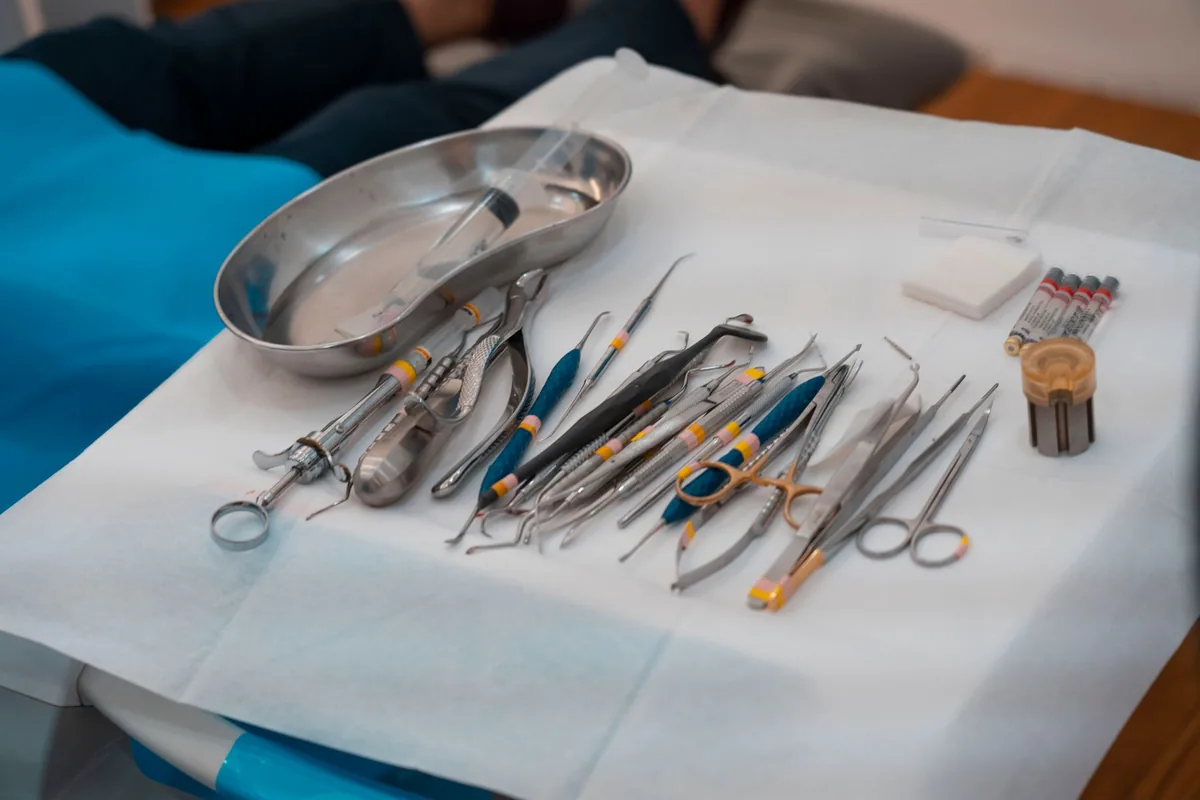
Procedures or surgery
If the decay is extensive, extraction under general anesthesia is the most reliable solution. The procedure involves removing the tooth, smoothing the surrounding bone, and sometimes placing a temporary dressing. Recovery usually takes 7‑10 days, with a soft‑food diet and limited activity. In the United States, extraction costs typically range from $150 to $400 per tooth, while in the United Kingdom they average £120‑£300.
Diet and nutrition
Nutrition plays a pivotal role in preventing dental cavities. The goal is to reduce fermentable carbohydrates that feed plaque‑forming bacteria while providing nutrients that support healthy teeth and gums.
Foods to feed
- High‑protein, low‑carb kibble: Look for formulas that list meat first and contain less than 10 % total carbohydrates. These kibble types create a “scrubbing” effect as the dog chews, reducing plaque buildup.
- Raw or freeze‑dried diets: If you choose a raw regimen, include raw meaty bones (e.g., chicken necks) that naturally clean teeth. Ensure bones are appropriate size to avoid choking.
- Dental‑specific diets: Prescription diets such as Hill’s Prescription Diet t/d Dental Care or Royal Canin Dental are formulated with larger kibble pieces and added antioxidants to combat decay.
Foods to limit or avoid
| Do feed | Limit | Avoid |
|---|---|---|
| Lean meats, boiled eggs, cottage cheese | Cooked grains (rice, oatmeal) – keep portions modest | Sugary treats, table scraps with sauces, honey‑glazed biscuits |
| Dental chews with low sugar and high fiber | Soft treats (training biscuits) – can stick to teeth | Rawhide with added sugars or flavorings |
Water is essential for saliva production, which naturally cleans the mouth. Adding a splash of low‑sodium chicken broth to water can encourage drinking without adding sugars.
Feeding frequency and portion control
Two meals per day are ideal for most adult dogs. Feeding smaller, more frequent meals can reduce the time food sits on teeth, but it also increases the number of chewing cycles, which helps mechanically remove plaque. If you feed once daily, consider a longer chew session with a dental chew to offset the risk.
When transitioning to a new diet after a dental procedure, start with a soft, highly digestible food (e.g., boiled chicken and rice) for 3‑5 days, then gradually mix in the regular kibble. This helps the mouth heal while still providing nutrition.
For senior dogs, a diet formulated for joint health (with glucosamine) and lower calories can be combined with dental benefits. Many senior‑specific kibble brands include both joint support and dental cleaning particles.
Cost and prognosis
Dental costs vary by region, clinic, and the extent of the problem. Below are typical US and UK estimates (all figures are averages; your vet will give a precise quote after an exam):
| Procedure | US cost (USD) | UK cost (GBP) |
|---|---|---|
| Professional cleaning (including anesthesia) | $200‑$350 | £150‑£250 |
| Filling a cavity | $150‑$250 | £120‑£200 |
| Single tooth extraction | $150‑$400 | £120‑£300 |
| Antibiotic course | $15‑$40 | £10‑£30 |
| Full dental package (cleaning + X‑rays + extractions if needed) | $500‑$900 | £350‑£600 |
Prognosis is excellent when cavities are treated early. Most dogs return to normal eating within a week and show no signs of pain. Untreated cavities can progress to pulp infection, tooth loss, and systemic spread of bacteria, which lowers quality of life and can become life‑threatening.
Prevention and home care
Consistent oral hygiene is the cornerstone of cavity prevention. Here’s a practical routine:
- Brush daily or at least several times a week: Use a soft canine toothbrush and toothpaste (never human paste). The flavor of the toothpaste encourages acceptance.
- Dental chews: Choose low‑sugar, high‑fiber chews such as Greenies Dental Chews or Virbac C.E.T. Veggie sticks. These can reduce plaque by up to 30 % when given regularly.
- Regular vet exams: Schedule a dental check‑up at least once a year. For senior dogs, semi‑annual exams are advisable.
- Water additives: Products like TropiClean Water Additive can help lower oral bacteria counts without altering taste.
- Monitor diet: Keep treats small, avoid sugary foods, and prefer crunchy kibble over soft, moist foods.
For breeds prone to cavities—such as Yorkshire Terriers, Miniature Schnauzers, and Poodles—extra vigilance with brushing and dental chews is recommended. These breeds often have tighter tooth spacing, making plaque removal harder.

Cost and prognosis
Dental care is an investment in your dog’s long‑term health. Early detection and treatment of cavities typically keep costs under $300 in the United States and under £250 in the United Kingdom. If a cavity progresses to a severe infection, costs can rise to $800‑$1,200 (or £600‑£900) for extensive extractions, antibiotics, and possible hospital stays.
Most dogs recover fully within 1‑2 weeks after a filling or extraction, assuming pain is well‑controlled and the owner follows the home‑care plan. Long‑term prognosis is excellent when preventive measures are maintained; the majority of dogs live many happy years without recurring dental disease.
Prevention and home care
Beyond brushing and chews, consider these additional strategies:
- Rotate chew types: Vary texture (rubber, rawhide‑free, nylon) to work different tooth surfaces.
- Check gums regularly: Gently lift your dog’s lip to look for redness, swelling, or bleeding.
- Watch for changes in breath: A sudden, foul odor often signals early decay.
- Schedule semi‑annual exams for senior dogs: Age‑related changes in saliva and gum health increase risk.
Our Dog Questions Answered page includes a quick checklist you can print and keep by the food bowl.
From our vet team: “Most cavities are painless until they break through the enamel. If you catch a dark spot early, a simple cleaning and a small filling can save the tooth. The biggest difference you’ll see is in the daily habit of brushing—just a few minutes a week keeps the whole mouth healthier than any single vet visit.”
Key takeaways
- Cavities in dogs are caused by plaque‑produced acids that erode tooth enamel, especially on premolars and molars.
- Early signs include dark spots, bad breath, and a reluctance to chew hard foods; watch for swelling or pain as red‑flag emergencies.
- Professional cleaning, fillings, or extractions are the main treatments; antibiotics and pain meds are added if infection is present.
- Annual dental exams with X‑rays, daily brushing, and low‑sugar dental chews are the most effective preventive measures.
- Typical treatment costs range from $150‑$400 per tooth in the U.S.; early intervention keeps expenses and discomfort low.
- Senior dogs and small breeds are at higher risk, so extra vigilance with home care is warranted.
Myth vs. fact
Myth: Dogs can’t get cavities because they don’t eat sugary snacks.
Fact: Dogs can develop cavities from any carbohydrate source, including dry kibble and treats that contain starches or sugars.
Myth: Bad breath is only caused by bad diet.
Fact: Persistent halitosis is often a sign of dental decay or periodontal disease and should prompt a vet visit.
Myth: If a tooth looks normal, there’s no need for a dental X‑ray.
Fact: X‑rays reveal hidden decay beneath the gum line that isn’t visible on the surface, making them essential for a full diagnosis.
Frequently asked questions
Can dogs get cavities like humans?
Yes. Dogs develop dental caries when plaque‑producing bacteria break down tooth enamel, much like in people, but the decay usually occurs on the chewing surfaces of back teeth.
How do I know if my dog has a cavity?
Look for a dark spot or pit on a tooth, bad breath, and changes in chewing; a veterinary oral exam with X‑rays is the definitive way to confirm a cavity.
Are dental cavities in dogs painful?
Early cavities may not cause pain, but once the decay reaches the inner pulp, the tooth can become very sore, leading to reluctance to eat and facial swelling.
What is the treatment for a dog’s tooth cavity?
Treatment options include professional cleaning, filling the cavity with a dental composite, or extracting the tooth if decay is severe; antibiotics and pain relievers are added if infection is present.
How much does it cost to fix a cavity in a dog?
Costs vary: a cleaning and filling typically run $200‑$350 in the U.S., while extraction can be $150‑$400 per tooth; a full dental package with X‑rays may reach $800‑$1,200 for extensive disease.
Can cavities cause bad breath in dogs?
Yes. Decaying tooth material releases foul‑smelling compounds, so persistent bad breath is a common sign of dental cavities or periodontal disease.
Ask the PuppaDogs community
Have a question this article didn’t fully answer? Want to compare notes with other dog owners who’ve been through this? Our community forum is moderated by experienced owners and vets — and answers tend to come fast. Ask in the PuppaDogs community →
References
- American Veterinary Medical Association (AVMA). “Dental Disease in Dogs.”
- American Animal Hospital Association (AAHA). “Dental Care Guidelines for Dogs.” 2023.
- Merck Veterinary Manual. “Tooth Decay (Caries) in Dogs.”
- World Small Animal Veterinary Association (WSAVA). “Oral Health Recommendations.”
- Veterinary Oral Health Council (VOHC). “Dental Chew Efficacy.”
- Veterinary Oral Health Institute. “Dental Radiography for Small Animals.”
- American College of Veterinary Internal Medicine (ACVIM). “Management of Dental Caries.”
- University of California, Davis School of Veterinary Medicine. “Canine Dental Care.”


