









Quick take: Cataracts are cloudy lenses that can blur or block your dog’s vision, most often developing with age or genetics. Surgery (phacoemulsification) restores sight in the majority of cases, but early detection and proper nutrition can slow progression. If your dog shows cloudy eyes, squinting, or bumping into objects, schedule a veterinary exam promptly.
It’s 9 p.m., and you’re half‑asleep when your golden retriever, Max, ambles into the hallway, stops, and bumps his head against the doorframe. You notice his eyes look milky, and he seems hesitant to climb the stairs. Your heart races, and the internet floods you with worst‑case scenarios. You’re not alone—many owners first spot cataracts when a senior dog’s confidence drops.
We understand how unsettling it is to see a beloved companion’s world go hazy. The good news is that cataracts are treatable, and with the right care, most dogs regain clear vision and a good quality of life. In this guide we’ll explain what cataracts are, why they happen, how to spot them early, what your vet will do to confirm the diagnosis, and the options—from medical management to the modern surgical procedure that restores sight. We’ll also cover costs, recovery, diet, and prevention so you can feel equipped to support Max (or any dog) through every step.
What is cataracts in dogs?
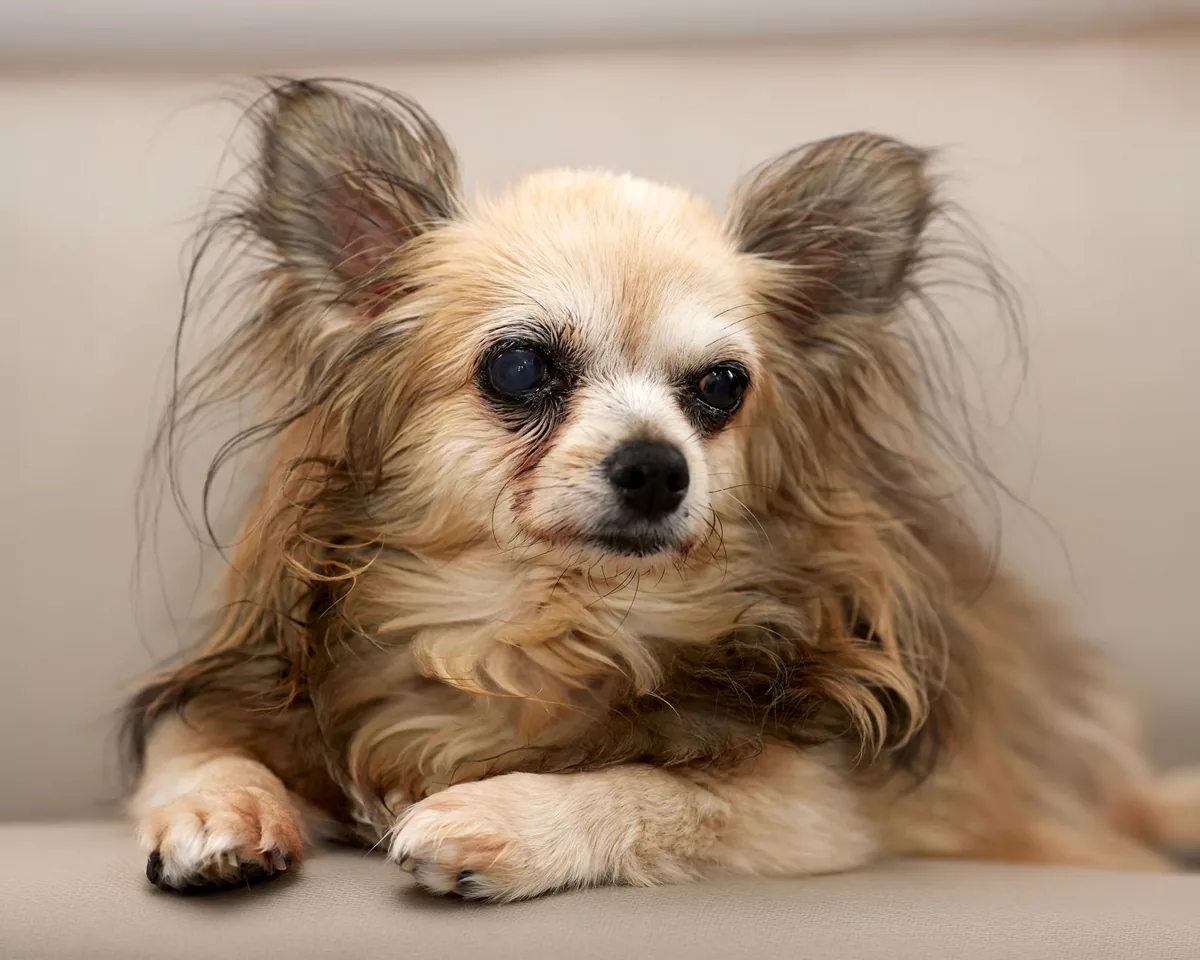
A cataract is a clouding of the eye’s natural lens, the clear structure that focuses light onto the retina. When the lens becomes opaque, light can’t be focused properly, leading to blurry or absent vision. Cataracts can affect one eye (unilateral) or both eyes (bilateral) and range from a faint “fog” to a completely white lens.
In dogs, cataracts are relatively common, especially in senior animals. The American College of Veterinary Ophthalmologists (ACVO) estimates that up to 30 % of dogs over ten years develop some degree of lens opacity, though not all require surgery. The condition can be classified by type:
- Age‑related (senile) cataracts: Gradual clouding that appears as dogs age.
- Hereditary cataracts: Inherited genetic defects that cause early‑onset lens opacity.
- Diabetic cataracts: Rapid development linked to uncontrolled diabetes mellitus.
- Traumatic cataracts: Resulting from eye injury or blunt force.
- Secondary cataracts: Associated with other eye diseases such as uveitis or glaucoma.
What causes it?
Understanding the root causes helps you gauge risk and discuss preventive steps with your vet. The main contributors fall into three categories:
| Category | Typical Causes | Notes |
|---|---|---|
| Age | Natural protein aggregation in the lens | Most common; onset after 7 years in medium‑large breeds |
| Genetics | Inherited mutations (e.g., in the CRYAA gene) | Breed‑specific; see breed predisposition table below |
| Metabolic/Health | Uncontrolled diabetes, chronic inflammation, trauma | Diabetic cataracts can develop within weeks of hyperglycemia |
Breed predisposition is notable. Certain purebreds carry a higher hereditary risk, while mixed‑breed dogs can inherit those genes as well.
| Breed | Typical Onset (years) | Hereditary Risk |
|---|---|---|
| American Cocker Spaniel | 4‑6 | High |
| Boston Terrier | 5‑7 | High |
| Labrador Retriever | 7‑9 | Moderate |
| German Shepherd | 8‑10 | Moderate |
| Mixed Breed (any) | Variable | Depends on ancestry |
Signs and symptoms
Early cataracts often sneak in unnoticed because dogs rarely complain of visual loss. However, owners can spot subtle cues:
| Stage | Signs | What It Means |
|---|---|---|
| Mild | Cloudy spot in one eye; slight bumping on furniture | Early lens opacity; vision still mostly functional |
| Moderate | Both eyes appear milky; dog hesitates on stairs; increased clumsiness | Significant vision loss; may affect navigation |
| Severe | Complete white lens; dog walks into walls; loss of depth perception | Near‑total blindness; risk of secondary eye problems |
Other red‑flag signs include:
- Squinting or keeping the eye partially closed.
- Photophobia (sensitivity to bright light).
- Excessive tearing or discharge.
- Eye pain or rubbing with paws.
- Sudden onset of cloudiness, especially in diabetic dogs.
When to call your vet
Call your vet today if you notice:
- Any cloudiness or milky appearance in one or both eyes.
- New squinting, bumping into objects, or reluctance to climb stairs.
- Excessive tearing, discharge, or signs of eye discomfort.
Go to an emergency veterinary clinic right now if your dog shows:
- Sudden, severe eye pain (pawing at the eye, vocalizing).
- Rapid swelling, redness, or a ruptured eye.
- Signs of blindness combined with a head injury.
These red flags can indicate complications such as glaucoma, uveitis, or a traumatic rupture that need immediate attention.
This article provides general information and is not a substitute for professional veterinary care.
How vets diagnose it
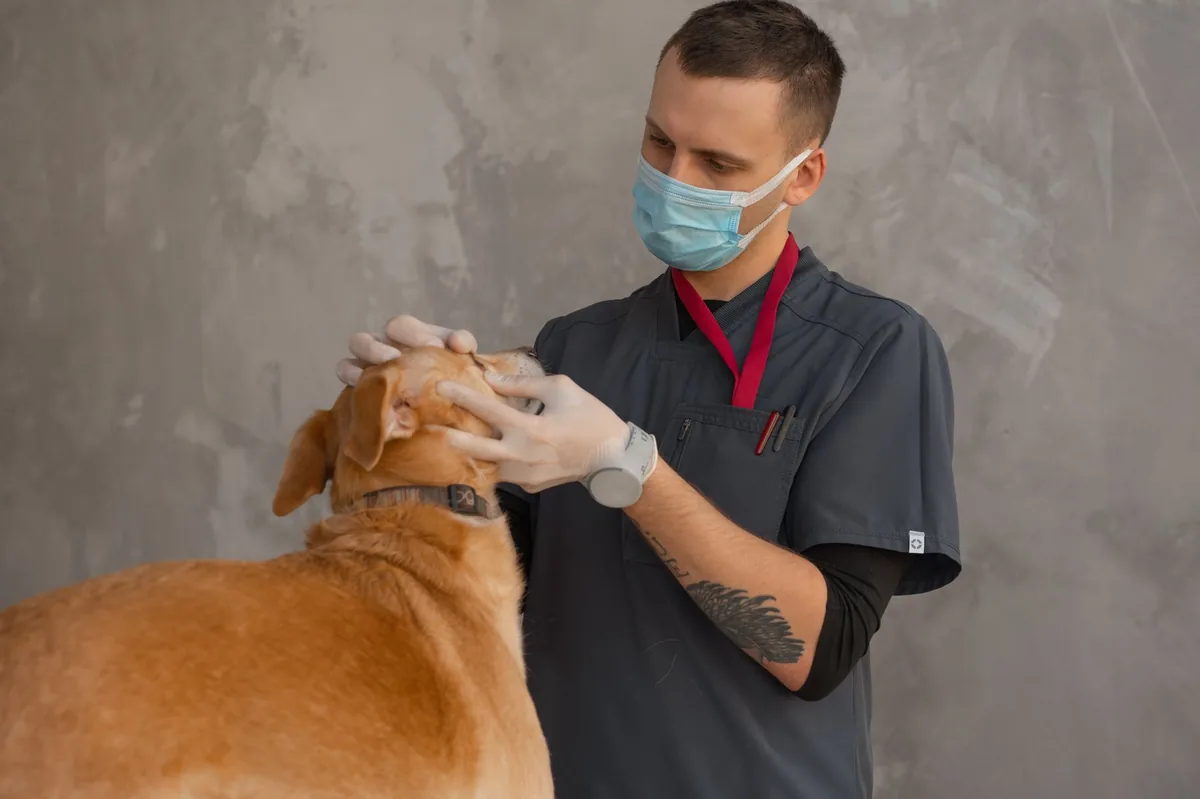
Diagnosis starts with a thorough history and physical exam. Your vet will ask about the onset, progression, any recent illnesses (especially diabetes), and possible eye trauma.
Key diagnostic tools include:
- Standard eye exam: Visual inspection of the lens, pupil response, and overall ocular health.
- Slit‑lamp biomicroscopy: A magnified view that reveals the exact location and density of the cataract.
- Ultrasound (B‑scan): Used when the lens is completely opaque; it assesses the retina and vitreous body.
- Tonometry: Measures intra‑ocular pressure to rule out secondary glaucoma.
- Blood work: Especially a glucose panel if diabetes is suspected.
These tests let the ophthalmologist stage the cataract, identify any co‑existing eye disease, and decide whether surgery is a safe and effective option.
Treatment options
Medical treatment
While cataracts themselves cannot be reversed with medication, medical care is essential to manage underlying conditions and prevent complications:
- Anti‑inflammatory drugs: Steroids or non‑steroidal anti‑inflammatories (e.g., prednisolone, meloxicam) reduce uveitis that can accompany cataracts.
- Glucose control: For diabetic dogs, insulin therapy and diet changes help halt rapid cataract progression.
- Antibiotics: If there’s concurrent infection or post‑surgical prophylaxis, drugs such as amoxicillin may be prescribed.
Ask your vet about these options if your dog has an underlying disease that contributed to the cataract formation.
Supplements and supportive care
Some nutraceuticals show promise in supporting eye health, though they are not cures:
- Omega‑3 fatty acids (EPA/DHA): Anti‑inflammatory properties that may slow retinal degeneration. Look for dog foods enriched with fish oil or add a vet‑approved supplement.
- Antioxidants (vitamin C, vitamin E, lutein, zeaxanthin): These compounds help protect lens proteins from oxidative damage. Commercial eye‑support formulas often contain a blend.
- Bilberry extract: Some studies suggest it supports visual function, but evidence is limited; discuss with your vet before use.
Supplements are best used as part of a comprehensive eye‑health plan and should never replace veterinary‑prescribed medication.
Procedures or surgery
When cataracts severely impair vision, the gold‑standard treatment is surgical removal using phacoemulsification. The procedure works like an ultrasonic “drill” that emulsifies the cloudy lens, which is then suctioned out. An artificial intra‑ocular lens (IOL) is usually implanted to restore focusing ability.
Key points about cataract surgery:
- Success rate: 85‑95 % of dogs regain functional vision, according to the ACVO.
- Eligibility: Dogs must be free of severe glaucoma, retinal disease, or uncontrolled systemic illness.
- Anesthesia: Modern protocols are safe for senior dogs; a thorough pre‑operative workup minimizes risk.
- Recovery: Typically 4‑6 weeks of limited activity, eye drops, and follow‑up exams.
We’ll dive deeper into post‑operative care and costs later in the article.
Diet and nutrition
Nutrition plays a supporting role in eye health, especially for dogs at risk of cataracts or recovering from surgery. While no single “cataract diet” can reverse an existing lens opacity, feeding a balanced, antioxidant‑rich diet can help protect the retina and reduce oxidative stress that contributes to lens clouding.
Key dietary principles:
- High‑quality protein: Provides essential amino acids for lens repair and overall health. Look for named animal proteins (chicken, salmon) as the first ingredient.
- Moderate calories: Overweight dogs have higher oxidative load and may develop diabetes, a known cataract risk factor. Maintain an ideal body condition score (BCS) of 4‑5/9.
- Omega‑3 fatty acids: EPA and DHA from fish oil or algae support anti‑inflammatory pathways in the eye.
- Antioxidant enrichment: Vitamins C and E, lutein, zeaxanthin, and beta‑carotene help neutralize free radicals that damage lens proteins.
- Low‑glycemic carbohydrates: For diabetic or pre‑diabetic dogs, choose complex carbs (sweet potato, lentils) over high‑glycemic grains to maintain stable blood glucose.
Below is a quick reference for foods to feed, limit, or avoid:
| Do feed | Limit | Avoid |
|---|---|---|
| Fresh salmon or sardines (rich in omega‑3) | Cooked chicken with skin (moderate fat) | High‑sugar treats (e.g., fruit snacks with added sugar) |
| Commercial dog foods formulated for senior eyes (often contain lutein) | Grain‑based kibble with added corn gluten | Table scraps high in sodium or processed meats |
| Vegetables like spinach, kale, and carrots (natural antioxidants) | Excessive dairy (can cause GI upset) | Simple carbohydrate snacks (white rice, crackers) |
Prescription therapeutic diets such as “renal support” formulas can be beneficial if your dog also has kidney disease, which often co‑exists with cataracts in senior pets. These diets are low in phosphorus and protein, but still provide high‑quality nutrients.
Transitioning foods should be gradual—mix 10 % new food with 90 % current diet for a week, then increase the new portion by 10 % each day. This helps your dog’s digestive system adjust and reduces the risk of vomiting or diarrhea, which can complicate post‑surgical recovery.
For personalized feeding guidance, our dog health calculators can estimate daily calorie needs based on weight, age, and activity level.
Cost and prognosis
Financial considerations are real, and cataract surgery can be a significant investment. Below are typical cost ranges (USD) for the United States; UK figures are shown in pounds where they differ. Prices vary by clinic, geographic location, and whether the dog requires additional procedures such as glaucoma management.
| Item | US Estimate (USD) | UK Estimate (GBP) |
|---|---|---|
| Pre‑operative blood work & imaging | $150‑300 | £120‑250 |
| Phacoemulsification surgery (per eye) | $2,000‑4,500 | £1,600‑3,500 |
| Intra‑ocular lens (IOL) implantation | $300‑600 | £250‑500 |
| Post‑operative medications (drops, antibiotics) | $100‑250 | £80‑200 |
| Follow‑up exams (3‑4 visits) | $200‑400 | £150‑300 |
| Total average cost (both eyes) | $2,500‑5,500 | £2,000‑4,500 |
Many veterinary practices offer payment plans or financing through third‑party providers. Some pet insurance policies cover a portion of the surgery if the condition is pre‑existing; always verify coverage details.
Prognosis after successful surgery is excellent: most dogs regain functional vision within weeks and can resume normal activities. Long‑term outcomes depend on the health of the retina and absence of secondary glaucoma. Regular eye exams (every 6‑12 months) help catch any late‑onset issues early.
Prevention and home care
While you can’t entirely stop age‑related cataracts, several everyday habits can lower risk and maintain eye health:
- Regular veterinary eye exams: Annual checks catch early lens changes before they impair vision.
- Control diabetes: Tight glucose management reduces the rapid cataract formation seen in diabetic dogs.
- Protect from trauma: Use a harness instead of a collar on dogs that are prone to head injuries, and keep them away from hazards like sharp objects.
- Provide antioxidant‑rich foods: Incorporate fish, leafy greens, and eye‑support supplements as part of a balanced diet.
- Maintain a healthy weight: Obesity increases systemic inflammation and the risk of diabetes.
- Monitor for early signs: If you notice cloudiness, squinting, or bumping, schedule a vet visit promptly.
After surgery, home care is crucial:
- Keep the surgical eye protected with an Elizabethan collar (cone) for 1‑2 weeks.
- Administer prescribed eye drops exactly as directed—usually 4‑6 times daily for the first week.
- Avoid vigorous play, jumping, or stair climbing for at least 4 weeks.
- Maintain a calm environment; stress can raise intra‑ocular pressure.
- Schedule the recommended follow‑up appointments; they allow the vet to monitor healing and adjust medication.
These steps help ensure a smooth recovery and preserve the newly restored vision.
From our vet team: Early detection is a game‑changer. If you notice any cloudiness, even a tiny spot, bring your dog in for an eye exam. The sooner we can evaluate the lens, the more options we have—whether that’s medical management to keep the eye healthy or a surgical plan that gives your dog a second chance at clear sight.
Key takeaways
- Cataracts are cloudy lenses that commonly develop with age or genetics, and they can cause vision loss if untreated.
- Early signs include a milky eye appearance, squinting, or bumping into objects; prompt veterinary evaluation is essential.
- Phacoemulsification surgery with an intra‑ocular lens restores vision in 85‑95 % of dogs and is safe for most seniors.
- Costs range from $2,500‑$5,500 (USD) for bilateral surgery; financing and insurance options may help manage expenses.
- Feeding antioxidant‑rich, low‑glycemic foods and controlling diabetes can slow cataract progression.
- Post‑operative care includes eye drops, activity restriction, and regular follow‑up exams to ensure full recovery.
Myth vs. fact
Myth: Cataracts can be cured with eye drops alone.
Fact: Medications can manage inflammation or underlying disease, but they cannot clear the opacity of an existing cataract. Surgery is the only way to restore vision.
Myth: Senior dogs are too risky for cataract surgery.
Fact: Modern anesthesia and thorough pre‑operative screening make cataract surgery safe for most older dogs, and outcomes are comparable to younger patients.
Myth: All dogs with cataracts will go blind.
Fact: Many dogs retain usable vision, especially if the cataract is caught early or removed surgically.
Frequently asked questions
What are the common symptoms of cataracts in dogs?
Typical signs include a cloudy or milky appearance of the lens, squinting, bumping into furniture, and reduced ability to navigate stairs or jump. Early cataracts may be subtle, so any new eye opacity warrants a vet visit.
How is cataract surgery performed on a dog?
The procedure uses phacoemulsification: an ultrasonic probe breaks up the cloudy lens, which is suctioned out, and a synthetic intra‑ocular lens is implanted. The surgery is done under general anesthesia and usually lasts under an hour per eye.
Is cataract surgery safe for senior dogs?
Yes. With proper pre‑operative blood work and modern anesthesia protocols, senior dogs often tolerate the surgery well. Success rates remain high (85‑95 %) across age groups, though underlying health conditions are evaluated first.
What is the typical cost of cataract removal for a dog?
In the United States, expect $2,500‑$5,500 for bilateral surgery, including pre‑op testing, the IOL, and post‑op care. Prices vary by clinic and region; financing options and some pet insurance plans may offset part of the expense.
Can cataracts in dogs be treated with medication alone?
Medications can control associated inflammation or diabetes, but they cannot dissolve the lens opacity itself. Surgery remains the definitive treatment for restoring vision when cataracts significantly impair sight.
Which dog breeds are most likely to develop cataracts?
Breeds with a known hereditary predisposition include the American Cocker Spaniel, Boston Terrier, Labrador Retriever, and German Shepherd. Mixed‑breed dogs can inherit these genes, so family history is also important.
Ask the PuppaDogs community
Have a question this article didn’t fully answer? Want to compare notes with other dog owners who’ve been through this? Our community forum is moderated by experienced owners and vets — and answers tend to come fast. Ask in the PuppaDogs community →
References
- American College of Veterinary Ophthalmologists (ACVO). “Cataract Management in Dogs.” 2023.
- Merck Veterinary Manual. “Cataract, Canine.” Updated 2022.
- American Animal Hospital Association (AAHA). “Guidelines for Ophthalmic Surgery.” 2022.
- American Veterinary Medical Association (AVMA). “Diabetes Mellitus in Dogs.” 2023.
- World Small Animal Veterinary Association (WSAVA). “Nutrition for Eye Health.” 2021.
- University of California, Davis School of Veterinary Medicine. “Veterinary Ophthalmology.” 2022.
- Veterinary Ophthalmology (3rd ed.). Gelatt KN, et al. Elsevier, 2020.
- American College of Veterinary Internal Medicine (ACVIM). “Consensus Statement on Cataract Surgery.” 2021.
- PetMD. “Cataract Surgery in Dogs – What to Expect.” 2023.
- AKC. “Breed Health Surveys – Eye Disorders.” 2022.


