












Quick take: Cardiac arrest in dogs is a sudden loss of heart function that can happen without warning. It’s an emergency—call your vet or an emergency clinic right away. If you’re trained, start CPR immediately; early action dramatically improves the chance of survival.
It’s 11 p.m., and your 12‑year‑old Boxer is lying on the couch, breathing shallowly, eyes half‑closed. You notice his chest isn’t rising, and his gums look a pale gray. Your heart races as you Google “dog not breathing.” The search results flash medical jargon, and the worry spikes: “Is this a heart attack? Is it fatal?” You’re not a vet, but you need to know what to do in those next minutes.
We get it—watching a beloved dog stop moving can feel like a scene from a movie, but the reality is less dramatic and more about quick, calm action. Cardiac arrest in dogs is rare, yet it can strike any breed, especially seniors with heart disease. In this guide we’ll explain exactly what cardiac arrest is, how it differs from a heart attack, the warning signs, how to perform CPR, what the vet will do, costs you might expect, and how to help keep your dog’s heart healthy for years to come.
Read on for a step‑by‑step emergency plan, nutrition tips, and ways to lower the risk of future heart emergencies. And remember, this article is for information only—always follow up with your veterinarian.
What is cardiac arrest in dogs?
Cardiac arrest means the heart stops beating effectively, so blood no longer circulates to the brain and other organs. In dogs this is an “all‑or‑nothing” event—without a pulse, oxygen can’t reach tissues, and loss of consciousness follows within seconds. It is different from a heart attack (myocardial infarction), which is damage to the heart muscle caused by a blocked blood vessel. A heart attack can lead to cardiac arrest, but the two are not synonymous.
According to the American College of Veterinary Internal Medicine (ACVIM), sudden cardiac arrest accounts for a small fraction of emergency presentations, but it is a leading cause of death in dogs with advanced heart disease. Most dogs that experience cardiac arrest are older (7 years +), and many have underlying conditions like dilated cardiomyopathy, valvular disease, or arrhythmias.
What causes it?
Cardiac arrest can arise from several primary pathways. Below is a quick overview of the most common causes and risk factors.
| Category | Typical Triggers |
|---|---|
| Heart disease | Dilated cardiomyopathy, chronic valvular disease, hypertrophic cardiomyopathy, myocarditis |
| Arrhythmias | Ventricular fibrillation, atrial fibrillation, conduction blocks |
| Severe electrolyte imbalance | Hyperkalemia from kidney failure, severe hypocalcemia |
| Trauma or hypoxia | Severe blood loss, choking, drowning, prolonged anesthesia |
| Poisoning | Rodenticide toxicity, certain plants, drug overdose |
Breed predispositions also matter. Large breeds such as Boxers, Doberman Pinschers, and German Shepherds are more prone to dilated cardiomyopathy, while small breeds like Cavalier King Charles Spaniels often develop chronic mitral valve disease. Genetic factors, diet, and lifestyle (obesity, lack of exercise) can amplify these risks.
Signs and symptoms
Because cardiac arrest is a sudden event, the most recognizable signs appear within minutes. Early clues may hint at an impending crisis, especially in dogs with known heart disease.
| Severity | Signs to Watch For |
|---|---|
| Mild / Pre‑arrest | Exercise intolerance, coughing after activity, fainting (syncope), irregular heartbeat felt on the chest |
| Moderate | Labored breathing, pale or blue‑tinged gums, weakness, sudden collapse, unresponsive stare |
| Severe (cardiac arrest) | No pulse, no breathing, unresponsive, chest not moving, gray‑white gums, eyes fixed |
If you notice any of the moderate signs—especially a sudden collapse or labored breathing—treat it as an emergency and prepare to start CPR while you call for help.

When to call your vet
Call your regular vet today if your dog shows any moderate signs—coughing, fainting, irregular heartbeat, or sudden weakness. These could be warning signs that a heart problem is worsening.
Go to an emergency veterinary hospital right now if you observe any of these red‑flag signs:
- No breathing or very shallow breaths
- No detectable pulse (check the femoral artery on the inside of the thigh)
- Gray‑white gums or tongue
- Sudden collapse with unresponsiveness
Time is critical—every minute without circulation reduces the chance of a good outcome. If you’re alone, call the emergency clinic first, then start CPR while you wait for help.
This article is for informational purposes only and does not replace a professional veterinary examination.
How vets diagnose it
When you arrive at the clinic, the veterinary team will act quickly. The typical diagnostic work‑up includes:
- History & physical exam: The vet will ask about recent episodes, diet, medications, and any known heart conditions.
- Electrocardiogram (ECG): Records the heart’s electrical activity to spot arrhythmias that may have caused the arrest.
- Echocardiogram (ultrasound of the heart): Visualizes heart chambers, valve function, and wall thickness.
- Bloodwork: Checks electrolytes, kidney function, and cardiac biomarkers like troponin I, which rise after heart muscle injury.
- Chest X‑rays: Look for fluid accumulation, enlarged heart silhouette, or lung congestion.
- Pulse oximetry & arterial blood gases: Assess oxygen delivery and acid‑base status.
These tests help the vet determine the cause of the arrest and guide immediate treatment and long‑term management.
Treatment options
Medical treatment
First‑line emergency care follows the canine cardiopulmonary resuscitation (CPR) protocol endorsed by the AAHA and the Veterinary Emergency and Critical Care Society (VECCS). Core components include:
- Chest compressions at a rate of 100–120 compressions per minute.
- Artificial ventilation (mouth‑to‑nose breaths) or a bag‑valve‑mask device.
- Defibrillation with a veterinary‑approved AED if the ECG shows a shockable rhythm (ventricular fibrillation).
- Administration of emergency drugs such as epinephrine (to support blood pressure) and amiodarone (to control arrhythmias). Ask your vet about these options.
After return of spontaneous circulation (ROSC), dogs often need intensive care: intravenous fluids, oxygen therapy, anti‑arrhythmic medications, and monitoring in a critical‑care unit. Some dogs may require a pacemaker if a persistent conduction block is identified.
Supplements and supportive care
While supplements cannot replace emergency treatment, certain nutraceuticals can aid recovery once the dog is stable:
- Omega‑3 fatty acids (EPA/DHA): Reduce inflammation and support cardiac cell membranes. Look for high‑quality fish‑oil supplements approved by the AAFCO.
- Coenzyme Q10 (Ubiquinol): May improve mitochondrial function in the heart muscle; evidence is modest but safe for most dogs.
- Vitamin E and Selenium: Antioxidants that help protect the heart from oxidative stress, especially after a hypoxic event.
Introduce supplements only after your vet clears them; they should complement, not replace, prescribed medications.
Procedures or surgery
In some cases, the underlying cause of cardiac arrest requires a surgical or interventional approach:
- Pacemaker implantation: A small device placed under the skin with leads to the heart, used for chronic bradyarrhythmias. Recovery usually takes 2–3 weeks; cost ranges from $5,000–$9,000 (US) or £4,000–£7,000 (UK).
- Cardiac catheterization: Rarely performed in dogs, but can address severe congenital defects or coronary blockages.
- Thoracotomy for tamponade: If fluid builds up around the heart (pericardial effusion), surgical drainage may be life‑saving.
Diet and nutrition
Nutrition plays a pivotal role in both preventing heart disease and supporting recovery after a cardiac event. While there is no “cardiac arrest diet,” veterinarians often recommend a heart‑healthy feeding plan that emphasizes moderate calories, high‑quality protein, and nutrients that support vascular function.
Key principles for a heart‑supportive diet:
- Moderate calories: Maintaining an ideal body condition prevents excess strain on the heart. For most adult dogs, this means feeding to achieve a body condition score (BCS) of 4‑5/9.
- Highly digestible protein: Sources like chicken, turkey, or fish provide essential amino acids without overloading the kidneys, which often accompany cardiac disease.
- Reduced sodium: Excess salt can increase blood pressure and fluid retention. Look for “low‑sodium” or “reduced sodium” formulations, especially for senior dogs.
- Omega‑3 fatty acids: As mentioned, EPA/DHA help reduce inflammation and improve heart rhythm stability.
- Added taurine and L‑carnitine: Especially important for breeds prone to dilated cardiomyopathy (e.g., Boxers, Dobermans). These amino‑acid derivatives support myocardial contractility.
- Antioxidants: Vitamin E, selenium, and CoQ10 help mitigate oxidative damage during and after a cardiac event.
Many commercial therapeutic diets are formulated for specific cardiac conditions. In the United States, the AAHA recommends “renal‑cardiac” diet blends for dogs with concurrent kidney and heart disease. In the UK and EU, similar “cardiac” formulas are available from reputable manufacturers. You don’t need to name a brand, but you can ask your vet to prescribe a “therapeutic cardiac diet” if your dog has chronic heart disease.
Below is a quick guide to foods to feed, limit, or avoid for dogs recovering from a cardiac arrest.
| Do feed | Limit | Avoid |
|---|---|---|
| Lean poultry, fish, low‑fat cottage cheese, cooked eggs | Cooked potatoes, rice, or pasta (moderate carbs) | High‑fat meats, bacon, fried foods |
| Omega‑3 supplements, small amounts of pumpkin for digestion | Commercial treats high in sodium or fat | Table scraps with onions, garlic, or excessive cheese |
| Prescription cardiac diet (low sodium, added taurine) | Cheese sticks, jerky treats (check sodium content) | Raw bones that can splinter; high‑phosphorus foods |
When transitioning to a new diet, do it gradually over 7–10 days: mix 25 % new food with 75 % old, then increase the new portion each few days. This helps prevent gastrointestinal upset, which can be especially problematic after a critical illness.
Hydration is also essential. Offer fresh water frequently, and consider low‑sodium broth (no onion or garlic) to encourage fluid intake if your dog is reluctant to drink.
Finally, monitor weight and body condition weekly for the first month after discharge. If you notice rapid weight loss or gain, contact your vet promptly.
Cost and prognosis
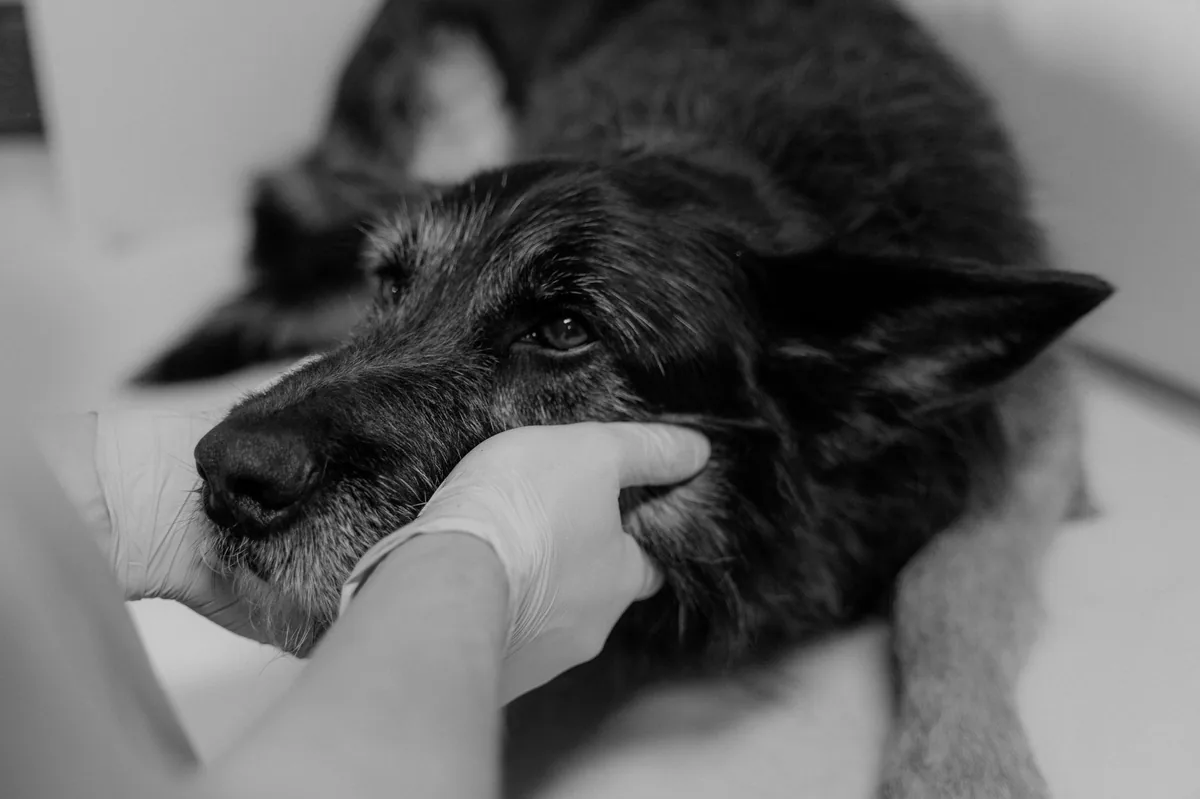
Emergency cardiac arrest care is intensive and can be costly. Below is a rough estimate of typical expenses in the United States and United Kingdom. Prices vary by clinic, region, and the specific interventions required.
| Service | US (USD) | UK (GBP) |
|---|---|---|
| Initial emergency exam & labs | $300–$600 | £250–£400 |
| CPR & AED use (first hour) | $500–$1,000 | £400–£800 |
| Intensive care (24 h) | $1,200–$2,500 | £1,000–£2,000 |
| Pacemaker implantation (if needed) | $5,000–$9,000 | £4,000–£7,000 |
| Follow‑up diagnostics (echo, ECG) | $200–$500 | £150–£300 |
Survival rates after a witnessed cardiac arrest with immediate CPR range from 20 % to 40 % in dogs, according to a retrospective study published in the Journal of Veterinary Emergency Medicine. Factors that improve odds include: a short downtime (< 5 minutes), underlying cause that is reversible (e.g., drug toxicity), and prompt, high‑quality CPR.
Even when dogs survive, the long‑term outlook depends on the underlying heart condition. Dogs with treatable arrhythmias or reversible electrolyte disturbances often return to normal activity within weeks. Those with advanced cardiomyopathy may require lifelong medication, regular cardiac monitoring, and lifestyle adjustments.
Prevention and home care
While you can’t predict every emergency, you can reduce the risk of cardiac arrest with everyday habits:
- Regular heart check‑ups: Senior dogs should have a cardiac exam (including ECG and echo) at least once a year. Our health Q&A guide explains what to expect.
- Maintain a healthy weight: Obesity increases cardiac workload. Use a calibrated food bowl and follow the feeding guidelines on the calorie calculator.
- Exercise wisely: Moderate, consistent activity keeps the heart strong. Avoid high‑intensity bursts in dogs with known heart disease.
- Monitor for warning signs: Sudden coughing, fainting, or changes in breathing should prompt a vet visit.
- Control electrolytes: Ensure kidney health with regular blood work; prevent hyperkalemia by avoiding foods high in potassium (e.g., bananas) for dogs with renal issues.
- Prepare an emergency kit: Include a pet‑specific CPR mask, a portable AED (some human models have pediatric pads that can be used with proper guidance), gauze, and a list of emergency contacts. Store it near your phone for quick access.
Finally, keep a record of your dog’s medications, allergies, and heart history. In an emergency, this information speeds up diagnosis and treatment.
From our vet team: “When you hear a faint heartbeat or see gray gums, every second counts. Starting chest compressions while you call for help can mean the difference between life and loss. It sounds daunting, but the technique is simple—press hard, press fast, and keep going until a professional arrives.”
Key takeaways
- Cardiac arrest is a sudden loss of heart function; it requires immediate CPR and emergency veterinary care.
- Know the red‑flag signs—no breathing, no pulse, pale gums—and act within minutes.
- Regular heart exams, weight control, and a low‑sodium, high‑quality protein diet lower the risk of heart emergencies.
- If you’re trained, start chest compressions at 100–120 per minute and use a pet‑compatible AED if available.
- Costs can be high, but early intervention improves survival; discuss financial options with your vet beforehand.
- After a cardiac event, follow a heart‑supportive diet, take prescribed meds, and schedule frequent rechecks to monitor recovery.
Myth vs. fact
Myth: Only large breeds get heart attacks.
Fact: While some large breeds are predisposed to cardiomyopathy, any dog can experience a heart attack or cardiac arrest, especially seniors with underlying disease.
Myth: If a dog collapses, there’s nothing you can do at home.
Fact: You can perform CPR on a dog at home; high‑quality chest compressions and rescue breaths can buy critical time until professional help arrives.
Myth: Cardiac arrest always means the dog will die.
Fact: Survival rates improve dramatically with prompt CPR and treatment; many dogs recover with adequate care and ongoing heart management.
Frequently asked questions
What does a dog look like when it’s having a cardiac arrest?
A dog in cardiac arrest will be unresponsive, have no breathing or very shallow breaths, and show no detectable pulse—usually the femoral artery on the thigh. The gums or tongue may appear gray‑white, and the chest will not rise with each breath.
Can I do CPR on my dog at home?
Yes. The AAHA and VECCS recommend chest compressions at 100–120 per minute, followed by rescue breaths (mouth‑to‑nose) or use of a bag‑valve‑mask. A pet‑specific CPR mask and a human AED with pediatric pads can be used with proper technique. Training classes are available through many local shelters and veterinary schools.
How quickly does a dog need veterinary care after a heart emergency?
Ideally within minutes. The chance of successful resuscitation drops sharply after 5 minutes without circulation. If you notice cardiac arrest signs, start CPR immediately and call an emergency clinic right away.
Are there any breeds that are more likely to suffer a cardiac arrest?
Yes. Boxers, Doberman Pinschers, and German Shepherds are prone to dilated cardiomyopathy, while Cavalier King Charles Spaniels often develop chronic mitral valve disease. All breeds can experience arrhythmias that lead to cardiac arrest, especially as they age.
What is the typical cost of emergency treatment for a dog’s cardiac arrest?
Emergency care can range from $800 to $2,500 in the United States for the initial resuscitation and ICU stay. If a pacemaker is required, costs may exceed $5,000. In the UK, similar services typically cost £600–£2,000, with pacemaker implantation adding £4,000–£7,000.
What long‑term care is needed after a dog survives a cardiac arrest?
Survivors usually require ongoing cardiac medication (e.g., pimobendan, ACE inhibitors), regular ECG and echo monitoring, a heart‑healthy diet, and activity modifications. Follow‑up visits every 3–6 months are common, and owners should keep an emergency kit and knowledge of CPR handy.
Ask the PuppaDogs community
Have a question this article didn’t fully answer? Want to compare notes with other dog owners who’ve been through this? Our community forum is moderated by experienced owners and vets — and answers tend to come fast. Ask in the PuppaDogs community →
References
- American College of Veterinary Internal Medicine (ACVIM). “Cardiovascular Emergencies in Small Animals.” 2023.
- American Animal Hospital Association (AAHA). “CPR Guidelines for Dogs and Cats.” 2022.
- Veterinary Emergency and Critical Care Society (VECCS). “Guidelines for the Use of AEDs in Dogs.” 2021.
- Merck Veterinary Manual. “Cardiac Arrest.” Updated 2023.
- Plumb’s Veterinary Drug Handbook. “Epinephrine, Amiodarone, and Other Emergency Drugs.” 9th edition, 2022.
- American Veterinary Medical Association (AVMA). “Heart Disease in Dogs – Risk Factors and Prevention.” 2022.
- World Small Animal Veterinary Association (WSAVA). “Nutritional Management of Cardiac Disease.” 2021.
- University of California, Davis School of Veterinary Medicine. “Canine Cardiomyopathy Overview.” 2023.
- British Veterinary Association (BVA). “Cost of Emergency Veterinary Care.” 2022.
- American Heart Association (AHA). “Understanding CPR for Pets.” 2022.


