














Quick take: Carbon monoxide (CO) poisoning in dogs occurs when CO gas displaces oxygen in the blood, leading to tissue hypoxia. Early signs include lethargy, pale gums, and rapid breathing; prompt veterinary care with oxygen therapy is essential. With rapid treatment most dogs recover, but severe exposure can be fatal and costly.
It’s 11 p.m., the house is quiet, and your 7‑year‑old mixed‑breed dog, Bella, isn’t greeting you at the door. She lies on the floor, breathing shallowly, and her gums look an odd, chalky pink. Your mind races—did the heater malfunction? You Google “dog not waking up” and the first result mentions carbon monoxide. The panic is real, but you’re not alone. This article walks you through what carbon monoxide poisoning in dogs looks like, how vets diagnose and treat it, what it might cost, and how you can keep your home safe for every four‑legged family member.
We’ll break down the science in plain language, list the warning signs to watch for, and give you step‑by‑step actions you can take tonight. You’ll also learn about the typical expenses, long‑term outlook, and practical prevention tips—so you can feel confident protecting Bella and any other pets in your household.
What is carbon monoxide poisoning in dogs?
Carbon monoxide (CO) is a colorless, odorless gas produced when carbon‑based fuels burn incompletely. In a dog’s bloodstream, CO binds to hemoglobin—the protein that normally carries oxygen—forming carboxyhemoglobin. This bond is about 200 times stronger than oxygen’s, so even low levels of CO can crowd out oxygen, leading to tissue hypoxia (lack of oxygen). Dogs are especially vulnerable because they breathe faster than humans and often sleep close to heat sources.
According to the American Veterinary Medical Association (AVMA) and the American Animal Hospital Association (AAHA), carbon monoxide poisoning is relatively uncommon but can affect any dog that shares a home with a faulty furnace, water heater, garage‑attached garage, or portable generator. Small breeds and senior dogs may show signs sooner because they have less physiological reserve.

What causes carbon monoxide poisoning?
CO exposure in the home usually stems from one of three sources:
| Source | Typical Scenario | Risk Level |
|---|---|---|
| Faulty heating appliances | Gas furnace, water heater, or space heater with cracked heat exchanger | High |
| Vehicle exhaust | Garage attached to living space, car left running | Medium |
| Portable generators or charcoal grills | Used indoors or in a poorly ventilated garage | High |
Other less common contributors include gas stoves with blocked burners, wood‑burning fireplaces without proper venting, and even malfunctioning solar water heaters. The risk isn’t limited to any breed, but puppies, seniors, and brachycephalic dogs (like Bulldogs) may deteriorate faster because of limited respiratory capacity.
Signs and symptoms
CO poisoning can progress quickly—sometimes within minutes—so early detection is key. Symptoms usually follow a pattern from mild to severe.
| Severity | Signs |
|---|---|
| Mild | Lethargy, mild weakness, slight head tilt, reduced appetite, pale or pinkish gums |
| Moderate | Rapid breathing (tachypnea), vomiting, stumbling, disorientation, bright red lips |
| Severe | Collapse, seizures, coma, bright cherry‑red mucous membranes, cardiac arrhythmias |
Because CO is odorless, owners often notice the dog’s behavior change before any equipment alarms. A sudden onset of vomiting or “heatstroke‑like” panting can be a red flag, especially if the house has been heated for several hours.
When to call your vet
Call your vet today if you notice:
- Lethargy or weakness that’s out of the ordinary.
- Pale, pink, or cherry‑red gums.
- Rapid breathing, vomiting, or stumbling.
- Any sudden change after using a heater or generator.
Go to an emergency veterinary hospital right now if your dog:
- Collapses or is unresponsive.
- Has seizures or shows signs of coma.
- Is having difficulty breathing (gasping, open‑mouth panting).
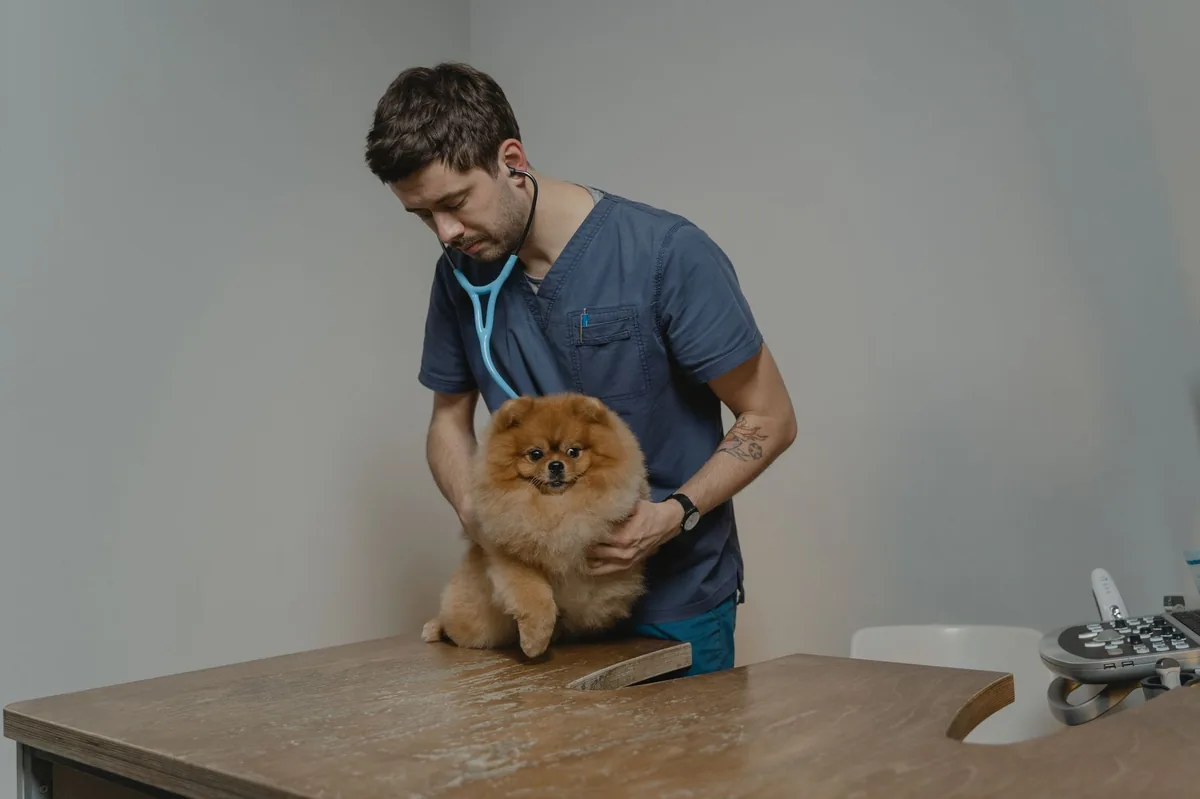
These red‑flag signs indicate life‑threatening hypoxia that requires immediate oxygen therapy. Remember, this article is for information only; it does not replace professional veterinary care.
How vets diagnose carbon monoxide poisoning
Veterinarians combine a thorough history with targeted tests:
- History & physical exam: Vet asks about recent use of heating appliances, garage access, and symptom timeline.
- Pulse oximetry: A non‑invasive clip measures blood oxygen saturation (SpO₂). Low readings suggest hypoxia but can be falsely normal in CO poisoning.
- Carboxyhemoglobin level: A blood gas analysis (co‑oximetry) quantifies the percentage of hemoglobin bound to CO. Levels above 10% are concerning; >30% often correlates with severe signs.
- Complete blood count (CBC) and chemistry panel: These assess organ function and identify secondary issues like metabolic acidosis.
In some cases, a chest X‑ray may be taken to rule out concurrent respiratory problems. The AAHA recommends confirming CO exposure with a co‑oximeter whenever possible, as treatment decisions hinge on the measured level.
Treatment options
Medical treatment
The cornerstone of therapy is rapid delivery of 100 % oxygen, usually via a tight‑fitting mask or an oxygen cage. This displaces CO from hemoglobin and restores tissue oxygenation. For moderate to severe cases, many emergency hospitals use hyperbaric oxygen therapy (HBOT), which involves placing the dog in a pressurized chamber to increase oxygen dissolution in plasma—this speeds CO clearance dramatically.
Additional medications may include:
- Anti‑emetics (e.g., maropitant) to control vomiting.
- IV fluids to support blood pressure and aid renal clearance of CO.
- Anticonvulsants (e.g., diazepam) if seizures occur.
All drug choices are tailored by your vet; ask your vet about each option to understand why it’s recommended for your dog’s specific situation.
Supplements and supportive care
While supplements cannot replace oxygen therapy, some can aid recovery after CO exposure:
- Omega‑3 fatty acids (EPA/DHA): Anti‑inflammatory properties may help protect brain tissue after hypoxic events.
- Vitamin E and selenium: Antioxidants that can mitigate oxidative stress caused by CO‑induced free radicals.
- Probiotics: Support gut health if the dog experienced vomiting or was on antibiotics.
These should be introduced only after your vet confirms the dog is stable, and dosages should follow the product label or your veterinarian’s advice.
Procedures or surgery
Most carbon monoxide cases are managed medically; surgery is rarely needed. In extreme cases where CO exposure caused secondary complications—such as severe aspiration pneumonia—a surgical intervention (e.g., bronchoscopy) might be considered, but this is uncommon.
Diet and nutrition
After the acute phase, nutrition becomes a key part of recovery. The goal is to provide highly digestible, nutrient‑dense food that supports organ function and minimizes metabolic stress.
| Do feed | Limit | Avoid |
|---|---|---|
| Boiled chicken or turkey, white rice, or a high‑quality wet diet formulated for senior or recovery dogs. | Raw bones (risk of choking) and high‑fat treats. | Heavy, greasy foods (e.g., bacon, fried scraps) that can strain the liver. |
| Supplemented with omega‑3 fish oil (as directed by vet). | Excess sodium (may worsen fluid balance). | Any food containing artificial preservatives or excessive sugars. |
Prescription therapeutic diets aren’t usually required for CO poisoning, but if your dog has underlying kidney or liver disease, a renal or hepatic diet may be recommended. Transition to a new food slowly over 3–5 days: mix 25 % new food with 75 % old, then increase the new portion daily. This helps prevent gastrointestinal upset during a fragile recovery period.
Because CO exposure can cause mild dehydration, ensure fresh water is always available. Small, frequent meals are better tolerated than one large bowl, especially if the dog is still feeling nauseous.

Cost and prognosis
Emergency care for carbon monoxide poisoning can vary widely. In the United States, initial emergency evaluation (including blood gas analysis and oxygen therapy) typically costs between $500–$1,200. Hyperbaric oxygen therapy, if available, adds another $800–$2,000. In the United Kingdom, the range is roughly £300–£900 for basic treatment and up to £1,500 for HBOT.
Prognosis depends on the CO level and how quickly treatment begins. Dogs with mild exposure (<10 % carboxyhemoglobin) often recover fully within 24–48 hours. Moderate cases (10–30 %) may need several days of oxygen and supportive care, with a good chance of full recovery. Severe exposure (>30 %) carries a higher risk of neurological damage or death; however, prompt HBOT can dramatically improve outcomes.
Long‑term health impacts are uncommon if the dog recovers without complications. Some owners report temporary mild cognitive changes (e.g., slower response to commands) that resolve within weeks. Follow‑up exams are recommended to ensure no lingering organ dysfunction.
Prevention and home care
Because CO is invisible, prevention focuses on proper appliance maintenance and monitoring:
- Install CO detectors: Place them near sleeping areas and on each level of the home. AAHA recommends detectors that alarm at 30 ppm within 3 minutes.
- Maintain heating equipment: Have a qualified technician inspect furnaces, water heaters, and vents annually.
- Avoid running generators or grills indoors: Even a brief 15‑minute run in a closed garage can raise CO to dangerous levels.
- Never let dogs sleep in garages: Temperature and CO can rise quickly.
- Ventilate: Open windows briefly after using a gas stove or space heater.
Regularly check the battery on battery‑operated CO alarms and replace them according to the manufacturer’s schedule (usually every 5–7 years). For multi‑dog households, ensure each pet’s sleeping area is well‑ventilated and away from potential CO sources.
From our vet team: “If you ever suspect carbon monoxide, the safest first step is to get your dog (and yourself) into fresh air immediately, then call your vet. Time is oxygen; the quicker you start therapy, the better the chance of a full recovery.”
Key takeaways
- Carbon monoxide binds tightly to hemoglobin, stealing oxygen from tissues—early signs include lethargy, pale gums, and rapid breathing.
- Common household sources are faulty furnaces, garage exhaust, and indoor generators; install CO detectors on every floor.
- If you notice any of the red‑flag symptoms, seek veterinary care right away; severe signs require emergency ER visits.
- Treatment centers on 100 % oxygen, often via hyperbaric therapy, plus supportive fluids and anti‑emetics.
- Recovery costs range from $500–$2,000 (US) or £300–£1,500 (UK); prognosis is good when treated quickly.
- After discharge, feed easily digestible, low‑fat meals, keep fresh water available, and schedule a follow‑up exam.
Myth vs. fact
Myth: Only humans can be poisoned by carbon monoxide.
Fact: Dogs are just as susceptible because they breathe faster and often share the same indoor environment as their owners.
Myth: If a dog looks fine, CO exposure isn’t a problem.
Fact: Early CO poisoning can be subtle; pale gums or mild lethargy may be the only clues. Prompt testing is essential.
Myth: Carbon monoxide poisoning is the same as heatstroke.
Fact: While both can cause panting and weakness, CO poisoning stems from lack of oxygen in the blood, whereas heatstroke is due to overheating; CO often presents with pink or cherry‑red gums, unlike heatstroke.
Frequently asked questions
What symptoms should I watch for if my dog is exposed to carbon monoxide?
Early signs include unusual lethargy, pale or pinkish gums, rapid breathing, and mild vomiting. As exposure worsens, look for stumbling, seizures, or collapse. If any of these appear, act quickly.
How is carbon monoxide poisoning diagnosed in dogs?
Veterinarians use a combination of history, physical exam, pulse oximetry, and a blood co‑oximetry test that measures the percentage of carboxyhemoglobin. Elevated levels confirm exposure.
Can a dog survive carbon monoxide poisoning without treatment?
Survival is possible with mild exposure, but without oxygen therapy the risk of organ damage or death rises sharply. Prompt treatment dramatically improves outcomes.
What immediate steps should I take if I suspect my dog has carbon monoxide poisoning?
Move your dog (and yourself) to fresh air immediately, turn off any potential CO source, and call your veterinarian or an emergency clinic. Do not wait for symptoms to worsen.
Is there a long‑term health impact after a dog recovers from carbon monoxide poisoning?
Most dogs recover fully, but severe cases can lead to temporary neurological changes or heart rhythm issues. A follow‑up exam ensures any lingering problems are caught early.
How can I make my home safer to prevent carbon monoxide poisoning in pets?
Install CO detectors on each floor, maintain heating appliances annually, never run generators indoors, and keep dogs out of garages. Regularly test detectors and replace batteries as needed.
Ask the PuppaDogs community
Have a question this article didn’t fully answer? Want to compare notes with other dog owners who’ve been through this? Our community forum is moderated by experienced owners and vets — and answers tend to come fast. Ask in the PuppaDogs community →
References
- American Veterinary Medical Association (AVMA). “Carbon Monoxide Toxicity in Animals.”
- American Animal Hospital Association (AAHA). “Guidelines for Carbon Monoxide Monitoring in Veterinary Practices.” 2023.
- Merck Veterinary Manual. “Carbon Monoxide Poisoning.”
- World Small Animal Veterinary Association (WSAVA). “Environmental Toxins: Carbon Monoxide.”
- American College of Veterinary Internal Medicine (ACVIM). “Hyperbaric Oxygen Therapy in Small Animals.” 2022.
- Cornell University College of Veterinary Medicine. “CO Detector Recommendations for Pet Owners.”
