












Quick take: Cancerous lymphoid cells in the lungs of dogs—most commonly pulmonary lymphoma—are a rare but serious form of cancer that affects the respiratory system. Early signs include coughing, reduced stamina, and pale gums. Diagnosis requires imaging, cytology, and sometimes biopsy, and treatment usually involves chemotherapy, sometimes combined with surgery or radiation. Prognosis varies widely, but many dogs can enjoy months of quality life with proper care.
It’s 9 p.m., the house is quiet, and your 8‑year‑old mixed‑breed Labrador is curled up on the couch, breathing a little faster than usual. You notice a soft, dry cough that wasn’t there yesterday, and when you gently press her gums they look a shade paler than normal. Your heart races as you wonder: “Is this just a cold, or could it be something more dangerous?” You’re not alone—many owners first spot lung lymphoma when a routine cough turns into a lingering, unexplained fatigue.
We understand how unsettling a new respiratory symptom can be, especially when the internet fills the night with alarming headlines. The good news is that with prompt veterinary evaluation, we can pinpoint the cause, discuss realistic treatment options, and plan supportive care that keeps your dog comfortable. In this guide we’ll explain what cancerous lymphoid cells in the lungs are, why they appear, how to recognize them, what tests your vet will run, and what you can expect from treatment, costs, nutrition, and home care.
By the end of this article you’ll know the red‑flag signs that need immediate attention, the typical diagnostic pathway, the main therapeutic choices, and practical steps you can take at home to support your dog’s quality of life.
What are cancerous lymphoid cells in the lungs of dogs?
Cancerous lymphoid cells are malignant versions of the white‑blood‑cell family called lymphocytes. When these cells grow unchecked inside the lung tissue they form a tumor known as pulmonary lymphoma. Lymphoma can arise from B‑cells or T‑cells, each with slightly different behavior, but both are considered “hematopoietic” cancers because they originate from the blood‑forming system.
Pulmonary lymphoma accounts for roughly 5–10 % of primary lung cancers in dogs, according to the American College of Veterinary Internal Medicine (ACVIM). It is far less common than other lung tumors such as bronchiolar carcinoma, but its rarity does not diminish its seriousness. The disease can be primary (originating in the lung) or secondary (spreading from another site), and it may appear at any age, though most cases are diagnosed in dogs over six years.
What causes it?
Exactly why a dog’s lymphocytes become cancerous in the lungs is still under study, but several risk factors have emerged from veterinary research.
| Risk factor | Details |
|---|---|
| Age | Most cases are diagnosed in senior dogs (6 years +), reflecting cumulative genetic damage. |
| Breed predisposition | Boxers, Golden Retrievers, and German Shepherds show a modestly higher incidence of lymphoma overall, including pulmonary forms (AKC data). |
| Environmental exposures | Chronic inhalation of tobacco smoke, industrial chemicals, or persistent fungal spores may increase risk, though direct causation is not proven. |
| Immune suppression | Dogs on long‑term immunosuppressive drugs (e.g., for autoimmune disease) have a higher chance of developing lymphoid malignancies (AAHA guidelines). |
Genetic susceptibility, viral agents (like canine distemper), and chronic inflammation are also under investigation, but no single cause can be pinpointed for an individual dog.
Signs and symptoms
Respiratory issues are easy to miss because they can mimic kennel cough, allergies, or heart disease. Below is a quick guide to what you might notice, organized by severity.
| Severity | Typical signs |
|---|---|
| Mild | Occasional dry cough, slight decrease in stamina, subtle weight loss, faint pale gums. |
| Moderate | Frequent cough (dry or productive), labored breathing, reduced appetite, noticeable lethargy, occasional vomiting. |
| Severe | Persistent cough with blood‑tinged sputum, severe dyspnea (rapid breathing), collapse, marked anemia, generalized weakness. |
Other clues that point toward lymphoma rather than a simple infection include a lack of fever, a chronic cough that doesn’t improve with antibiotics, and the presence of enlarged lymph nodes elsewhere (especially the mediastinal nodes). If your dog is a puppy and shows a cough, it is more likely an infectious cause, but a thorough exam is still warranted.
When to call your vet
Call your vet today if you notice any of the following:
- New or worsening cough lasting more than a week.
- Pale or bluish gums, especially after exertion.
- Reduced appetite or unexplained weight loss.
- Rapid breathing, open‑mouth panting at rest, or difficulty getting up.
Go to an emergency veterinary hospital right now if you see:
- Severe labored breathing (struggling for air).
- Collapse, fainting, or inability to stand.
- Bleeding from the nose or coughing up blood.
These signs may indicate a life‑threatening airway obstruction or advanced disease that needs urgent stabilization. This article is for informational purposes only; it does not replace professional veterinary care.
How vets diagnose it
Diagnosis starts with a detailed history and a thorough physical exam. Your vet will listen to the lungs, palpate the abdomen, and check lymph nodes.
- Chest radiographs (X‑rays): Reveal masses, fluid accumulation, or enlarged mediastinal nodes. Radiographs are often the first imaging step (AAHA, 2023).
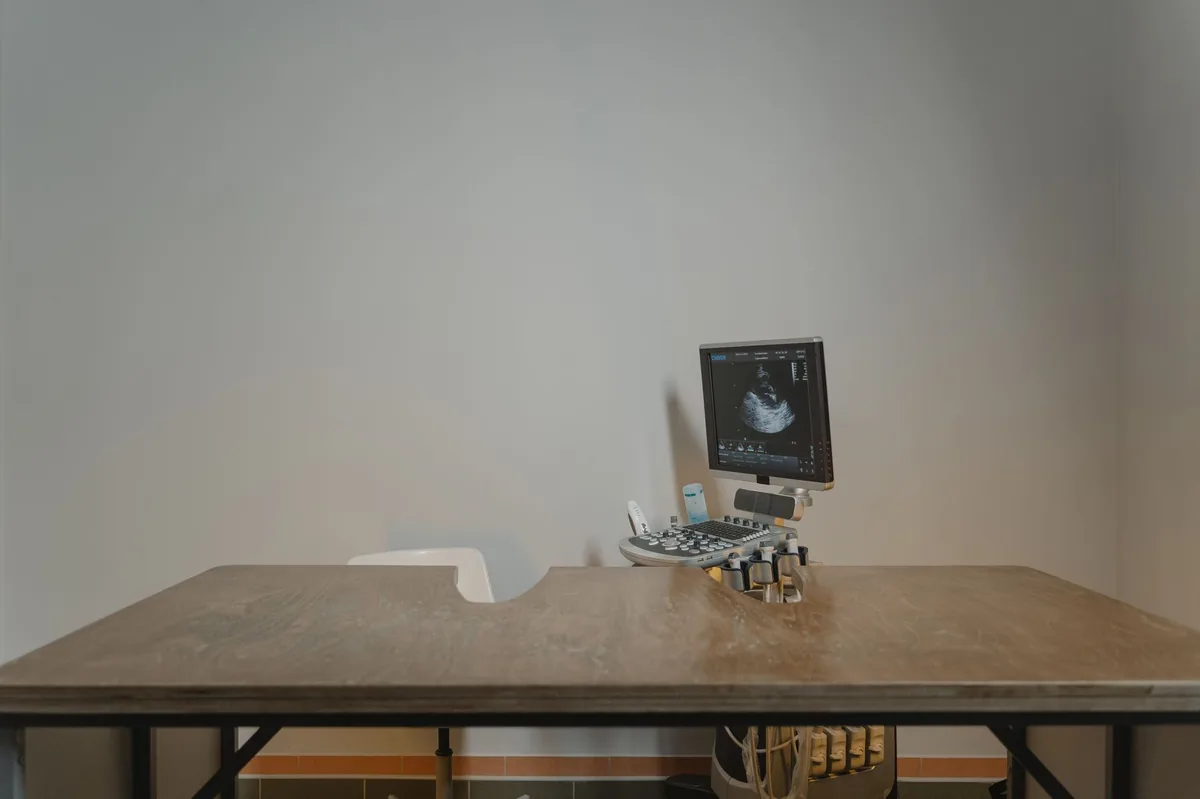
- Thoracic ultrasound: Helps differentiate solid tumors from fluid‑filled cysts and guides fine‑needle aspiration.
- Computed tomography (CT): Provides a three‑dimensional view of the tumor’s size and its relationship to major airways and vessels, essential for surgical planning.
- Fine‑needle aspiration (FNA) cytology: A thin needle extracts cells from the lung mass. Under the microscope, a veterinary pathologist can identify malignant lymphoid cells.
- Core needle biopsy or surgical biopsy: Offers a larger tissue sample for histopathology, confirming B‑cell vs. T‑cell lineage and grading the tumor.
- Staging tests: Blood work (CBC, chemistry), urinalysis, and sometimes bone‑marrow aspirates determine if disease has spread beyond the lungs.
All of these steps are coordinated to give a clear picture of the tumor’s type, location, and stage, which guides treatment choices.
Treatment options
Medical treatment
Chemotherapy is the cornerstone of lymphoma therapy. Protocols most commonly used for pulmonary lymphoma include:
- CHOP protocol: Cyclophosphamide, Doxorubicin, Vincristine, and Prednisone. This multi‑drug regimen targets fast‑growing cancer cells and is considered the gold standard for many canine lymphomas (Veterinary Cancer Society, 2022).
- Lomustine (CCNU): An oral alkylating agent often used in dogs that cannot tolerate IV drugs.
- Prednisone alone: May be used for palliative intent when aggressive chemotherapy isn’t an option.
Ask your vet about these options; dosing is always weight‑based and adjusted for organ function.
Supplements and supportive care
Evidence supports a few adjuncts that can improve quality of life during chemotherapy:
- Omega‑3 fatty acids (EPA/DHA): Anti‑inflammatory properties may reduce side effects of chemotherapy (AAHA, 2023).
- Probiotics: Help maintain gut health, especially when antibiotics are part of the regimen.
- Milk thistle (silymarin): May protect the liver from drug toxicity, though data are limited; discuss with your vet before adding.
Procedures or surgery
Surgical removal of a solitary lung mass is occasionally feasible if the tumor is localized and the dog’s overall health is good. The operation is a thoracotomy (opening the chest cavity) followed by lobectomy (removing part of the lung). Recovery typically requires 2–3 weeks of restricted activity and may cost $5,000–$8,000 in the U.S. (Veterinary Surgical Association, 2021).
Radiation therapy is less common for lung lymphoma because of the difficulty shielding surrounding organs, but in select cases it can shrink tumors and relieve airway obstruction.
Diet and nutrition
Nutrition plays a supportive role in any cancer treatment plan. While no single “cure‑diet” exists for pulmonary lymphoma, feeding a balanced, highly digestible diet helps maintain body weight, supports the immune system, and may reduce chemotherapy side effects.
Key principles:
- High‑quality protein: Choose foods with named animal proteins (chicken, salmon) as the first ingredient. Protein supports tissue repair and immune function.
- Moderate fat, with omega‑3s: Adding fish oil or a diet formulated with EPA/DHA can help control inflammation.
- Limited simple carbohydrates: Reducing excess carbs may lessen insulin spikes that can fuel certain cancer cells.
- Calorie density: Dogs undergoing chemotherapy often have reduced appetite; offering calorie‑dense meals (e.g., adding a spoonful of cottage cheese or pumpkin) can prevent weight loss.
- Hydration: Encourage water intake; warm broth or low‑salt bone stock can be enticing.
Many owners find commercial therapeutic diets such as “renal‑support” or “oncology” formulas helpful because they are formulated for easy digestibility and contain added antioxidants. Look for AAFCO‑approved options; you don’t need a specific brand to see benefit.
| Do feed | Limit | Avoid |
|---|---|---|
| Cooked lean meats, high‑protein kibble, omega‑3 supplements | High‑fat treats, excessive cheese, table scraps | Raw bones, high‑sugar foods, excessive salt |
Transition to a new diet gradually over 7–10 days to avoid gastrointestinal upset. Mix a small amount of the new food with the current diet, increasing the proportion each day. If your dog is a picky eater, warming the kibble slightly can release aromas and improve acceptance.
For dogs with advanced disease, a soft or wet diet may be easier to swallow if coughing makes dry kibble uncomfortable. Adding a small amount of low‑sodium broth can make meals more appealing without adding unnecessary sodium.
Cost and prognosis
Financial planning is an essential part of cancer care. Below are typical cost ranges in the United States and the United Kingdom (prices vary by clinic and region). All figures are estimates; your vet will provide a detailed quote.
| Service | US estimate | UK estimate |
|---|---|---|
| Initial workup (X‑ray, bloodwork, CT) | $800–$1,500 | £500–£1,000 |
| FNA cytology | $150–$300 | £80–£150 |
| Core biopsy & histopathology | $500–$900 | £300–£600 |
| CHOP chemotherapy protocol (6–8 cycles) | $5,000–$9,000 | £3,500–£6,500 |
| Surgical lobectomy (if indicated) | $5,000–$8,000 | £4,000–£6,500 |
| Palliative care (pain meds, supplements) | $200–$600/month | £150–£400/month |
Prognosis depends heavily on stage at diagnosis and cell type. For localized (stage I) pulmonary lymphoma treated with aggressive chemotherapy, median survival can reach 12–18 months, with some dogs living beyond two years. Advanced (stage III–IV) disease often shortens survival to 4–8 months, but many dogs still enjoy a good quality of life during that time.
Factors that improve outlook include early detection, good organ function, and a supportive home environment. Discuss financial options with your clinic—many practices offer payment plans, and pet insurance may cover a portion of the costs if the policy is active.
Prevention and home care
Because the exact cause of lung lymphoma is unknown, true primary prevention isn’t possible. However, you can reduce overall cancer risk and help your dog stay comfortable during treatment.
- Avoid tobacco smoke: Second‑hand smoke is linked to respiratory cancers in dogs (AAHA, 2023).
- Maintain a healthy weight: Obesity is associated with increased cancer incidence; feed measured portions and encourage regular exercise.
- Regular veterinary check‑ups: Annual exams with thoracic auscultation can catch early respiratory changes.
- Vaccinations and parasite control: Keeping your dog free of chronic infections reduces immune system stress.
- Environmental safety: Limit exposure to known carcinogens such as pesticides, industrial fumes, and moldy environments.
At home, monitor your dog’s breathing, appetite, and activity level daily. Keep a log of any coughing episodes, noting the time of day and triggers (e.g., after walks or excitement). During chemotherapy, watch for side effects such as vomiting, diarrhea, or neutropenia (low white‑blood‑cell count). If you notice a fever, loss of appetite, or lethargy persisting more than 24 hours, contact your vet promptly.
Diet and nutrition
In addition to the general principles above, here are specific tips for feeding a dog undergoing lung lymphoma treatment:
- Small, frequent meals: Offer 3–4 smaller meals instead of one large bowl to improve intake when appetite is low.
- Warmed food: Gently heating kibble can enhance aroma, encouraging a dog with a reduced sense of smell to eat.
- High‑calorie add‑ins: Mix in a spoonful of plain Greek yogurt, cottage cheese, or a commercial high‑calorie gel.
- Hydration boosters: Add low‑sodium chicken broth to water bowls; frozen broth cubes can be a fun treat.
- Monitor weight: Weigh your dog weekly. A loss of more than 10 % of body weight warrants a diet adjustment.
When your dog is in remission, you can gradually transition back to a maintenance diet, but continue to prioritize high‑quality protein and omega‑3 fatty acids. If your dog experiences nausea from chemotherapy, a bland diet of boiled chicken and white rice for a few meals can be soothing before returning to the regular therapeutic diet.
Cost and prognosis
Below is a concise summary of cost considerations and typical outcomes, helping you plan financially and emotionally.
| Item | Typical range (US) | Typical range (UK) |
|---|---|---|
| Initial diagnostics | $1,200–$2,300 | £700–£1,300 |
| Standard CHOP chemotherapy | $5,000–$9,000 | £3,500–£6,500 |
| Surgical lobectomy (if needed) | $5,000–$8,000 | £4,000–£6,500 |
| Supportive meds & supplements | $200–$600 per month | £150–£400 per month |
Survival statistics from the Veterinary Oncology Society (2022) indicate:
- Stage I–II disease: median survival 12–18 months with chemotherapy.
- Stage III–IV disease: median survival 4–8 months, though many dogs maintain good quality of life.
- Dogs receiving only palliative care: median survival 2–3 months, but comfort can be excellent.
Every dog is unique; your vet will tailor expectations based on your pet’s age, overall health, and response to treatment.
Prevention and home care
Beyond the environmental steps mentioned earlier, here are practical daily habits that can help a dog undergoing treatment:
- Gentle exercise: Short, leashed walks keep lungs clear without overexertion.
- Air quality: Use HEPA filters at home to reduce dust and pollen that can irritate the airway.
- Temperature control: Keep the home cool and well‑ventilated; extreme heat can worsen breathing effort.
- Medication schedule: Use a pill organizer or a smartphone reminder to ensure chemotherapy and supportive meds are given on time.
- Stress reduction: Provide a calm, comfortable resting area away from loud household activity.
Regular follow‑up appointments (typically every 3–4 weeks during chemotherapy) allow the vet to monitor blood counts, adjust drug doses, and catch any complications early.
From our vet team: Early detection of lung lymphoma hinges on noticing subtle changes—like a new cough or pale gums—before they become severe. If you catch the disease at a lower stage, chemotherapy can extend your dog’s life by many months while preserving quality. Keep a symptom journal, ask about the CHOP protocol, and don’t hesitate to discuss financial options; we’re here to help you navigate both the medical and practical aspects of care.
Key takeaways
- Persistent cough, pale gums, or reduced stamina are red‑flag signs that warrant a veterinary visit.
- Diagnosis relies on imaging (X‑ray, CT) plus cytology or biopsy to confirm malignant lymphoid cells.
- Standard treatment is the CHOP chemotherapy protocol; surgery is an option for isolated tumors.
- Average treatment costs range from $5,000 to $9,000 for chemotherapy, with additional expenses for diagnostics and supportive care.
- High‑quality protein, omega‑3 fats, and frequent small meals help maintain weight and reduce side effects.
- Regular follow‑ups, home monitoring, and a calm environment improve both survival odds and quality of life.
Myth vs. fact
Myth: Lung lymphoma is the same as any lung cancer and always spreads quickly.
Fact: Pulmonary lymphoma is a specific type of blood‑cell cancer that can be localized; its spread pattern and response to chemotherapy differ from solid‑cell lung tumors.
Myth: If a dog is on chemotherapy, it will definitely suffer severe side effects.
Fact: Many dogs tolerate CHOP protocols with manageable side effects; supportive meds and dose adjustments keep toxicity low for most patients.
Myth: No diet can help a dog with cancer.
Fact: A balanced, high‑protein diet with omega‑3 fatty acids can support immune function and help maintain body condition during treatment.
Frequently asked questions
What are the early signs of lung lymphoma in dogs?
Early signs include a dry cough that lasts more than a week, subtle weight loss, reduced stamina on walks, and pale gums. These symptoms often appear before a fever or noticeable breathing difficulty.
Can lung lymphoma be cured in dogs?
Complete cure is rare, but many dogs achieve long‑term remission with aggressive chemotherapy; survival can extend 12–18 months or longer, especially if the disease is caught early.
How is pulmonary lymphoma different from other lung cancers in dogs?
Pulmonary lymphoma originates from lymphocytes (a blood‑cell type) and often responds well to chemotherapy, whereas solid‑cell lung cancers (like adenocarcinoma) are less chemosensitive and may require surgery or radiation as primary treatments.
What diagnostic tests are used to confirm lung lymphoma in dogs?
Veterinarians typically start with chest X‑rays or CT scans, followed by fine‑needle aspiration cytology. If cytology is inconclusive, a core biopsy provides definitive histopathology to identify lymphoma cells.
What are the side effects of chemotherapy for lung lymphoma in dogs?
Common side effects include temporary vomiting, diarrhea, decreased appetite, and low white‑blood‑cell counts (neutropenia). Most side effects are mild and can be managed with anti‑nausea meds and dose adjustments.
How much does treatment for canine lung lymphoma typically cost?
Overall costs vary, but a full diagnostic workup plus a standard CHOP chemotherapy protocol often totals $6,000–$10,000 in the United States, with additional expenses for follow‑up visits, supportive meds, and possible surgery.
Ask the PuppaDogs community
Have a question this article didn’t fully answer? Want to compare notes with other dog owners who’ve been through this? Our community forum is moderated by experienced owners and vets — and answers tend to come fast. Ask in the PuppaDogs community →
References
- American College of Veterinary Internal Medicine (ACVIM). “Lymphoma in Dogs: Overview.” 2022.
- American Animal Hospital Association (AAHA). “Guidelines for Diagnosis and Treatment of Canine Lymphoma.” 2023.
- Veterinary Oncology Society. “Chemotherapy Protocols for Canine Lymphoma.” 2022.
- American Veterinary Medical Association (AVMA). “Environmental Risks for Canine Respiratory Cancer.” 2021.
- Merck Veterinary Manual. “Pulmonary Lymphoma in Dogs.” Updated 2023.
- World Small Animal Veterinary Association (WSAVA). “Nutrition for Dogs Undergoing Cancer Therapy.” 2022.
- Veterinary Surgical Association. “Thoracic Surgery Costs and Outcomes.” 2021.
- American Kennel Club (AKC). “Breed-Specific Cancer Incidence.” 2023.
- University of Pennsylvania Veterinary School. “Side Effects of Common Chemotherapy Drugs.” 2022.
- Cost.puppadogs.com. “Cancer Treatment Cost Calculator.” Accessed 2024.


