
Skip to content
PuppaDogs
CalculatorsFAQsExpertsWellnessBreeds
Start a calculator
CalculatorsFAQsExpertsWellnessBreedsNutritionAbout
  • About us
  • Content Guidelines
  • Disclaimer
  • Dog Calculators
  • Dog Questions Answered – PuppaDogs FAQ Hub
  • Dog To Human Age Calculator
  • Home
  • Our Experts
  • Privacy Policy
  • PuppaDogs
  • Shop
  • Terms of service
puppadogs.com
  • Home
  • Dog Breed
    • All
    • Great Dane
    • Herding Dogs
    • Large breed
    • majestic breed
    • Medium Breed
    • Mixed breed
    • Pure Breed
    • Small breed
    • Toy breed
    pit bull dog breed

    The Ultimate Guide to Pitbulls: Everything You Need to Know

    Staffordshire Bull Terrier Dog,

    Staffordshire Bull Terrier – A Unique and Lovable Breed

    Plott Hound

    Plott Hound: A Unique and Exceptional Breed

    Bichon Frise

    Bichon Frise Dog Breed: Your Lively and Loving Companion

    Labrabull Dog

    Labrabull Dog Breed: A Fusion of Labrador Retriever and American Pit Bull Terrier

  • Heath & Wellness
    • All
    • Disease
    • Dog supplements
    • Medication
    Cytopoint Dosage Calculator for Dogs - free PuppaDogs calculator

    Cytopoint Dosage Calculator for Dogs

    Prednisone Dosage Calculator for Dogs - free PuppaDogs calculator

    Prednisone Dosage Calculator for Dogs

    Activated Charcoal Dose Calculator for Dogs - free PuppaDogs calculator

    Activated Charcoal Dose Calculator for Dogs

    Cephalexin Dosage Calculator for Dogs - free PuppaDogs calculator

    Cephalexin Dosage Calculator for Dogs

    Amoxicillin Dosage Calculator for Dogs - free PuppaDogs calculator

    Amoxicillin Dosage Calculator for Dogs

  • Dog Food
    • All
    • Can dogs eat
    • Diet
    • dog food Recipes
    • Food products

    Dog Heat Cycle Calculator: Predict Your Dog’s Next Estrus (2026)

    Dog Food for Sensitive Stomachs

    Best Dog Food for Sensitive Stomachs: How to Choose the Right One for Your Pooch

    Can Dogs Eat Blueberries

    Can Dogs Eat Butter? 2025 Vet-Approved Safety Guide

    Can Dogs Eat Blueberries

    Can Dogs Eat Blueberries? 2025 Vet-Approved Guide + Safety Tips

    Best Dog Food for Allergies

    Best Dog Food for Allergies: How to Choose the Right One for Your Pup

  • Product Reviews
  • Our Experts
  • Shop
  • Dog FAQ
  • Calculators
No Result
View All Result
  • Home
  • Dog Breed
    • All
    • Great Dane
    • Herding Dogs
    • Large breed
    • majestic breed
    • Medium Breed
    • Mixed breed
    • Pure Breed
    • Small breed
    • Toy breed
    pit bull dog breed

    The Ultimate Guide to Pitbulls: Everything You Need to Know

    Staffordshire Bull Terrier Dog,

    Staffordshire Bull Terrier – A Unique and Lovable Breed

    Plott Hound

    Plott Hound: A Unique and Exceptional Breed

    Bichon Frise

    Bichon Frise Dog Breed: Your Lively and Loving Companion

    Labrabull Dog

    Labrabull Dog Breed: A Fusion of Labrador Retriever and American Pit Bull Terrier

  • Heath & Wellness
    • All
    • Disease
    • Dog supplements
    • Medication
    Cytopoint Dosage Calculator for Dogs - free PuppaDogs calculator

    Cytopoint Dosage Calculator for Dogs

    Prednisone Dosage Calculator for Dogs - free PuppaDogs calculator

    Prednisone Dosage Calculator for Dogs

    Activated Charcoal Dose Calculator for Dogs - free PuppaDogs calculator

    Activated Charcoal Dose Calculator for Dogs

    Cephalexin Dosage Calculator for Dogs - free PuppaDogs calculator

    Cephalexin Dosage Calculator for Dogs

    Amoxicillin Dosage Calculator for Dogs - free PuppaDogs calculator

    Amoxicillin Dosage Calculator for Dogs

  • Dog Food
    • All
    • Can dogs eat
    • Diet
    • dog food Recipes
    • Food products

    Dog Heat Cycle Calculator: Predict Your Dog’s Next Estrus (2026)

    Dog Food for Sensitive Stomachs

    Best Dog Food for Sensitive Stomachs: How to Choose the Right One for Your Pooch

    Can Dogs Eat Blueberries

    Can Dogs Eat Butter? 2025 Vet-Approved Safety Guide

    Can Dogs Eat Blueberries

    Can Dogs Eat Blueberries? 2025 Vet-Approved Guide + Safety Tips

    Best Dog Food for Allergies

    Best Dog Food for Allergies: How to Choose the Right One for Your Pup

  • Product Reviews
  • Our Experts
  • Shop
  • Dog FAQ
  • Calculators
No Result
View All Result
puppadogs.com
No Result
View All Result
Home Dog Food Can dogs eat

Can Dogs Eat Pepperoni?

Suyash Dhoot by Suyash Dhoot
31 May 2026
in Can dogs eat, Dog Food
39 2
0
Can Dogs Eat Pepperoni?
35
SHARES
373
VIEWS
Share on TwitterShare on Facebook
📋 Reviewed by PuppaDogs Veterinary Editorial Team · Last updated: May 30, 2026 · Sources: Plumb’s Veterinary Drug Handbook, ACVIM/AAHA guidelines, peer-reviewed studies. Editorial policy

⚡ Quick answer: Can Dogs Eat Pepperoni?: Pepperoni isn’t recommended for dogs. Learn about healthier treats.

Introduction

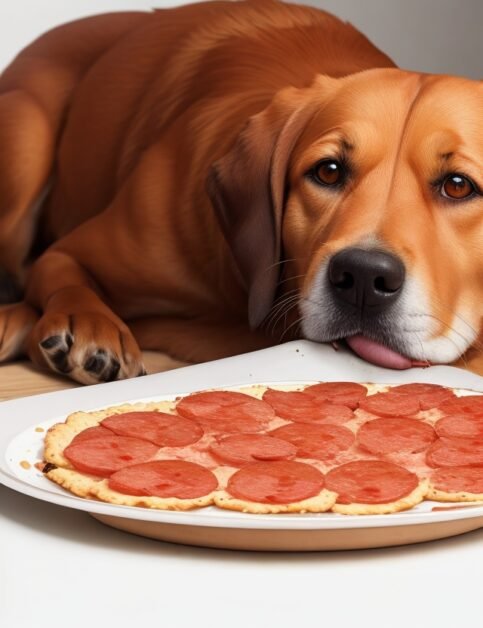
Have you ever wondered if your furry friend can indulge in the savory delight of pepperoni, one of the most beloved meats in the culinary world? As responsible pet owners, our canine companions’ well-being is paramount, making it essential to scrutinize their diet. In the realm of doggy dining, the question of whether dogs can safely consume pepperoni looms large, sparking curiosity and concern alike. Can our four-legged pals savor this popular pizza topping without repercussions? In this comprehensive guide, we embark on a journey to unravel the mysteries surrounding pepperoni and its compatibility with our canine friends’ digestive systems.

can safely consume pepperoni

Table of Contents

  1. Introduction
  2. The Pepperoni Enigma Unraveled: A Meaty Tale
  3. Deconstructing Pepperoni: The Nutritional Breakdown
  4. The Perils of Pepperoni: Navigating the Digestive Minefield
  5. Pepperoni: A Treat, Not a Staple
  6. Navigating the Risks: Potential Hazards of Feeding Pepperoni to Dogs
  7. Frequently Asked Questions About Dogs Eating Pepperoni: Unraveling the Queries
  8. Conclusion

The Pepperoni Enigma Unraveled: A Meaty Tale

What is Pepperoni, Anyway?

Pepperoni, an Italian culinary masterpiece, is a cured meat that tantalizes taste buds with its robust blend of flavors. Typically crafted from beef, although sometimes from pork, it boasts a zesty infusion of paprika, red pepper flakes, and various spices. Its distinctive taste profile has made it a sought-after pizza topping, finding its way into the hearts of food enthusiasts globally. However, the question of whether it suits our canine companions remains a contentious topic, dividing pet owners into two camps – those cautious about their pets’ diet and those blissfully unaware of the potential risks.

Deconstructing Pepperoni: The Nutritional Breakdown

Proteins: The Building Blocks of Canine Health

Pepperoni, at its core, is a protein powerhouse. Proteins are the essential building blocks of a dog’s body, promoting muscle growth, tissue repair, and overall bodily functions. However, the devil lies in the details – the high-fat content in pepperoni raises red flags, especially for our furry friends prone to obesity or pancreatitis, making moderation the key to a balanced canine diet.

Sodium Levels: A Salty Predicament

Another cause for concern is pepperoni’s high sodium content. Excessive sodium intake can lead to hypertension and kidney problems in dogs, posing a potential threat to their well-being. Responsible pet ownership demands a vigilant eye on sodium levels, emphasizing the need to moderate the intake of salty foods like pepperoni to safeguard our pets’ health.

The Perils of Pepperoni: Navigating the Digestive Minefield

Digestive Woes: A Greasy Conundrum

Pepperoni, with its greasy allure, presents a challenge for canine digestion. Its high-fat content can wreak havoc on delicate doggy stomachs, causing gastrointestinal upset. Symptoms such as vomiting, diarrhea, and abdominal pain can ensue, making it a risky indulgence for dogs with sensitive stomachs.

Pancreatitis Risk: A Looming Threat

The elevated fat levels in pepperoni elevate the risk of pancreatitis, a painful inflammation of the pancreas. This condition is not to be taken lightly, inducing severe abdominal pain, loss of appetite, and lethargy in affected dogs. Avoiding high-fat foods like pepperoni is a proactive measure in preventing this potentially life-threatening ailment, ensuring our pets lead healthy, pain-free lives.

Pepperoni: A Nutritional Breakdown

Before we decide whether pepperoni is a suitable treat for our furry pals, let’s examine its nutritional profile. Below is a comprehensive table outlining the nutrition facts of pepperoni per 100 grams:

NutrientAmount per 100g
Calories466 kcal
Total Fat41.6 g
Saturated Fat15.9 g
Trans Fat1.9 g
Cholesterol111 mg
Sodium1862 mg
Total Carbohydrate3.3 g
Dietary Fiber0.4 g
Sugars0.2 g
Protein22.5 g
Vitamin A0 mcg RAE
Vitamin C0.8 mg
Vitamin D0.4 mcg
Calcium19 mg
Iron1.9 mg
Potassium234 mg

Pepperoni, with its protein-rich composition, offers essential amino acids vital for muscle growth and repair. Additionally, it contains significant amounts of calcium, iron, and vitamins C and A, contributing to overall canine health.

The Catch: Drawbacks of Pepperoni Consumption

Despite its nutritional benefits, pepperoni comes with its share of drawbacks when it comes to canine consumption. Firstly, its high fat content can strain a dog’s digestive system, leading to potential issues like vomiting, diarrhea, and abdominal discomfort. Dogs with sensitive stomachs are particularly susceptible to these adverse effects.

Furthermore, the salt content in pepperoni raises concerns about sodium overload. Excessive sodium intake can elevate blood pressure, stressing a dog’s kidneys and potentially leading to kidney problems or heart issues. This sodium overload can be especially problematic for dogs with pre-existing health conditions, emphasizing the importance of moderation.

Pepperoni: A Treat, Not a Staple

While pepperoni does offer some nutritional benefits, it should never replace a dog’s primary diet. Instead, it should be viewed as an occasional treat, given sparingly and in small quantities. Overindulgence in high-fat, salty foods like pepperoni can lead to obesity, pancreatitis, and other severe health issues in dogs. As responsible pet owners, it’s our duty to ensure our furry companions receive a balanced, nutritionally complete diet tailored to their specific needs.

Finding the Right Balance: Pepperoni Portions for Pooches

Indulging our canine companions in occasional treats can be a joyous experience. However, when it comes to pepperoni, moderation is not just a suggestion; it’s a golden rule. Understanding how much pepperoni is safe for your dog is pivotal in ensuring their well-being.

Why Moderation Matters: Keeping Treats in Check

As loving pet owners, it’s essential to recognize that treats, including pepperoni, should never constitute more than a small percentage of your dog’s daily calorie intake. Just like with humans, excessive indulgence in fatty, high-calorie foods can lead to weight gain and associated health issues. While that slice of pepperoni might seem innocent, its impact on your dog’s overall health can be significant if not carefully monitored.

Start Small, Observe, Adjust

When introducing pepperoni to your dog’s diet, begin with a small piece. Pay close attention to how your furry friend reacts. Some dogs have iron stomachs, while others might be more sensitive to rich, fatty foods. Observe for any signs of discomfort, unusual behavior, or digestive issues. If your dog reacts positively and shows no adverse effects, you can consider incorporating it occasionally, always in small amounts.

The Right Preparation: Safe Pepperoni Treats

Before offering pepperoni to your dog, it’s crucial to prepare it correctly. Avoid seasoned or spicy varieties, as the added spices and herbs can irritate your dog’s digestive system. Opt for plain, unseasoned pepperoni, and remove any casing, which can be difficult for dogs to digest. Slicing it into tiny, manageable pieces ensures easy chewing and digestion, minimizing the risk of choking or discomfort.

Size Matters: Portion Control Based on Breed

The appropriate serving size of pepperoni depends significantly on your dog’s size and breed. Larger dogs can typically tolerate more than smaller breeds. As a general rule, a large dog, like a Labrador Retriever or a German Shepherd, might safely consume a quarter to half a slice of pepperoni occasionally, whereas a smaller dog, such as a Chihuahua or a Dachshund, should be limited to a small bite due to their lower calorie needs and smaller bodies.

Consulting the Vet: Tailored Recommendations

If you’re uncertain about the right portion size for your specific dog, consulting your veterinarian is always a wise choice. Vets can provide tailored recommendations based on your dog’s age, weight, breed, and overall health. They can offer invaluable insights into your dog’s dietary needs, ensuring that any treats, including pepperoni, are incorporated safely and in alignment with your pet’s well-being.

Navigating the Risks: Potential Hazards of Feeding Pepperoni to Dogs

As much as we adore our canine companions and their enthusiasm for sharing our meals, certain human foods, including pepperoni, can pose significant risks to their health. Understanding these dangers is pivotal in safeguarding our pets from adverse reactions and ensuring their overall well-being.

Food Allergies and Intolerance: A Cause for Concern

Dogs, like humans, can develop food allergies or intolerances. Pepperoni, with its array of spices and seasonings, can trigger allergic reactions in sensitive canines. While some dogs might handle these ingredients without issue, others may exhibit signs of food intolerance. Short-term signs of intolerance often manifest as gastrointestinal distress, including vomiting, diarrhea, and abdominal discomfort. These symptoms can occur shortly after consuming pepperoni, indicating an adverse reaction to thefood.

Specific Hazards in Pepperoni: What to Watch For

Apart from the general risks associated with high-fat and high-sodium content, specific components of pepperoni can be problematic for dogs. Garlic and onion powder, often used in pepperoni seasoning, belong to the allium family and can be toxic to dogs, leading to symptoms like lethargy, vomiting, diarrhea, and, in severe cases, damage to red blood cells.

Additionally, some pepperoni variants contain artificial additives, preservatives, or flavor enhancers. Dogs, being more sensitive to certain chemicals than humans, can react adversely to these additives. Signs of allergic reactions or intolerance include itching, swelling, hives, or even difficulty breathing. It’s crucial to observe your dog closely for any such signs after consuming even a small amount of pepperoni.

Potential Long-term Issues: A Warning Sign

While the short-term signs of food intolerance or allergic reactions are concerning, long-term issues related to consuming high-fat foods like pepperoni can be even more alarming. Dogs indulging in a high-fat diet are at an increased risk of obesity, which, in turn, can lead to various health problems such as diabetes, heart disease, and joint issues.

Moreover, the consistent intake of high-sodium foods like pepperoni can put strain on a dog’s kidneys, potentially leading to kidney problems over time. Monitoring your dog’s overall health and weight is crucial in identifying these long-term issues before they escalate.

Identifying Adverse Reactions: Signs and Symptoms

As responsible pet owners, it’s imperative to be vigilant and recognize the signs of adverse reactions in our dogs. Watch out for the following symptoms, which might indicate that your dog is experiencing an adverse reaction to pepperoni:

  1. Gastrointestinal Distress: Vomiting, diarrhea, or abdominal pain shortly after consuming pepperoni.
  2. Allergic Reactions: Itching, swelling, hives, or difficulty breathing, indicating an allergic response.
  3. Lethargy: Unusual tiredness or lack of energy, suggesting discomfort or illness.
  4. Increased Thirst and Urination: Signs of kidney stress due to high sodium intake.
  5. Obesity: Gradual weight gain, leading to obesity-related issues.

Making Pepperoni an Enjoyable Canine Treat: Creative and Safe Approaches

While it’s crucial to approach feeding pepperoni to your dog with caution, there are safe and creative ways to incorporate this flavorful treat into their diet without compromising their health. By exploring these methods, you can enhance your dog’s dining experience and offer them occasional moments of culinary delight.

1. Fresh or Frozen Treats: A Cooling Indulgence

During hot weather, dogs appreciate a refreshing treat just as much as we do. Consider freezing small pieces of plain, unseasoned pepperoni. The resulting frozen treats can provide a cooling sensation, making them ideal for hot days. Remember to cut the pepperoni into small, manageable pieces to prevent choking hazards, especially when frozen.

2. Pepperoni as a Food Topper or Mixer: Boosting Flavor and Nutrition

If your dog tends to be a picky eater, a sprinkle of finely chopped pepperoni can transform their meal. Use it as a food topper or mixer to add a burst of flavor, making their regular kibble more appealing. Be mindful of portion sizes, ensuring that the pepperoni complements the meal without overpowering it. This method not only enhances taste but can also encourage dogs with a decreased appetite to eat more enthusiastically.

3. Homemade Treats and Snacks: DIY Delights for Your Dog

For pet owners who enjoy spending time in the kitchen, homemade dog treats are an excellent way to pamper your pooch while ensuring their safety. You can create simple, homemade dog treats using plain, unseasoned pepperoni as a key ingredient. Here’s a basic recipe to get you started:

Pepperoni Pup Bites:

Ingredients:

  • 1 cup whole wheat flour
  • 1/2 cup cornmeal
  • 1/2 cup plain, unseasoned pepperoni, finely chopped
  • 1/4 cup water
  • 1/4 cup unsweetened applesauce
  • 1 large egg

Instructions:

  1. Preheat your oven to 350°F (175°C) and line a baking sheet with parchment paper.
  2. In a mixing bowl, combine the whole wheat flour, cornmeal, and chopped pepperoni.
  3. In a separate bowl, whisk together the water, applesauce, and egg.
  4. Gradually add the wet ingredients to the dry ingredients, mixing until a dough forms.
  5. Roll out the dough on a floured surface to about 1/4-inch thickness. Use cookie cutters to create fun shapes or simply cut the dough into bite-sized pieces.
  6. Place the treats on the prepared baking sheet and bake for 15-20 minutes or until they are golden brown.
  7. Allow the treats to cool completely before serving them to your dog.

4. Exploring Culinary Creativity: Pepperoni in Homemade Dog Meals

For pet owners who prefer preparing homemade meals for their dogs, incorporating pepperoni can elevate their culinary experience. Create balanced, home-cooked meals for your dog, using plain, unseasoned pepperoni as an occasional ingredient. For example, a homemade dog-friendly pizza could include a thin layer of unsalted tomato sauce, small pieces of cooked chicken, and a few bits of finely chopped pepperoni as a tasty garnish.

Remember, the key is moderation. Whether you’re making frozen treats, baking homemade snacks, or enhancing meals, ensure that pepperoni remains a special treat rather than a staple. By introducing variety and creativity into your dog’s diet in a safe and mindful manner, you can strengthen the bond with your furry friend while prioritizing their health and well-being.

Frequently Asked Questions About Dogs Eating Pepperoni: Unraveling the Queries

Frequently Asked Questions About Dogs Eating Pepperoni

Q1: Can dogs eat pepperoni?

A1: While dogs can technically eat pepperoni, it’s not a healthy or safe choice. Pepperoni is high in fat, salt, and spices, which can be harmful to dogs. Eating it in excess can lead to digestive issues, pancreatitis, and other health problems.

Q2: Can a small amount of pepperoni be given to dogs as a treat?

A2: It’s best to avoid giving pepperoni to dogs as a treat, even in small amounts. The high fat and salt content can still pose a risk to your dog’s health. There are safer and healthier treat options available.

Q3: What are the risks of feeding pepperoni to dogs?

A3: Feeding pepperoni to dogs can lead to obesity, gastrointestinal upset, and sodium toxicity. Excessive salt intake can cause increased thirst, urination, and potentially lead to more serious health issues, especially in small dogs.

Q4: Are there dog-safe alternatives to pepperoni for treats?

A4: Yes, there are many dog-friendly treat options available, such as specially formulated dog treats or small pieces of lean, unseasoned meat, like chicken or turkey. These options are much safer and healthier for your canine companion.

Q5: What should I do if my dog accidentally eats pepperoni?

A5: If your dog consumes pepperoni, monitor them for any signs of discomfort, diarrhea, vomiting, or unusual behavior. If you notice any concerning symptoms, contact your veterinarian immediately. They can provide guidance on how to address the situation.

Q6: Can I include a small amount of pepperoni in homemade dog treats?

A6: It’s generally best to avoid using pepperoni in homemade dog treats. If you want to make homemade treats, stick to dog-safe ingredients and consult dog treat recipes that are specifically designed for canine consumption.

Conclusion

In summary, understanding what your dog eats is crucial for their well-being. While dogs can consume pepperoni in small quantities as an occasional indulgence, the risks associated with this treat should not be overlooked. Excessive or improper feeding of pepperoni can lead to severe health issues, including digestive problems and pancreatitis. It’s vital to prioritize your dog’s health and limit their intake of high-fat, high-sodium foods like pepperoni.

Instead of relying on risky treats, there are plenty of safe and healthy alternatives to pamper your canine companion. Opt for natural treats like plain chicken, carrots, or dog-friendly commercial treats specifically designed to meet their dietary needs. These alternatives not only provide nutritional benefits but also ensure your dog’s safety.

Was this article helpful?
👍 Yes👎 Could be better
Your feedback helps us prioritize updates and rewrites.

⚕️ Medical disclaimer

The information on this page is intended for educational purposes only and does not replace a hands-on veterinary examination. Drug doses depend on your dog’s complete clinical picture, concurrent medications, and the exact product formulation. Always confirm dosing with your veterinarian before administering any medication, and contact a 24-hour veterinary emergency service or animal poison control immediately if you suspect a medication overdose or adverse reaction. PuppaDogs editorial standards: every drug dose published here is cross-checked against multiple authoritative veterinary references and reviewed by the PuppaDogs Veterinary Editorial Team before publication.

Suyash Dhoot
Suyash Dhoot
Tags: Can Dogs Eat Pepperoni?Can Dogs Safely Eat All Types of PepperoniCan Pepperoni Treats Be Used for Training Dogs?Frequently Asked Questions About Dogs Eating PepperoniIs Turkey Pepperoni Safer for Dogs Than Beef or Pork Pepperoni?Specific Hazards in Pepperoni
Previous Post

Can Dogs Eat Nectarines? Exploring the Nutritional Landscape

Next Post

Albon® for Dogs: Benefits, Dosage, Side Effects, and More

Next Post
Albon® for Dogs

Albon® for Dogs: Benefits, Dosage, Side Effects, and More

Category

  • Bird Products
  • Blog
  • Breed
  • Calculator
  • Can dogs eat
  • Cat Food
  • Cat Grooming
  • Cat Medicine
  • Cat Supplements
  • Diet
  • Disease
  • dog behavior
  • Dog collar
  • Dog Food
  • dog food Recipes
  • Dog Questions Answered
  • Dog supplements
  • Food products
  • General
  • Great Dane
  • Herding Dogs
  • Horse Products
  • Large breed
  • majestic breed
  • Medication
  • Medium Breed
  • Mixed breed
  • Pet Products
  • Product Reviews
  • Pure Breed
  • Small breed
  • Toy breed
  • Training
  • Wellness

Tag Cloud

Antibiotic Antibiotic For Dogs bark control behavior correction Bombay Dog Health Canine Health Canine Immunization Canine Nutrition Canine vaccinations cat grooming Cat health cat nutrition Dog Health Dog Health Supplements Dog joint health Dog Nutrition dog obedience Dog vaccinations Dog Wellness dry cat food effective training Grain-Free Dog Food Health Issues For dogs Natural dog supplements Natural Remedies for Dogs pain relief for dogs pain relief treatment for dogs Pet care Pet Health Pet nutrition pet supplements Pet Wellness Potential Side Effects and Precautions Potential Side Effects and Precautions For Dogs Precautions for Pregnant or Lactating Dogs Premium Dog Food puppy recall training remote trainer remote training stop barking stubborn dogs Veterinary Care Veterinary Medicine waterproof collar
  • About
  • Contact
  • Privacy & Policy
  • Disclaimer
  • Content Guidelines
  • Terms of service

© 2026 JNews - Premium WordPress news & magazine theme by Jegtheme.

No Result
View All Result
  • About us
  • Content Guidelines
  • Disclaimer
  • Dog Calculators
  • Dog Questions Answered – PuppaDogs FAQ Hub
  • Dog To Human Age Calculator
  • Home
  • Our Experts
  • Privacy Policy
  • PuppaDogs
  • Shop
  • Terms of service

© 2026 JNews - Premium WordPress news & magazine theme by Jegtheme.

Welcome Back!

Login to your account below

Forgotten Password?

Retrieve your password

Please enter your username or email address to reset your password.

Log In
PuppaDogs

Practical, vet-grade dog health and care — grounded in peer-reviewed evidence.

Calculators

  • All calculators
  • Dog-to-human age
  • By topic
  • Wellness
  • Breeds

Resources

  • FAQs
  • Experts
  • About
  • Sitemap
  • Disclaimer

Categories

  • Wellness
  • Breeds
  • Nutrition
  • Behavior
  • Reviews

© 2026 PuppaDogs. Educational content — not a substitute for veterinary care.

Privacy · Terms · Editorial standards