














Quick take: Blastomycosis is a fungal infection that dogs pick up from soil or decaying organic matter, most often in the Midwest and Great Lakes regions. It usually starts in the lungs and can spread to the skin, bones, or other organs. Early detection, antifungal medication, and supportive care give most dogs a good chance of recovery, though treatment can be pricey and may last several months.
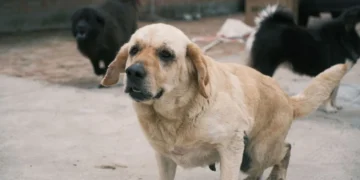
It’s 11 p.m., and you’re standing in the kitchen watching your 7‑year‑old mixed‑breed Labrador cough a little, then pause, looking at his nostrils for the first time in weeks. His gums look a shade paler than usual, and a small, ulcerated spot has appeared on his foreleg. You’ve Googled “cough and skin sores in dogs,” and the first result mentions a fungus you’ve never heard of. Your heart races, but you need answers now—not tomorrow.
We get it. When a beloved companion shows odd signs, the worry can feel overwhelming. Blastomycosis in dogs is one of those conditions that sounds scary, yet it’s treatable when caught early. In this guide we’ll explain what blastomycosis is, how dogs pick it up, the signs to watch for, how vets confirm the diagnosis, what treatment looks like (including costs), and how you can help keep your dog safe.
Read on for a step‑by‑step rundown, plus practical tips on feeding, home care, and when to seek emergency help. If you’re ready to learn more, let’s dive in.
What is blastomycosis?
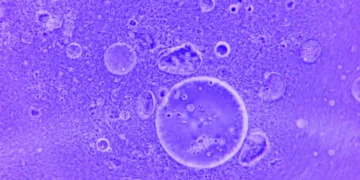
Blastomycosis is a systemic fungal infection caused by Blastomyces dermatitidis, a dimorphic fungus that lives in moist soil and decomposing organic material. In its natural environment the fungus grows as a mold, producing spores that become airborne when the soil is disturbed. When a dog inhales these spores, they can lodge in the lungs and transform into a yeast form that invades tissue.
According to the American Animal Hospital Association (AAHA) and the Merck Veterinary Manual, blastomycosis is relatively uncommon but not rare. It accounts for roughly 1–2 % of respiratory infections in dogs that live in endemic regions, with higher incidence in hunting, working, or outdoor dogs that spend lots of time sniffing around wetlands, riverbanks, or wooded areas.
Once the yeast spreads, it can affect the skin, bones, joints, the genitourinary tract, or even the central nervous system. The disease’s seriousness depends on how quickly it’s caught, which organs are involved, and the dog’s overall health.
What causes blastomycosis?
Blastomycosis results from inhaling airborne spores of Blastomyces dermatitidis. The fungus thrives in specific environments, and a few key risk factors increase a dog’s chance of infection:
| Risk factor | Details |
|---|---|
| Geographic location | Endemic zones include the Ohio and Mississippi River valleys, the Great Lakes region, and parts of Canada (Ontario, Manitoba). Dogs living or traveling in these areas are most at risk. |
| Environmental exposure | Moist, acidic soils, especially near lakes, rivers, swamps, or decaying wood. Activities like hunting, trail running, or digging increase exposure. |
| Breed and age | No single breed is immune, but hunting breeds (e.g., Labrador Retrievers, German Shorthaired Pointers) and young to middle‑aged dogs (2–8 years) are seen more often because of lifestyle. |
| Immune status | Dogs with compromised immunity—due to chronic disease, steroids, or chemotherapy—are less able to clear inhaled spores. |
In rare cases, dogs can acquire infection through direct skin contact with contaminated material, but inhalation remains the primary route.
Signs and symptoms
Blastomycosis often starts in the lungs, so early signs can mimic a simple cough or mild pneumonia. As the fungus spreads, skin lesions and systemic signs appear. Below is a quick guide to what you might notice, ordered from mild to severe.
| Severity | Typical signs |
|---|---|
| Mild | Dry cough, occasional wheeze, slight lethargy, reduced appetite. |
| Moderate | Persistent cough, fever (101‑104 °F), weight loss, enlarged lymph nodes, skin nodules or ulcerated lesions (often on the head, paws, or trunk). |
| Severe | Difficulty breathing, coughing up blood, extensive skin ulcers, bone pain, joint swelling, neurological signs (head tilt, seizures), marked anemia (pale gums), or organ failure. |
Skin lesions are a hallmark and often the first clue owners spot. They may appear as raised, wart‑like nodules that later ulcerate, sometimes with a dark crust. Bone involvement can cause lameness or a “twitching” gait. If you notice any of these signs—especially a cough paired with skin sores—keep reading for the next steps.
When to call your vet
Call your vet today if you notice:
- A persistent cough lasting more than a week.
- Any new skin nodules, ulcers, or lesions.
- Unexplained weight loss, fever, or lethargy.
- Pale gums or signs of anemia (e.g., weakness, rapid heartbeat).
Go to an emergency veterinary hospital right now if your dog shows:
- Severe breathing difficulty or coughing up blood.
- Sudden collapse, seizures, or severe neurological signs.
- Rapid, uncontrolled bleeding from a skin lesion.
These red flags signal that the infection may be advancing quickly and needs immediate medical attention. Remember, this article is for information only; it does not replace a hands‑on exam by your veterinarian.
How vets diagnose blastomycosis
Diagnosing blastomycosis involves a combination of history, physical exam, and targeted tests. Here’s what your vet will typically do:
- History & exposure assessment: Your vet will ask about recent outdoor activities, travel to endemic areas, and any skin lesions you’ve noticed.
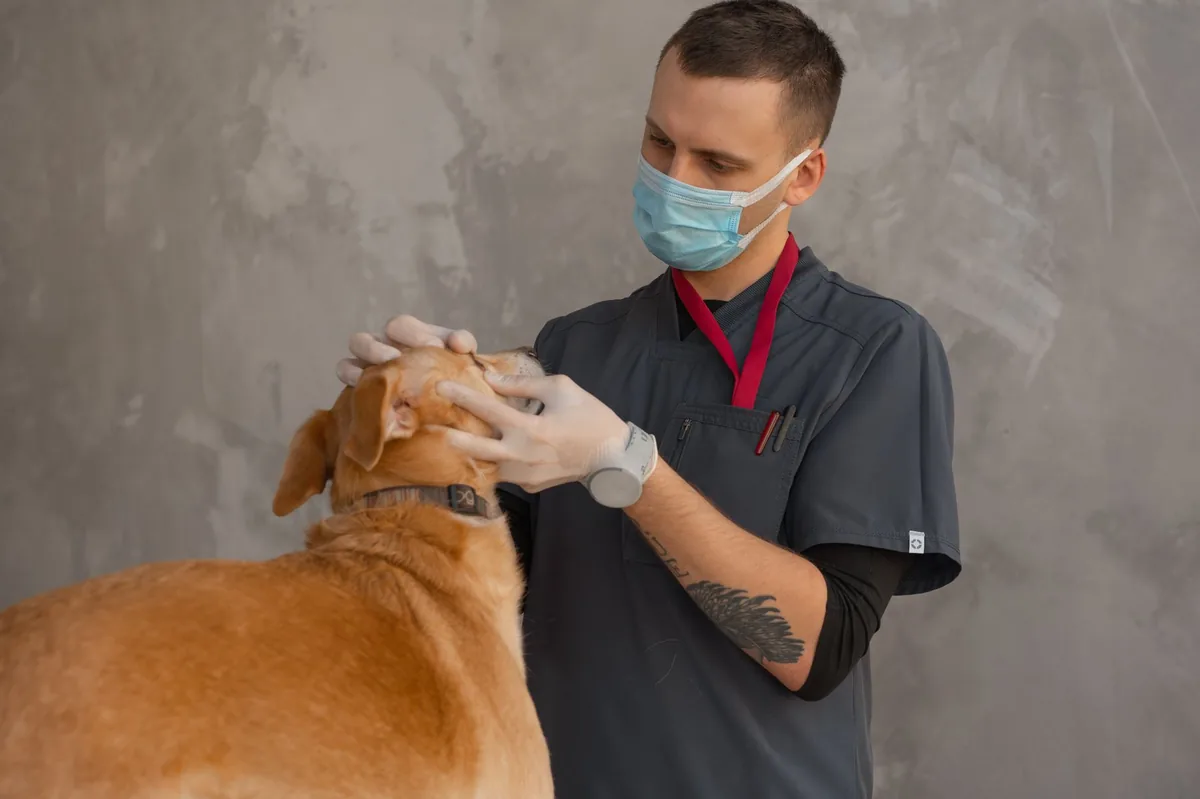
- Physical exam: Listening to lung sounds, checking lymph nodes, and examining the skin for characteristic lesions.
- Imaging: Chest X‑rays or CT scans reveal lung infiltrates, nodules, or cavitary lesions. Radiographs may also show bone involvement.
- Laboratory tests:
- Blastomyces antigen test: A rapid urine or serum assay that detects fungal antigens. While highly sensitive, false positives can occur, so it’s used in conjunction with other tests.
- Cytology: Fine‑needle aspirates of skin nodules or lymph nodes examined under a microscope often reveal the classic “broad‑based budding yeast” of Blastomyces.
- Culture: Growing the fungus from tissue samples confirms the diagnosis, but cultures can take 2–4 weeks.
- PCR (polymerase chain reaction): Molecular testing is increasingly available and can identify fungal DNA quickly.
Because the disease can mimic other respiratory or skin conditions, a combination of these tools helps your vet reach a definitive diagnosis before starting treatment.
Treatment options
Medical treatment
Antifungal drugs are the cornerstone of therapy. The most commonly used agents, as recommended by the American College of Veterinary Internal Medicine (ACVIM), include:
- Itraconazole – a first‑line oral azole that penetrates lung and skin tissue.
- Posaconazole – a newer azole often reserved for cases that don’t respond to itraconazole.
- Amphotericin B – an intravenous drug used for severe, disseminated disease or when oral medications aren’t tolerated.
Therapy usually lasts 6 – 12 months, with regular monitoring of blood work and antigen levels. Your vet will tailor the exact regimen to your dog’s weight, disease severity, and any other health concerns. Ask your vet about the benefits and potential side‑effects of each medication.
Supplements and supportive care
While supplements can’t cure blastomycosis, they may help support recovery and mitigate side‑effects of antifungal drugs:
- Omega‑3 fatty acids (EPA/DHA): Anti‑inflammatory properties that may ease lung inflammation.
- Probiotics: Antifungal medications can disrupt gut flora; a probiotic can help maintain digestive health.
- Vitamin B‑complex: Supports overall energy metabolism, especially if the dog is anemic.
Introduce any supplement only after discussing it with your veterinarian, as interactions with antifungal drugs are possible.
Procedures or surgery
Most dogs recover with medication alone. Surgery is rarely needed, but in a few cases where a large, localized lung abscess or bone lesion does not shrink, thoracotomy (surgical opening of the chest) or orthopedic debridement may be considered. Recovery from such procedures adds 2–3 weeks of hospitalization and can increase total costs by $2,500–$5,000 (US estimates).
Diet and nutrition
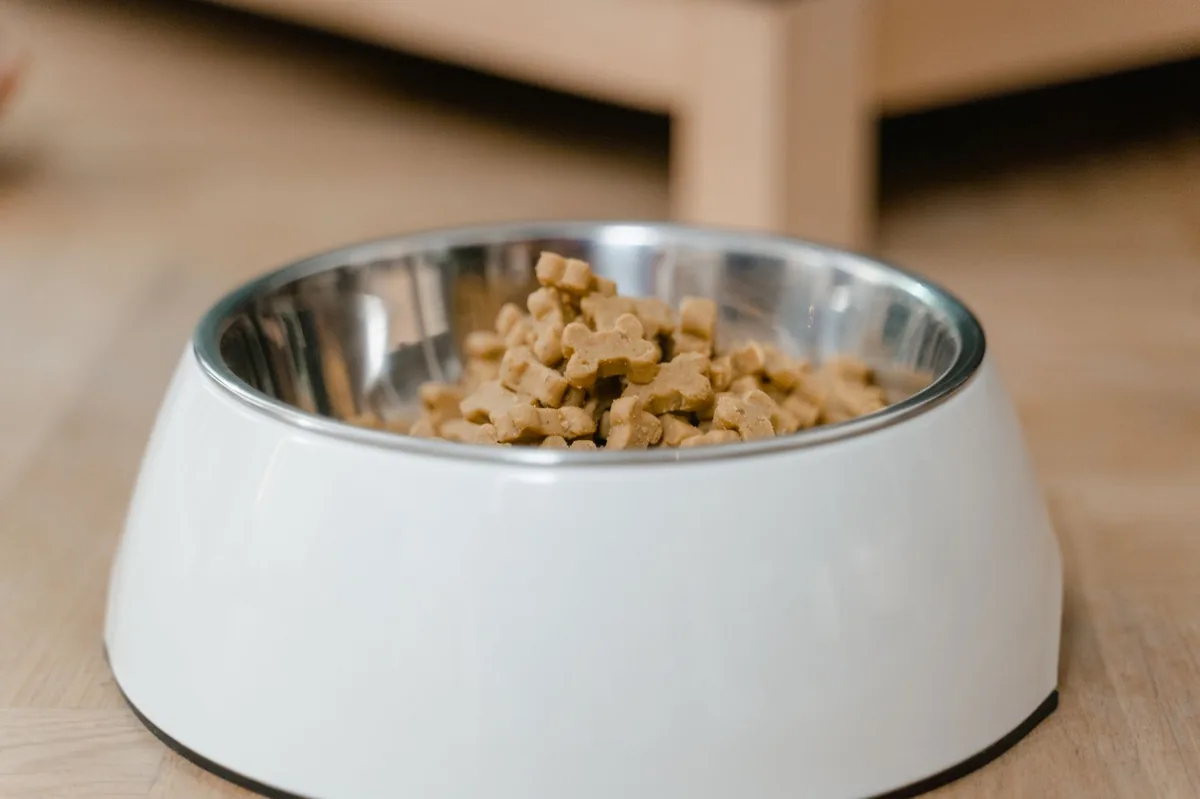
Nutrition plays a quiet but vital role in helping a dog fight infection and tolerate antifungal drugs. While there’s no “blastomycosis diet” per se, feeding a balanced, highly digestible diet can reduce stress on the lungs and immune system.
Here are evidence‑based guidelines for feeding a dog undergoing blastomycosis treatment:
- High‑quality protein: Choose a diet with ≥ 22 % digestible protein (e.g., chicken, turkey, or fish). Protein helps rebuild tissue and supports the immune response.
- Moderate fat: Fat provides energy without overloading the digestive system. Aim for 12‑15 % fat from sources like chicken fat or fish oil.
- Limited simple carbohydrates: Excess carbs can fuel inflammation. Opt for complex carbs (sweet potato, oatmeal) and avoid sugary treats.
- Added omega‑3s: As mentioned, EPA/DHA can dampen inflammation in the lungs. Many therapeutic diets already contain these, or you can add a vetted fish‑oil supplement.
- Hydration: Antifungal drugs can be hard on the kidneys; ensure fresh water is always available. Warm broth (low‑salt) can encourage intake if the dog is picky.
- Small, frequent meals: Splitting the daily ration into 2–3 meals can improve nutrient absorption and reduce gastrointestinal upset.
Foods and ingredients to avoid or limit:
| Do feed | Limit | Avoid |
|---|---|---|
| Commercial senior or therapeutic dry kibble with high protein and added omega‑3s | Raw meat diets unless balanced (risk of bacterial contamination) | High‑fat treats, fried foods, excessive cheese |
| Cooked lean meats (chicken, turkey) without skin | Grain‑free kibble with excessive fiber | Garlic, onions, or other foods toxic to dogs |
| Vegetables like pumpkin or sweet potato (cooked, unseasoned) | Commercial bone broth with added salt | Any food with added sugars or artificial sweeteners |
Transitioning to a new diet should be gradual—mix the new food with the old in a 25 %/75 % ratio, then increase the new food over 7–10 days. This helps avoid gastrointestinal upset, which can be especially problematic when your dog is already on medication.
For dogs with severe weight loss or appetite suppression, a high‑calorie prescription diet (e.g., a “renal” or “gastrointestinal” therapeutic formula) may be recommended by your vet. These diets are formulated to be nutrient‑dense while being gentle on the gastrointestinal tract.
Cost and prognosis
Expenses can add up, especially when diagnostics, long‑term medication, and follow‑up visits are considered. Below is a rough cost breakdown (US $ and UK £ estimates) based on typical veterinary pricing. Prices vary by region, clinic, and insurance coverage.
| Service | US estimate | UK estimate |
|---|---|---|
| Initial exam & blood work | $150–$250 | £120–£200 |
| Chest X‑ray or CT scan | $200–$500 | £180–£400 |
| Antigen test (urine) | $80–$120 | £70–£110 |
| Fine‑needle cytology | $100–$150 | £90–£150 |
| Antifungal medication (6‑12 mo) | $1,200–$2,500 | £1,000–£2,200 |
| Follow‑up labs (every 4–6 weeks) | $50–$100 per visit | £40–£90 per visit |
| Potential surgery (rare) | $2,500–$5,000 | £2,000–£4,500 |
Overall, the total cost can range from $2,000 to $5,000 (or £1,600‑£4,000) when the disease is caught early and managed medically. Dogs with disseminated disease or complications may require additional interventions, raising the bill.
Prognosis varies. According to the American Veterinary Medical Association (AVMA) and recent ACVIM guidelines, dogs diagnosed early and treated aggressively have a 70‑90 % chance of full recovery. Advanced cases involving the central nervous system or widespread bone disease have lower survival rates (50‑60 %) but still may achieve a good quality of life with diligent care.
Prevention and home care
Because blastomycosis comes from environmental spores, total elimination isn’t possible, but you can reduce risk:
- Limit exposure in endemic zones: Avoid letting your dog dig or roll in moist, decaying leaf litter, especially near lakes or swamps.
- Use protective gear: When hiking in high‑risk areas, keep your dog on a leash and consider a lightweight, breathable “dog boot” to limit soil contact.
- Regular veterinary check‑ups: Annual exams can catch early respiratory changes before they become severe.
- Vaccination: No vaccine exists for blastomycosis, but keeping your dog up‑to‑date on core vaccines protects against secondary infections that could complicate fungal disease.
- Environmental management: If you live near a known endemic area, keep the yard well‑drained, remove excess mulch or rotting wood, and consider limiting outdoor time after heavy rain.
At home, monitor your dog’s cough, appetite, and skin regularly. Keep a journal of any changes, and bring notes to the vet. If you notice a new lesion, gently clean it with saline and watch for changes—don’t attempt to pop or scrape it.
From our vet team: “Early detection is the game‑changer for blastomycosis. A simple cough that lasts more than a few days, paired with any skin change, should prompt a vet visit. The sooner we start antifungal therapy, the better the odds of a full recovery, and the shorter the treatment duration.”
Key takeaways
- Blastomycosis is a fungal infection from inhaled spores, most common in moist soils of the Midwest and Great Lakes regions.
- Typical signs start with a persistent cough, fever, and weight loss, then may progress to skin lesions, bone pain, or neurological signs.
- Diagnosis combines imaging, antigen testing, cytology, and sometimes culture; early testing improves outcomes.
- Treatment involves long‑term oral antifungals (itraconazole or posaconazole) and may require IV amphotericin B for severe cases.
- Supportive nutrition—high‑quality protein, moderate fat, omega‑3s, and adequate hydration—helps dogs tolerate medication and heal faster.
- Prevent exposure by limiting mud/leaf‑litter play in endemic areas, keeping the yard dry, and seeking prompt veterinary care for any cough or skin change.
Myth vs. fact
Myth: Blastomycosis only affects hunting dogs.
Fact: Any dog that inhales spores can develop the disease; however, breeds that spend more time outdoors (e.g., Retrievers, Pointers) are statistically more often diagnosed.
Myth: Once a dog gets blastomycosis, it will always relapse.
Fact: With proper treatment, most dogs remain fungus‑free. Relapse is uncommon but can happen if treatment is stopped early.
Myth: Blastomycosis is highly contagious to other pets or humans.
Fact: The fungus spreads through spores in the environment, not from dog to dog or dog to person. Humans can contract it by inhaling spores, but the risk comes from the same environmental sources, not from infected pets.
Frequently asked questions
What are the common symptoms of blastomycosis in dogs?
Most dogs start with a persistent cough, fever, and loss of appetite. As the infection spreads, you may see skin nodules that ulcerate, weight loss, joint pain, or neurological signs like head tilt.
How do vets test for blastomycosis in dogs?
Vets typically use a combination of chest X‑rays, a Blastomyces antigen test (urine or serum), and cytology of skin lesions. In some cases, a culture or PCR test confirms the fungus.
What medications are used to treat blastomycosis in dogs?
The first‑line oral drugs are itraconazole and posaconazole. For severe or disseminated disease, intravenous amphotericin B may be added. Your vet will tailor the regimen to your dog’s weight and disease stage.
How long does recovery take after blastomycosis treatment?
Treatment usually lasts 6–12 months, with regular follow‑up labs to monitor response. Most dogs show improvement within a few weeks, but full resolution can take several months.
Is blastomycosis contagious to humans or other pets?
No, the fungus spreads through spores in the environment, not from dog to dog or dog to person. Humans can contract it by inhaling spores from the same soil, but an infected dog does not increase that risk.
What can I do to lower my dog’s risk of getting blastomycosis?
Avoid letting your dog dig or roll in damp, decaying leaf litter, especially in known endemic areas. Keep your yard well‑drained, limit outdoor time after heavy rain, and schedule regular vet check‑ups for early detection.
Ask the PuppaDogs community
Have a question this article didn’t fully answer? Want to compare notes with other dog owners who’ve been through this? Our community forum is moderated by experienced owners and vets — and answers tend to come fast. Ask in the PuppaDogs community →
References
- American Animal Hospital Association (AAHA). 2023 Canine Infectious Disease Guidelines.
- American College of Veterinary Internal Medicine (ACVIM). 2022 Consensus Statement on Antifungal Therapy in Dogs.
- Merck Veterinary Manual. Blastomycosis in Dogs, chapter.
- World Small Animal Veterinary Association (WSAVA). Recommendations for Fungal Diagnostics.
- American Veterinary Medical Association (AVMA). 2023 Update on Systemic Mycoses in Companion Animals.
- Cornell University College of Veterinary Medicine. Clinical Resources on Blastomycosis.
- UK Veterinary Association (UKVA). Fungal Infections in Dogs – Clinical Practice Guidelines.
- UC Davis School of Veterinary Medicine. Environmental Risk Factors for Blastomycosis.
- Plumb’s Veterinary Drug Handbook. Antifungal Drug Profiles.


