





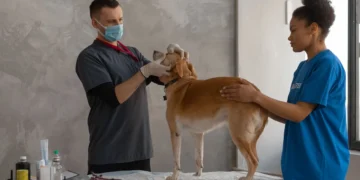








Quick take: Hepatic encephalopathy is a brain disorder caused by liver disease in dogs. It shows up as confusion, staggering, or seizures, and can be life‑threatening if untreated. Early veterinary care, blood tests, and a liver‑friendly diet give many dogs a chance at recovery.
It’s 11 p.m., and your 9‑year‑old mixed‑breed Labrador, Max, isn’t greeting you at the door. Instead, he lies on his side, his eyes glassy and his gums a pale pink. You notice a faint, sweet smell in the house that you’ve never associated with him before. Your heart races as you scroll through search results, trying to make sense of the odd behavior.
Most owners feel a knot of worry when a beloved dog suddenly seems “off” mentally. The good news is that, while hepatic encephalopathy—a brain disorder due to liver disease—can be serious, it is often manageable with prompt veterinary attention, proper medication, and a tailored diet. In this article we’ll explain what hepatic encephalopathy is, why liver disease affects the brain, what signs to watch for, how vets diagnose it, treatment and cost considerations, and steps you can take to protect your dog’s liver and brain for the long haul.
What is brain disorder due to liver disease in dogs?
Brain disorder due to liver disease in dogs is medically known as hepatic encephalopathy (HE). In plain language, it’s a condition where toxins that the liver normally clears—most notably ammonia—build up in the bloodstream and cross into the brain. Once there, they interfere with normal nerve signaling, leading to confusion, altered consciousness, and sometimes seizures.
HE is not a single disease; it’s a complication of many liver problems, including chronic hepatitis, cirrhosis, portosystemic shunts, and acute liver failure. While any breed can develop liver disease, some breeds—such as the Labrador Retriever, Doberman Pinscher, and West Highland White Terrier—have a higher genetic predisposition, making them more likely to experience HE.
According to the American College of Veterinary Internal Medicine (ACVIM), hepatic encephalopathy accounts for roughly 5–10 % of all neurologic presentations in veterinary emergency rooms, underscoring its relevance for dog owners.

What causes it?
HE arises when the liver can’t adequately remove toxins, especially ammonia, from the blood. The primary causes fall into three categories:
| Cause | Typical Examples |
|---|---|
| Chronic liver disease | Canine hepatitis, cirrhosis, fatty liver disease |
| Congenital vascular anomalies | Portosystemic shunts (inherited or acquired) |
| Acute liver injury | Poisoning (e.g., mushrooms, certain drugs), severe infections, toxin exposure |
Other risk factors include prolonged use of certain medications (like high‑dose steroids), obesity, and diets low in high‑quality protein that can stress liver function. In some cases, liver disease progresses silently, and the first sign that owners notice is the neurological change.
Signs and symptoms
Early HE can be subtle, while severe episodes may mimic seizures or coma. Below is a quick guide to help you spot the progression:
| Stage | Typical Signs |
|---|---|
| Mild | Reduced appetite, slight disorientation, panting, mild tremors, “sweet” breath odor |
| Moderate | Staggering gait, head pressing, increased vocalization, difficulty navigating stairs, bright eyes |
| Severe | Seizures, coma, muscle rigidity, uncontrollable drooling, severe lethargy |
Other red‑flag symptoms that often accompany HE include pale or bluish gums, jaundice (yellowing of the skin or eyes), and a noticeable “musty” odor from the mouth caused by elevated ammonia. Because these signs overlap with other neurological disorders, a professional diagnosis is essential.
When to call your vet
Call your vet today if you notice any of the mild‑to‑moderate signs listed above—especially disorientation, stumbling, or a sudden change in behavior. Early evaluation can prevent progression.
Go to an emergency veterinary hospital right now if your dog experiences seizures, collapses, or appears unresponsive. These are life‑threatening emergencies that require immediate care.
This article is for informational purposes only and does not replace a hands‑on examination by a qualified veterinarian.
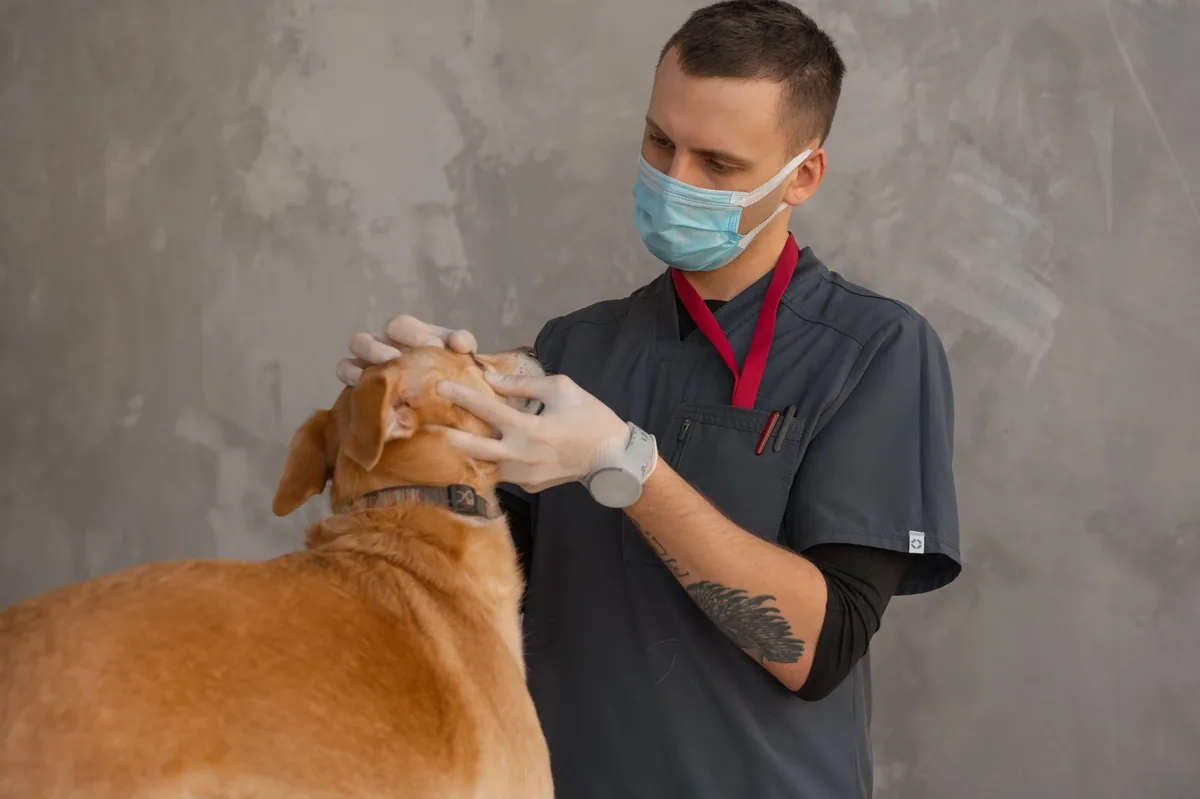
How vets diagnose it
Diagnosing hepatic encephalopathy is a multi‑step process that blends history, physical exam, and targeted testing:
- History and physical exam: The vet will ask about diet, previous liver issues, medications, and any recent toxin exposures. A thorough exam checks for jaundice, abdominal fluid, and neurologic deficits.
- Blood work: A complete blood count (CBC) and chemistry panel reveal liver enzyme elevations (ALT, ALP), low albumin, and increased bilirubin. The key test for HE is a plasma ammonia level—high ammonia strongly suggests hepatic encephalopathy.
- Urinalysis: Detects bilirubin and assesses kidney function, which can influence toxin clearance.
- Imaging: Abdominal ultrasound visualizes liver size, texture, and can identify shunts or masses. In some cases, a CT scan or MRI helps evaluate brain involvement.
- Liver biopsy (if needed): When the cause remains unclear, a tissue sample can pinpoint hepatitis or cirrhosis.
All of these tests together give the vet a clear picture of liver health and the extent of neurologic impact.
Treatment options
Medical treatment
The primary goal is to reduce blood ammonia and support liver function. Common drug classes and representative medications include:
- Ammonia‑binding agents: Lactulose and neomycin (often combined as “Lactulose‑Neomycin”) help trap ammonia in the gut.
- Antioxidants: S‑adenosyl‑methionine (SAMe) and vitamin E protect liver cells from oxidative damage.
- Anti‑inflammatory drugs: Prednisone may be used in immune‑mediated hepatitis, but only under close supervision.
- Anticonvulsants: Phenobarbital or levetiracetam control seizure activity if seizures occur.
All medications are prescribed based on your dog’s weight and disease severity, so always ask your vet about this option before starting anything.
Supplements and supportive care
Evidence‑based adjuncts can improve quality of life during recovery:
- Omega‑3 fatty acids (EPA/DHA): Reduce inflammation and support liver cell membranes. A daily dose of 50–100 mg EPA per kilogram is typical, but ask your vet for the exact amount.
- Probiotics: Products containing Enterococcus faecium or Lactobacillus strains help maintain a healthy gut flora, limiting ammonia production.
- Milk thistle (silymarin): May aid liver regeneration; however, its efficacy varies, so discuss its use with your vet.
These supplements should complement, not replace, the core medical regimen.
Procedures or surgery
When a congenital portosystemic shunt is the underlying cause, surgical correction can dramatically reduce HE episodes. The operation involves tying off or placing a device to redirect blood flow through the liver. Recovery typically takes 2–4 weeks, with a hospital stay of 1–2 days. Costs in the United States range from $5,000 to $9,000, while in the United Kingdom they hover around £4,000–£6,500.
Diet and nutrition
Nutrition is a cornerstone of both hepatic encephalopathy management and liver‑disease prevention. The right diet reduces ammonia production, eases the liver’s workload, and supplies essential nutrients for healing.
What to feed
Choose a highly digestible, moderate‑protein diet that supplies high‑quality amino acids without overwhelming the liver. Commercial therapeutic formulas—often labeled “hepatic” or “liver support”—contain reduced protein (around 15–18 % on a dry‑matter basis) yet provide essential nutrients like arginine, B‑vitamins, and zinc. If you prefer home‑cooked meals, aim for lean proteins such as boiled chicken breast, white fish, or low‑fat cottage cheese, paired with cooked rice or sweet potato.
What to limit
Foods high in copper (liver, shellfish) can exacerbate certain liver disorders, especially in breeds prone to copper‑associated hepatitis (e.g., Bedlington Terrier). Limit treats that are rich in fat or sugar, as they can trigger hepatic lipidosis—a dangerous accumulation of fat in the liver.
What to avoid
Whole‑grain or high‑fiber foods that ferment heavily in the colon can increase ammonia production. Avoid raw diets that are unbalanced or contain excessive protein, unless they are carefully formulated and approved by a veterinary nutritionist.
Feeding schedule and transition
Offer smaller, more frequent meals (e.g., 3–4 times daily) to aid digestion and steady blood‑ammonia levels. When switching to a new diet, transition over 7–10 days, gradually mixing increasing amounts of the new food with the old to prevent gastrointestinal upset.
Prescription diet options
Several reputable veterinary nutrition companies produce liver‑support diets that meet AAFCO standards. While we won’t endorse a specific brand, the following categories are widely recognized:
- Low‑protein, high‑calorie dry kibble (e.g., “Renal/ Hepatic” formulas)
- Moist, highly digestible canned diets formulated for liver disease
- Custom home‑cooked recipes designed by a board‑certified veterinary nutritionist
Always discuss the choice with your vet, especially if your dog has concurrent kidney issues, as protein restrictions must be balanced.
Sample daily menu
| Meal | Components |
|---|---|
| Breakfast | ¼ cup low‑protein therapeutic kibble mixed with ½ tsp canned pumpkin |
| Mid‑day snack | 1 tbsp plain low‑fat cottage cheese |
| Dinner | ⅓ cup boiled chicken breast, ¼ cup cooked white rice, 1 tsp fish oil (EPA/DHA) |
Hydration is also vital; fresh water should be available at all times, and low‑sodium broth can encourage intake if your dog is picky.
Cost and prognosis
The financial impact of hepatic encephalopathy varies based on the underlying liver disease, required diagnostics, and treatment plan.
| Service | Typical US Cost | Typical UK Cost |
|---|---|---|
| Initial blood panel (CBC, chemistry, ammonia) | $150–$250 | £120–£200 |
| Abdominal ultrasound | $300–$500 | £250–£400 |
| Hospitalization (24 hr) | $500–$800 | £400–£650 |
| Long‑term medication (lactulose, SAMe, probiotics) | $30–$80 per month | £25–£70 per month |
| Surgical shunt correction | $5,000–$9,000 | £4,000–£6,500 |
Prognosis hinges on the cause and how quickly treatment begins. Dogs with acute, reversible liver injury often recover fully within weeks, especially if ammonia levels are controlled early. Chronic cases, such as cirrhosis, may require lifelong management; however, many owners report a stable quality of life for years with proper diet and medication.
Factors that improve outcome include: early detection, adherence to dietary recommendations, and regular veterinary monitoring (every 1–3 months for stable cases). Conversely, repeated HE episodes, severe jaundice, or concurrent kidney failure can worsen the outlook.
Prevention and home care
While not every liver disease can be prevented, several strategies lower the risk of hepatic encephalopathy:
- Regular wellness exams: Annual blood work can catch early liver enzyme elevations before neurological signs appear.
- Weight management: Obesity predisposes dogs to fatty liver disease; maintain a healthy body condition score (BCS 4–5/9).
- Safe diet: Feed balanced, AAFCO‑approved foods and avoid excessive treats or raw diets lacking veterinary oversight.
- Limit toxin exposure: Keep medications, chemicals, and toxic plants (e.g., sago palm, certain mushrooms) out of reach.
- Vaccinations and parasite control: Prevent infections like leptospirosis, which can damage the liver. Follow AAHA vaccination guidelines and use vet‑approved flea/tick preventatives.
- Monitor for early signs: Keep an eye on appetite, energy, and gum color. A quick home check of gum color (pink = healthy, pale = possible anemia or liver issue) can prompt early vet contact.
For dogs already diagnosed with liver disease, a home care routine—daily medication administration, scheduled blood tests, and a consistent low‑protein diet—helps keep HE episodes at bay.
From our vet team: “If your dog’s behavior changes suddenly, don’t wait for the next routine check‑up. A simple blood ammonia test can be the difference between a quick recovery and a life‑threatening crisis. Early, proactive nutrition is just as powerful as medication for protecting the brain.”
Key takeaways
- Hepatic encephalopathy is a brain disorder caused by liver disease; early signs include confusion, stumbling, and a sweet‑smelling breath.
- High blood ammonia is the main culprit—vets diagnose it with blood work, ammonia testing, and imaging.
- Medical treatment focuses on ammonia‑binding agents, antioxidants, and, if needed, anticonvulsants; supplements like omega‑3s and probiotics can support recovery.
- Feeding a low‑protein, highly digestible diet reduces ammonia production and eases liver workload.
- Prompt veterinary care, regular monitoring, and weight management are the best ways to prevent HE episodes.
- Costs vary widely; early detection and consistent home care often lower long‑term expenses.
Myth vs. fact
Myth: Hepatic encephalopathy is just “dog epilepsy.”
Fact: While seizures can occur, HE stems from liver‑related toxin buildup, not primary brain disease. Treating the liver is essential for resolution.
Myth: High‑protein diets always worsen liver disease.
Fact: Dogs need quality protein; the goal is to provide enough to maintain muscle while keeping overall protein levels moderate. A balanced, liver‑support diet achieves this.
Myth: Once a dog has HE, it will inevitably decline.
Fact: Many dogs stabilize or improve with proper medical management and nutrition, especially when the underlying liver issue is treatable.
Frequently asked questions
What causes brain disorder in dogs with liver disease?
The primary cause is the accumulation of ammonia and other toxins that the diseased liver cannot filter, which then affect brain function.
What are the early symptoms of hepatic encephalopathy in dogs?
Early signs include reduced appetite, mild disorientation, a sweet or musty breath odor, and subtle tremors; owners often notice a change in behavior before obvious stumbling.
Can liver disease be reversed to improve brain function in dogs?
Some liver conditions, such as acute toxin exposure or reversible hepatitis, can improve with treatment, leading to reduced encephalopathy signs; chronic diseases may require lifelong management.
How is hepatic encephalopathy diagnosed in dogs?
Diagnosis combines a physical exam, blood chemistry (including ammonia levels), urinalysis, and imaging like abdominal ultrasound to assess liver structure and rule out other causes.
What treatments are available for dogs with liver‑related brain issues?
Treatment includes ammonia‑binding medications (lactulose, neomycin), antioxidants (SAMe), dietary changes, probiotics, and, when indicated, surgical correction of portosystemic shunts.
What is the prognosis for dogs diagnosed with hepatic encephalopathy?
Prognosis varies: dogs with acute, treatable liver injury often recover fully, while those with chronic liver disease may require lifelong care but can maintain a good quality of life with proper management.
Ask the PuppaDogs community
Have a question this article didn’t fully answer? Want to compare notes with other dog owners who’ve been through this? Our community forum is moderated by experienced owners and vets — and answers tend to come fast. Ask in the PuppaDogs community →
References
- American College of Veterinary Internal Medicine (ACVIM). “Guidelines for the Diagnosis and Management of Hepatic Encephalopathy in Dogs.” 2022.
- American Animal Hospital Association (AAHA). “Canine Hepatic Disease Standards.” 2023.
- Merck Veterinary Manual. “Hepatic Encephalopathy.” Updated 2023.
- World Small Animal Veterinary Association (WSAVA). “Nutritional Management of Liver Disease.” 2021.
- Veterinary Clinics of North America: Small Animal Practice. “Ammonia‑Binding Therapies in Dogs.” 2020.
- American Veterinary Medical Association (AVMA). “Pet Owner Guide to Liver Disease.” 2022.
- Cornell University College of Veterinary Medicine. “Portosystemic Shunts in Dogs.” 2021.
- UC Davis Veterinary Medicine. “Dietary Recommendations for Canine Liver Disease.” 2022.
- AKC Breed Health Survey. “Liver Disease Prevalence in Popular Breeds.” 2020.


