














Quick take: Maternal behavior problems in female dogs range from mild anxiety to serious neglect or aggression toward puppies. If a nursing dam shows signs like abandoning, refusing to nurse, or snapping at her litter, seek veterinary help promptly. Early assessment, environmental tweaks, and behavior therapy often restore a healthy mother‑puppy bond.
It’s 2 a.m.; you hear soft whimpers from the whelping box and notice your new Labrador dam, Bella, lying far from her newborn pups. She’s staring at the wall, ears back, and the tiny puppies are huddled together, trembling. Your heart races as you wonder if something is seriously wrong.
You’re not alone. Many first‑time breeders and owners experience a sudden shift in a mother’s demeanor after delivery. While some postpartum changes are normal—like brief periods of restlessness—persistent avoidance, aggression, or refusal to nurse can signal a maternal behavior problem that needs attention.
In this guide we’ll explain exactly what maternal behavior problems are, why they happen, what to look for, how vets diagnose and treat them, and what you can do to prevent them. We’ll also cover costs, diet tips for nursing dogs, and how to keep both dam and puppies safe.
What is maternal behavior problems in female dogs?
Maternal behavior problems (sometimes called postpartum anxiety, neglect, or aggression) describe any deviation from the normal caring instincts a female dog shows after giving birth. In a healthy dam, you expect:
- Regular nursing of each puppy
- Protective behavior toward the whelping area
- Gentle grooming and warmth provision
When a dam consistently avoids her litter, shows hostility, or abandons puppies, those instincts are disrupted. The issue can be temporary—lasting a few days—or chronic, requiring intervention.
Maternal behavior problems are relatively uncommon but significant. Studies from the American College of Veterinary Behaviorists (ACVB) suggest that 5–10 % of breeding females exhibit notable postpartum behavioral disturbances, with higher rates in first‑time mothers.
What causes maternal behavior problems in female dogs?
Multiple factors intertwine to produce postpartum issues. Below is a concise overview of the main categories.
| Category | Typical Causes |
|---|---|
| Hormonal | Sudden drop in progesterone and estrogen after birth; low oxytocin; thyroid imbalances. |
| Environmental | Noise, bright lights, unfamiliar surroundings, inadequate nesting material, or frequent disturbances. |
| Genetic / Breed | Some breeds (e.g., Akita, Chow Chow, German Shepherd) have higher reported maternal aggression; hereditary temperament plays a role. |
| Health‑related | Pain from dystocia, mastitis, uterine infection, or metabolic issues such as hypoglycemia. |
| Psychological | Previous trauma, lack of socialization, or anxiety disorders that flare after the hormonal surge. |
Often more than one factor is present. For example, a dam with mild pain from a retained placenta may also feel anxious in a noisy, busy whelping room, amplifying neglectful behavior.
Signs and symptoms
Early signs can be subtle, but recognizing them early helps prevent puppy loss.
| Severity | Signs |
|---|---|
| Mild | Reluctance to approach the box, brief pauses between nursing sessions, occasional growls. |
| Moderate | Consistent avoidance of puppies, reduced nursing frequency, visible stress (panting, pacing), mild aggression (snaps without contact). |
| Severe | Complete abandonment, aggressive attacks on puppies, refusal to allow any contact, signs of depression (lethargy, loss of appetite). |
Additional red flags include:
- Puppies that are not gaining weight or are cold to the touch.
- Dam licking herself excessively instead of the puppies.
- Sudden changes in appetite or water intake.
- Signs of pain around the abdomen or teats.

When to call your vet
Call your vet today if you notice any of the moderate signs above—especially if the dam stops nursing for more than a few hours, shows repeated growling, or seems unusually distressed.
Go to an emergency veterinary hospital right now if you see severe aggression (biting or lunging), complete abandonment, or if any puppy is cold, not breathing, or failing to gain weight.
These guidelines are not a substitute for professional care; always trust your vet’s judgment.
How vets diagnose it
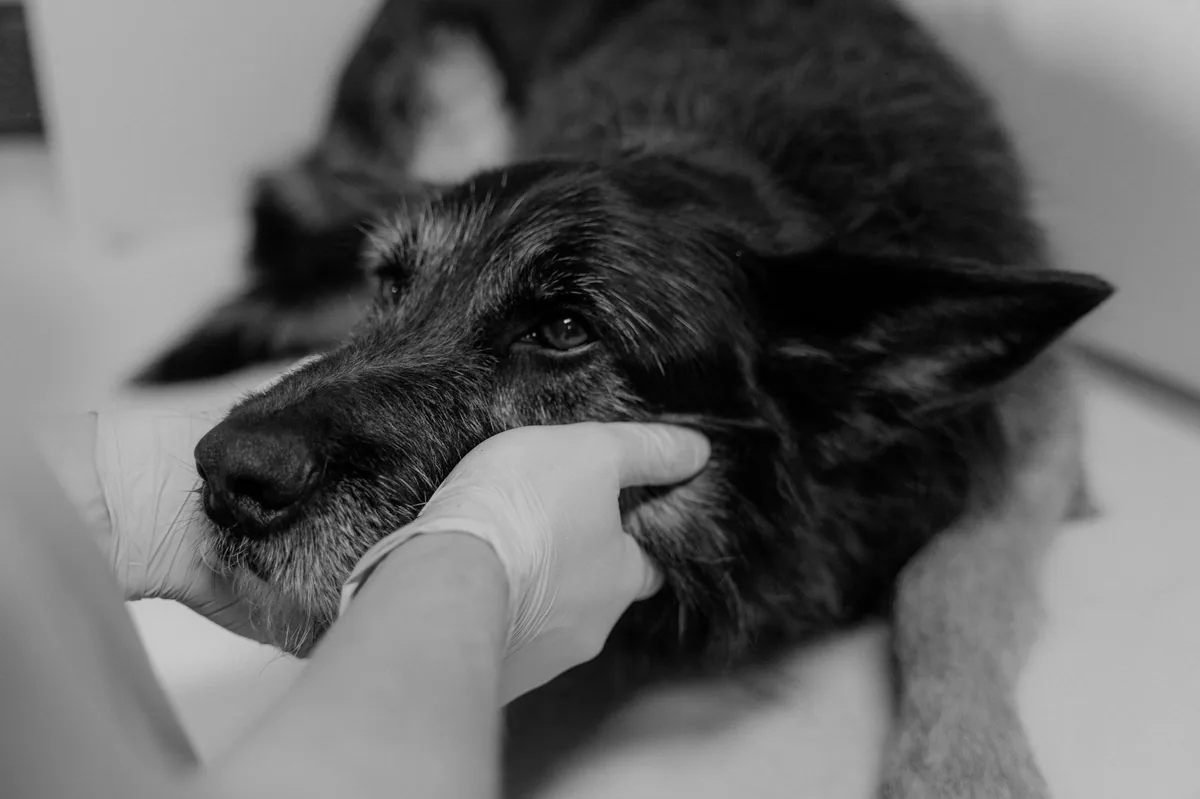
Veterinarians start with a thorough history: number of puppies, breed, previous litters, and any recent stressors. The physical exam focuses on:
- Assessing the dam’s pain level (palpating abdomen, checking teats for mastitis).
- Evaluating vital signs for hormonal or metabolic disorders (e.g., thyroid panel, blood glucose).
- Observing dam‑puppy interactions in a quiet environment.
Key diagnostic tools include:
- Blood work: CBC, chemistry panel, and hormone assays (progesterone, estrogen, oxytocin).
- Urinalysis: to rule out infection or kidney issues.
- Behavioral assessment: Standardized questionnaires from the American Veterinary Society of Animal Behavior (AVSAB) help quantify anxiety or aggression.
- Imaging: Ultrasound or X‑ray if retained placental tissue or uterine infection is suspected.
Treatment options
Medical treatment
When pain or hormonal imbalance underlies the problem, medication can be lifesaving. Commonly used drug classes include:
- Analgesics/NSAIDs: such as carprofen or meloxicam to ease postoperative pain (ask your vet about this option).
- Hormonal therapy: low‑dose oxytocin or progesterone supplementation may boost maternal instincts (your vet will determine suitability).
- Anti‑anxiety meds: gabapentin or fluoxetine are occasionally prescribed for postpartum anxiety (ask your vet about this option).
- Antibiotics: if a uterine infection (metritis) is present, broad‑spectrum agents like amoxicillin‑clavulanate are used.
Supplements and supportive care
While supplements cannot replace medication, several have evidence for supporting a nursing dam’s mood and health:
- Omega‑3 fatty acids (EPA/DHA): reduce inflammation and may help stabilize mood; a daily dose of 50 mg EPA per kilogram body weight is typical (vet‑guided).
- Vitamin B complex: B‑vitamins support nervous system function and can aid dogs coping with stress.
- Probiotics: such as Enterococcus faecium help maintain gut health, especially if the dam has been on antibiotics.
These should be introduced gradually and always under veterinary guidance.
Procedures or surgery
Procedural intervention is rare but may be necessary if an underlying physical issue is identified:
- Uterine curettage: removal of retained placental tissue to treat metritis.
- Cesarean section revision: in cases where a dam’s pain from a difficult birth leads to neglect, a corrective surgery may be performed.
Recovery from such procedures typically requires 7–10 days of restricted activity and close monitoring of both dam and puppies.
Diet and nutrition
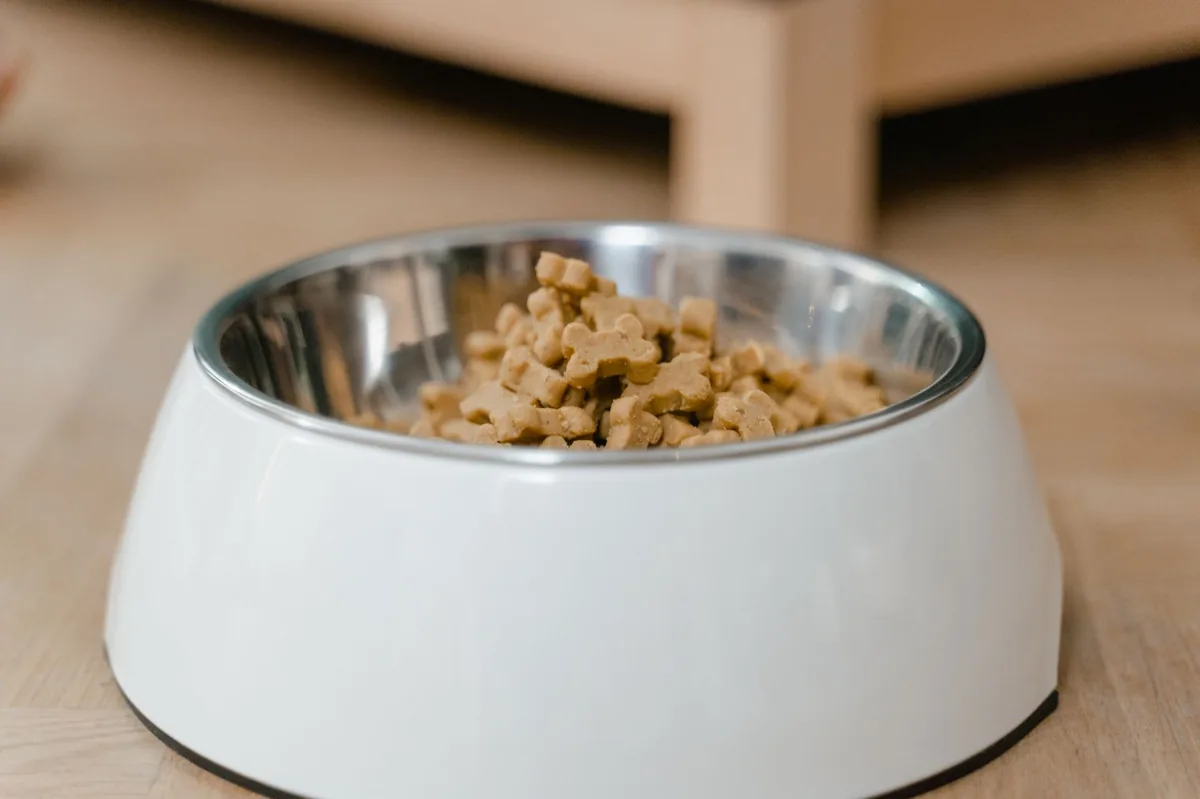
Nutrition is a cornerstone of recovery for any nursing dam, especially when behavior issues add stress. A balanced diet supplies the calories, protein, and micronutrients needed for milk production and overall well‑being.
What to feed
- High‑calorie, high‑protein kibble: Look for formulas with ≥30 % protein and ≥4 000 kcal/kg. These support lactation without excessive volume.
- Wet or raw meals: Adding a high‑quality wet food or a raw diet component can increase palatability and hydration, which may help anxious dogs eat more.
- Supplementary calories: If the dam is a picky eater, consider adding a calorie‑dense topper (e.g., canned pumpkin, cooked chicken breast).
What to limit or avoid
- Low‑fat or “light” diets—these won’t meet the 2–3 × increase in energy needs of a nursing dog.
- Highly processed treats that may trigger gastrointestinal upset.
- Excessive calcium supplements unless prescribed, as they can cause uterine inertia.
Prescription therapeutic diets
Some veterinarians recommend a “recovery” or “gestation‑lactation” diet (e.g., Hill’s Prescription Diet w/d, Royal Canin Mother & Puppy) for dams showing poor intake or weight loss. These diets are formulated to deliver up to 5 × the normal caloric density and include added vitamins A, D, and E to support both dam and puppies.
Feeding schedule
Offer food at least three times daily, ideally right after each nursing bout. Small, frequent meals are easier on a stressed stomach. Transition to a new diet gradually over 3–5 days to avoid gastrointestinal upset.
Hydration is equally important. Fresh water should be always available, and you can add low‑sodium broth to encourage drinking.
Cost and prognosis
Financial considerations vary by region and severity. Below are typical ranges (estimate only):
| Service | US Estimate | UK Estimate |
|---|---|---|
| Initial veterinary exam & blood work | $150‑$250 | £80‑£150 |
| Behavioral consultation (30 min) | $100‑$180 | £70‑£130 |
| Medication (e.g., fluoxetine, NSAID) | $30‑$80 per month | £20‑£60 per month |
| Therapeutic diet (30‑day supply) | $90‑$130 | £70‑£110 |
| Emergency ER visit (severe aggression) | $500‑$1,200 | £300‑£800 |
Prognosis is generally good when the problem is identified early and managed with a combination of medical treatment, environmental modification, and behavior therapy. Most dams recover within 1–3 weeks, and puppies thrive once nursing resumes.
However, chronic neglect can lead to puppy mortality, growth delays, or lasting psychological effects on the dam. Prompt intervention dramatically improves outcomes.
Prevention and home care
Preventing maternal behavior problems starts before the puppies arrive.
- Choose a quiet, low‑traffic whelping area: Soft bedding, dim lighting, and minimal disturbances reduce stress.
- Gradual exposure: Let the dam experience the whelping box a week before delivery to build familiarity.
- Monitor health closely: Ensure the dam is up‑to‑date on vaccinations, deworming, and prenatal nutrition.
- Post‑birth pain management: Discuss prophylactic NSAIDs with your vet if the birth was difficult.
- Early socialization: Gentle handling of the dam and puppies in the first 48 hours can reinforce bonding.
- Regular check‑ins: Spend a few minutes each day observing dam‑puppy interaction; note any changes.
For breeders, a written “post‑whelping plan” that outlines feeding, monitoring, and emergency contacts helps keep everyone on the same page. Our puppy care calculators can help estimate daily caloric needs for nursing dams.
From our vet team: “A mother’s anxiety often looks like simple restlessness, but it can quickly become dangerous for the litter. The most effective strategy is a combination of pain control, a calm environment, and early behavior support. If you catch the first signs, you’ll usually avoid a crisis.”
Key takeaways
- Maternal behavior problems range from mild anxiety to severe aggression or abandonment.
- Watch for early signs like reduced nursing, avoidance, or growling; intervene quickly.
- Common causes include hormonal shifts, pain, stressful environments, and breed predisposition.
- Veterinary diagnosis involves blood work, physical exam, and behavioral assessment.
- Treatment blends pain control, possible hormonal or anti‑anxiety meds, and a calm, supportive setting.
- High‑calorie, high‑protein nutrition and adequate hydration are essential for recovery.
Myth vs. fact
Myth: A mother dog will always know how to care for her puppies, so any problem must be the owner’s fault.
Fact: Even experienced dams can develop postpartum anxiety or pain that impairs care; it’s a medical condition, not a moral failing.
Myth: Maternal aggression means the dam will permanently reject her puppies.
Fact: With proper intervention—pain relief, behavior therapy, and environment changes—most aggressive dams can relearn safe, nurturing behavior.
Myth: If the dam seems fine after a few hours, the puppies are safe.
Fact: Puppies can become hypothermic or dehydrated within minutes; any prolonged nursing gap warrants a vet check.
Frequently asked questions
Why is my mother dog ignoring her puppies?
Ignoring can stem from pain, hormonal imbalance, or an overstimulating environment. A dam in discomfort may withdraw to protect herself, which unintentionally leaves the puppies unattended.
Can a mother dog be aggressive toward her litter?
Yes. Maternal aggression, often triggered by fear or pain, can manifest as growling, snapping, or biting. It’s a serious sign that requires veterinary evaluation and possibly behavior therapy.
What are the common signs of maternal neglect in dogs?
Key signs include prolonged absence from the whelping box, refusal to nurse, pushing puppies away, and visible stress behaviors (panting, pacing). Puppies that stay cold or fail to gain weight are also indicators.
How long does postpartum behavior change last in female dogs?
Most hormonal and mild anxiety changes resolve within 2–3 weeks. Persistent or severe issues may last longer and often need targeted treatment to shorten the duration.
When should I call a vet for my mother dog’s behavior?
Call today for any moderate signs—reduced nursing, growling, or noticeable stress. Go to an emergency clinic if the dam shows severe aggression, complete abandonment, or if any puppy appears cold, unresponsive, or not thriving.
Are there any medications that help a mother dog with anxiety?
Veterinarians may prescribe low‑dose fluoxetine, gabapentin, or short‑term benzodiazepines to manage postpartum anxiety. Any medication should be discussed with your vet, who will tailor the dose to the dam’s weight and condition.
Ask the PuppaDogs community
Have a question this article didn’t fully answer? Want to compare notes with other dog owners who’ve been through this? Our community forum is moderated by experienced owners and vets — and answers tend to come fast. Ask in the PuppaDogs community →
References
- American College of Veterinary Behaviorists (ACVB). “Postpartum Behavioral Disorders in Dogs.” 2022.
- American Veterinary Medical Association (AVMA). “Maternal Care in Dogs.” 2023.
- Merck Veterinary Manual. “Maternal Behavior and Nursing.” 2021.
- American Animal Hospital Association (AAHA). “Guidelines for Veterinary Care of Breeding Dogs.” 2023.
- World Small Animal Veterinary Association (WSAVA). “Pain Management in the Peripartum Period.” 2022.
- University of California, Davis Veterinary Medicine. “Maternal Aggression and Neglect in Canines.” 2020.
- American College of Veterinary Internal Medicine (ACVIM). “Endocrine Changes After Parturition.” 2021.
- Veterinary Behavioral Medicine (Plumb’s). “Behavioral Assessment Tools for Postpartum Dogs.” 2022.
- American Kennel Club (AKC). “Breed‑Specific Maternal Behaviors.” 2023.
- Cost.puppadogs.com. “Average Veterinary Behavior Therapy Costs.” 2024.


