














Quick take: Mammary gland tumors are the most common cancer in intact female dogs, but many are benign and treatable when caught early. Look for firm lumps near the chest or abdomen, and have a vet evaluate them promptly. Surgery is the mainstay of treatment; the cost varies, but early detection and spaying before the first heat dramatically lower risk.
It’s 9 p.m., and you’re scrolling through your phone while your 7‑year‑old mixed‑breed dog, Bella, sits quietly on the couch. She’s usually the first to greet you at the door, but tonight she’s lying still, and you notice a small, firm bump just under the skin of her left ribcage. Your heart races as you wonder: “Is this cancer? Do I need to rush to the vet?” You’re not alone—many owners feel the same knot of anxiety when a new lump appears.
We understand that uncertainty can feel overwhelming. The good news is that mammary gland tumors range from harmless growths to aggressive cancers, and the outcome hinges on how quickly you get a proper diagnosis and start treatment. In this guide we’ll explain what mammary tumors are, why they happen, how to spot them early, what your vet will do to diagnose them, treatment options, costs, and how you can help prevent them in the future.
Read on for a step‑by‑step look at everything you need to know about mammary gland tumors in dogs, from the first lump you feel to post‑surgery care at home.
What is mammary gland tumors in dogs?
Mammary gland tumors are abnormal growths that develop in the mammary (milk) tissue of a dog’s chest and abdomen. In dogs, there are up to ten mammary glands, each with a nipple and surrounding glandular tissue. Tumors can be benign (non‑cancerous) or malignant (cancerous). Benign tumors, such as fibroadenomas, usually grow slowly and rarely spread. Malignant tumors, most commonly adenocarcinomas, have the ability to invade surrounding tissue and metastasize (spread) to lungs, lymph nodes, or other organs.
According to the American Veterinary Medical Association (AVMA) and the American College of Veterinary Internal Medicine (ACVIM), mammary tumors account for roughly 50 % of all cancers in intact female dogs, making them the most common canine neoplasm.
What causes it?
Several factors increase a dog’s risk of developing mammary tumors. Below is a quick overview of the major contributors.
| Risk factor | Why it matters |
|---|---|
| Hormonal exposure | Repeated heat cycles raise estrogen and progesterone levels, which stimulate mammary tissue growth. |
| Age | Most tumors appear in dogs aged 5 – 10 years, when cumulative hormonal exposure peaks. |
| Breed predisposition | Some breeds—English Springer Spaniel, Poodle, Dachshund, and Irish Setter—show higher incidence rates. |
| Obesity | Excess body fat can increase circulating estrogen, further stimulating mammary cells. |
| Late spaying | Spaying after the first heat reduces protective benefit; early spay (before first heat) cuts risk by up to 95 % (AAHA). |
Signs and symptoms
Early detection often relies on your keen observation. Mammary tumors typically present as one or more lumps that may be:
- Firm or rubbery to the touch
- Irregular in shape
- Fixed (non‑mobile) or attached to underlying tissue
- Variable in size—some stay small, others grow quickly
Other signs can include swelling, ulceration, discharge, or changes in the skin over the lump.
| Severity | Typical signs |
|---|---|
| Mild | Small, painless lump; no skin changes; dog behaves normally. |
| Moderate | Lump enlarges, may become firm, slight skin redness, occasional itching. |
| Severe | Large ulcerated mass, bleeding, discharge, noticeable pain, loss of appetite, weight loss. |
When to call your vet
Call your vet today if you notice any new lump, especially if it is firm, growing, or ulcerated, or if your dog shows signs of pain, loss of appetite, or weight loss.
Go to an emergency veterinary hospital right now if the lump is bleeding heavily, the skin over it is broken and looks infected, or your dog is showing severe pain, lethargy, or difficulty moving.
These guidelines are for information only and do not replace a hands‑on veterinary exam. If you’re ever unsure, err on the side of caution and contact your veterinarian.
How vets diagnose it
The diagnostic workup typically follows a stepwise approach:
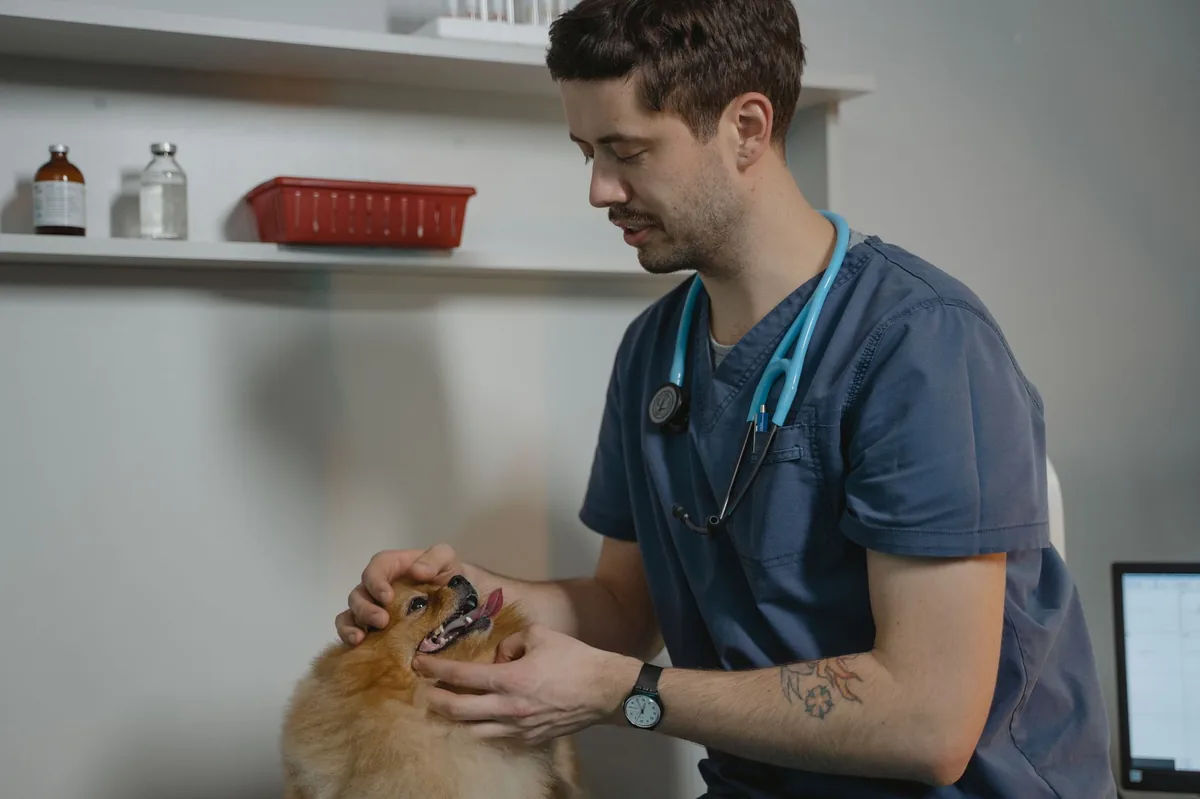
- Physical exam: The vet will palpate each mammary gland, note size, consistency, and any skin changes.
- Fine‑needle aspiration (FNA) cytology: A thin needle extracts cells for microscopic evaluation, helping differentiate benign from malignant lesions.
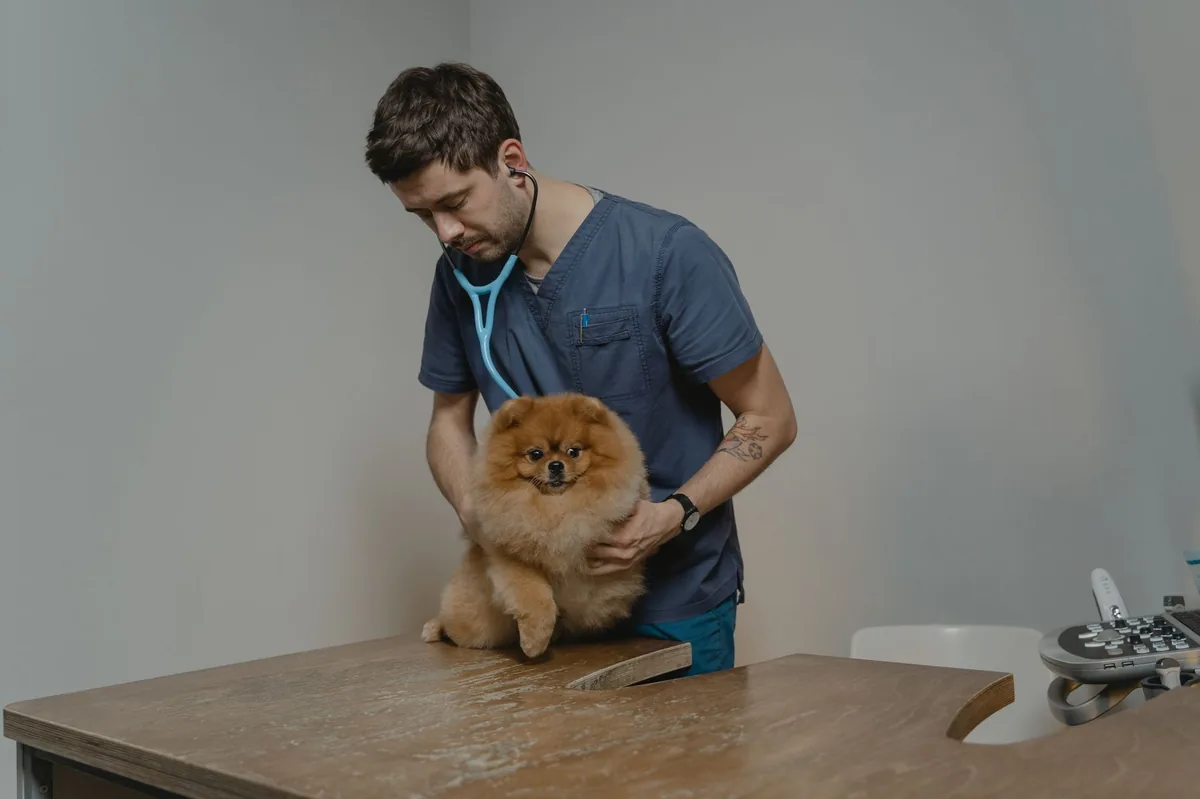
- Imaging: Chest X‑rays or ultrasound assess whether cancer has spread to lungs or lymph nodes.
- Biopsy: If cytology is inconclusive, a core or excisional biopsy provides a definitive histopathologic diagnosis.
- Staging tests: Advanced imaging (CT or MRI) and blood work may be performed for malignant cases to plan treatment.
These tests guide the vet in choosing the most appropriate therapy and estimating prognosis.
Treatment options
Medical treatment
While surgery is the cornerstone, medical therapy can complement it, especially for malignant tumors.
- Chemotherapy: Drugs such as carboplatin or doxorubicin are commonly used to target residual cancer cells after surgery.
- Hormonal therapy: For tumors that express estrogen receptors, drugs like tamoxifen may be considered (ask your vet about this option).
- Targeted therapy: Emerging agents (e.g., tyrosine‑kinase inhibitors) are being evaluated; your vet can discuss suitability.
Supplements and supportive care
Supportive nutrition can aid recovery and immune function.
- Omega‑3 fatty acids (EPA/DHA): Shown to reduce inflammation and may improve quality of life in dogs undergoing cancer treatment.
- Antioxidant blends (vitamin C, selenium): May help mitigate oxidative stress, though evidence is modest.
- Probiotics: Useful for dogs on chemotherapy to maintain gut health.
Always discuss any supplement with your vet, especially when your dog is on chemotherapy, to avoid drug‑nutrient interactions.
Procedures or surgery
Most mammary tumors are treated with surgical removal. The type of surgery depends on tumor size, number, and location:
- Simple excision: Removes a single, small tumor with a margin of healthy tissue.
- Regional mastectomy: Removes multiple glands on one side of the body.
- Total (bilateral) mastectomy: Removes all mammary glands; often recommended for widespread disease.
Recovery usually involves 10‑14 days of restricted activity, pain management, and a follow‑up exam. The cost for a simple excision can range from $500‑$1,200 (US) or £400‑£900 (UK), while total mastectomy may exceed $2,500 or £2,000. Insurance plans often cover a portion of surgical fees; check your policy details.
Diet and nutrition
Nutrition plays a supportive role in both prevention and recovery from mammary tumors. While no single diet will guarantee cancer‑free status, certain feeding strategies can strengthen the immune system and reduce hormonal influences.
Foods to favor are those that provide high‑quality, highly digestible protein, moderate fat, and abundant antioxidants:
- Cooked lean meats (chicken, turkey) without added salt or sauces.
- Low‑glycemic carbohydrates such as sweet potatoes or pumpkin, which help stabilize insulin and reduce estrogen production.
- Fresh vegetables (green beans, carrots, spinach) for vitamins A, C, and E.
- Omega‑3 rich fish oils or flaxseed oil for anti‑inflammatory benefits.
Foods to limit or avoid include:
- High‑fat table scraps or fried foods, which can promote obesity and hormonal imbalance.
- Excessive dairy, as some dogs are lactose intolerant and it adds unnecessary calories.
- Commercial diets high in simple sugars or artificial additives, which may increase insulin spikes.
For dogs undergoing surgery or chemotherapy, a prescription therapeutic diet formulated for oncology patients (e.g., Hill’s Prescription Diet k/d) can provide a balanced nutrient profile while limiting excess calories.
When transitioning to a new diet, do so gradually over 7‑10 days: mix 25 % new food with 75 % old food the first day, then increase the new portion by 25 % each subsequent day. This helps prevent gastrointestinal upset.
Hydration is equally important. Ensure fresh water is always available, and consider adding a low‑sodium broth to encourage intake if your dog seems reluctant to drink.
| Category | Do feed | Limit | Avoid |
|---|---|---|---|
| Protein | High‑quality cooked meat, fish, eggs | Processed meats with nitrates | Raw meat without veterinary guidance |
| Carbohydrate | Sweet potato, pumpkin, brown rice | White rice, refined grains | High‑sugar treats |
| Fats | Fish oil, flaxseed oil | Excessive animal fat | Trans‑fat laden foods |
| Supplements | Omega‑3, probiotics (if recommended) | Vitamin A excess | Unsupervised herbal blends |
For personalized feeding plans, our online calculators can estimate daily calorie needs based on weight, age, and activity level.
Cost and prognosis
Financial considerations vary by region, tumor type, and treatment plan.
- Surgical removal: $500‑$1,200 (simple) to $2,500+ (total mastectomy) in the United States; £400‑£2,000 in the United Kingdom.
- Diagnostic workup: FNA cytology $80‑$150; biopsy $300‑$600; imaging $200‑$500 per X‑ray set.
- Chemotherapy: $150‑$300 per session; a typical protocol may require 4‑6 sessions.
- Follow‑up care: Re‑checks, blood panels, and possible radiation add $200‑$800.
Many pet insurance policies cover 70‑90 % of these expenses after deductibles; check the cost guide for specific estimates.
Prognosis depends on tumor type and stage. For benign tumors, surgical cure rates exceed 95 %. Malignant adenocarcinomas have a 5‑year survival rate of about 45 % when caught early (Stage I), but this drops to under 20 % for Stage III or IV disease (AAHA 2022 guidelines). Early spaying, regular exams, and prompt treatment improve outcomes markedly.
Prevention and home care
Prevention centers on hormonal control and regular monitoring.
- Spay timing: Spaying before the first heat reduces mammary tumor risk by up to 95 % (AAHA). After the first heat, the protective benefit declines sharply.
- Weight management: Keep your dog at a healthy body condition score; obesity increases estrogen levels.
- Routine exams: Have your vet perform a thorough mammary check at least annually, especially for intact females.
- Dietary vigilance: Feed balanced, low‑glycemic meals and limit treats that can spike insulin.
- Environmental factors: Avoid exposure to endocrine‑disrupting chemicals (e.g., certain pesticides) when possible.
After surgery, provide a quiet, stress‑free space, limit activity for two weeks, and monitor the incision for redness, swelling, or discharge. Gentle cold packs (wrapped in a towel) can reduce swelling; always ask your vet before applying any home remedy.
From our vet team: “If you find a lump, don’t panic—just schedule a veterinary appointment. Most dogs do very well when the tumor is removed early, and the recovery period is short. Remember, a simple change in diet and timely spaying can make a huge difference in long‑term health.”
Key takeaways
- Any new or changing lump on a female dog’s chest or abdomen warrants a veterinary check.
- Early spaying (before first heat) cuts mammary tumor risk by up to 95 %.
- Surgery is the primary treatment; chemotherapy and hormonal therapy are added for malignant cases.
- Costs vary widely; pet insurance and early detection can keep expenses manageable.
- Balanced, low‑glycemic diets and weight control support recovery and may lower future risk.
Myth vs. fact
Myth: All mammary tumors are cancerous.
Fact: About half of mammary tumors are benign and can be cured with simple excision.
Myth: Spaying after a dog’s first heat eliminates the risk.
Fact: Spaying after the first heat reduces risk but does not remove it; the protective benefit drops sharply.
Myth: Home remedies can replace surgery.
Fact: Surgical removal is the only reliable way to fully assess and treat mammary tumors; home care supports recovery but cannot eliminate the tumor.
Frequently asked questions
What does a mammary tumor feel like in a dog?
Typically, it feels like a firm, rubbery lump that may be fixed to underlying tissue. Early tumors are often painless, but larger or ulcerated masses can become tender.
Are all mammary tumors in dogs cancerous?
No. Roughly 50 % are benign fibroadenomas or adenomas, which rarely spread and are curable with surgery alone.
How quickly do mammary tumors grow in dogs?
Growth rates vary; benign tumors can remain the same size for months, while malignant tumors may double in size within weeks. Rapid growth, ulceration, or bleeding are red flags.
Can a mammary tumor be removed without surgery?
Fine‑needle aspiration can diagnose a tumor, but complete removal requires surgery. Non‑surgical options like hormonal therapy are only adjuncts and are not curative on their own.
Does spaying eliminate the risk of mammary tumors?
Spaying before the first heat reduces risk by up to 95 %, but if a dog is spayed later, some risk remains. Hormonal exposure from heats still contributes to tumor development.
What follow‑up care is needed after mammary tumor removal?
Post‑op care includes wound monitoring, pain control, limited activity for 10‑14 days, and scheduled re‑checks (usually at 2 weeks, then every 3‑6 months). Your vet may recommend blood work and imaging to watch for recurrence.
Ask the PuppaDogs community
Have a question this article didn’t fully answer? Want to compare notes with other dog owners who’ve been through this? Our community forum is moderated by experienced owners and vets — and answers tend to come fast. Ask in the PuppaDogs community →
References
- American Animal Hospital Association (AAHA) 2022 Canine Mammary Tumor Guidelines.
- American Veterinary Medical Association (AVMA) – Cancer in Dogs Fact Sheet.
- American College of Veterinary Internal Medicine (ACVIM) – Oncology Consensus Statements.
- Merck Veterinary Manual, “Mammary Tumors” chapter.
- World Small Animal Veterinary Association (WSAVA) – Spay/Neuter Recommendations.
- Cornell University College of Veterinary Medicine – Canine Mammary Tumor Staging.
- Veterinary Cancer Society – Treatment Cost Estimates.
- AKC Breed Health Survey – Mammary Tumor Incidence by Breed.
- Plumb’s Veterinary Drug Handbook – Chemotherapy Protocols for Dogs.
- International Veterinary Oncology Society – Hormonal Therapy Overview.


