














Quick take: Liver toxins are substances that can damage a dog’s liver cells, leading to acute or chronic illness. Early signs include lethargy, loss of appetite, and pale gums, while severe poisoning may cause vomiting, jaundice, and bleeding. Prompt veterinary care dramatically improves the chance of recovery, and dietary changes can help protect the liver long‑term.
It’s 11 p.m., and your two‑year‑old mixed‑breed dog, Milo, is lying on the couch, his usual tail‑wag gone. You notice his gums look pink‑gray instead of the bright red you’re used to, and he’s turned his head away from his dinner bowl. Your heart races as you start Googling “why are my dog’s gums pale.” The bottom line? Liver toxin exposure can be life‑threatening, but many cases are treatable if caught early. Below we’ll walk through what liver toxins are, how to spot them, what your vet will do, and how you can keep Milo’s liver safe for the long haul.
We’ll cover the most common sources of liver toxins, the signs you should never ignore, the diagnostic work‑up your vet may run, treatment options (including emergency antidotes), cost considerations, and practical steps you can take at home to prevent future problems. If you’re worried right now, keep reading – the next few minutes could make a big difference for your dog.

What are liver toxins in dogs?
Liver toxins are chemicals, plants, foods, or medications that can impair the liver’s ability to filter waste, produce vital proteins, and regulate metabolism. The liver is the body’s detox hub; when toxins overwhelm it, liver cells (hepatocytes) become inflamed, die, or lose function. In dogs, this can present as acute hepatitis, chronic liver disease, or, in severe cases, liver failure.
While any dog can be exposed, certain breeds—such as the Labrador Retriever, English Springer Spaniel, and Shetland Sheepdog—have a genetic predisposition to liver enzyme deficiencies, making them more vulnerable to toxin‑induced damage (source: AKC breed health data).
What causes liver toxins in dogs?
Exposure can come from a variety of everyday sources. Below are the main categories:
- Foods and treats: Grapes, raisins, onions, garlic, macadamia nuts, and chocolate (theobromine) can cause liver stress or direct toxicity.
- Human medications: Acetaminophen (Tylenol), ibuprofen, naproxen, and certain antidepressants are hepatotoxic in dogs, even at low doses.
- Plants and household chemicals: Lilies, oleander, sago palm, and certain essential oils (e.g., tea tree oil) contain compounds that damage liver cells. Pesticides, rodenticides, and some cleaning agents (e.g., phenols) also pose a risk.
- Environmental exposures: Contaminated water, moldy food, or mycotoxins (e.g., aflatoxin) can accumulate in the liver over time.
Signs and symptoms of liver toxin exposure in dogs
Symptoms often start subtly and progress rapidly if the toxin is potent.
| Stage | Typical signs |
|---|---|
| Early / Mild | Lethargy, decreased appetite, slight weight loss, pale or yellow‑tinged gums. |
| Moderate | Vomiting (often yellow‑green), diarrhea, abdominal pain, increased thirst and urination, noticeable jaundice (yellow skin/eyes). |
| Severe / Late | Bleeding tendencies, seizures, severe jaundice, confusion, rapid breathing, collapse, coma. |
Because many of these signs overlap with other illnesses, a thorough history (what was ingested, how much, and when) is crucial for a correct diagnosis.
When to call your vet
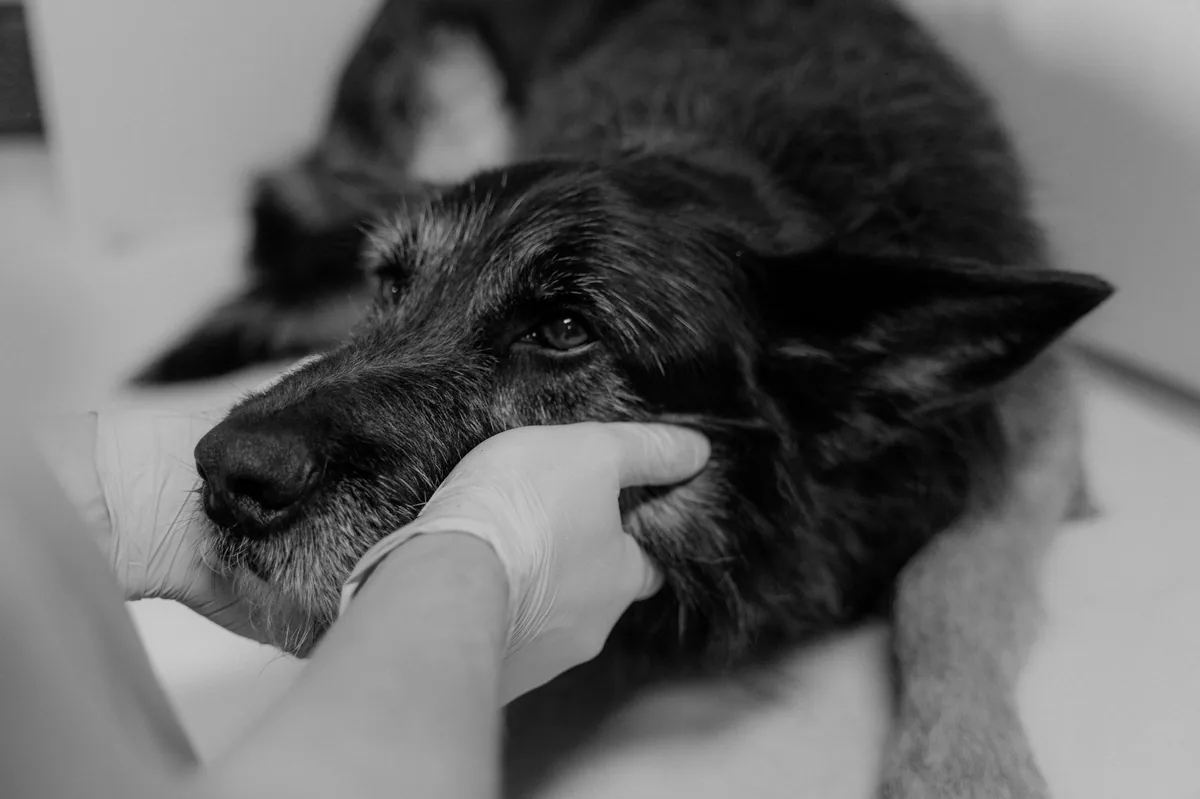
Call your vet today if you notice any of the following:
- Lethargy or loss of appetite lasting more than 12 hours.
- Pale, yellow, or unusually dark gums.
- Vomiting or diarrhea that persists beyond a few episodes.
- Unexplained increased thirst or urination.
Go to an emergency veterinary hospital now if your dog shows any of these red‑flag signs:
- Severe vomiting or bloody diarrhea.
- Bleeding from gums, nose, or any wound.
- Seizures, collapse, or unsteady gait.
- Marked jaundice (bright yellow skin, eyes, or mucous membranes).
These symptoms can indicate rapid liver failure, which requires immediate intervention.
This article is for informational purposes only and does not replace professional veterinary care.
How vets diagnose liver toxin exposure
Diagnosis starts with a detailed history and physical exam. Your vet will ask:
- What was ingested? (type, amount, time)
- Any recent changes in diet, medications, or environment?
- Previous health issues or breed‑related liver concerns?
Key diagnostic tests include:
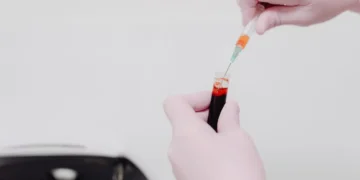
- Blood chemistry panel: Looks at liver enzymes (ALT, AST, ALP), bilirubin, and bile acids to gauge liver function.
- Complete blood count (CBC): Detects anemia or clotting abnormalities caused by toxin‑induced liver damage.
- Urinalysis: Checks for bilirubin or pigmenturia that can accompany liver disease.
- Imaging: Abdominal ultrasound can reveal an enlarged liver, fluid accumulation, or signs of necrosis.
- Toxin screening: Specific assays (e.g., acetaminophen metabolite levels) may be ordered if a particular toxin is suspected.
In some cases, a liver biopsy is recommended to differentiate toxin‑induced hepatitis from other chronic liver diseases.
Treatment options
Medical treatment
Emergency care focuses on stabilizing the dog, preventing further toxin absorption, and supporting liver function. Common interventions include:
- Activated charcoal – given orally to bind any remaining toxin in the gastrointestinal tract.
- Antidotes – for acetaminophen toxicity, N‑acetylcysteine (NAC) is the standard rescue medication; for mushroom toxins, silversulfadiazine may be used.
- Intravenous fluids – to maintain blood pressure and promote toxin clearance.
- Liver protectants – such as silymarin (milk thistle) or SAMe, which help reduce oxidative damage.
- Antibiotics – if secondary bacterial infections develop (e.g., metronidazole).
All medications are dosed based on your dog’s weight and severity, so always ask your vet about these options.
Supplements and supportive care
Evidence‑based supplements can aid recovery once the acute phase is managed:
- Omega‑3 fatty acids (EPA/DHA) – reduce inflammation and support cell membrane health.
- Milk thistle (silymarin) – antioxidant that may improve liver enzyme values.
- Probiotics – help maintain gut health, which is crucial for toxin elimination.
- Vitamin E – an antioxidant that can protect liver cells from oxidative stress.
Supplements should be introduced gradually and only after your vet approves, as some can interact with medications.
Procedures or surgery
In rare cases where a specific toxin (e.g., a large foreign body) remains in the gastrointestinal tract, endoscopic retrieval or surgical removal may be needed. Recovery from such procedures typically involves 3–5 days of hospitalization, pain management, and a gradual return to normal diet. Costs for these interventions can range from $1,500 USD to $4,500 USD in the United States, depending on facility and complexity.

Diet and nutrition
Nutrition plays a central role in both recovery from toxin exposure and long‑term liver health. The goal is to provide highly digestible protein, moderate fat, and antioxidants while minimizing hepatic workload.
Key dietary principles:
- High‑quality, highly digestible protein – sources like boiled chicken, turkey, or low‑fat fish supply essential amino acids without overloading the liver.
- Moderate fat – aim for 10–12 % of calories from fat; omega‑3‑rich oils (salmon oil) are beneficial, but avoid excessive saturated fats.
- Complex carbohydrates – rice, sweet potato, or oatmeal provide steady energy and are easy on the gut.
- Antioxidant‑rich foods – blueberries, pumpkin, and carrots supply vitamins A, C, and E, which support hepatic repair.
- Limited copper – high copper levels can aggravate liver disease; avoid diets high in organ meats or certain grain‑free formulas.
Prescription therapeutic diets (often labeled “hepatic” or “liver support”) are formulated with reduced protein, lower sodium, and added antioxidants. Brands such as Hill’s Prescription Diet l/d, Royal Canin Hepatic, and Purina Pro Plan Veterinary Diets HA are commonly recommended. Speak with your vet about which formula fits your dog’s needs and budget.
Below is a quick reference for feeding choices:
| Do feed | Limit | Avoid |
|---|---|---|
| Cooked lean meats (chicken, turkey), white rice, oatmeal, pumpkin | Fatty meats, table scraps, high‑fat treats | Grapes, raisins, onions, garlic, chocolate, macadamia nuts |
| Omega‑3 supplements (salmon oil), low‑copper commercial diets | Raw liver or organ meats | Acetaminophen, ibuprofen, any human medication |
| Fresh vegetables (carrots, green beans), blueberries | Excessive dairy | Plants such as lilies, sago palm, oleander |
When transitioning to a new diet, do it gradually over 7–10 days to avoid gastrointestinal upset. Offer the new food mixed with the old, increasing the proportion each day. Fresh water should always be available.
For owners looking for a quick cost estimate, our dog health cost calculator can help you budget a liver‑support diet and any necessary supplements.
Cost and prognosis
Financial considerations vary widely by region and severity:
| Service | US Estimate | UK Estimate |
|---|---|---|
| Emergency ER visit (initial stabilization) | $800–$1,500 | £400–£800 |
| Blood chemistry panel + toxin screen | $200–$400 | £120–£250 |
| Intravenous NAC antidote (acetaminophen) | $150–$300 | £80–£180 |
| Prescription hepatic diet (30‑day supply) | $60–$120 | £45–£90 |
| Hospitalization (3‑day stay) | $1,200–$2,500 | £600–£1,200 |
Overall prognosis depends on the toxin type, amount ingested, and how quickly treatment begins. Early intervention for acetaminophen or mushroom poisoning yields survival rates above 90 %. Chronic toxin exposure leading to irreversible liver cirrhosis carries a guarded prognosis, and quality‑of‑life decisions may be necessary.
Pet insurance often covers emergency care and diagnostics, though many policies exclude “pre‑existing conditions.” Review your policy details and discuss coverage with your insurer to avoid surprises.
Prevention and home care
Preventing liver toxin exposure is mostly about controlling the environment and being vigilant about what your dog can access.
- Secure medications – keep all human drugs in a locked cabinet out of reach.
- Know toxic foods – educate household members about foods that are dangerous for dogs.
- Plant safety – avoid keeping lilies, sago palms, or oleander in homes with dogs; research any new houseplants before bringing them inside.
- Read labels – many cleaning products contain phenols or other hepatotoxic chemicals; choose pet‑safe alternatives.
- Regular vet check‑ups – annual blood work can catch subclinical liver changes early.
- Monitor water sources – ensure tap water is clean; avoid letting dogs drink from stagnant ponds where algal toxins may be present.
After any suspected exposure, keep a log of what was eaten, the time, and any observed symptoms. This information speeds up veterinary assessment and can be vital for successful treatment.
From our vet team: “If you ever suspect a toxin, treat the situation like a fire alarm – act fast, gather information, and get to the vet. Most owners think a small dose can’t hurt, but a dog’s liver is tiny and can be overwhelmed quickly. Early IV fluids and activated charcoal often turn a scary night into a hopeful recovery.”
Key takeaways
- Liver toxins can cause rapid, life‑threatening illness, but early veterinary care dramatically improves outcomes.
- Common culprits include grapes, onions, chocolate, acetaminophen, and certain houseplants; keep them out of reach.
- Watch for pale gums, vomiting, jaundice, or sudden weakness – these are red‑flag signs that require immediate veterinary attention.
- Diagnosis relies on blood chemistry, toxin screening, and sometimes ultrasound; your vet will tailor tests to the suspected toxin.
- Treatment may involve activated charcoal, specific antidotes (e.g., N‑acetylcysteine for acetaminophen), IV fluids, and liver‑support supplements.
- Feeding a high‑quality, low‑copper, antioxidant‑rich diet and avoiding known toxins are the best long‑term liver‑health strategies.
Myth vs. fact
Myth: “Chocolate only harms a dog’s teeth.” Fact: Chocolate contains theobromine, a stimulant that can cause liver stress, vomiting, and seizures, especially in small breeds.
Myth: “If my dog looks fine after eating a questionable food, there’s no problem.” Fact: Liver toxins can act silently for hours before signs appear; a seemingly healthy dog may already be experiencing cellular damage.
Myth: “Home remedies like milk or coffee will neutralize toxins.” Fact: No home remedy reliably detoxifies a dog’s liver; only veterinary‑administered treatments like activated charcoal and specific antidotes are proven effective.
Frequently asked questions
What are the most common liver toxins for dogs?
The most frequently encountered toxins are grapes/raisins, onions/garlic, chocolate, acetaminophen, and certain houseplants such as lilies and sago palm.
How quickly do liver toxins affect a dog’s health?
Some toxins, like acetaminophen, can cause severe liver injury within 2–4 hours, while others, like chronic exposure to moldy food, may cause gradual damage over weeks or months.
What signs indicate my dog has been exposed to a liver toxin?
Early signs include lethargy, loss of appetite, and pale gums; moderate signs add vomiting, jaundice, and increased thirst; severe signs involve bleeding, seizures, and collapse.
Can liver toxins cause permanent damage in dogs?
Yes—if exposure is severe or treatment is delayed, irreversible liver scarring (cirrhosis) can develop, leading to chronic disease that may require lifelong management.
What is the emergency treatment for liver toxin ingestion?
Immediate treatment typically involves activated charcoal to bind the toxin, IV fluid therapy to support circulation, and specific antidotes such as N‑acetylcysteine for acetaminophen poisoning.
How much does liver toxin treatment cost for a dog?
Costs range from $800–$1,500 for an emergency ER visit, plus $200–$400 for diagnostics, and $150–$300 for specific antidotes; total expenses can exceed $2,500 depending on severity and hospitalization length.
Ask the PuppaDogs community
Have a question this article didn’t fully answer? Want to compare notes with other dog owners who’ve been through this? Our community forum is moderated by experienced owners and vets — and answers tend to come fast. Ask in the PuppaDogs community →
References
- American Animal Hospital Association (AAHA) 2023 Canine Hepatic Care Guidelines.
- American Veterinary Medical Association (AVMA) Toxicology Resources for Companion Animals.
- Merck Veterinary Manual, “Liver Disease” chapter.
- American College of Veterinary Internal Medicine (ACVIM) Consensus Statement on Hepatic Toxicology.
- AKC Breed Health Survey, Liver Enzyme Deficiencies in Labrador Retrievers.
- World Small Animal Veterinary Association (WSAVA) Guidelines on Toxic Plant Ingestion.
- Cornell University College of Veterinary Medicine, “Acetaminophen Toxicity in Dogs” fact sheet.
- UC Davis School of Veterinary Medicine, “Canine Hepatic Diet Recommendations.”
- Plumb’s Veterinary Drug Handbook, Antidotes for Common Toxicants.
- Pet Insurance Council, “Coverage Limits for Emergency Toxicology Cases.”


