











Quick take: Legg‑Calvé‑Perthes disease (LCPD) is a painful, progressive hip joint problem that most often affects small‑breed puppies. Early detection, rest, and surgery give the best chance for a normal, active life, while delayed treatment can lead to chronic arthritis. If you notice a limp, especially after exercise, call your vet right away.
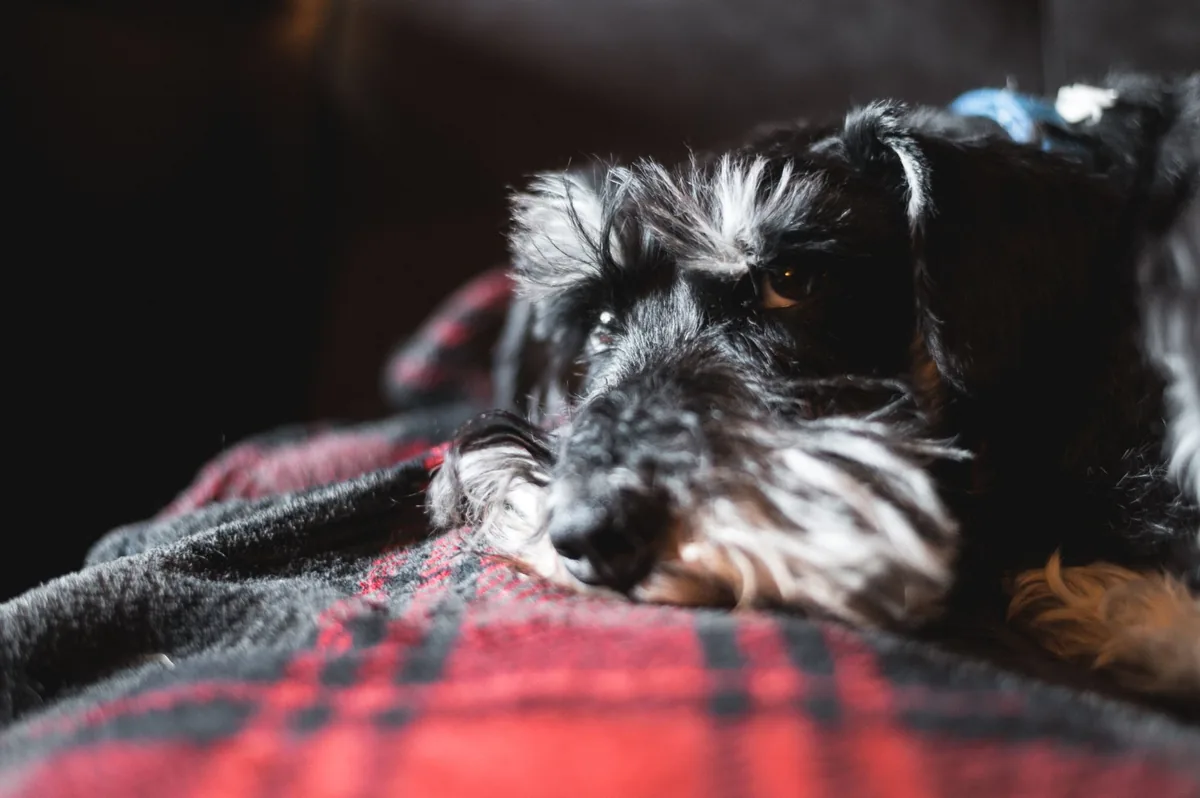
It’s 9 p.m., the house is quiet, and your 5‑month‑old Miniature Schnauzer, Bella, is suddenly favoring her back right leg. She’s usually a whirlwind of energy, but tonight she’s lying low, eyes wide, and her coat looks a little dull. You run a hand over her hip and feel a subtle “click.” The Googling begins, heart racing, and the word “Perthes” flashes on the screen. You wonder: Is this something you can fix at home, or does Bella need surgery?
We get it—seeing a beloved pup in pain is gut‑wrenching. The good news is that Legg‑Calvé‑Perthes disease (LCPD) is treatable, especially when caught early. In this guide we’ll explain what LCPD is, why it happens, how to spot it, when to call your vet, what diagnostics and treatments look like, dietary considerations, costs, and how to prevent future problems. By the end you’ll know exactly what steps to take tonight and what to expect in the weeks ahead.
What is Legg‑Calvé‑Perthes disease in dogs?
Legg‑Calvé‑Perthes disease is a degenerative condition of the hip joint. In simple terms, the blood supply to the head of the femur (the ball‑shaped top of the thigh bone) becomes compromised, causing the bone to die and collapse. This loss of structural integrity leads to a painful “lumpy” hip that can’t move smoothly.
The disease most commonly appears in small breeds—think Miniature Pinschers, Poodles, Chihuahuas, and Dachshunds—between 4 and 12 months of age. While the exact prevalence is hard to pin down, the American College of Veterinary Surgeons (ACVS) estimates that up to 1 % of small‑breed puppies develop LCPD, making it a relatively rare but well‑recognized orthopedic problem.
What causes Legg‑Calvé‑Perthes disease?
The exact trigger for the blood‑flow interruption isn’t fully understood, but several factors appear to increase risk:
- Genetics: Certain small‑breed lines carry hereditary predispositions.
- Rapid growth: Puppies that gain weight quickly may stress the developing hip joint.
- Trauma: A hard fall or severe twist can damage the tiny blood vessels supplying the femoral head.
- Hormonal influences: Hormonal changes during growth spurts may affect blood vessel integrity.
Because the condition is multifactorial, most owners can’t pinpoint a single cause, but awareness of these risk factors helps veterinarians and breeders make better decisions.
Signs and symptoms
LCPD often starts subtly and progresses quickly. Early signs can be easy to miss, especially if your dog is naturally laid‑back.
| Severity | Signs | Typical behavior |
|---|---|---|
| Mild | Occasional limp, especially after play; slight reluctance to jump. | Still walks, but may favor the opposite leg. |
| Moderate | Persistent limp, reduced activity, whining when the hip is touched. | Prefers lying down, avoids stairs. |
| Severe | Constant pain, swollen hip, inability to bear weight, muscle atrophy. | Stands with hind legs spread, may roll onto the side. |
Other clues include a “click” or “pop” sensation when the hip moves, a stiff gait, or a noticeable loss of muscle tone in the rear legs. If you notice any of these, especially a sudden limp in a puppy, it’s time to act.
When to call your vet
Call your regular vet today if:
- The limp appears after activity but improves with rest.
- You hear a click when moving the hip.
- There’s mild swelling or tenderness.
Go to an emergency veterinary hospital right now if:
- Your dog can’t bear weight on the affected hind leg.
- There’s obvious swelling, severe pain, or the leg is visibly deformed.
- Bleeding or an open wound is present after a fall.
These guidelines are for triage only. Always trust your instincts—if something feels wrong, call a professional. This article is for information only and does not replace a hands‑on veterinary exam.
How vets diagnose Legg‑Calvé‑Perthes disease
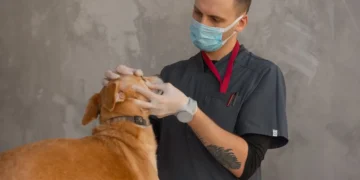
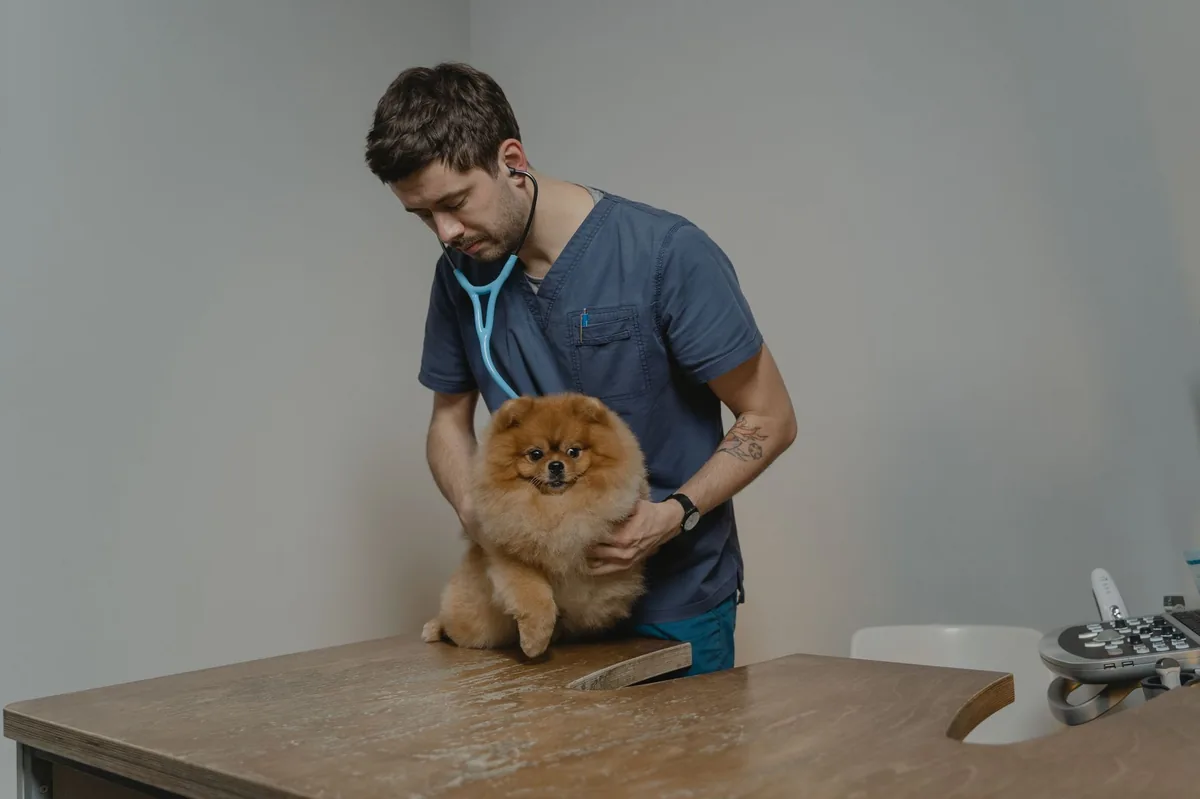
Diagnosing LCPD starts with a thorough history and physical exam. Your vet will ask when the limp began, what activities seemed to trigger it, and whether there’s a family history of hip problems.
Key diagnostic tools include:
- Radiographs (X‑rays): The gold standard. Two views (ventrodorsal pelvis and lateral hip) reveal the shape of the femoral head and any collapse.
- Orthopedic examination: The vet manipulates the hip to assess pain, range of motion, and “click” sensations.
- Blood work: Often done to rule out infection or systemic disease that could mimic LCPD.
In ambiguous cases, a CT scan or MRI may be recommended for a more detailed view of the bone and surrounding soft tissue.
Treatment options
Medical treatment
When the disease is caught early, the first line of therapy is often conservative:
- Non‑steroidal anti‑inflammatory drugs (NSAIDs): Medications such as carprofen or meloxicam reduce pain and swelling. Your vet will choose the appropriate drug and dosage based on your dog’s weight and health.
- Analgesics: Options like tramadol may be added for additional comfort.
- Activity restriction: Strict confinement to a crate or small pen (no running, jumping, or stairs) for 8–12 weeks allows the femoral head to remodel.
In many cases, medical management alone isn’t enough, and surgery becomes the next step.
Supplements and supportive care
While supplements can’t reverse LCPD, they may aid recovery and joint health:
- Omega‑3 fatty acids (EPA/DHA): Found in fish oil, they help reduce joint inflammation.
- Glucosamine‑chondroitin: May support cartilage health during the healing phase, though evidence is modest.
- Probiotics: Helpful if your dog experiences gastrointestinal upset from medications.
Always discuss supplement choices with your vet; quality and appropriate dosing matter.
Procedures or surgery
When the femoral head has collapsed significantly, surgical intervention offers the best chance for a pain‑free life. The most common procedure is a femoral head and neck excision (FHO), where the damaged ball is removed, allowing a scar‑tissue “false joint” to form.
Key points about FHO:
- Recovery: Dogs typically need 6–8 weeks of strict confinement, followed by gradual physical therapy.
- Success rate: Studies from the American College of Veterinary Surgeons report 80‑90 % of dogs regain functional mobility.
- Cost: In the United States, the procedure (including anesthesia, implants, and postoperative care) ranges from $2,500 to $4,500. In the United Kingdom, expect £1,800–£3,200.
Diet and nutrition
Nutrition plays a supportive role in healing from LCPD, especially after surgery. While no diet can cure the disease, feeding a balanced, easily digestible diet helps maintain body condition without overloading the joints.
| Food type | Feed | Limit | Avoid |
|---|---|---|---|
| High‑quality commercial kibble (AAFCO‑complete) | Portion sized to maintain ideal body condition | Excess calories | Low‑protein, low‑fat “gimmick” diets |
| Cooked lean meats (chicken, turkey) | Small additions as a treat | Skin and bone | Seasonings, onions, garlic |
| Prescription renal or joint diets | Only if recommended by your vet | Sudden switches | Highly fatty meals |
| Omega‑3 supplements (fish oil) | Follow vet‑recommended dosage | Over‑supplementation | Raw fish with bones |
Here are practical feeding tips:
- Offer several small meals throughout the day rather than one large bowl; this helps control weight.
- Transition to a new food over 7‑10 days—mix increasing amounts of the new diet with decreasing amounts of the old.
- Keep fresh water available at all times; hydration supports joint cartilage.
- If your dog is recovering from surgery, a soft diet (moistened kibble or canned food) may be easier to chew.
For owners who prefer home‑cooked meals, the PuppaDogs nutrition calculator can help ensure you meet essential nutrient levels.
Cost and prognosis
Financial considerations are an important part of treatment planning. Below is a rough breakdown of typical expenses in the United States and United Kingdom (all figures are estimates and can vary by clinic, region, and individual case).
| Item | US (USD) | UK (GBP) |
|---|---|---|
| Initial veterinary exam & X‑rays | $200–$400 | £150–£250 |
| Blood work (CBC, chemistry) | $100–$150 | £80–£120 |
| Conservative medical management (NSAIDs, crate) | $150–$300 | £100–£200 |
| Femoral head and neck excision (FHO) surgery | $2,500–$4,500 | £1,800–£3,200 |
| Post‑operative physical therapy | $300–$600 | £200–£400 |
| Supplements (fish oil, glucosamine) | $30–$80 | £25–£70 |
Prognosis depends on age at diagnosis and treatment choice. Puppies diagnosed before 6 months and treated surgically have a >80 % chance of returning to normal activity within 6 months post‑op. Dogs treated later, or those that only receive medical management, may develop chronic arthritis, leading to reduced mobility and occasional pain.
Prevention and home care
While you can’t eliminate genetic risk, several everyday steps can lower the odds of LCPD developing or worsening:
- Maintain a healthy weight: Overweight puppies place extra stress on growing hips.
- Provide balanced nutrition: Use AAFCO‑approved foods and avoid excessive treats.
- Gradual exercise: Allow puppies to play, but avoid high‑impact activities (like jumping from furniture) until they’re fully grown.
- Regular veterinary check‑ups: Early orthopedic screening (often part of a puppy wellness exam) can catch subtle hip changes before they become severe.
- Know your breed’s risk: If you own a breed with a known predisposition, discuss hip health screening with your breeder and vet.
After surgery, a structured rehabilitation program—gentle passive range‑of‑motion exercises, short leash walks, and eventually controlled play—helps rebuild muscle strength and joint stability. Your vet can tailor a plan based on Bella’s progress.
From our vet team: “Seeing a limp in a puppy is never pleasant, but catching Legg‑Calvé‑Perthes early gives the best odds for a full recovery. If you’re ever unsure, schedule a quick exam; the X‑ray is the definitive test, and the sooner we intervene, the smoother the road back to playtime.”
Key takeaways
- Legg‑Calvé‑Perthes disease most often affects small‑breed puppies between 4–12 months and causes a painful, collapsing hip joint.
- Early signs are a limp after activity, a “click” when moving the hip, or mild swelling; watch for these and act fast.
- Diagnosis relies on X‑rays; if confirmed, treatment ranges from strict rest and NSAIDs to surgical femoral head and neck excision.
- Post‑operative rehab, weight management, and a balanced diet with omega‑3s support healing and reduce future arthritis risk.
- Typical costs in the U.S. run $2,500–$4,500 for surgery, plus follow‑up care; prognosis is excellent when treated early.
Myth vs. fact
Myth: LCPD only occurs in purebred dogs.
Fact: While certain small breeds have higher rates, mixed‑breed puppies can also develop the disease.
Myth: Rest alone will cure Legg‑Calvé‑Perthes disease.
Fact: Rest may relieve pain temporarily, but most cases need surgical correction for long‑term joint function.
Myth: If a puppy stops limping, the problem is gone.
Fact: Intermittent improvement is common; the underlying bone loss can progress silently, so a veterinary exam is essential.
Frequently asked questions
How much does surgery for LCPD usually cost?
In the United States, femoral head and neck excision typically ranges from $2,500 to $4,500, including anesthesia, post‑op meds, and basic follow‑up; the United Kingdom sees similar costs in the £1,800–£3,200 range.
Is Legg‑Calvé‑Perthes disease contagious?
No, LCPD is not infectious; it results from a blood‑flow problem in the bone, not a virus or bacteria.
How long does recovery take after surgery?
Most dogs need 6–8 weeks of strict crate rest, followed by a gradual reintroduction to activity; full functional recovery usually occurs within 3–4 months.
Can my adult dog develop LCPD?
It is rare—LCPD primarily affects puppies under one year, but older dogs can experience similar hip degeneration called osteoarthritis, which requires different management.
Will my dog need lifelong medication after treatment?
After successful surgery, many dogs no longer need chronic pain meds, though a joint supplement regimen (like fish oil) is often recommended for lifelong joint health.
What should I ask my vet during the first appointment?
Ask how severe the femoral head collapse is on the X‑ray, what the recommended treatment plan (medical vs. surgical) involves, and what the expected timeline and costs will be.
Ask the PuppaDogs community
Have a question this article didn’t fully answer? Want to compare notes with other dog owners who’ve been through this? Our community forum is moderated by experienced owners and vets — and answers tend to come fast. Ask in the PuppaDogs community →
References
- American College of Veterinary Surgeons (ACVS). “Femoral Head and Neck Excision Guidelines.” 2022.
- American Animal Hospital Association (AAHA). “Canine Orthopedic Care Standards.” 2023.
- Merck Veterinary Manual. “Legg‑Calvé‑Perthes Disease.” Updated 2023.
- American Veterinary Medical Association (AVMA). “Pain Management in Dogs.” 2022.
- World Small Animal Veterinary Association (WSAVA). “Nutritional Recommendations for Growing Dogs.” 2021.
- University of California, Davis Veterinary Medicine. “Hip Dysplasia and LCPD in Small Breeds.” 2022.
- British Veterinary Association (BVA). “Cost Estimates for Common Orthopedic Surgeries.” 2023.


