













Quick take: Canine rotavirus is a contagious gut virus that typically causes mild to moderate diarrhea, especially in puppies. Most healthy dogs recover with supportive care, but dehydration can become serious—so monitor closely and contact your vet if symptoms worsen.
It’s 2 a.m., you’re half‑asleep when your 8‑week‑old puppy whines and trots to the kitchen, eyes wide, clutching a soiled blanket. The stool is watery, a little foamy, and the little nose looks a bit dry. Your heart races as you scroll through “puppy diarrhea” results, and one headline catches your eye: “Rotavirus in Dogs.” The thought of a virus in your new family member feels overwhelming, but you’re not alone. Many dog owners face the same moment of panic.
We’ll walk you through everything you need to know about intestinal viral infection (rotavirus) in dogs—from what it is and how it spreads, to the signs that tell you when to call the vet, the typical diagnostic work‑up, and the best home‑care steps. By the end, you’ll have a clear plan for treatment, cost expectations, and prevention, so you can feel confident caring for your pup.
Read on for a calm, step‑by‑step guide that blends veterinary science with real‑world practicality, and discover how to keep your dog healthy whether you’re at home, in a kennel, or planning a new addition to the family.
What is intestinal viral infection (rotavirus) in dogs?
Rotavirus is a small, double‑stranded RNA virus that primarily attacks the cells lining the small intestine. In dogs, it causes an intestinal viral infection that leads to inflammation and malabsorption, resulting in watery diarrhea and sometimes vomiting. While the virus is common in many species, in dogs it most often shows up in puppies under 12 weeks old, whose immune systems are still developing.
Rotavirus is less aggressive than canine parvovirus, but it can still be a concern, especially in crowded environments like breeding kennels or shelters. According to the American Veterinary Medical Association (AVMA), rotavirus accounts for a modest portion of viral gastroenteritis cases in puppies, and most infections are self‑limiting when the animal receives proper supportive care.
What causes it?
Rotavirus spreads mainly through the fecal‑oral route. Puppies pick up the virus by ingesting contaminated feces, surfaces, or even milk from an infected dam. The virus is hardy—it can survive on surfaces for weeks, especially in warm, moist environments.
- Direct contact: Sharing bowls, toys, or bedding with an infected puppy.
- Environmental contamination: Unclean kennels, grooming areas, or yard patches where infected feces have been left.
- Maternal shedding: Infected dams may shed virus in milk or feces, passing it to newborns.
- Age susceptibility: Puppies < 12 weeks lack full immunity; older dogs usually have enough antibodies to fend off infection.
Signs and symptoms
Rotavirus usually produces a milder picture than parvovirus, but the early signs can still be distressing. Below is a quick guide to what you might notice, ranging from mild to severe.
| Severity | Typical signs |
|---|---|
| Mild | Soft, slightly watery stool; occasional mild vomiting; normal appetite but slightly reduced. |
| Moderate | Frequent watery diarrhea (3‑5 times/day); mild to moderate vomiting; reduced energy; slight dehydration (dry gums, skin tenting). |
| Severe | Profuse watery diarrhea with mucus; persistent vomiting; lethargy; marked dehydration (sunken eyes, lethargic gait); fever. |
Because rotavirus can look similar to other viral or bacterial GI issues, keep an eye on the pattern. Diarrhea that lasts more than a week, is blood‑tinged, or is accompanied by a high fever (> 104 °F) warrants prompt veterinary attention.
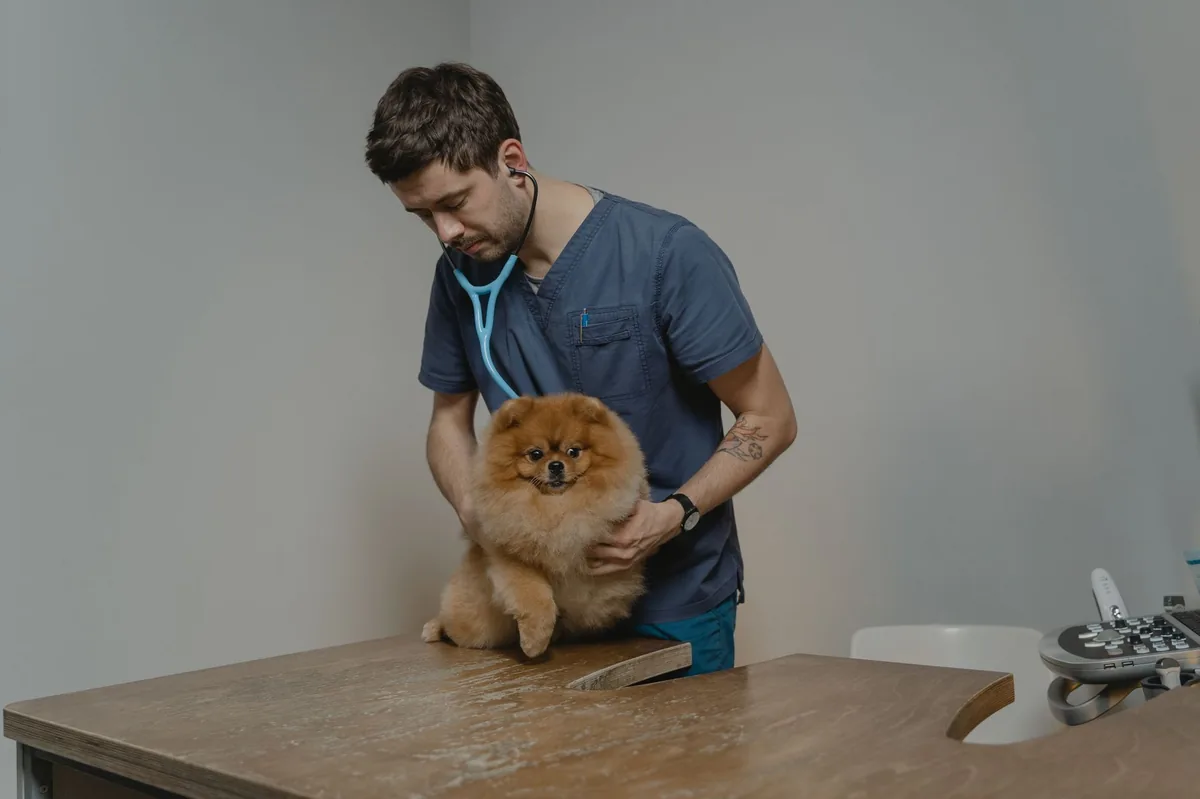
When to call your vet
Call your vet today if your dog shows any of the following:
- Diarrhea lasting more than 48 hours.
- Vomiting more than twice in 24 hours.
- Signs of dehydration (dry gums, skin tenting, lethargy).
- Fever, loss of appetite, or a noticeable drop in weight.
Go to an emergency clinic now if you see any of these red‑flag signs:
- Profuse watery diarrhea with blood or mucus.
- Severe lethargy or collapse.
- Rapid breathing or a heart rate > 140 bpm.
- Persistent vomiting that prevents keeping fluids down.
This article is for informational purposes only and does not replace a hands‑on veterinary exam.
How vets diagnose it
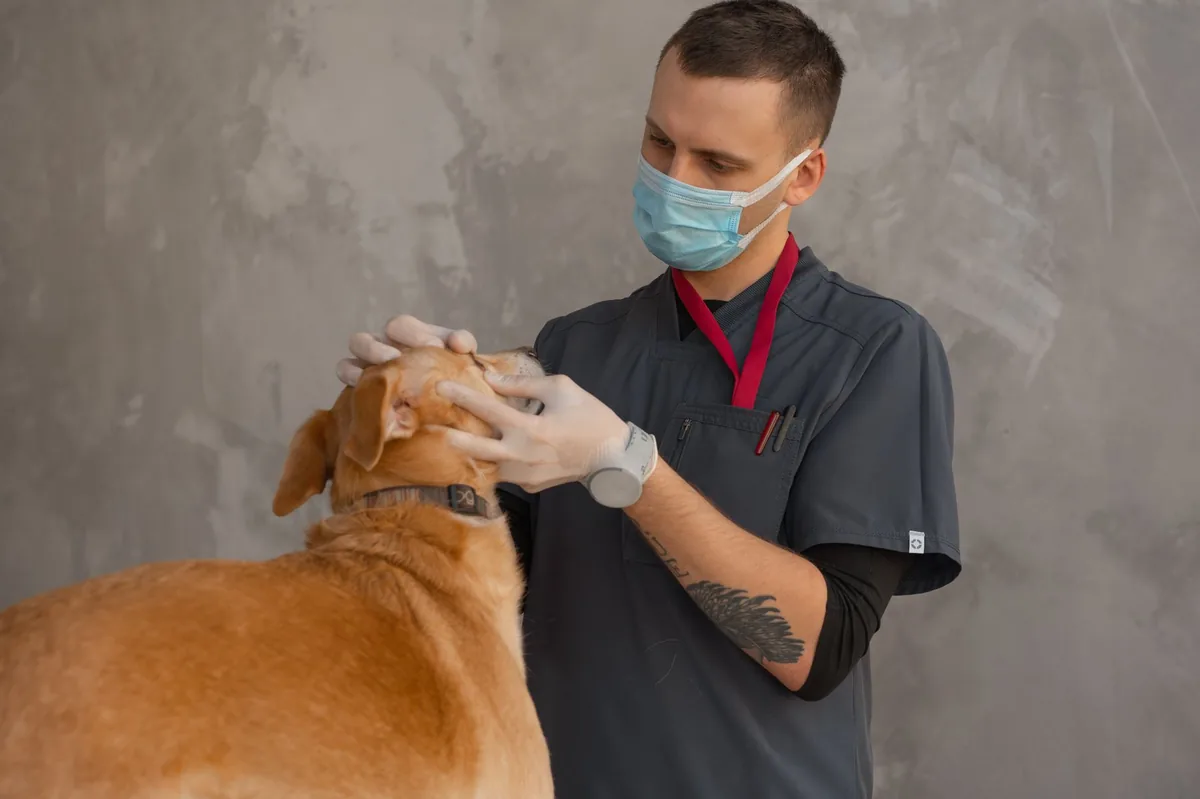
Diagnosing rotavirus involves ruling out other causes of gastroenteritis and confirming the virus’s presence. Your vet will typically follow these steps:
- History & physical exam: The vet asks about recent exposures, diet changes, and vaccination status, then checks hydration, temperature, and abdominal tenderness.
- Fecal tests: A fresh stool sample is sent for a PCR (polymerase chain reaction) panel, which can detect rotavirus DNA with high sensitivity. Some labs also offer ELISA (enzyme‑linked immunosorbent assay) kits for a quicker, though slightly less sensitive, result.
- Complete blood count (CBC): Helps assess dehydration and rule out bacterial infection.
- Additional imaging (if needed): Abdominal ultrasound is rarely required for rotavirus but may be ordered if complications are suspected.
Most veterinary practices follow the guidelines set by the American College of Veterinary Internal Medicine (ACVIM) for viral GI disease work‑ups, ensuring a thorough yet efficient diagnosis.
Treatment options
Medical treatment
There is no specific antiviral drug for canine rotavirus, so treatment focuses on supportive care. Commonly used medications include:
- Anti‑emetics: Maropitant (Cerenia) or metoclopramide to control vomiting.
- Prokinetics: Cisapride (when available) or metoclopramide to promote gut motility.
- Antibiotics: Broad‑spectrum antibiotics such as amoxicillin‑clavulanate are sometimes prescribed if a secondary bacterial infection is suspected, but they do not treat the virus itself.
- Probiotics: Products containing Enterococcus faecium or Lactobacillus spp. can help restore normal gut flora—ask your vet about a suitable brand.
All medication decisions are tailored to your dog’s weight, age, and severity, so discuss the options with your veterinarian.
Supplements and supportive care
Supportive care is the cornerstone of recovery:
- Fluid therapy: Subcutaneous (SQ) fluids at home or intravenous (IV) fluids in the clinic correct dehydration and electrolyte imbalances.
- Electrolyte solutions: Oral rehydration solutions (e.g., Pedialyte unflavored) can be given in small, frequent doses if the dog can keep fluids down.
- Omega‑3 fatty acids: EPA/DHA supplements may reduce intestinal inflammation, but they are not a cure—ask your vet about dosing.
- Vitamin B‑complex: May support gut health during recovery; again, confirm with your vet.
Procedures or surgery
Rotavirus does not usually require surgery. In rare cases where severe dehydration leads to secondary complications (e.g., intestinal perforation from an unrelated cause), surgical intervention might be needed. Recovery from such procedures can take 7‑10 days and costs vary widely.
Diet and nutrition
Feeding the right diet while your dog recovers from rotavirus can make a big difference in how quickly the gut heals and how comfortable your pup feels. The goal is to provide easily digestible nutrition, maintain hydration, and avoid anything that could further irritate the inflamed intestines.
What to feed
- Highly digestible protein: Boiled chicken breast, skinless turkey, or low‑fat cottage cheese. These foods are gentle on the stomach and supply essential amino acids for tissue repair.
- Simple carbohydrates: White rice, plain boiled potatoes, or canned pumpkin (unsweetened). They provide quick energy without overloading the gut.
- Hydration boosters: Add a splash of low‑sodium broth to meals, or offer a commercial electrolyte solution designed for dogs.
- Prescription therapeutic diets: If your vet recommends, a “gastrointestinal recovery” diet (e.g., Hill’s i/d, Royal Canin Gastrointestinal) can supply balanced nutrients while being easy on the gut.
What to limit or avoid
- Fatty foods and table scraps—high fat can worsen diarrhea.
- Dairy products (except low‑fat cottage cheese) if your puppy shows any lactose intolerance.
- Highly fibrous foods like raw carrots or bran, which can be hard to digest during inflammation.
- Spices, seasonings, and artificial sweeteners (especially xylitol, which is toxic to dogs).
When transitioning back to regular kibble, do so gradually over 3‑5 days: mix 25 % new food with 75 % boiled chicken/rice on day 1, then increase the new food portion each day. This “step‑up” approach reduces the risk of relapse.
| Food category | Do feed | Limit | Avoid |
|---|---|---|---|
| Protein | Boiled chicken, turkey, low‑fat cottage cheese | Lean ground beef (small amounts) | Fatty cuts, processed meats |
| Carbs | White rice, boiled potatoes, canned pumpkin | Whole grain rice (moderate) | Whole wheat bread, raw veggies high in fiber |
| Fats | Small amount of fish oil (omega‑3) | Butter or oil | Fried foods, heavy sauces |
| Treats | Plain low‑fat yogurt (if tolerated) | Commercial treats | Chocolate, grapes, raisins |
Keep meals small (2‑3 times a day) and watch for any relapse of diarrhea. If stool consistency worsens after a particular food, pause that ingredient and discuss with your vet. Good nutrition not only speeds recovery but also supports the immune system, reducing the chance of a secondary infection.
Cost and prognosis
Most rotavirus cases resolve with supportive care, and the prognosis for healthy puppies is generally good. However, costs can vary based on the severity and required interventions:
- At‑home care: Electrolyte solution and probiotic supplements – US $20‑$40, UK £15‑£30.
- Veterinary visit: Exam fee + basic fecal PCR test – US $150‑$250, UK £120‑£200.
- IV fluid therapy (if needed): Hospitalization for 24‑48 hours – US $300‑$800, UK £250‑£600.
- Prescription gastrointestinal diet (optional): Monthly bag – US $45‑$70, UK £35‑£55.
Overall, most owners spend between US $200‑$500 for a full course of treatment and follow‑up. The survival rate for uncomplicated rotavirus infection is high—over 90 % of puppies recover fully when dehydration is promptly addressed.
Prevention and home care
Because rotavirus spreads via feces, hygiene is the most effective preventive tool. Follow these simple steps:
- Clean and disinfect: Use a bleach‑based cleaner (1 % sodium hypochlorite) on all surfaces, bowls, and toys daily during an outbreak.
- Separate sick puppies: Isolate any showing symptoms in a clean, well‑ventilated area until they’re symptom‑free for at least 48 hours.
- Vaccination: While a dedicated rotavirus vaccine isn’t standard in the US, many multivalent canine vaccines include a rotavirus component in Europe and Australia. Check with your vet about regional recommendations.
- Hand hygiene: Wash hands thoroughly after handling a sick dog, especially before feeding or touching other pets.
- Monitor new arrivals: Quarantine new dogs for at least two weeks and run a fecal PCR screen if possible.
For kennel owners, a daily cleaning protocol and routine fecal PCR testing can dramatically cut the spread. The PuppaDogs community forum is a great place to exchange practical sanitation tips with other owners.
From our vet team: “Most rotavirus cases are mild and resolve with diligent hydration and a bland diet. The biggest risk is dehydration, so keep a close eye on water intake and don’t hesitate to bring your puppy in for IV fluids if you’re unsure.”
Key takeaways
- Rotavirus causes watery diarrhea, especially in puppies under 12 weeks, but most cases are mild.
- Keep your dog hydrated with electrolyte solutions and seek veterinary help if dehydration signs appear.
- Diagnosis is confirmed with a fecal PCR test; treatment is supportive, not antiviral.
- Feed a bland, highly digestible diet and avoid fatty or high‑fiber foods during recovery.
- Good hygiene, isolation of sick dogs, and possible vaccination (where available) are the best prevention tools.
- Typical treatment costs range from $200‑$500 in the US, with a high (> 90 %) chance of full recovery when managed promptly.
Myth vs. fact
Myth: Rotavirus is the same as parvovirus and equally deadly.
Fact: Rotavirus usually causes milder symptoms and has a far better prognosis than parvovirus, which can be life‑threatening.
Myth: You can treat rotavirus at home with over‑the‑counter human medications.
Fact: Human anti‑diarrheal drugs (like loperamide) are unsafe for dogs; always use vet‑approved treatments and supportive care.
Myth: Once a dog recovers, it will never get rotavirus again.
Fact: Dogs can be re‑infected, especially if exposed to a contaminated environment, so continued hygiene is essential.
Frequently asked questions
What are the signs of rotavirus infection in dogs?
Typical signs include watery diarrhea (often without blood), occasional vomiting, reduced appetite, and mild fever. In severe cases, dehydration, lethargy, and fever above 104 °F may develop.
Can dogs get rotavirus from other animals?
Yes. Rotavirus can spread between dogs, cats, and even wildlife through contaminated feces or shared environments. Cross‑species transmission is uncommon but possible, especially in multi‑pet households.
How is rotavirus diagnosed in dogs?
Veterinarians collect a fresh stool sample and run a PCR panel, which detects rotavirus DNA with high sensitivity. Some clinics also use ELISA kits for a quicker, though slightly less sensitive, result.
Is rotavirus in dogs fatal?
In healthy puppies, rotavirus is rarely fatal. The main danger is dehydration; with prompt fluid therapy, most dogs recover fully. Puppies with underlying health issues or severe dehydration have a higher risk.
What treatments are effective for canine rotavirus?
Supportive care is key: fluid therapy (oral or IV), anti‑emetics like maropitant, probiotics, and a bland diet. Antibiotics are only used if a secondary bacterial infection is suspected.
How can I prevent my dog from getting rotavirus?
Maintain strict hygiene—clean bowls, toys, and surfaces daily; isolate sick dogs; practice hand washing; and consider vaccination where available. Quarantining new arrivals for two weeks also reduces risk.
Ask the PuppaDogs community
Have a question this article didn’t fully answer? Want to compare notes with other dog owners who’ve been through this? Our community forum is moderated by experienced owners and vets — and answers tend to come fast. Ask in the PuppaDogs community →
References
- American Veterinary Medical Association (AVMA). “Viral Gastroenteritis in Dogs.” 2023.
- American College of Veterinary Internal Medicine (ACVIM). “Guidelines for Diagnosis of Canine Viral Enteritis.” 2022.
- Merck Veterinary Manual. “Rotavirus Infections.” Updated 2023.
- World Small Animal Veterinary Association (WSAVA). “Infection Control in Veterinary Clinics.” 2021.
- American Animal Hospital Association (AAHA). “Nutritional Management of Gastrointestinal Disease.” 2022.
- Veterinary Handbook of Small Animal Gastroenterology. Elsevier, 2021.
- European Medicines Agency (EMA). “Multivalent Canine Vaccines – Component Overview.” 2022.
- U.S. Department of Agriculture (USDA). “Guidelines for Disinfection in Animal Facilities.” 2020.


