















Quick take: Hyperparathyroidism in dogs is a rare condition where the parathyroid glands produce too much hormone, leading to high calcium levels. Early signs include increased thirst, urination, and subtle weakness. Diagnosis relies on blood tests and imaging; treatment may be surgery, medication, or diet, and costs vary widely.
It’s 9 p.m., and you’ve just noticed your usually spry Border Collie, Max, dragging his paws across the kitchen floor, sighing as he tries to get to his water bowl. His eyes look a little dull, and when you press gently on his gums, they feel a shade paler than usual. You’ve Googled “why is my dog so tired” and one of the top results mentions hyperparathyroidism — a term you’ve never heard before.
First, take a breath. You’re not alone; many owners discover this condition after an unexpected change in their dog’s energy or bathroom habits. In this article we’ll explain what hyperparathyroidism is, how it shows up, how vets confirm it, what treatment paths exist, what you might expect to pay, and how you can help prevent it in the future. By the end you’ll have a clear plan for the next steps and know exactly when to call your veterinarian.
What is hyperparathyroidism in dogs?
Hyperparathyroidism occurs when the parathyroid glands — two tiny glands located behind the thyroid in the neck — secrete excessive amounts of parathyroid hormone (PTH). PTH regulates calcium and phosphorus balance by telling the kidneys, bones, and intestines to keep more calcium in the bloodstream. When too much PTH circulates, calcium levels rise (hypercalcemia) and phosphorus drops.
There are two main forms:
- Primary hyperparathyroidism – a single parathyroid gland (or rarely both) becomes overactive, usually because of a benign tumor called an adenoma. This form accounts for most canine cases.
- Secondary hyperparathyroidism – the glands react to low calcium caused by another disease, such as chronic kidney disease or vitamin D deficiency. The glands themselves are normal; they’re simply responding to an underlying problem.
Overall, hyperparathyroidism is uncommon, estimated at roughly 0.1–0.2 % of all dogs seen in specialty referral hospitals (AAHA 2023). Certain breeds — including Miniature Schnauzers, Dalmatians, and English Bulldogs — appear slightly over‑represented, but it can affect any age or breed.
What causes it?
Understanding the root of excess PTH helps guide treatment. The causes fall into three broad categories:
| Category | Typical cause | Notes |
|---|---|---|
| Primary | Parathyroid adenoma or carcinoma | Most common; usually a single benign tumor. |
| Secondary | Chronic kidney disease, vitamin D deficiency, or intestinal malabsorption | Glands overreact to low calcium. |
| Tertiary (rare) | Long‑standing secondary hyperparathyroidism leading to autonomous gland growth | Seen in dogs with severe, untreated kidney disease. |
Genetic predisposition appears modest; the breed trends noted by the American Kennel Club (AKC) likely reflect underlying metabolic quirks. Environmental factors such as prolonged exposure to high‑calcium diets (e.g., excessive dairy or bone meal) are not a primary driver but can exacerbate existing disease.
Signs and symptoms
Hyperparathyroidism often sneaks in quietly. Early or mild signs can be mistaken for normal aging:
- Increased thirst (polydipsia) and urination (polyuria)
- Loss of appetite or picky eating
- Subtle lethargy or reduced play drive
- Occasional vomiting or mild constipation
As calcium climbs, more obvious problems emerge:
| Severity | Clinical signs |
|---|---|
| Mild | Noticeable thirst, slight weight loss, pale gums. |
| Moderate | Muscle weakness, intermittent vomiting, constipation, occasional lameness from calcium deposits in joints. |
| Severe | Severe weakness, inability to stand, kidney stones, calcification of soft tissues (including heart), sudden collapse. |
Because hypercalcemia can affect the kidneys, you might also see cloudy urine or signs of kidney strain. In some dogs, calcium deposits form in the eyes (band keratopathy) or the urinary tract, leading to painful urination.
When to call your vet
Call your regular vet today if you notice any of the following:
- Persistent increased thirst or urination lasting more than a few days.
- Noticeable loss of appetite, weight loss, or reduced activity.
- Pale or bluish gums on gentle pressure.
- Vomiting or constipation that doesn’t resolve within 24 hours.
Go to an emergency veterinary hospital right now if your dog:
- Can’t stand or appears to be in severe pain.
- Shows signs of a heart rhythm problem (e.g., fainting, rapid breathing).
- Has stopped urinating completely.
These red‑flag signs suggest life‑threatening hypercalcemia that needs immediate IV fluids and calcium‑lowering therapy.
This article provides general information and is not a substitute for professional veterinary care.
How vets diagnose it
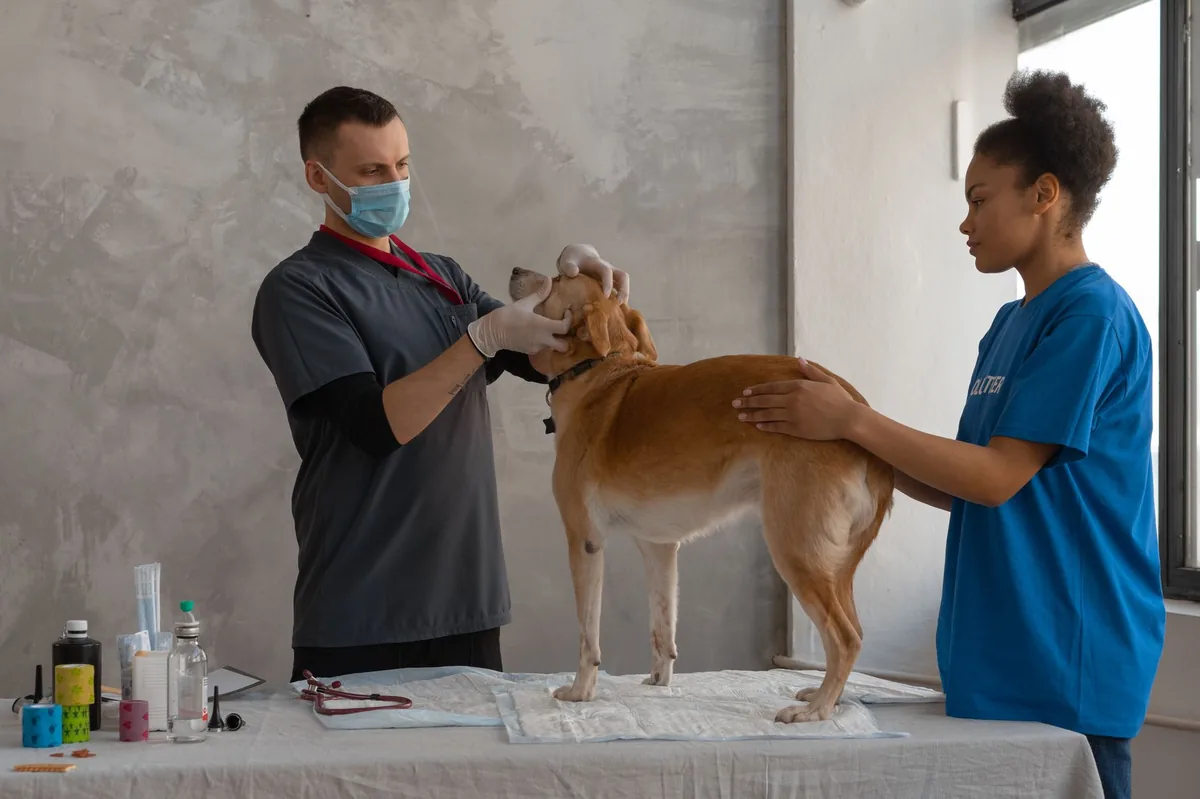
Diagnosing hyperparathyroidism is a stepwise process. Your vet will start with a thorough history and physical exam, then move to targeted labs and imaging.
- Blood chemistry panel – looks for elevated total calcium (hypercalcemia) and low phosphorus. The calcium/creatinine ratio helps differentiate renal causes.
- Parathyroid hormone (PTH) assay – measures circulating PTH. In primary hyperparathyroidism, PTH is inappropriately high relative to the calcium level. In secondary disease, PTH is also high but usually reflects low calcium.
- Ionized calcium – the biologically active form of calcium; often more accurate than total calcium.
- Urinalysis – checks for calcium oxalate crystals or signs of kidney strain.
- Imaging – neck ultrasound can locate an enlarged parathyroid gland; a CT scan provides a detailed view if surgery is planned. X‑rays may reveal calcium deposits in soft tissues.
- Additional tests – if kidney disease is suspected, a renal panel (SDMA, BUN, creatinine) and possibly a renal ultrasound are added.
The American College of Veterinary Internal Medicine (ACVIM) recommends confirming both hypercalcemia and an elevated PTH level before labeling a case as primary hyperparathyroidism.
Treatment options
Medical treatment
When surgery isn’t feasible or while awaiting an operation, veterinarians may use medications to lower calcium:
- Bisphosphonates (e.g., pamidronate) – inhibit bone resorption; often given intravenously.
- Calcitonin – a hormone that reduces calcium release from bone; used short‑term in emergencies.
- Loop diuretics (e.g., furosemide) – increase calcium excretion via the kidneys, but only under close monitoring.
- Corticosteroids – may be added if an inflammatory component exists, but they can affect calcium metabolism.
All drug choices require dosage adjustments based on weight and kidney function, so ask your vet about these options and let them tailor the plan.
Supplements and supportive care
While supplements can’t replace medical therapy, certain adjuncts support overall health:
- Omega‑3 fatty acids (EPA/DHA) – reduce inflammation and may help protect kidneys during calcium fluctuations.
- Probiotics – maintain gut health, especially if the dog is on a low‑calcium diet that alters intake.
- Vitamin B‑complex – can aid energy metabolism in dogs feeling fatigued.
These supplements should be introduced after discussing them with your veterinarian, as excess calcium‑binding agents could worsen hypercalcemia.
Procedures or surgery
The definitive cure for primary hyperparathyroidism is surgical removal of the overactive gland (parathyroidectomy). The procedure is typically done under general anesthesia, often via a ventral cervical approach. Surgeons may use intra‑operative PTH monitoring to confirm that the hypersecreting tissue has been excised.
Recovery usually involves a short hospital stay (1–2 days) for pain control and calcium monitoring. Most dogs return to normal activity within 2–3 weeks, though a gradual return to full exercise is advised.
Potential complications include temporary low calcium (hypocalcemia), bleeding, or damage to nearby structures such as the recurrent laryngeal nerve. Your vet will discuss these risks and provide post‑operative instructions.
Diet and nutrition
Nutrition plays a supportive role in managing hyperparathyroidism, especially when calcium levels are high. The goal is to provide a balanced diet that avoids excess calcium while supporting kidney function.
Foods to favor are those that are low in calcium but high in high‑quality protein. Commercial therapeutic diets labeled “renal” or “low‑phosphorus” often meet these criteria, but you don’t need a prescription brand if you can formulate a home‑cooked plan with veterinary guidance.
Key nutrients:
- Highly digestible protein – helps maintain muscle mass without overloading the kidneys.
- Low‑phosphorus ingredients – such as white rice, sweet potato, and limited egg whites.
- Moderate sodium – supports fluid balance; avoid extremely high‑salt treats.
Foods to limit or avoid include:
| Category | Examples | Reason |
|---|---|---|
| High‑calcium foods | Dairy products, bone meal, canned fish with bones | Can worsen hypercalcemia. |
| High‑phosphorus treats | Organ meats, certain cheeses, bone‑in‑food | Strain kidneys and interfere with calcium balance. |
| Excessive vitamin D supplements | Fish oil capsules with added vitamin D | Can raise calcium absorption. |
When transitioning to a new diet, do it gradually over 7–10 days to prevent gastrointestinal upset. Start with 25 % new food mixed with 75 % old, then increase the new portion every few days. Offer fresh water at all times; adequate hydration helps the kidneys flush excess calcium.
If your dog is already on a therapeutic renal diet, your vet may suggest adding a calcium‑binding supplement such as aluminum hydroxide, but only under supervision. For homemade diets, a common recipe includes boiled chicken breast, white rice, and a small amount of pumpkin puree for fiber. Always have a veterinary nutritionist review the homemade plan to ensure it meets AAFCO nutrient profiles.
During recovery after surgery, many vets recommend feeding smaller, more frequent meals (e.g., 3–4 meals per day) to ease digestive load and maintain stable calcium levels. A short list of safe snack options includes sliced apple (no seeds), green beans, and plain low‑fat yogurt (if tolerated).
Cost and prognosis
Financial considerations are part of any veterinary decision. Below are typical cost ranges in the United States and United Kingdom, adjusted for regional differences. Prices can vary based on practice type, geographic location, and whether additional diagnostics are needed.
| Item | US Estimate | UK Estimate |
|---|---|---|
| Initial blood chemistry + PTH assay | $150–$300 | £120–£250 |
| Neck ultrasound | $200–$350 | £150–£300 |
| CT scan (if needed) | $600–$1,200 | £500–£1,000 |
| Surgical parathyroidectomy | $2,000–$4,500 | £1,500–£3,000 |
| Post‑op hospitalization (24‑48 h) | $500–$1,000 | £400–£800 |
| Medical management (bisphosphonate series) | $300–$800 | £250–£600 |
| Long‑term dietary therapy (prescription food) | $60–$120/month | £40–£90/month |
Prognosis depends on the underlying type and how quickly treatment begins. Dogs with primary hyperparathyroidism that undergo successful parathyroidectomy have a reported 85–95 % survival rate and often return to normal activity within weeks (Merck Veterinary Manual). Those managed medically may require lifelong monitoring but can live a comfortable life if calcium remains controlled.
Potential complications include persistent hypercalcemia, kidney damage from prolonged calcium excess, or post‑surgical hypocalcemia, which can be life‑threatening if not addressed promptly.
Prevention and home care
Because primary hyperparathyroidism stems from glandular tumors, there’s no guaranteed way to prevent it. However, owners can reduce secondary causes and support overall health:
- Maintain regular veterinary wellness exams, especially for senior dogs, to catch early kidney or vitamin‑D issues.
- Provide a balanced diet that meets AAFCO standards and avoids excessive calcium or phosphorus.
- Ensure fresh water is always available; adequate hydration helps the kidneys excrete excess calcium.
- Monitor urine volume and quality; a sudden change can signal calcium‑related kidney stress.
- Ask your vet about routine blood chemistry panels (including calcium) at least annually for dogs over 7 years old.
After surgery, your vet will likely schedule follow‑up blood work at 1 week, 1 month, and then every 6 months. Keep a log of your dog’s water intake, appetite, and any new symptoms to share at each visit. Early detection of a calcium rise can prevent a return of clinical signs.
From our vet team: “If your dog’s calcium is high, we’ll first confirm whether the parathyroid gland itself is the problem or if another disease is driving it. Surgical removal offers a cure for primary cases, but the decision hinges on your dog’s overall health, age, and your comfort with the cost. Regardless of the route, diligent monitoring and a low‑calcium diet are the backbone of successful long‑term management.”
Key takeaways
- Hyperparathyroidism causes high blood calcium; early signs are increased thirst, urination, and subtle fatigue.
- Diagnosis requires both a blood calcium panel and a PTH assay; imaging locates the overactive gland.
- Surgical removal of the affected gland offers the best chance for cure, while medication and diet help control calcium when surgery isn’t possible.
- Costs vary widely—expect $150–$300 for labs, $2,000–$4,500 for surgery, and ongoing monthly food expenses.
- Regular veterinary check‑ups, a low‑calcium diet, and vigilant monitoring of water intake can help prevent secondary hyperparathyroidism.
Myth vs. fact
Myth: Hyperparathyroidism is always caused by a malignant tumor.
Fact: Most canine cases involve a benign adenoma; malignancy (parathyroid carcinoma) is rare.
Myth: A low‑calcium diet can cure primary hyperparathyroidism.
Fact: Diet helps manage calcium levels but does not remove the overactive gland; surgery remains the definitive treatment.
Myth: Once calcium normalizes, the disease is gone.
Fact: Even after successful surgery, dogs need periodic blood work to ensure calcium stays within range and to catch any recurrence early.
Frequently asked questions
What is the typical cost of parathyroidectomy for a dog?
In the United States, the total cost—including pre‑operative labs, anesthesia, surgery, and a short hospital stay—usually falls between $2,000 and $4,500; in the United Kingdom, estimates range from £1,500 to £3,000.
Is hyperparathyroidism contagious?
No, hyperparathyroidism is not an infectious disease; it results from a glandular tumor or a metabolic response to another condition, so it cannot be passed between dogs.
How long does recovery take after parathyroid surgery?
Most dogs are comfortable enough to go home after 1–2 days of observation; full return to normal activity typically occurs within 2–3 weeks, with a gradual increase in exercise as advised by the vet.
Can hyperparathyroidism lead to kidney failure?
Yes, prolonged high calcium can damage the kidneys and increase the risk of kidney stones, potentially contributing to chronic kidney disease if the condition remains untreated.
Are there any home remedies that can lower calcium levels?
There are no proven home remedies that safely lower calcium; only veterinary‑prescribed medications, surgery, and a controlled diet have demonstrated effectiveness. Always discuss any supplement or supplement regimen with your vet first.
Ask the PuppaDogs community
Have a question this article didn’t fully answer? Want to compare notes with other dog owners who’ve been through this? Our community forum is moderated by experienced owners and vets — and answers tend to come fast. Ask in the PuppaDogs community →
References
- American Animal Hospital Association (AAHA) 2023 Canine Hyperparathyroidism Guidelines.
- American College of Veterinary Internal Medicine (ACVIM) Consensus Statement on Hypercalcemia in Dogs.
- Merck Veterinary Manual, “Hyperparathyroidism” entry.
- Cornell University College of Veterinary Medicine, “Parathyroid Disorders” lecture notes.
- American Veterinary Medical Association (AVMA) – Veterinary Oncology Resources.
- World Small Animal Veterinary Association (WSAVA) – Nutritional Recommendations for Renal and Calcium Disorders.
- AKC Breed Health Survey, 2022.
- UC Davis Veterinary Medicine, “Canine Hypercalcemia Diagnostic Approach.”
- Plumb’s Veterinary Drug Handbook – Bisphosphonate usage in dogs.
- International Renal Interest Society (IRIS) – Staging of Chronic Kidney Disease.


