
















Quick take: Histoplasmosis in dogs is a fungal infection you can catch from soil contaminated with bird or bat droppings. Early signs include coughing, weight loss, and skin lesions. Prompt veterinary testing and a several‑month course of antifungal medication usually lead to a good outcome, but treatment can be costly and requires close monitoring.
It’s 9 p.m., you’re on the couch and your normally‑boisterous Boxer flops onto the floor, breathing a little faster than usual. You notice his gums look a shade paler, and a few small, crusty spots have appeared on his nose and paws. Your mind jumps to the “worst‑case” list you’ve Googled before—cancer, heart disease, maybe something you missed during the last check‑up. The anxiety spikes, and you start typing “histoplasmosis in dogs” into the search bar.
Many owners describe that exact moment: a sudden change in energy, a strange skin lesion, or a lingering cough that just won’t quit. While the word “fungus” can sound scary, most cases are treatable when caught early. In this article, we’ll walk you through what histoplasmosis is, how dogs pick it up, what to look for, how vets confirm the diagnosis, treatment options, costs, and steps you can take to keep your pup safe.
What is histoplasmosis in dogs?
Histoplasmosis is an infection caused by the fungus Histoplasma capsulatum. The organism lives in soil that’s rich in bird or bat droppings. When the soil is disturbed, tiny spores become airborne, and a dog can inhale them or get them onto its skin or paws. Inside the body, the fungus can spread to the lungs, lymph nodes, skin, eyes, and even the brain.
In dogs, histoplasmosis is considered uncommon but not rare. The American Veterinary Medical Association (AVMA) notes that most cases occur in regions with warm, humid climates—particularly the Ohio and Mississippi River valleys in the United States, as well as parts of Central and South America. However, because the fungus can travel on wind or be carried on shoes and equipment, cases have been reported worldwide.
What causes it?
The infection stems from exposure to fungal spores in the environment. Below are the main risk factors:
| Risk factor | How it contributes |
|---|---|
| Geographic location | Living or traveling in endemic areas with high spore counts. |
| Outdoor activities | Hiking, digging, or playing in areas with bird roosts or bat caves. |
| Age and immune status | Young puppies and older dogs, or those on immunosuppressive drugs, are more vulnerable. |
| Breed predisposition | No single breed is markedly predisposed, but larger breeds often have higher exposure due to outdoor work. |
Transmission is not dog‑to‑dog. Dogs acquire the fungus directly from the environment; they do not spread it to other pets or humans.
Signs and symptoms
Histoplasmosis can affect many organ systems, so the clinical picture varies. Early signs are often subtle and can be mistaken for other ailments.
| Severity | Typical signs |
|---|---|
| Mild | Occasional cough, slight weight loss, small skin nodules or crusty lesions. |
| Moderate | Persistent cough, noticeable lethargy, enlarged lymph nodes, ocular discharge, or ulcerated skin lesions. |
| Severe | Difficulty breathing, severe weight loss, fever, widespread skin ulcerations, neurologic signs (e.g., seizures), or organ failure. |
Commonly reported symptoms include:
- Coughing or wheezing (lung involvement)
- Lethargy and reduced appetite
- Weight loss despite normal food intake
- Skin lesions—often papules or ulcerated nodules on the nose, paws, or abdomen
- Enlarged lymph nodes that feel firm or rubbery
- Eye problems like uveitis or discharge
- Fever that comes and goes
When to call your vet
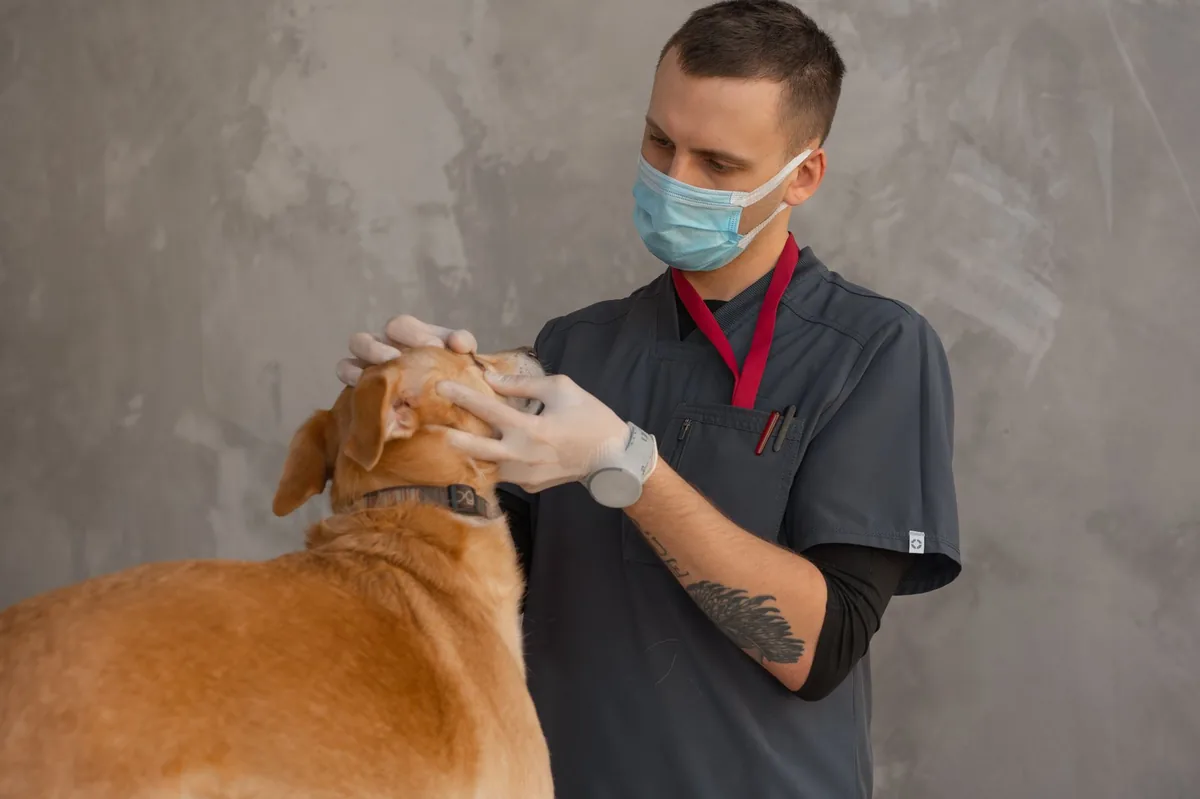
Call your vet today if you notice any of the mild to moderate signs listed above—especially a persistent cough, unexplained weight loss, or new skin lesions. Early evaluation can lead to a quicker diagnosis and a smoother treatment course.
Go to an emergency veterinary hospital right now if your dog shows any severe signs, such as:
- Labored or rapid breathing
- Sudden collapse or weakness
- Neurologic symptoms (seizures, disorientation)
- Bleeding from the nose or gums
- High fever (>104 °F) that doesn’t respond to antipyretics
These red‑flag signs indicate that the infection may be advancing quickly and require immediate supportive care.
This article provides general information and should not replace a hands‑on examination by your veterinarian.
How vets diagnose it
Diagnosing histoplasmosis involves a combination of history, physical exam, and targeted tests. Your vet will typically follow these steps:
- History and exposure assessment – Where does your dog spend time? Recent trips to caves, barns, or old buildings raise suspicion.
- Physical examination – Checking lungs, skin lesions, lymph nodes, and eyes.
- Blood work – A complete blood count (CBC) and chemistry panel often reveal anemia, elevated liver enzymes, or inflammatory markers.
- Imaging – Thoracic radiographs (X‑rays) can show lung nodules or infiltrates; abdominal ultrasound may reveal enlarged lymph nodes or organ lesions.
- Fungal culture – Samples from skin lesions, lymph node aspirates, or bronchoalveolar lavage fluid are placed on special media. Growth can take 2–4 weeks.
- Polymerase chain reaction (PCR) – Detects fungal DNA directly from tissue or fluid, offering a faster result than culture.
- Serology – Antibody tests (e.g., complement fixation) measure the immune response to Histoplasma. Positive titers support exposure but must be interpreted with clinical signs.
Because no single test is definitive, vets often combine several results. The American College of Veterinary Internal Medicine (ACVIM) recommends confirming the diagnosis with either culture or PCR alongside compatible clinical findings.
Treatment options
Medical treatment
Antifungal drugs are the cornerstone of therapy. The most commonly used agents, all of which are prescription‑only, include:
- Itraconazole – a triazole antifungal that concentrates in the lungs and skin.
- Fluconazole – often chosen for its excellent penetration into the central nervous system.
- Amphotericin B – reserved for severe or disseminated disease because of its potency and potential kidney toxicity.
Typical treatment lasts 6–12 months, depending on disease severity and response. Your vet will monitor blood work regularly to watch for liver or kidney side effects. Ask your vet about the possibility of using itraconazole or fluconazole for your dog’s specific case.
Supplements and supportive care
While supplements cannot replace antifungal drugs, they can help your dog stay strong during long treatment courses:
- Omega‑3 fatty acids (EPA/DHA) – Reduce inflammation and support skin health. Look for a high‑quality fish‑oil supplement formulated for dogs.
- Probiotics – May help maintain gut flora when antibiotics are part of the regimen.
- Vitamin C – Antioxidant support; however, high doses should be discussed with your vet because they can affect certain antifungals.
These adjuncts are optional, and you should always ask your vet before adding any supplement.
Procedures or surgery
Surgery is rarely needed but may be considered if a localized skin lesion or lymph node is causing obstruction or ulceration that isn’t responding to medication. The procedure typically involves excision under general anesthesia, followed by a short recovery period (1–2 weeks). Costs vary widely—expect a range of $1,200–$3,500 in the United States, depending on the complexity and facility.
Diet and nutrition
Good nutrition is a silent partner in fighting infection. While there is no “histoplasmosis‑specific” diet, feeding a balanced, highly digestible diet helps your dog maintain body condition and supports immune function.
What to feed
- High‑quality protein – Choose foods with real meat as the first ingredient. Protein helps rebuild tissue damaged by infection.
- Easily digestible carbohydrates – Cooked sweet potato or rice are gentle on the stomach and provide steady energy.
- Moderate fat – Include healthy fats (fish oil, flaxseed) to supply omega‑3s that curb inflammation.
- Limited sodium – If your dog has concurrent kidney involvement, lower‑salt foods reduce workload on the kidneys.
What to limit or avoid
| Category | Recommendation |
|---|---|
| High‑fat treats | Limit to <5 % of daily calories to avoid excess inflammation. |
| Raw bone diets | Avoid if your dog is immunocompromised; raw meat can harbor additional pathogens. |
| Highly processed kibble | Choose a formula with minimal fillers and artificial preservatives. |
If your dog is losing weight or has a decreased appetite, offer smaller, more frequent meals—four to six times a day—until appetite returns. Warmed food often smells more appealing, and adding a spoonful of low‑sodium broth can entice a reluctant eater.
Some veterinarians recommend therapeutic renal diets when the kidneys are affected, as Histoplasma can sometimes cause secondary kidney inflammation. These diets are formulated to be lower in phosphorus and protein while still providing essential nutrients. Discuss with your vet whether a prescription renal diet (e.g., Hill’s k/d, Royal Canin Renal Support) is appropriate for your dog.
Transition gradually over 5–7 days by mixing increasing amounts of the new food with the current diet. This helps avoid gastrointestinal upset, which can be especially problematic during antifungal therapy.
Finally, keep fresh water available at all times. Hydration supports kidney function and helps flush metabolic waste produced during medication metabolism.
Cost and prognosis
Financial considerations are a real part of any long‑term treatment plan. Below are typical cost ranges (estimates, US and UK) for a full diagnostic and therapeutic course:
| Item | US estimate | UK estimate |
|---|---|---|
| Initial exam & blood work | $150–$300 | £80–£150 |
| Imaging (X‑ray & ultrasound) | $200–$600 | £120–£350 |
| Fungal culture or PCR | $250–$500 | £150–£300 |
| Antifungal medication (6‑month supply) | $800–$2,200 | £500–£1,400 |
| Follow‑up visits (every 4–6 weeks) | $100–$250 total | £60–£150 total |
| Potential surgery (if needed) | $1,200–$3,500 | £800–£2,200 |
Pet insurance can offset many of these expenses. Policies that cover “infectious diseases” and “long‑term medication” typically reimburse 70‑90 % after the deductible, but pre‑existing condition clauses apply. Check your insurer’s specific language and consider adding a “fungal infection” rider if available.
Prognosis varies with disease extent and how quickly treatment starts. According to the Merck Veterinary Manual, dogs with localized pulmonary or cutaneous disease have a good to excellent (>80 %) chance of full recovery when treated promptly. Disseminated or neurologic involvement lowers the success rate to roughly 50‑60 %, and may require more aggressive therapy.
Prevention and home care
Because histoplasmosis originates from the environment, the best defense is limiting exposure:
- Avoid high‑risk areas – Keep dogs away from bird roosts, bat caves, old sheds, and damp basements where spores thrive.
- Control dust – When cleaning areas with bird droppings, wear a mask and keep your dog out of the room until the area is thoroughly ventilated.
- Use protective gear – If you must walk your dog in a known endemic zone, consider a lightweight, breathable dog mask (though not all dogs tolerate them).
- Regular veterinary check‑ups – Annual exams can catch early respiratory or skin changes before they progress.
- Vaccination – No vaccine exists for histoplasmosis in dogs, so focus on environmental management.
After treatment begins, keep a daily log of your dog’s temperature, appetite, and any side effects from medication. This record helps the vet adjust therapy promptly. If you notice new coughing, swelling, or a change in behavior, contact your vet right away.
For ongoing support, you might find our medication cost calculator useful for budgeting, or read more about common fungal infections in dogs on our Q&A hub.
From our vet team: Histoplasmosis can feel overwhelming, but remember that most dogs respond well to antifungal therapy if caught early. Keep a close eye on any cough or skin changes, and don’t hesitate to call your vet at the first sign of trouble. Early, consistent treatment paired with supportive nutrition gives your dog the best chance for a full recovery.
Key takeaways
- Histoplasmosis is a fungal infection from soil contaminated with bird or bat droppings; it’s treatable but requires months of antifungal medication.
- Early signs include a persistent cough, weight loss, and skin lesions—watch for these and call your vet promptly.
- Diagnosis combines history, blood work, imaging, and either fungal culture or PCR; no single test is definitive.
- Standard treatment uses itraconazole or fluconazole for 6–12 months, with regular blood monitoring for side effects.
- Nutrition matters: feed high‑quality protein, digestible carbs, and omega‑3 fats while limiting raw bones and high‑fat treats.
- Prevent exposure by avoiding areas with bird or bat droppings and keeping your dog away from dusty, damp environments.
Myth vs. fact
Myth: Dogs can catch histoplasmosis from other dogs.
Fact: The fungus spreads only through inhalation or direct contact with contaminated soil; it is not contagious between dogs.
Myth: There is a vaccine that protects dogs from histoplasmosis.
Fact: No vaccine exists for dogs; prevention relies on environmental management and early detection.
Myth: A short course of antibiotics can cure histoplasmosis.
Fact: Antifungal drugs, not antibiotics, are required, and treatment typically lasts several months.
Frequently asked questions
What does histoplasmosis look like in dogs?
It often presents as a chronic cough, weight loss, and skin lesions that may be papular, ulcerated, or crusty, especially on the nose, paws, or abdomen.
How do vets test for histoplasmosis in pets?
Vets use a combination of blood work, thoracic radiographs, and definitive tests like fungal culture or PCR on tissue samples; serology can support the diagnosis.
Are there vaccines for histoplasmosis in dogs?
No, there is currently no vaccine for dogs. Prevention focuses on minimizing environmental exposure to contaminated soil.
Can a dog survive histoplasmosis without medication?
Spontaneous recovery is rare; untreated infection can become disseminated and life‑threatening. Antifungal therapy greatly improves survival odds.
What are the side effects of antifungal drugs for dogs?
Common side effects include liver enzyme elevation, loss of appetite, and gastrointestinal upset; severe reactions like kidney toxicity can occur with amphotericin B, so regular blood monitoring is essential.
Is histoplasmosis contagious between dogs?
No, the fungus does not spread from dog to dog. Dogs acquire it from the environment, and they do not transmit it to other pets or humans.
Ask the PuppaDogs community
Have a question this article didn’t fully answer? Want to compare notes with other dog owners who’ve been through this? Our community forum is moderated by experienced owners and vets — and answers tend to come fast. Ask in the PuppaDogs community →
References
- American Veterinary Medical Association (AVMA). “Fungal Infections in Dogs.”
- American College of Veterinary Internal Medicine (ACVIM). “Guidelines for Diagnosis of Histoplasmosis.”
- Merck Veterinary Manual. “Histoplasmosis in Dogs” chapter.
- World Small Animal Veterinary Association (WSAVA). “Infectious Disease Management.”
- American Animal Hospital Association (AAHA). “Infection Control Practices.”
- University of California, Davis Veterinary Medicine. “Environmental Risk Factors for Histoplasma.”
- Veterinary Partner. “Antifungal Therapy in Dogs.”
- Pet Insurance Review. “Coverage for Fungal Infections.”


