















Quick take: High blood nitrogen, measured as BUN (blood urea nitrogen), means your dog’s kidneys aren’t clearing waste efficiently. Mild elevations often stem from dehydration or diet; persistent high BUN usually signals kidney disease. Prompt veterinary care, dietary changes, and fluid support can stabilize many dogs, but the outlook depends on the underlying cause.
It’s 9 p.m., the house is quiet, and your 8‑year‑old mixed‑breed Labrador isn’t greeting you at the door. Instead, she lies on the couch, eyes half‑closed, and you notice her gums look a shade paler than usual. You remember the vet’s recent blood work that mentioned a “slightly elevated BUN.” Your heart pounds as you wonder: is this a simple dehydration issue or the start of something more serious?
We get it—you’ve probably Googled “high BUN in dogs” while scrolling through endless forums, trying to separate fact from fear. Below, we break down everything you need to know about blood nitrogen in dogs: what the numbers mean, why they rise, what to watch for, how vets diagnose the problem, treatment options, costs, and how to keep your companion’s kidneys as healthy as possible.
Our guide follows the latest AAHA and ACVIM recommendations, and we’ve linked to trusted resources like the PuppaDogs community forum and our Dog Questions Answered hub for extra support.
What is high levels of blood nitrogen in dogs?
Blood nitrogen refers primarily to BUN—blood urea nitrogen—a waste product formed when the liver breaks down protein. Healthy kidneys filter urea into the urine; when filtration slows, urea builds up in the bloodstream, raising the BUN number. In dogs, normal BUN values range from about 7 to 20 mg/dL (2.5–7.1 mmol/L), though exact reference ranges can vary slightly between labs.
Elevated BUN is a sign, not a disease. It tells us that waste clearance is compromised, but the underlying reason could be anything from a simple lack of water to chronic kidney disease (CKD). Understanding the context—other blood values, urine results, and the dog’s clinical picture—is essential before jumping to conclusions.
What causes high blood nitrogen?
Multiple factors can push BUN upward. The most common categories are:
| Cause | Typical Mechanism |
|---|---|
| Kidney disease | Reduced glomerular filtration rate (GFR) limits urea excretion. |
| Dehydration | Less plasma volume concentrates urea, raising BUN. |
| High‑protein diet | More protein breakdown generates extra urea. |
| Medications | Drugs like corticosteroids or certain antibiotics increase protein catabolism. |
| Obstruction or urinary tract infection | Blockage prevents urea from leaving the body. |
Kidney disease is the most worrisome cause and includes acute kidney injury (AKI) from toxins or infections, as well as chronic progressive disease often seen in senior dogs. Dehydration is a frequent, reversible trigger—especially after vigorous play, heat, or vomiting.
Signs and symptoms
Because BUN is a laboratory value, owners notice the clinical signs that often accompany it. Early changes can be subtle; later stages become unmistakable.
| Severity | Typical Signs |
|---|---|
| Mild | Increased thirst (polydipsia), slightly more frequent urination, reduced energy. |
| Moderate | Pale or grayish gums, loss of appetite, mild vomiting, weight loss. |
| Severe | Severe vomiting or diarrhea, dehydration (skin tenting), confusion or disorientation, seizures, rapid breathing. |
Note that some dogs hide discomfort well. A sudden reluctance to go for walks, a change in the tone of their bark, or a “tired” demeanor can be the first clue that BUN is climbing.
When to call your vet
Call your vet today if you notice any of the following:
- Increased thirst or urination lasting more than 24 hours.
- Reduced appetite or mild vomiting.
- Pale gums or a noticeable drop in energy.
- Recent change to a high‑protein diet or new medication.
Go to an emergency veterinary hospital right now if you see:
- Severe vomiting or diarrhea that won’t stop.
- Signs of dehydration (skin that stays tented, dry mouth).
- Confusion, disorientation, or seizures.
- Sudden inability to urinate (painful straining, no urine output).
These red flags signal that the underlying condition may be life‑threatening and needs immediate attention. This article is for informational purposes only and does not replace professional veterinary care.
How vets diagnose high blood nitrogen
When you bring your dog in, the veterinarian will follow a step‑by‑step work‑up:
- History and physical exam: The vet asks about recent diet changes, water intake, medications, and any observed signs. A hands‑on exam checks gum color, hydration status, and abdominal palpation.
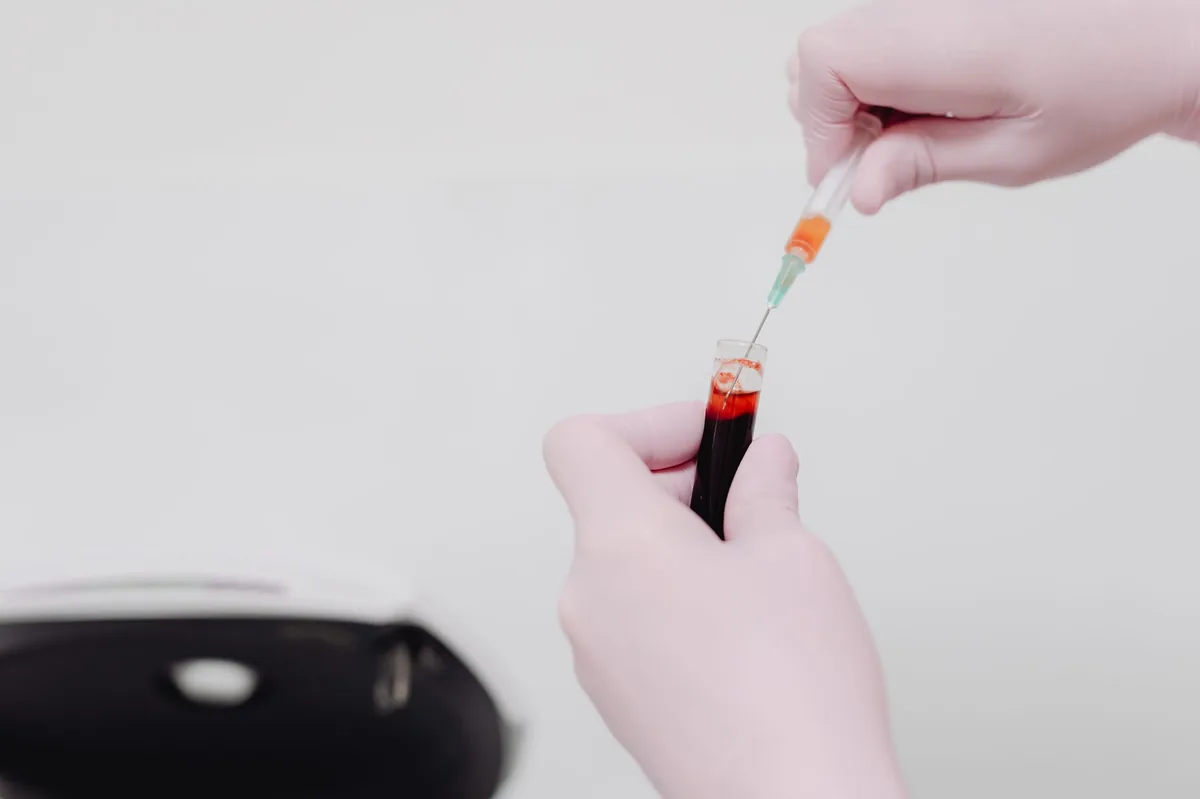
- Blood chemistry panel: This includes BUN, creatinine, electrolytes, and sometimes phosphorus. Creatinine runs alongside BUN; together they help differentiate kidney disease from dehydration.
- Urinalysis: Concentrated urine (high specific gravity) points to dehydration, while dilute urine with protein or blood may indicate kidney injury.
- Imaging: Abdominal ultrasound or X‑rays can reveal kidney size, stones, or urinary obstruction.
- Additional tests: In cases of suspected infection, a urine culture or blood culture may be ordered. For chronic kidney disease, a urine protein‑to‑creatinine ratio helps gauge severity.
All these pieces together let the vet determine whether the high BUN is a reversible issue or part of a larger renal problem.
Treatment options
Medical treatment
Therapy focuses on addressing the cause and supporting kidney function. Common drug classes include:
- Fluid therapy: Intravenous or subcutaneous fluids rehydrate the patient and help flush urea from the bloodstream.
- Antihypertensives: ACE inhibitors (e.g., enalapril) or angiotensin receptor blockers reduce kidney strain when blood pressure is high.
- Antibiotics: If a urinary tract infection is present, your vet may prescribe amoxicillin or another appropriate drug.
- Phosphate binders: For chronic kidney disease, agents like aluminum hydroxide help control phosphorus levels, which can worsen kidney function.
Ask your vet about these options; the exact choice depends on the underlying diagnosis, your dog’s weight, and how advanced the disease is.
Supplements and supportive care
Evidence‑based supplements can complement medical therapy:
- Omega‑3 fatty acids (EPA/DHA): Reduce inflammation and may slow kidney disease progression. Look for veterinary‑grade fish oil.
- Probiotics: Support gut health, which can improve appetite and nutrient absorption in dogs with renal issues.
- Potassium citrate: May help manage metabolic acidosis in some kidney patients, but only under veterinary guidance.
Supplements are not a cure, but they can improve quality of life when paired with proper diet and medication.
Procedures or surgery
In severe or acute cases, more intensive interventions may be needed:
- Dialysis (hemodialysis or peritoneal dialysis): Removes excess urea and toxins directly from the blood. It’s typically reserved for life‑threatening AKI and is available at specialty centers.
- Renal transplant: Rare in veterinary medicine, performed only at a few research hospitals and involves lifelong immunosuppression.
- Urinary tract obstruction removal: If a stone or tumor blocks urine flow, surgery or minimally invasive techniques can relieve the blockage.
These procedures are costly and may not be appropriate for every dog, but they illustrate the full spectrum of care when BUN is critically high.

Diet and nutrition
Nutrition is the cornerstone of managing high blood nitrogen, especially when kidney disease is involved. The goal is to reduce the workload on the kidneys while still providing enough calories and high‑quality protein to keep your dog strong.
Key dietary principles:
- Moderate protein: High‑quality, highly digestible protein (e.g., chicken, turkey) in moderate amounts reduces the amount of urea produced.
- Low phosphorus: Excess phosphorus accelerates kidney damage. Look for foods labeled “renal‑support” or “low phosphorus.”
- Controlled sodium: Too much salt raises blood pressure, straining the kidneys.
- Increased omega‑3s: As noted above, EPA/DHA help control inflammation.
- Hydration: Wet foods or adding water to kibble encourage fluid intake.
Below is a quick reference for what to feed, limit, or avoid:
| Category | Do feed | Limit | Avoid |
|---|---|---|---|
| Protein sources | Cooked chicken, turkey, low‑fat fish | Eggs (moderate) | High‑fat meats, organ meats |
| Carbohydrates | Rice, sweet potato, pumpkin | Whole grains | High‑gluten wheat products |
| Fats | Fish oil supplement, small amounts of olive oil | Butter, heavy cream | Fatty treats, cheese |
| Extras | Low‑sodium broth for palatability | Salted snacks | Table scraps (especially salty or processed) |
Prescription renal diets—such as Hill’s k/D, Royal Canin Renal Support, or Purina EN™—are formulated to meet these guidelines. You don’t have to switch overnight; a gradual transition over 7–10 days helps prevent gastrointestinal upset.
When feeding a home‑cooked diet, consult a veterinary nutritionist to ensure all essential nutrients are balanced. The PuppaDogs calculators can help estimate daily caloric needs based on weight, activity, and kidney status.
Cost and prognosis
Financial considerations vary widely by location, severity, and treatment choice. Rough estimates (in US dollars) are:
- Initial work‑up (blood panel, urinalysis, imaging): $150–$350.
- Fluid therapy (outpatient): $50–$120 per session.
- Prescription renal diet (monthly): $40–$80.
- Chronic medication (ACE inhibitor, phosphate binder): $30–$70 per month.
- Dialysis (per session): $800–$1,200 (often multiple sessions).
- Renal transplant (rare): $30,000 +.
Prognosis hinges on the underlying cause. Dogs with acute, reversible dehydration often return to normal BUN within days after fluid therapy. Chronic kidney disease is progressive, but many dogs enjoy a good quality of life for years with diet, medication, and regular monitoring. Survival rates for CKD vary: studies in the Journal of Veterinary Internal Medicine report a median survival of 1–3 years after diagnosis, though some dogs live longer with diligent care.
Prevention and home care
While some kidney issues are unavoidable, many risk factors are modifiable:
- Maintain hydration: Fresh water should be available at all times. Adding low‑sodium broth or water to dry kibble encourages intake.
- Balanced diet: Avoid feeding excessive amounts of high‑protein treats or table scraps. Choose commercial foods that meet AAFCO standards for life stage.
- Regular veterinary check‑ups: Annual blood work, especially for senior dogs, catches rising BUN early.
- Monitor urine output: A change in frequency, color, or sign of straining should prompt a vet call.
- Avoid nephrotoxic substances: Keep antifreeze, certain NSAIDs, and raw garlic away from your dog.
At home, you can track your dog’s water consumption and weight with a simple spreadsheet or a PuppaDogs health calculator. Early detection is the most powerful preventive tool.
From our vet team: “Seeing a slightly high BUN can be scary, but it’s often a reversible sign that tells us to look at hydration and diet first. Prompt fluid support and a kidney‑friendly diet give many dogs a fresh start, even if the underlying issue is chronic.”
Key takeaways
- High BUN signals reduced kidney clearance; dehydration is the most common reversible cause.
- Watch for increased thirst, pale gums, and changes in appetite—early signs that need veterinary attention.
- Fluid therapy, a low‑phosphorus renal diet, and appropriate medications can lower BUN and protect kidney function.
- Regular blood work and urine checks are essential for senior dogs or those with a history of kidney issues.
- Cost varies widely; basic medical management is affordable, while dialysis or transplant are high‑expense options.
- Prevent dehydration, feed a balanced renal‑support diet, and keep toxic substances out of reach to reduce future spikes.
Myth vs. fact
Myth: A single high BUN reading means your dog has kidney failure.
Fact: BUN can rise for many reasons, including dehydration and diet. Only a full work‑up can confirm kidney disease.
Myth: Low‑protein diets cure high blood nitrogen.
Fact: Protein restriction helps reduce urea production, but underlying kidney health and hydration must also be addressed.
Myth: Home remedies like “apple cider vinegar” can lower BUN safely.
Fact: Unverified supplements may worsen kidney function; always discuss any additions with your vet.
Frequently asked questions
What is the normal BUN range for dogs?
Typical laboratory reference intervals are 7–20 mg/dL (2.5–7.1 mmol/L), though exact values can differ slightly between labs.
What does a high BUN level indicate in a dog?
A high BUN suggests that the kidneys are not filtering waste efficiently, which can be due to dehydration, a high‑protein diet, kidney disease, or certain medications.
Can high blood nitrogen be reversed with treatment?
Yes—if dehydration or a dietary issue is the cause, fluid therapy and diet adjustment often normalize BUN within days. Chronic kidney disease can be managed, though not fully reversed.
What are the early signs of kidney failure in dogs?
Early clues include increased thirst and urination, loss of appetite, mild vomiting, weight loss, and pale gums. Subtle behavior changes, like reduced playfulness, are also common.
How is high BUN diagnosed by a veterinarian?
The vet will run a blood chemistry panel (including BUN and creatinine), perform a urinalysis, and may use ultrasound or X‑ray imaging to evaluate kidney size and rule out blockages.
What foods should I avoid for a dog with high blood nitrogen?
Avoid high‑protein treats, organ meats, excessive dairy, salty snacks, and foods high in phosphorus such as bone meal or certain fish. Stick to low‑phosphorus, moderate‑protein commercial renal diets or veterinarian‑approved home‑cooked recipes.
Ask the PuppaDogs community
Have a question this article didn’t fully answer? Want to compare notes with other dog owners who’ve been through this? Our community forum is moderated by experienced owners and vets — and answers tend to come fast. Ask in the PuppaDogs community →
References
- American Animal Hospital Association (AAHA). 2023 Canine Renal Care Guidelines.
- American College of Veterinary Internal Medicine (ACVIM). 2022 Consensus Statement on Chronic Kidney Disease in Dogs.
- Merck Veterinary Manual. “Blood Urea Nitrogen (BUN) and Kidney Function” entry.
- Veterinary Clinics of North America: Small Animal Practice. 2021 Review of Dietary Management for Renal Disease.
- University of California, Davis School of Veterinary Medicine. “Canine Kidney Disease” client handout.
- World Small Animal Veterinary Association (WSAVA). 2020 Guidelines on Fluid Therapy in Small Animals.
- American Veterinary Medical Association (AVMA). “Nutrition for Dogs with Kidney Disease” fact sheet.


