















Quick take: High cholesterol, or hyperlipidemia, means your dog’s blood fats are higher than normal. It often shows up as dull coat, reduced energy, or even pancreatitis, but many dogs have no obvious signs. Lifestyle changes—weight control, a low‑fat diet, and regular vet checks—can usually bring levels back into range. If your vet finds very high numbers or related health problems, medication may be needed.
It’s 9 p.m., the house is quiet, and you notice your 8‑year‑old mixed‑breed Labrador is lounging more than usual. He’s not chasing his ball, and when you gently press his gums, they look a shade paler than the bright pink you’re used to. You scroll through a quick search and the phrase “high cholesterol in dogs” pops up. Your heart races a little—what does this mean for your buddy?
First, take a breath. High cholesterol is common, especially in senior, overweight, or breed‑predisposed dogs, and it’s often manageable with simple changes. In this article we’ll explain exactly what high cholesterol is, why it happens, what to look for, how vets confirm it, and what you can do at home and with your vet to keep your dog healthy.
We’ll also cover testing costs, medication options, diet recommendations, and ways to prevent the problem from returning. By the end, you’ll know when to call the vet, what questions to ask, and how to support your dog’s heart and overall wellbeing.
What is high cholesterol in dogs?
High cholesterol, medically called hyperlipidemia, occurs when the concentration of lipids—chiefly cholesterol and triglycerides—in the blood exceeds the normal range. For dogs, a fasting serum cholesterol level under 150 mg/dL is typically considered normal, though exact cut‑offs can vary slightly between labs (AAHA 2022). When numbers rise above 250 mg/dL, the condition is deemed clinically significant and may warrant intervention.
Hyperlipidemia isn’t a disease itself; it’s a metabolic signal that something else—diet, hormones, or organ function—is off‑balance. In many dogs, especially those that are overweight or have endocrine disorders, the condition is mild and reversible. In others, persistent high levels can lead to inflammation of blood vessels, pancreatitis, or contribute to heart disease.
What causes high cholesterol in dogs?
- Dietary excess – Feeding high‑fat commercial foods, table scraps, or frequent treats can push blood lipids upward.
- Obesity – Excess body fat interferes with normal lipid metabolism, similar to human metabolic syndrome.
- Endocrine disorders – Hypothyroidism, diabetes mellitus, and Cushing’s disease (hyperadrenocorticism) are classic culprits.
- Breed predisposition – Certain breeds, such as Miniature Schnauzers, Shetland Sheepdogs, and Dachshunds, have a genetic tendency toward hyperlipidemia.
- Medications – Long‑term glucocorticoids or certain antiepileptic drugs can raise lipid levels.
- Secondary causes – Liver disease, pancreatitis, or kidney disease can disrupt lipid processing.
Signs and symptoms
| Severity | Typical signs |
|---|---|
| Mild | Dull coat, slight lethargy, occasional mild gastrointestinal upset. |
| Moderate | Noticeable weight gain, reduced stamina on walks, occasional vomiting, pale gums. |
| Severe | Acute pancreatitis (vomiting, abdominal pain, loss of appetite), xanthomas (yellowish skin nodules), sudden weakness, or heart rhythm abnormalities. |
When to call your vet
Call your vet today if you notice any of the following:
- Pale or yellow‑tinged gums.
- Persistent lethargy or reduced appetite lasting more than 24 hours.
- Visible skin nodules (xanthomas) around the eyes, ears, or paws.
- Weight gain despite unchanged diet.
Go to an emergency clinic right now if your dog shows any sign of acute pancreatitis:
- Severe vomiting or diarrhoea.
- Abdominal pain (the dog whines or hunches).
- Sudden collapse or difficulty breathing.
This information is for educational purposes only and is not a substitute for professional veterinary care. If you’re ever unsure, call your vet or an emergency clinic.
How vets diagnose high cholesterol
Diagnosis begins with a thorough history—diet, weight changes, medications, and any known endocrine disorders. During the physical exam, the vet checks coat quality, skin, and abdominal palpation for pain.
The definitive test is a fasting lipid panel. Your dog will need to fast for 12 hours (no food, only water) before blood is drawn. The lab measures:
- Serum cholesterol.
- Triglycerides.
- HDL (high‑density lipoprotein) and LDL (low‑density lipoprotein) fractions, if requested.
Results are compared to reference ranges set by the laboratory. Elevated numbers prompt further work‑up for underlying causes—thyroid panels, glucose curves, or abdominal ultrasound may follow.

Treatment options
Medical treatment
When lifestyle changes aren’t enough, your vet may prescribe medication. Common drug classes include:
- Statins (e.g., atorvastatin) – Reduce cholesterol synthesis in the liver. Your vet will tailor the dose to your dog’s weight and blood work.
- Fibrates (e.g., gemfibrozil) – Lower triglyceride levels and can improve overall lipid profile.
- Omega‑3 fatty acids – Prescription‑grade EPA/DHA supplements help reduce inflammation and support heart health.
Ask your vet about these options; dosage and duration depend on your dog’s specific numbers and any concurrent conditions.
Supplements and supportive care
Evidence‑based adjuncts can aid recovery:
- Fish oil (EPA/DHA) – 20–30 mg/kg body weight per day is commonly recommended for lipid control and joint health.
- L‑carnitine – May improve fatty‑acid oxidation in dogs with metabolic issues, especially when combined with diet changes.
- Probiotics – Support gut health, which can indirectly influence lipid metabolism.
These supplements are not a substitute for a proper diet, but they can complement the primary plan.
Procedures or surgery
Most cases of high cholesterol are managed medically; surgery is rarely indicated. In severe pancreatitis triggered by hyperlipidemia, an emergency gastro‑intestinal flush or laparoscopic drainage may be required, but that is a complication rather than a direct treatment for cholesterol itself. Your vet will discuss any procedural needs if they arise.
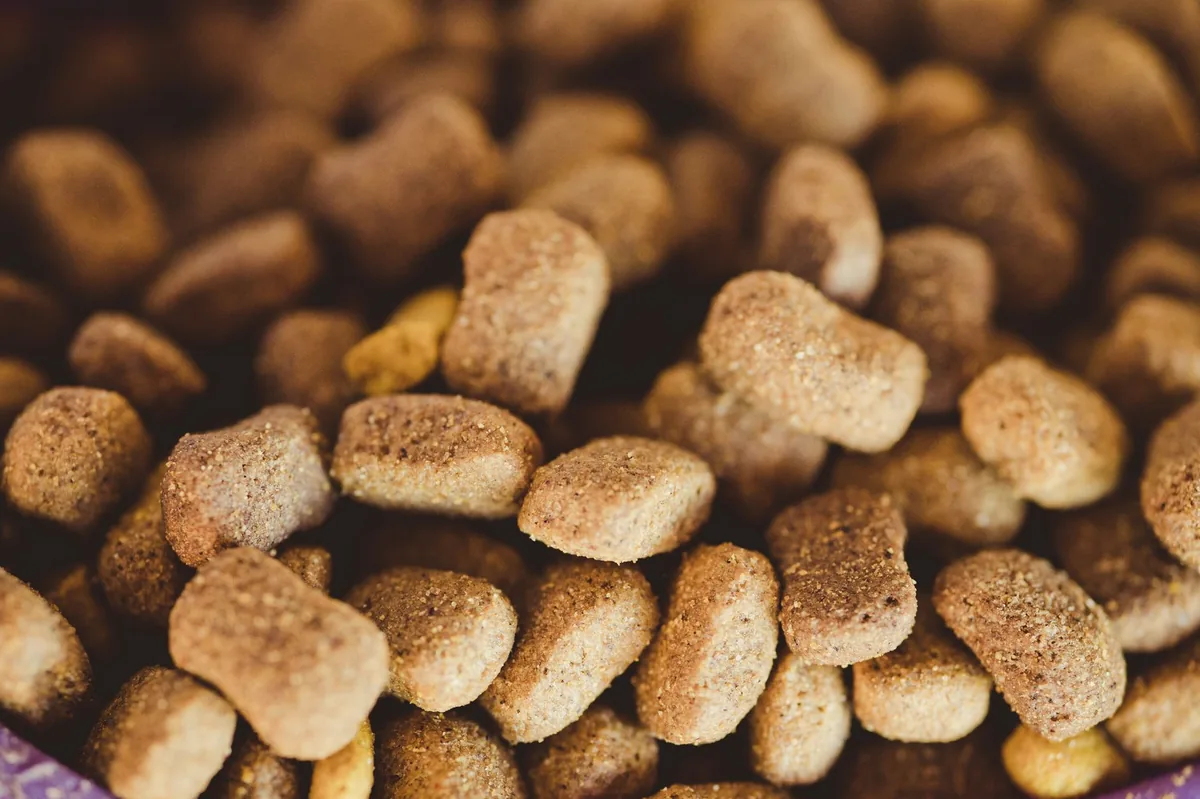
Diet and nutrition
Food is the most powerful lever you have for controlling cholesterol. The goal is to reduce dietary fat while providing high‑quality protein and essential nutrients to keep your dog’s body functioning optimally.
Here are the key dietary principles:
- Low‑fat, highly digestible protein – Choose foods that list a lean animal protein (chicken, turkey, or fish) as the first ingredient and contain less than 10 % fat on a dry matter basis. These diets lessen the liver’s workload in processing lipids.
- Complex carbohydrates – Whole grains like brown rice or barley, or low‑glycemic alternatives such as sweet potato, provide steady energy without spiking triglycerides.
- Omega‑3 enrichment – Adding EPA/DHA (either via prescription fish oil or a diet that lists “fish oil” as a major ingredient) helps lower triglycerides and supports heart health.
- Fiber – Soluble fiber (e.g., beet pulp) can bind cholesterol in the gut and reduce its absorption.
- Avoid high‑cholesterol treats – No bacon, cheese, or fatty meat scraps. Even “healthy” human snacks like peanut butter can be too rich.
When transitioning, make the change gradual over 5‑7 days to avoid gastrointestinal upset. Start with 75 % of the new diet mixed with 25 % of the old, then shift the ratio every two days.
| Food category | Do feed | Limit | Avoid |
|---|---|---|---|
| Protein sources | Lean chicken, turkey, white fish | Lean beef (small amounts) | Fatty pork, lamb, organ meats |
| Carbohydrates | Brown rice, oatmeal, sweet potato | White rice (large portions) | Refined grains, corn‑based fillers |
| Fats | Fish oil supplement (EPA/DHA) | Vegetable oil (olive, canola) – small | Butter, lard, high‑fat treats |
| Snacks | Low‑fat commercial treats, carrot sticks | Fruit (small pieces of apple) | Cheese, peanut butter, jerky |
If your dog has a concurrent condition—like kidney disease or diabetes—your vet may recommend a therapeutic diet (e.g., renal‑support or diabetic‑specific formulas) that also meets low‑fat criteria. Brands vary, but the “low‑fat” label on the packaging is a reliable first filter.
For senior dogs, the same principles apply, but you’ll also want to ensure the diet is palatable and easy to chew. Adding a warm water soak to kibble can improve aroma and encourage eating without adding excess fat.
Remember to keep fresh water available at all times, and monitor your dog’s weight weekly. A gradual loss of 1‑2 % of body weight per month is a safe target for overweight dogs.
Cost and prognosis
Testing and treatment expenses vary by region and the complexity of the case.
| Item | US estimate | UK estimate |
|---|---|---|
| Fasting lipid panel | $70–$120 | £45–£80 |
| Initial vet exam & labs (incl. thyroid panel) | $150–$250 | £110–£190 |
| Prescription diet (monthly) | $30–$60 | £25–£55 |
| Statin medication (monthly) | $20–$45 | £15–£35 |
| Emergency pancreatitis care | $1,200–$5,000+ | £900–£3,500+ |
When managed early, most dogs enjoy a normal life expectancy and good quality of life. The prognosis worsens if hyperlipidemia leads to chronic pancreatitis or severe heart disease, but timely intervention can still provide meaningful improvement.
Prevention and home care
Prevention is a daily commitment:
- Maintain a healthy weight – Aim for a body condition score (BCS) of 4‑5/9. Use a weight calculator to track ideal body mass.
- Feed a balanced, low‑fat diet – Follow the guidelines in the Dog Questions Answered guide for portion control.
- Exercise regularly – At least 30 minutes of brisk walking most days helps improve lipid metabolism.
- Annual wellness exams – Ask your vet to include a lipid panel if your dog is a breed at risk or has a history of endocrine disease.
- Limit treats – Keep treats under 10 % of daily calories, and choose low‑fat options.
For dogs on long‑term medication, schedule regular blood work every 3–6 months to ensure the drug is working and not causing adverse effects.
From our vet team: “High cholesterol is often a sign that something else needs attention—whether it’s weight, a thyroid issue, or a diet that’s too rich. By tackling the root cause early, many dogs return to normal lipid levels without ever needing a pill. Keep a close eye on your dog’s energy, coat, and appetite, and don’t hesitate to ask your vet for a simple blood test. Early detection saves money and keeps tails wagging.”
Key takeaways
- High cholesterol is common but usually manageable with diet, weight control, and regular vet monitoring.
- Look for subtle signs like a dull coat, mild lethargy, or skin nodules; severe signs include pancreatitis symptoms.
- Fasting lipid panels are the definitive test; ask your vet about a baseline check, especially for at‑risk breeds.
- Low‑fat, high‑quality protein diets and omega‑3 supplements are the cornerstone of treatment.
- Medication such as statins or fibrates may be needed if lifestyle changes aren’t enough—always discuss dosing with your vet.
- Routine wellness exams and weight management are the best prevention tools for keeping cholesterol in check.
Myth vs. fact
Myth: Dogs with high cholesterol always need lifelong medication.
Fact: Many dogs normalize their levels with diet and lifestyle changes alone; medication is reserved for persistent or severe cases.
Myth: Only overweight dogs develop high cholesterol.
Fact: While obesity is a major risk factor, endocrine disorders and genetics can cause hyperlipidemia in dogs of any body condition.
Myth: High cholesterol is the same as high blood pressure.
Fact: They are distinct conditions—cholesterol reflects blood fat levels, whereas blood pressure measures the force of blood against vessel walls.
Frequently asked questions
Can a dog have high cholesterol without showing any signs?
Yes. Many dogs are asymptomatic and only discover hyperlipidemia during routine blood work. That’s why regular wellness exams are important, especially for breeds prone to the condition.
What is the normal cholesterol range for dogs?
In a fasting sample, most labs consider under 150 mg/dL normal. Values between 150‑250 mg/dL are borderline, and anything above 250 mg/dL is typically flagged for further evaluation.
Does obesity cause high cholesterol in dogs?
Obesity is a major contributor because excess fat disrupts normal lipid metabolism. Losing weight through diet and exercise often lowers cholesterol levels significantly.
Are there any home remedies for high cholesterol in dogs?
While “home remedies” can’t replace veterinary care, you can support treatment by feeding a low‑fat diet, adding a high‑quality fish‑oil supplement, and ensuring daily exercise. Always discuss any supplement with your vet first.
How does high cholesterol affect a dog’s heart?
Elevated lipids can lead to atherosclerotic changes in blood vessels, increasing the risk of heart disease and hypertension. Managing cholesterol helps protect the cardiovascular system.
Will my dog need lifelong medication for high cholesterol?
Not always. If lifestyle changes bring levels into the normal range, medication may be tapered off. However, some dogs with underlying endocrine disease may require ongoing therapy.
Ask the PuppaDogs community
Have a question this article didn’t fully answer? Want to compare notes with other dog owners who’ve been through this? Our community forum is moderated by experienced owners and vets — and answers tend to come fast. Ask in the PuppaDogs community →
References
- American Animal Hospital Association (AAHA) 2022 Canine Lipid Panel Guidelines.
- American Veterinary Medical Association (AVMA) – Nutrition and Weight Management in Dogs.
- Merck Veterinary Manual, “Hyperlipidemia” entry.
- World Small Animal Veterinary Association (WSAVA) – Guidelines on Canine Endocrine Disorders.
- Cornell University College of Veterinary Medicine – Canine Hypothyroidism and Lipid Metabolism Review.
- American College of Veterinary Internal Medicine (ACVIM) – Consensus Statement on Feline and Canine Hyperlipidemia (applicable to dogs).
- Veterinary Partner – “Cholesterol and Triglyceride Disorders in Dogs.”
- National Institute of Diabetes and Digestive and Kidney Diseases (NIDDK) – Comparative lipid metabolism overview.


