














Quick take: Hereditary muscle disease (non‑inflammatory myopathy) in Labrador Retrievers is a genetic, progressive muscle‑weakening condition. Early signs include subtle gait changes and fatigue; diagnosis involves blood tests, EMG, muscle biopsy, and a specific DNA test. While there is no cure, supportive care, diet, physiotherapy, and careful breeding can give affected Labs a good quality of life for many years.
It’s 9 p.m., and your usually‑bouncy Labrador, Max, is lying on the couch, eyes half‑closed, and he doesn’t even lift his head to sniff the dinner bowl. You notice his hind legs wobble when he tries to stand, and his gums look a bit paler than usual. The Googling begins, and the term “hereditary muscle disease” pops up, sounding both technical and terrifying.
We understand that moment—worry, uncertainty, and a flood of “what‑now?” questions. In Labrador Retrievers, hereditary muscle disease (also called non‑inflammatory myopathy) is a real, genetic condition that can affect energy, mobility, and lifespan. This article walks you through what it is, how it shows up, how vets confirm it, what you can do at home, and what to expect financially and emotionally.
Read on for a clear, step‑by‑step guide—starting with the signs you might already be seeing, moving through diagnostic options, and ending with practical tips for feeding, exercising, and preventing the disease in future puppies.
What is hereditary muscle disease (non‑inflammatory myopathy) in Labrador Retrievers?
Hereditary muscle disease (HMD) is a genetic disorder that causes progressive loss of muscle strength without the inflammation that characterizes many other myopathies. In Labs, the most common form is linked to a mutation in the RYR1 gene, which disrupts calcium handling in muscle cells. The result is muscle fibers that can’t contract efficiently, leading to weakness and atrophy over time.
Although the exact prevalence is unknown, the mutation is considered relatively rare but has been identified in multiple Labrador families worldwide. Because the disease is inherited in an autosomal recessive pattern, a puppy can be affected only if it receives two copies of the faulty gene—one from each parent.

What causes it?
- Genetic mutation: The primary cause is a recessive mutation in the RYR1 gene, inherited from both parents.
- Carrier parents: Dogs that carry one copy (carriers) appear healthy but can pass the mutation to offspring.
- Breed predisposition: Labrador Retrievers have a higher carrier frequency than many other breeds, likely due to popular sire lines.
- Environmental factors: While the disease itself isn’t caused by diet or exercise, trauma or intense activity can accelerate muscle breakdown in an already compromised dog.
Signs and symptoms
Symptoms often appear between 6 months and 4 years of age, but the age of onset can vary. Early signs are easy to miss, especially in an active breed like the Lab.
| Severity | Typical signs |
|---|---|
| Mild | Occasional stumbling, reduced enthusiasm for long walks, subtle muscle tremor after exercise. |
| Moderate | Noticeable weakness in hind limbs, difficulty climbing stairs, decreased appetite, pale gums. |
| Severe | Frequent falls, inability to rise without assistance, marked muscle wasting, respiratory difficulty. |
Other clues include a “bunny hop” gait, a stiff tail, and reduced ability to hold a standing position. Pain is not a hallmark of HMD, but secondary joint strain can cause discomfort.
When to call your vet
Call your vet today if you notice any of the following:
- Persistent stumbling or wobbling that lasts more than a week.
- Reduced willingness to play or go for walks.
- Pale gums, lethargy, or loss of appetite.
Go to an emergency veterinary hospital now if your Lab shows:
- Sudden collapse or inability to stand.
- Rapid breathing, labored panting, or obvious respiratory distress.
- Severe muscle pain (e.g., whimpering when touched) combined with weakness.
This information is for educational purposes only and does not replace a hands‑on veterinary examination.
How vets diagnose it
Diagnosis is a stepwise process that combines history, physical exam, and specialized testing:
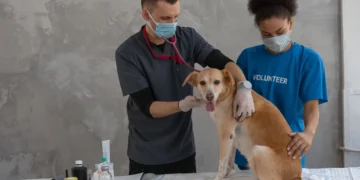
- History and exam: Your vet will ask about the age of onset, progression, and any family history of muscle problems.
- Blood work: A complete blood count (CBC) and chemistry panel often reveal an elevated creatine kinase (CK) level—sometimes 5–10 times the normal range—reflecting muscle damage.
- Electromyography (EMG): This test records electrical activity in muscles and can differentiate non‑inflammatory myopathy from other neuromuscular disorders.
- Muscle biopsy: Small samples examined under a microscope confirm the absence of inflammation and show characteristic fiber changes.
- Genetic testing: A DNA test for the RYR1 mutation (available through labs such as Embark or the University of Minnesota) provides a definitive diagnosis and is essential for breeding decisions.
Treatment options
Medical treatment
There is no cure, but several drug classes can help manage symptoms and slow progression:
- Antioxidants: Vitamin E and selenium supplements can reduce oxidative stress in muscle cells.
- Anti‑spasmodic agents: Medications like dantrolene (ask your vet about this option) may lessen muscle stiffness.
- Anti‑inflammatory drugs: Low‑dose NSAIDs are sometimes used for secondary joint pain, but they do not treat the underlying myopathy.
- Myositis‑targeted therapies: In rare cases, immunosuppressants such as prednisone are tried if an inflammatory component cannot be ruled out; your vet will decide based on biopsy results.
Supplements and supportive care
Evidence‑based adjuncts can improve muscle health and overall well‑being:
- Omega‑3 fatty acids (EPA/DHA): These help reduce inflammation and support cell membranes. A high‑quality fish‑oil supplement (e.g., 1,000 mg per 20 lb dog daily) is commonly recommended.
- Coenzyme Q10: May enhance mitochondrial function in muscle cells; dosing is typically 1–2 mg per kilogram of body weight.
- Glucosamine/chondroitin: Beneficial for secondary joint strain that often accompanies muscle weakness.
- Probiotics: Support gut health, which can affect nutrient absorption important for muscle maintenance.
All supplements should be discussed with your veterinarian to avoid interactions with any prescription meds.
Procedures or surgery
There are no curative surgeries for hereditary muscle disease. However, some labs benefit from:
- Physical therapy: Tailored hydrotherapy, passive range‑of‑motion exercises, and treadmill work can preserve muscle tone and improve gait.
- Orthopedic interventions: In severe cases where joint instability develops, corrective surgery (e.g., tibial plateau leveling) may be considered, though it does not affect the underlying myopathy.
Physical therapy sessions typically cost $80–$150 per visit in the U.S., with a series of 6–12 visits often recommended.
Diet and nutrition
Nutrition plays a supportive role in managing hereditary muscle disease. The goal is to provide highly digestible, high‑quality protein while avoiding excess fat that can exacerbate weight‑related strain on weakened muscles.
| Do feed | Limit | Avoid |
|---|---|---|
| Lean protein sources (chicken, turkey, white fish) – 20‑30 % of calories | Excessive fats (>15 % of diet) | Low‑quality fillers (corn, wheat gluten) |
| Highly digestible carbohydrate (sweet potato, pumpkin) | Very high‑protein diets (>30 % protein) if kidney function is compromised | Raw bones that may cause fractures |
| Omega‑3 rich foods (salmon oil, flaxseed) | Large, hard treats that require strong chewing | Excessive sodium or processed meats |
Many owners find success with prescription therapeutic diets formulated for muscle health, such as a “muscle support” formula that contains added L‑carnitine and antioxidants. While we won’t endorse a specific brand, look for diets that meet AAFCO nutrient profiles and list “highly digestible protein” and “added omega‑3” on the label.
Feeding tips:
- Meal frequency: Split daily calories into 2–3 smaller meals to maintain steady energy levels and reduce post‑meal fatigue.
- Transition: When switching to a new diet, gradually mix increasing amounts of the new food over 7–10 days to avoid gastrointestinal upset.
- Hydration: Ensure constant fresh water; dehydration can worsen muscle cramping.
- Weight management: Keep body condition score (BCS) at 4–5/9. Overweight Labs place extra load on weakened limbs, accelerating decline.
For Labs with concurrent kidney concerns—a common issue in older dogs—your vet may recommend a renal‑support diet that still supplies adequate protein but with reduced phosphorus. Discuss any dietary changes with your vet, especially if your dog is on medication that could interact with certain nutrients.
Cost and prognosis
Financial considerations are an important part of planning long‑term care.
| Item | US estimate | UK estimate |
|---|---|---|
| CK blood panel | $50–$100 | £40–£80 |
| EMG study | $200–$400 | £150–£300 |
| Muscle biopsy (incl. pathology) | $800–$1,500 | £600–£1,200 |
| Genetic test for RYR1 | $120–$200 | £100–£180 |
| Monthly supplements | $15–$40 | £12–£30 |
| Physical therapy (6‑12 sessions) | $480–$1,800 | £400–£1,500 |
Overall, initial diagnostic workup can range from $1,000 to $2,500 in the U.S., with ongoing monthly costs of $30–$100 for medications and supplements.
Prognosis varies. Dogs diagnosed early and managed with a combination of diet, physiotherapy, and supportive meds often maintain a good quality of life for 5–10 years after diagnosis. Without intervention, the disease can progress rapidly, leading to severe mobility loss and a reduced lifespan of 2–4 years post‑onset.
Prevention and home care
Because HMD is inherited, the most effective prevention is responsible breeding:
- Genetic screening: All breeding Labs should be tested for the RYR1 mutation. Carriers can be bred to clear dogs, but breeding two carriers together should be avoided.
- Pedigree review: Work with reputable breeders who keep detailed health records and avoid line‑breeding that concentrates the mutation.
For owners of affected dogs, daily home care can make a big difference:
- Safe exercise: Short, low‑impact walks on even surfaces; avoid steep hills, slippery floors, and high‑intensity fetch games.
- Joint support: Use non‑slip rugs, ramps, or stairs with gentle inclines to reduce strain.
- Regular monitoring: Keep a simple log of gait changes, appetite, and weight. Bring this log to each veterinary visit.
- Annual check‑ups: Include CK levels and a full physical exam to catch any secondary issues early.
When you notice a new change—such as increased wobbliness after a walk—contact your vet promptly. Early tweaks to therapy can prevent a cascade of decline.
Vet’s note
From our vet team: “If your Lab has been diagnosed with hereditary muscle disease, remember that the condition is manageable, not a death sentence. Consistent physiotherapy, a muscle‑friendly diet, and routine check‑ups are the three pillars that keep many Labs comfortable for years. Most owners who stay proactive report that their dogs continue to enjoy walks, play, and family time long after the diagnosis.”
Key takeaways
- Hereditary muscle disease in Labs is a genetic, non‑inflammatory myopathy caused by a recessive RYR1 mutation.
- Early signs include subtle gait changes, reduced stamina, and occasional stumbling; watch for these during routine walks.
- Diagnosis relies on CK blood tests, EMG, muscle biopsy, and a definitive DNA test—ask your vet about genetic screening for breeding dogs.
- Supportive care (antioxidants, omega‑3s), targeted physiotherapy, and a high‑quality, digestible diet can extend quality of life by several years.
- Responsible breeding and carrier testing are the most effective ways to prevent the disease from spreading to future Labrador litters.
Myth vs. fact
Myth: Hereditary muscle disease is the same as muscular dystrophy.
Fact: While both cause muscle weakness, muscular dystrophy is a different genetic disorder (often linked to the DMD gene) and typically presents earlier with more severe muscle degeneration.
Myth: All Labs with the disease will need lifelong medication.
Fact: Many dogs are managed primarily with diet, supplements, and physiotherapy; medications are used only when secondary pain or inflammation develops.
Myth: A single genetic test guarantees a healthy puppy.
Fact: Testing identifies carriers, but breeding decisions also require careful selection of clear partners and attention to overall genetic diversity.
Frequently asked questions
What causes hereditary muscle disease in Labrador Retrievers?
The condition is caused by a recessive mutation in the RYR1 gene that impairs calcium regulation in muscle cells, leading to progressive weakness.
How can I tell if my Lab has non‑inflammatory myopathy?
Key clues are a gradual loss of stamina, wobbling gait, and elevated CK levels; definitive diagnosis requires EMG, muscle biopsy, and a DNA test for the RYR1 mutation.
Is hereditary muscle disease painful for dogs?
Direct muscle pain is uncommon, but secondary joint strain from altered gait can cause discomfort; pain relief is often needed for the joints rather than the muscles themselves.
What treatments are available for Labs with this condition?
Management includes antioxidant supplements, omega‑3 fatty acids, tailored physiotherapy, a muscle‑supportive diet, and occasional anti‑spasmodic medication—always under veterinary supervision.
Will my Lab need lifelong medication for muscle disease?
Not necessarily. Many owners rely on diet, supplements, and regular physiotherapy; medication is added only if secondary inflammation or pain arises.
Can breeding a Lab with hereditary muscle disease be safe?
Breeding a carrier to a clear (non‑carrier) dog is considered safe, but breeding two carriers together should be avoided to prevent affected puppies.
Ask the PuppaDogs community
Have a question this article didn’t fully answer? Want to compare notes with other dog owners who’ve been through this? Our community forum is moderated by experienced owners and vets — and answers tend to come fast. Ask in the PuppaDogs community →
References
- American College of Veterinary Internal Medicine (ACVIM) Consensus Statement on Canine Myopathies, 2022.
- Merck Veterinary Manual, “Myopathies” chapter, updated 2023.
- American Animal Hospital Association (AAHA) Guidelines for Genetic Testing in Dogs, 2021.
- Embark Veterinary, “RYR1 Genetic Test for Labrador Retrievers,” product literature, 2023.
- World Small Animal Veterinary Association (WSAVA) Recommendations on Canine Nutrition, 2022.
- University of Minnesota Veterinary Genetics Laboratory, “Canine RYR1 Mutation Information,” 2023.
- American Veterinary Medical Association (AVMA) – Pain Management in Dogs, 2022.
- Cornell University College of Veterinary Medicine, “Canine Physical Therapy Protocols,” 2021.


