















Quick take: Heartworm disease in dogs is a serious, mosquito‑borne infection that can damage the heart, lungs, and blood vessels. Early signs are often subtle—coughing, fatigue, or a slight weight loss—so regular testing and monthly preventatives are essential. If caught early, treatment is costly but effective; prevention is far cheaper and far safer.
It’s 9 p.m., you’re scrolling through your phone while your golden‑retriever, Max, sighs as he tries to climb the stairs. He pauses, looks back at you with droopy eyes, and you notice his belly feels a little softer than usual. A quick Google search for “dog tired and coughing” brings up heartworm disease, and a wave of worry hits you.
We get it—heartworm can feel like a hidden threat, especially when the first clues are easy to miss. The good news is that with routine testing, prompt treatment, and diligent prevention, most dogs recover fully. In this article we’ll explain what heartworm disease is, how dogs get it, what to look for, how vets diagnose and treat it, the costs involved, and the best ways to keep your dog safe.
Read on to learn the signs, the steps you should take tonight, and the long‑term plan to protect Max (or any dog) from this mosquito‑borne parasite.
What is heartworm disease in dogs?
Heartworm disease is caused by the parasitic worm Dirofilaria immitis. Adult worms live in the pulmonary arteries and, in severe cases, the right side of the heart. They grow up to 12 inches long, feeding on blood and causing inflammation, clotting, and eventually heart failure.
According to the American Heartworm Society (AHS), an estimated 1 million dogs in the United States are infected each year, and many more are at risk. The disease is less common in colder climates because the mosquito vectors are less active, but it can affect dogs worldwide wherever competent mosquito species thrive.
What causes it?
Heartworm infection follows a mosquito‑mediated life cycle:
- Mosquito bite: A mosquito picks up microfilariae (tiny baby worms) when feeding on an infected dog.
- Development in mosquito: Over 10–14 days, the microfilariae mature into infective larvae (L3) inside the mosquito.
- Transmission: When the mosquito bites a new dog, it deposits L3 larvae onto the skin, which then migrate into the bloodstream.
- Maturation: Over 6–7 months, larvae grow into adult worms that settle in the heart and lungs.
Risk factors include:
| Factor | Why it matters |
|---|---|
| Geographic location | Warm, humid areas support mosquito breeding. |
| Outdoor lifestyle | More exposure to mosquito bites. |
| Age | Dogs older than 6 months can acquire infection; puppies can be infected via transplacental transmission (rare). |
| Breed size | Large breeds may develop more severe disease due to larger heart size, but all breeds are susceptible. |
Signs and symptoms
Heartworm disease progresses through four clinical stages (American Heartworm Society). Early infection often shows no signs at all.
| Stage | Typical signs |
|---|---|
| Stage 1 (asymptomatic) | No outward signs; only a blood test can detect infection. |
| Stage 2 (mild) | Occasional cough, slight fatigue, reduced exercise tolerance. |
| Stage 3 (moderate) | Frequent cough, difficulty breathing, weight loss, swollen belly. |
| Stage 4 (severe) | Heart failure, fluid accumulation in the abdomen or lungs, fainting, severe lethargy. |
Because early signs can mimic allergies or a simple cold, many owners only notice the disease when the cough becomes persistent or the dog tires out quickly on a short walk.
When to call your vet
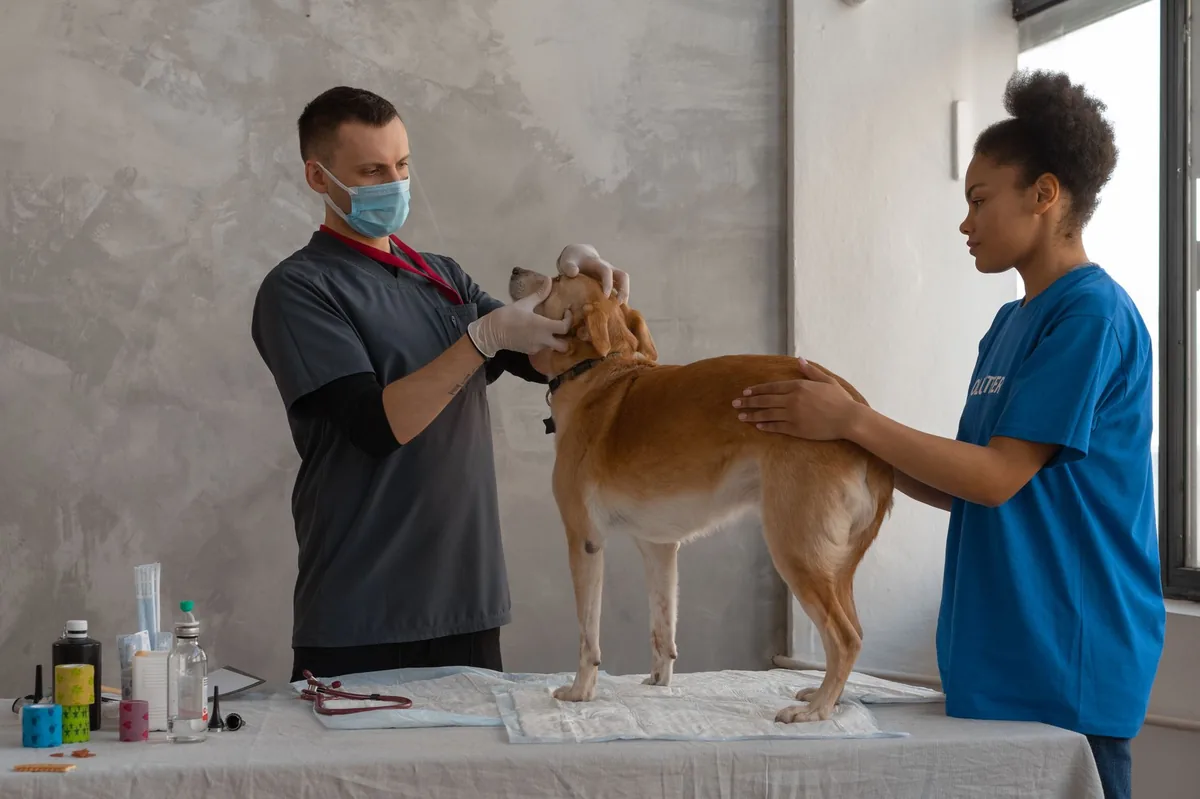
Call your vet today if you notice any of the following:
- Occasional cough or mild breathing difficulty.
- Decreased stamina or reluctance to play.
- Noticeable weight loss or a swollen abdomen.
Go to an emergency veterinary hospital right now if your dog shows:
- Severe difficulty breathing or rapid shallow breaths.
- Fainting, collapse, or signs of shock.
- Sudden, severe swelling of the abdomen (ascites) or obvious distress.
These red‑flag signs can indicate advanced heartworm disease or heart failure, requiring immediate care.
This article is for informational purposes only and does not replace a hands‑on veterinary examination.
How vets diagnose it
Diagnosis combines a thorough history, physical exam, and a series of tests:
- Heartworm antigen test: Detects proteins released by adult female worms; most labs use a rapid ELISA kit (e.g., SNAP 4DX).
- Microfilaria test (Knott’s test): Concentrates and visualizes circulating larvae in a blood sample.
- Complete blood count (CBC) and chemistry panel: Looks for anemia, liver enzyme changes, or eosinophilia that suggest infection.
- Radiographs (X‑rays): Show enlarged pulmonary arteries or heart silhouette.
- Echocardiogram (ultrasound): Directly visualizes adult worms in the heart and assesses heart function.
These tests help stage the disease and guide treatment decisions. The American College of Veterinary Internal Medicine (ACVIM) recommends confirming a positive antigen test with a second, different test to rule out false positives.
Treatment options
Medical treatment
Adulticide therapy is the cornerstone of heartworm treatment. The most common protocol, recommended by the AHS, uses two drugs:
- Melarsomine dihydrochloride: An injectable arsenic‑based medication that kills adult worms. Usually given as a series of 2–3 injections.
- Macrocyclic lactones (e.g., ivermectin, milbemycin): Given monthly before, during, and after melarsomine to eliminate microfilariae and prevent new infections. Ask your vet about this option.
Adjunctive medications may include antibiotics (e.g., doxycycline) to target the Wolbachia bacteria that live inside heartworms, reducing inflammation when the worms die.
Supplements and supportive care
While supplements cannot replace proper treatment, they can aid recovery:
- Omega‑3 fatty acids (EPA/DHA): Help reduce pulmonary inflammation and support heart health.
- Coenzyme Q10: May improve cardiac muscle energy production during recovery.
- Probiotics: Promote gut health, especially when antibiotics are used.
These should be discussed with your vet to ensure they fit your dog’s specific needs and won’t interfere with prescribed medications.
Procedures or surgery
In rare, advanced cases where massive worm burden causes severe blockage, surgical removal of adult worms may be considered. This invasive procedure requires a specialized cardiothoracic surgeon, a hospital stay of 3–5 days, and a recovery period of several weeks. Costs can exceed $5,000 USD, and the success rate varies.
Diet and nutrition
Nutrition plays a supportive role during heartworm treatment and recovery. The goal is to reduce the workload on the heart and lungs while providing high‑quality protein and essential nutrients.
| Do feed | Limit | Avoid |
|---|---|---|
| Highly digestible protein (chicken, turkey, fish) | Fatty treats | High‑sodium foods |
| Complex carbohydrates (sweet potato, pumpkin) | Excessive calories | Processed kibble with artificial additives |
| Omega‑3 enriched foods or fish oil supplement | Large, hard‑to‑chew bones | Raw organ meats (risk of parasites) |
During the melarsomine injection phase, many vets recommend a low‑fat, moderate‑protein diet to keep the heart from working overtime. Prescription therapeutic diets labeled “cardiac” or “renal” are formulated to be low in sodium and phosphorus, which can help control fluid buildup. You don’t need to buy a specific brand; any high‑quality, AAFCO‑approved diet that meets these criteria will work.
Feeding tips:
- Offer smaller, more frequent meals (2–3 times daily) rather than one large bowl.
- Gradually transition to a new diet over 7–10 days to avoid gastrointestinal upset.
- Ensure fresh water is always available; dehydration can worsen heart strain.
- Discuss any dietary changes with your vet, especially if your dog has concurrent kidney or liver disease.
For puppies, the same principles apply—use a balanced puppy formula and add a heartworm preventive to the regimen from 8 weeks of age (see Prevention section).
Cost and prognosis
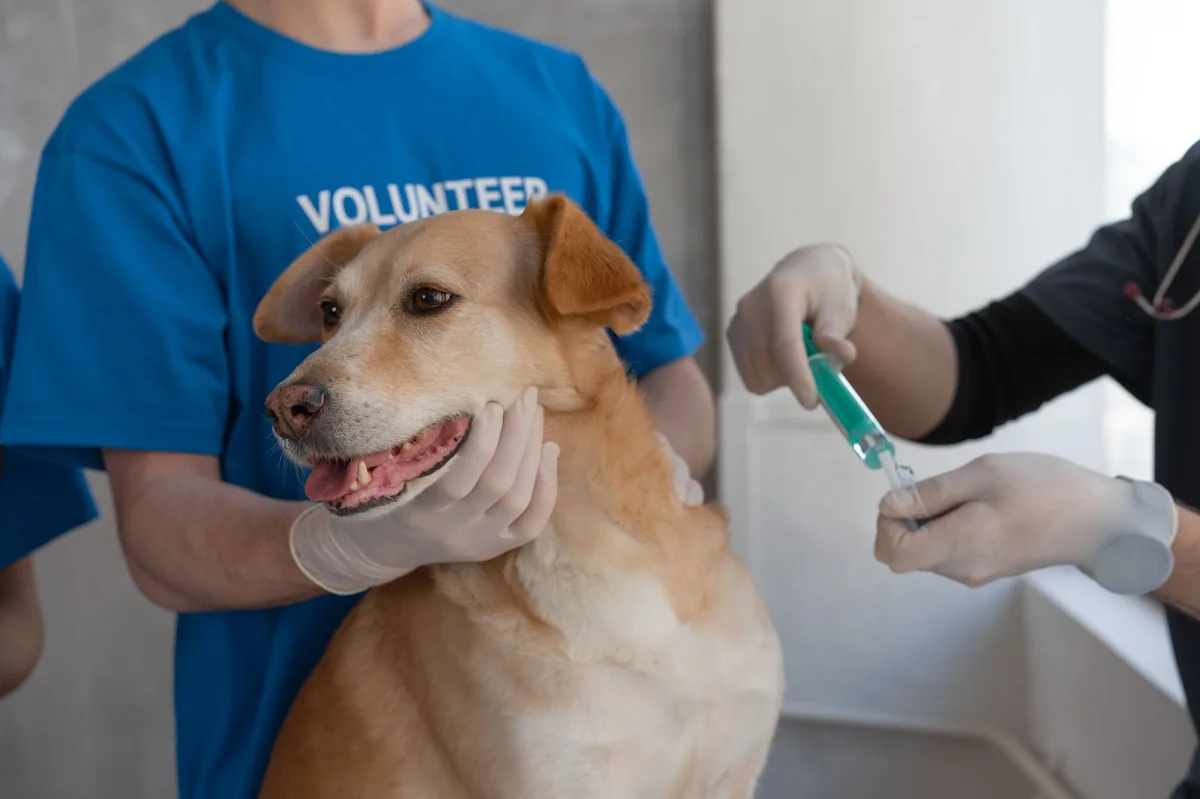
Heartworm treatment is one of the more expensive veterinary procedures, but early detection dramatically reduces both cost and risk.
| Component | US estimate | UK estimate |
|---|---|---|
| Diagnostic testing (antigen + microfilaria + X‑ray) | $150–$250 | £120–£200 |
| Melarsomine injections (2‑dose protocol) | $500–$800 | £400–£650 |
| Adjunctive doxycycline (30 days) | $30–$60 | £20–£45 |
| Supportive care (hospital stay, fluids, pain meds) | $300–$1,200 | £250–£900 |
| Total (average) | $1,000–$2,500 | £800–£1,800 |
Many pet insurance plans cover a portion of these expenses, especially if the disease is caught early. According to the American Veterinary Medical Association (AVMA), dogs that receive the full AHS protocol have a > 95 % survival rate when treated in Stage 1 or 2. Advanced stages (3–4) have lower survival and may require lifelong cardiac medications.
Prevention and home care
Prevention is far simpler—and far cheaper—than treatment. The American Heartworm Society recommends:
- Monthly heartworm preventatives: Products containing ivermectin, milbemycin oxime, or selamectin. These are available as chewables, topical spot‑ons, or injectables (e.g., ProHeart 6).
- Annual testing: Even dogs on preventatives should be screened each year, ideally in the spring and fall, because compliance can slip.
- Mosquito control: Eliminate standing water, use pet‑safe repellents, and keep dogs indoors during peak mosquito activity (dawn and dusk).
- Seasonal vigilance: In warm climates, consider year‑round prevention; in cooler areas, a seasonal schedule may be sufficient.
Large‑breed dogs often benefit from chewable preventatives that are sized appropriately, and some owners prefer the injectable that provides six months of protection with a single dose.
Vet’s note
From our vet team: “If your dog tests positive for heartworms, don’t panic—treatment success hinges on early detection and diligent after‑care. Ask your vet about the full AHS protocol, the need for doxycycline, and how to monitor heart function during recovery. And remember, a simple monthly preventive is the most effective tool you have.”
Key takeaways
- Heartworm disease is transmitted by mosquitoes and can cause life‑threatening heart and lung damage if untreated.
- Early signs are subtle—cough, fatigue, or mild weight loss—so routine annual testing is essential.
- Diagnosis combines antigen testing, microfilaria detection, and imaging; treatment usually involves melarsomine injections plus monthly preventatives.
- Full treatment can cost $1,000–$2,500 USD, but prevention (monthly medication) costs as little as $5–$15 per month.
- Feeding a low‑fat, high‑quality diet and providing omega‑3 supplements support recovery and reduce cardiac stress.
- Never skip the yearly heartworm test, even if your dog is on preventive medication.
Myth vs. fact
Myth: “If my dog looks healthy, it can’t have heartworms.”
Fact: Up to 70 % of infected dogs show no outward signs in the early stages; only a blood test can confirm infection.
Myth: “Heartworm preventatives are only needed in summer.”
Fact: Mosquitoes can be active year‑round in many regions; the AHS advises year‑long prevention in endemic areas.
Myth: “Heartworm disease can’t affect humans.”
Fact: Humans can become accidental hosts, but the parasite usually does not mature; cases are rare and typically asymptomatic (CDC).
Frequently asked questions
How do I know if my dog has heartworm?
Look for a persistent cough, reduced stamina, or a swollen abdomen, but the only definitive way to know is a heartworm antigen test performed by your vet.
What tests are used to diagnose heartworm in dogs?
Veterinarians use a rapid antigen test, a microfilaria (Knott’s) test, chest X‑rays, and sometimes an echocatheterogram to visualize adult worms.
What is the life cycle of heartworms in dogs?
After a mosquito bite, larvae develop in the dog for 6–7 months before becoming adult worms that live in the heart and lungs, where they can cause damage.
Can heartworm be transmitted to humans?
Humans can be infected by a mosquito bite, but the worms rarely mature, so disease is extremely uncommon and usually harmless.
How often should I give my dog heartworm preventive?
Monthly preventatives are standard; some products (e.g., ProHeart 6) provide six months of protection with a single injection.
What are the side effects of heartworm medication?
Common side effects include mild gastrointestinal upset and transient lethargy; serious reactions are rare but can include allergic responses to melarsomine.
Ask the PuppaDogs community
Have a question this article didn’t fully answer? Want to compare notes with other dog owners who’ve been through this? Our community forum is moderated by experienced owners and vets — and answers tend to come fast. Ask in the PuppaDogs community →
References
- American Heartworm Society. 2023 Guidelines for the Prevention, Diagnosis, and Management of Heartworm Disease in Dogs.
- American College of Veterinary Internal Medicine (ACVIM). 2022 Consensus Statement on Heartworm Disease.
- Merck Veterinary Manual. “Heartworm Disease” chapter.
- Centers for Disease Control and Prevention (CDC). “Dirofilaria immitis (Heartworm) – Human Health” fact sheet.
- American Veterinary Medical Association (AVMA). “Pet Insurance and Cost of Care” 2023.
- American Animal Hospital Association (AAHA). “Vaccination and Preventive Care Guidelines” 2023.
- World Small Animal Veterinary Association (WSAVA). “Guidelines for the Use of Antiparasitic Drugs” 2022.


