














Quick take: Hemangiosarcoma in dogs is a fast‑growing cancer of blood‑vessel lining that often appears in the spleen, heart or liver. Early signs are vague—lethargy, pale gums, or an unexplained abdominal swelling—but once the tumor ruptures, it can be life‑threatening. Prompt veterinary care, imaging, and surgery (when feasible) give the best chance for extending quality time, though the disease is usually aggressive and costly.
It’s 11 p.m.; you’re on the couch, and your usually spry Golden Retriever, Max, has been lying still for the past hour. When you lift his front leg to check his paw, his belly feels oddly firm, and his gums look a shade paler than the usual pink. Your mind races—could this be something simple like an upset stomach, or is it something far more serious?
These moments are why many owners search “hemangiosarcoma in dogs.” The bottom line is that hemangiosarcoma (often shortened to HSA) is an aggressive cancer that can hide behind vague symptoms, but early detection and swift veterinary action can make a meaningful difference. In this guide we’ll explain what HSA is, why it happens, what to watch for, how vets diagnose and treat it, the expected costs, and steps you can take to monitor your dog going forward.
Our vet team draws on guidance from the American College of Veterinary Internal Medicine (ACVIM), the American Animal Hospital Association (AAHA), and the Merck Veterinary Manual. For detailed cost estimates you can also explore our online cost calculator.
What is hemangiosarcoma in dogs?
Hemangiosarcoma is a malignant tumor that originates from the cells lining blood vessels (endothelial cells). In dogs, these tumors most often develop in the spleen, heart (especially the right atrium), and liver, but they can also appear in skin, bones, or other organs. The cancer is highly vascular, meaning it grows a lot of fragile blood‑filled channels that can rupture, leading to internal bleeding.
While any breed can develop HSA, it is most common in middle‑aged to senior dogs (usually 7–10 years old). Large‑breed dogs—Golden Retrievers, German Shepherds, and Labrador Retrievers—are over‑represented, as are certain “sports” breeds like the Vizsla and the Weimaraner. According to the AAHA, hemangiosarcoma accounts for about 5–7 % of all canine cancers.
What causes hemangiosarcoma?
Most cases of hemangiosarcoma arise spontaneously—there’s no single known trigger. However, several risk factors have emerged from research and clinical observation:
- Genetics and breed predisposition: Large, deep‑chested breeds have a higher incidence, suggesting a hereditary component.
- Age: Dogs over seven years old are at greatest risk, likely because cellular mutations accumulate over time.
- Environmental factors: Exposure to certain chemicals (e.g., herbicides) has been hinted at in some studies, but evidence is not definitive.
- Previous tumor history: Dogs that have had other cancers, especially mast cell tumors, may be more prone to developing HSA.
Because the exact cause remains unknown, prevention focuses on early detection and routine health checks rather than eliminating a specific trigger.
Signs and symptoms
Hemangiosarcoma often masquerades as a less serious problem. Early signs can be subtle, while a ruptured tumor produces a medical emergency. Below is a quick reference to help you gauge what you might be seeing.
| Stage | Typical signs |
|---|---|
| Early / mild | Lethargy, reduced appetite, slight weight loss, occasional mild abdominal bloating. |
| Moderate | Noticeable abdominal swelling, pale or bluish gums, mild anemia, occasional fainting. |
| Severe / emergency | Sudden collapse, rapid breathing, shock (cold paws, weak pulse), severe abdominal distension from internal bleeding. |
Because the symptoms overlap with many other conditions—such as heart disease, gastrointestinal upset, or anemia—vets rely on diagnostic imaging and bloodwork to differentiate hemangiosarcoma from other possibilities.
When to call your vet
Call your vet today if you notice: persistent lethargy lasting more than 24 hours, reduced appetite, pale gums, or a new abdominal swelling.
Go to an emergency veterinary hospital right now if you see any of these signs: sudden collapse, rapid breathing, bright red or dark fluid coming from the nose or mouth, a noticeably distended abdomen that feels “full of water,” or signs of shock (cold paws, weak pulse, very pale gums).
These guidelines are for information only and do not replace a professional examination. If you’re ever unsure, err on the side of calling your vet or an emergency clinic.
How vets diagnose hemangiosarcoma
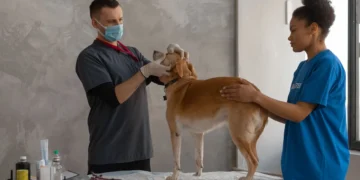
Diagnosis begins with a thorough history and physical exam. The vet will palpate the abdomen, listen to the heart, and check the gums for pallor.
Key diagnostic tools include:
- Bloodwork: A complete blood count (CBC) often reveals anemia or low platelet counts, while a chemistry panel may show organ‑specific changes.
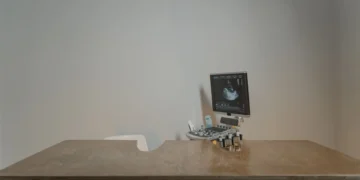
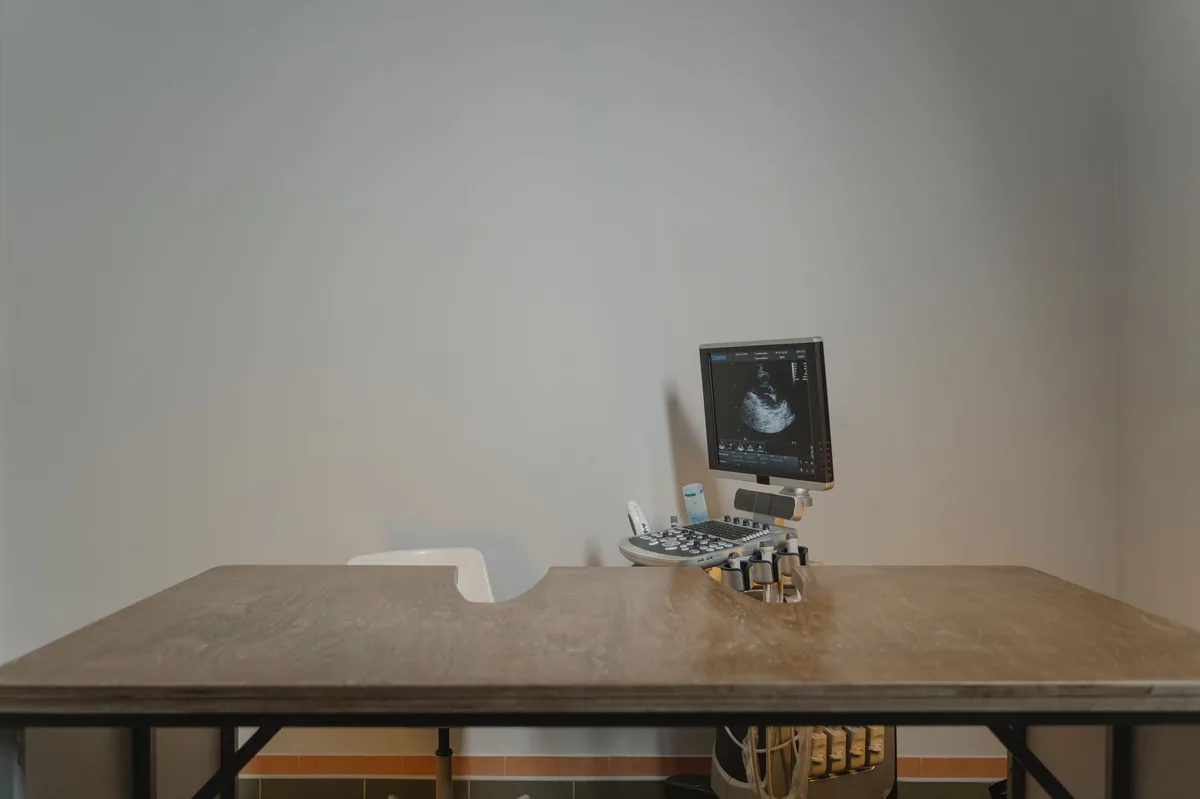
- Abdominal ultrasound: This non‑invasive imaging can identify splenic masses, liver lesions, or fluid accumulation (ascites).
- Thoracic radiographs (x‑rays): Used to look for heart enlargement or masses in the chest cavity.
- Echocardiogram: An ultrasound of the heart can detect cardiac hemangiosarcoma, especially in the right atrium.
- Fine‑needle aspiration (FNA) or biopsy: Cytology (cell‑level examination) from the spleen or liver can suggest HSA, but definitive diagnosis often requires a tissue sample after surgical removal.
Because the tumor can be fragile, a vet may recommend stabilizing the dog (fluids, blood transfusion) before pursuing imaging or surgery.

Treatment options
Medical treatment
When surgery is possible, it is usually the first line of therapy because removing the primary tumor can extend survival and improve quality of life. After surgery, most vets recommend adjunct medical therapy to target microscopic disease that may have spread.
- Chemotherapy: Doxorubicin (Adriamycin) is the most widely used drug for canine HSA. It is given intravenously in cycles, typically every 3 weeks.
- Targeted therapy: Palladia (toceranib phosphate) may be offered in cases where the tumor expresses certain growth‑factor receptors.
- Supportive drugs: NSAIDs such as carprofen can help control inflammation, while anti‑emetics like maropitant (Cerenia) manage nausea from chemotherapy.
Ask your vet about these options; dosages will be tailored to your dog’s weight, kidney function, and overall health.
Supplements and supportive care
While supplements cannot cure hemangiosarcoma, they can help maintain strength during treatment:
- Omega‑3 fatty acids (EPA/DHA): May reduce inflammation and support immune function. Look for a high‑quality fish‑oil supplement formulated for dogs.
- Antioxidants (vitamin C, coenzyme Q10): Some owners report improved energy, though evidence is modest.
- Probiotics: Helpful if chemotherapy disrupts gut flora, reducing diarrhea risk.
Always discuss any supplement with your vet, especially because some can interact with chemotherapy drugs.
Procedures or surgery
Surgical removal (splenectomy, hepatic lobectomy, or cardiac mass excision) is the cornerstone when the tumor is localized and the dog is stable enough for anesthesia. Recovery typically involves a 7–10 day hospital stay for pain control, fluid therapy, and monitoring for bleeding.
Cost varies widely: splenectomy in the U.S. often ranges from $4,000–$7,000, while cardiac surgery can exceed $10,000 due to the complexity and ICU care required. In the UK, comparable procedures run between £3,000–£5,500. These figures are estimates; your local clinic will provide a detailed quote.
Diet and nutrition
Nutrition plays a supportive role in recovery from hemangiosarcoma surgery and chemotherapy. While there is no “cure diet,” feeding a balanced, highly digestible diet can help maintain body condition and immune health.
Key principles:
- High‑quality protein: Lean animal proteins (chicken, turkey, fish) supply essential amino acids for tissue repair.
- Moderate fat: Healthy fats from fish oil provide energy and omega‑3s without overloading the liver.
- Limited simple carbs: Avoid excessive grain‑based fillers; they can cause spikes in blood glucose, which may stress a dog already coping with cancer.
- Hydration: Ensure fresh water is always available; chemotherapy can increase thirst.
When a tumor has been removed, many owners transition to a “recovery diet” that is slightly lower in calories but richer in antioxidants. Prescription therapeutic diets—such as those formulated for post‑operative or oncologic support—can be useful, but you don’t need a specific brand to succeed. Speak with your vet about a diet that meets the AAFCO nutrient profiles for maintenance or recovery.
| Food category | Do feed | Limit | Avoid |
|---|---|---|---|
| Protein sources | Cooked chicken, turkey, white fish | Red meat (high fat) | Processed meats with additives |
| Carbohydrates | Cooked sweet potato, pumpkin | High‑gluten kibble | Table scraps, sugary treats |
| Fats | Fish oil, flaxseed oil | Excessive butter or oil | Fried foods |
| Supplements | Omega‑3 capsules (vet‑approved) | High‑dose antioxidants without guidance | Human multivitamins |
Transition to a new diet gradually over 5–7 days to avoid gastrointestinal upset. Start with 75 % of the new food mixed with 25 % of the old, and adjust the ratio each day. This approach minimizes stress on the gut, which can already be sensitive after surgery or chemotherapy.
For personalized feeding amounts, try our daily calorie calculator. It factors in your dog’s weight, activity level, and recovery status.
Cost and prognosis
Hemangiosarcoma is one of the more expensive cancers to manage, largely because of surgery and chemotherapy. Below are typical cost ranges for the United States and the United Kingdom; actual prices will vary by clinic, region, and individual case.
| Service | U.S. estimate | U.K. estimate |
|---|---|---|
| Initial exam, bloodwork, imaging | $500–$1,200 | £300–£600 |
| Splenectomy (surgical removal) | $4,000–$7,000 | £3,000–£5,500 |
| Cardiac mass surgery | $9,000–$12,000 | £7,000–£10,000 |
| Standard chemotherapy protocol (doxorubicin × 4‑6 doses) | $2,500–$4,500 | £2,000–£4,000 |
| Supportive care (hospitalization, transfusion) | $1,500–$3,000 | £1,200–£2,500 |
Overall, median survival times vary:
- After splenectomy alone: 2–4 months median survival; some dogs live up to a year.
- Splenectomy + chemotherapy: 6–12 months median, with a minority reaching 18 months or more.
- Cardiac surgery + chemo: 4–8 months median, though individual outcomes differ.
Prognosis is guarded because HSA tends to metastasize (spread) early, often to the lungs or liver. However, many owners report that the extra months gained are filled with meaningful time—walks, cuddles, and favorite activities—especially when pain is well‑controlled.
Prevention and home care
Because the exact cause of hemangiosarcoma is unknown, true prevention isn’t possible, but you can reduce risk and catch disease early:
- Annual wellness exams: Routine bloodwork and abdominal ultrasound for senior dogs can reveal masses before they rupture.
- Maintain a healthy weight: Obesity can strain the heart and spleen, potentially accelerating tumor growth.
- Limit exposure to toxins: Store chemicals safely, avoid feeding dog treats that contain unknown additives.
- Vaccination and parasite control: While not directly linked to HSA, good overall health supports the immune system.
- Monitor for subtle changes: Keep a log of appetite, energy, and any new lumps or abdominal swelling.
After surgery or during chemotherapy, follow your vet’s recommendations for activity restriction, wound care, and medication schedules. Gentle short walks are usually fine, but avoid high‑impact play until cleared.
From our vet team: “If your dog suddenly looks pale or the belly feels like a water‑filled balloon, treat it as an emergency. Early imaging can make the difference between a short, painful stay and a chance at months of quality life.”
Key takeaways
- Hemangiosarcoma is a fast‑growing cancer most common in senior, large‑breed dogs.
- Early signs are vague—lethargy, pale gums, or a swollen abdomen—so watch closely for any sudden changes.
- Immediate veterinary evaluation is essential; a ruptured tumor can cause life‑threatening internal bleeding.
- Surgery (splenectomy or cardiac mass removal) combined with chemotherapy offers the best chance for extending survival.
- Expect treatment costs to range from $5,000 to $12,000 USD (or £3,000–£10,000 GBP), depending on the procedure and region.
- Maintain regular wellness exams and a balanced diet to catch potential tumors early and support recovery.
Myth vs. fact
Myth: Hemangiosarcoma only affects purebred dogs.
Fact: While some breeds have higher incidence, mixed‑breed dogs can also develop HSA.
Myth: If a tumor is found, there is nothing you can do.
Fact: Surgery and chemotherapy can significantly extend life and improve quality of life for many dogs.
Myth: Home remedies can cure hemangiosarcoma.
Fact: Only veterinary‑guided surgery and chemotherapy have proven efficacy; supplements may aid recovery but cannot replace standard treatment.
Frequently asked questions
How much does treatment for hemangiosarcoma usually cost?
In the United States, total costs—including diagnostics, surgery, chemotherapy, and supportive care—typically range from $5,000 to $12,000, while the United Kingdom sees similar expenses of £3,000 to £10,000. Exact figures depend on the tumor’s location and the individual clinic’s fees.
Is hemangiosarcoma contagious?
No. Hemangiosarcoma is not an infectious disease; it arises from the dog’s own cells and cannot be passed to other dogs or humans.
What is the typical recovery time after splenectomy?
Most dogs stay hospitalized for 7–10 days for pain control and monitoring. After discharge, you’ll limit activity for about 2–3 weeks while the incision heals.
Can diet alone help treat hemangiosarcoma?
Diet cannot cure the cancer, but a high‑quality, highly digestible diet supports immune function and helps maintain body weight during chemotherapy. Omega‑3 supplements may also reduce inflammation.
What is the overall prognosis for a dog with hemangiosarcoma?
Prognosis is guarded. Median survival after splenectomy alone is 2–4 months; adding chemotherapy can extend median survival to 6–12 months, with some dogs living longer.
Are there any preventive measures I can take?
Regular wellness exams, especially for senior dogs, are the best preventive strategy. Early imaging can detect tumors before they rupture, offering a chance for surgical removal.
Ask the PuppaDogs community
Have a question this article didn’t fully answer? Want to compare notes with other dog owners who’ve been through this? Our community forum is moderated by experienced owners and vets — and answers tend to come fast. Ask in the PuppaDogs community →
References
- American College of Veterinary Internal Medicine (ACVIM) Consensus Statement on Canine Hemangiosarcoma, 2022.
- American Animal Hospital Association (AAHA) Veterinary Oncology Guidelines, 2023.
- Merck Veterinary Manual, “Hemangiosarcoma” entry, latest edition.
- World Small Animal Veterinary Association (WSAVA) Cancer Committee Recommendations, 2021.
- American Veterinary Medical Association (AVMA) Veterinary Oncology Resources, 2023.
- University of California, Davis Veterinary Medicine – Canine Cancer Resources, 2022.
- American Kennel Club (AKC) Breed Predisposition Data for Hemangiosarcoma, 2023.


