













Quick take: Valve disease – most often a leaky mitral valve – can lead to heart failure in dogs. Early signs include coughing, reduced stamina, and fainting; prompt veterinary care, proper medication, and a heart‑healthy diet can extend quality of life and keep costs manageable.
It’s 9 p.m., and your 12‑year‑old Cocker Spaniel, Bella, is lying on the couch, breathing a little faster than usual. She’s not interested in her favorite squeaky toy, and you notice a faint pink‑ish tinge to her gums. A quick Google search for “coughing dog and pale gums” pulls up a flood of scary headlines about heart failure. You wonder: could this be heart failure due to a valve defect?
We understand how unsettling that thought can be. The good news is that valve‑related heart failure is common, but it’s also manageable with the right combination of medication, diet, and monitoring. In this article we’ll explain what valve defects are, how they cause heart failure, what to look for, how vets diagnose and treat the condition, what it might cost, and how you can help Bella (or any dog) live comfortably for years to come.
Read on to learn the signs, when to act, and the steps you can take right now to support your dog’s heart health.
What is heart failure due to valve defect in dogs?
Heart failure occurs when the heart cannot pump enough blood to meet the body’s needs. In dogs, the most common trigger is a problem with one of the heart’s valves – the flaps that keep blood flowing in the right direction. The three valves most often involved are:
- Mitral valve (between left atrium and left ventricle). Degenerative mitral valve disease (DMVD) is the leading cause of chronic heart failure in small‑to‑medium breeds.
- Tricuspid valve (right atrium to right ventricle). Congenital defects or severe infection can cause tricuspid regurgitation.
- Pulmonic valve (right ventricle to pulmonary artery). Congenital stenosis or acquired damage can lead to right‑sided heart failure.
When a valve leaks (regurgitation) or narrows (stenosis), the heart works harder to move blood. Over time the muscle thickens, the chambers enlarge, and fluid can back up into the lungs or abdomen – the hallmark of heart failure. According to the American College of Veterinary Internal Medicine (ACVIM), up to 20 % of senior small breeds develop DMVD, making valve‑related heart failure a leading cardiac issue in the canine population.
What causes it?
Valve defects arise from several underlying mechanisms. Below is a quick overview of the most common causes and the breeds that tend to be predisposed.
| Cause | Typical breeds / risk factors |
|---|---|
| Degenerative (age‑related) valve disease | Cocker Spaniel, Cavalier King Charles Spaniel, Chihuahua, Miniature Poodle |
| Congenital malformations | German Shepherd, Labrador Retriever, Boxer (especially tricuspid or pulmonic defects) |
| Infectious or inflammatory damage (e.g., bacterial endocarditis, Lyme disease) | Any breed; higher risk in tick‑endemic areas |
| Trauma or iatrogenic injury (rare) | Dogs with prior cardiac surgery or catheterization |
Regardless of cause, the end result is the same: the affected valve can’t close properly, leading to leakage (regurgitation) or narrowing (stenosis) that eventually overwhelms the heart’s pumping ability.
Signs and symptoms
Valve disease often starts subtly and progresses. Recognizing the early clues can make a huge difference.
| Stage | Typical signs |
|---|---|
| Mild | Occasional cough after play, slight fatigue, reduced appetite, faint heart murmur on vet exam |
| Moderate | Frequent dry cough, noticeable shortness of breath, difficulty climbing stairs, abdominal distension (fluid buildup) |
| Severe | Labored breathing at rest, pale or blue‑tinged gums, fainting (syncope), severe abdominal fluid, sudden collapse |
While coughing and reduced stamina are common early signs, severe cases may present with rapid breathing, fainting, or a bluish tint to the gums and tongue. These later signs signal that fluid is backing up into the lungs or abdomen and that immediate veterinary attention is needed.
When to call your vet
Call your vet today if you notice:
- New or worsening cough, especially at night or after exercise
- Decreased energy, reluctance to play or walk
- Abdominal swelling or a “pot‑belly” appearance
- Pale, bluish, or grayish gums or tongue
Go to an emergency animal hospital right now if you see:
- Sudden collapse or fainting
- Rapid, shallow breathing at rest
- Severe difficulty breathing (gasping, open‑mouth breathing)
- Visible fluid accumulation in the chest (hard to feel but may cause obvious distress)
These red‑flag signs indicate acute decompensation and require urgent care. This article is for informational purposes only and does not replace a hands‑on veterinary exam.
How vets diagnose it
Diagnosing valve‑related heart failure involves a step‑wise workup:
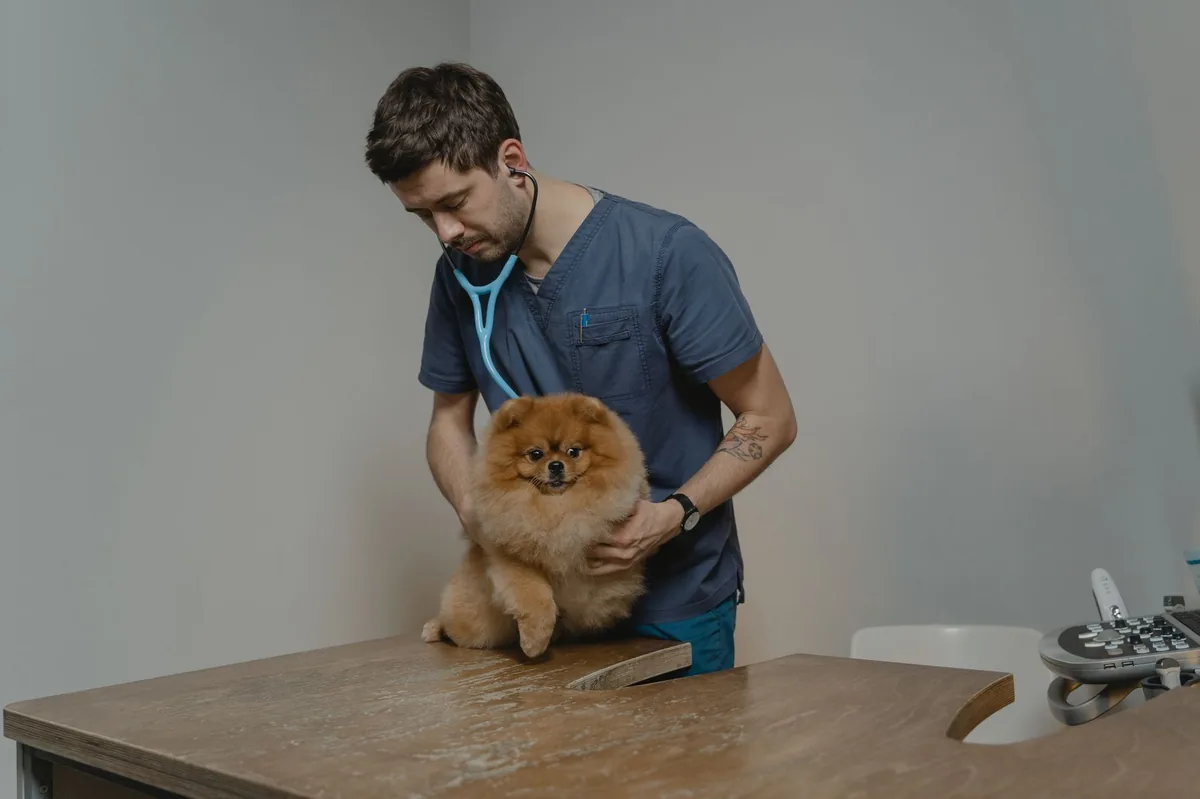
- History and physical exam: The vet listens for heart murmurs, checks pulse quality, and evaluates breathing.
- Chest radiographs (X‑rays): Reveal fluid in the lungs, heart enlargement, or changes in the pulmonary vessels.
- Echocardiogram (ultrasound of the heart): The gold‑standard test. It visualizes valve structure, measures regurgitation severity, and assesses chamber size.
- Electrocardiogram (ECG): Detects abnormal heart rhythms that often accompany heart failure.
- Blood work: Includes a complete blood count, chemistry panel, and biomarkers such as NT‑proBNP (a peptide that rises when the heart is stressed).
These tests together let the veterinarian stage the disease, decide on medication, and determine whether surgery might be an option. For more details on diagnostic protocols, see the Dog Questions Answered guide.
Treatment options
Medical treatment
Most dogs with valve‑related heart failure are managed medically. Common drug classes include:
- ACE inhibitors (e.g., enalapril, benazepril) – relax blood vessels and reduce workload.
- Positive inotropes (e.g., pimobendan) – increase heart contractility and open blood vessels.
- Diuretics (e.g., furosemide) – help remove excess fluid from lungs and abdomen.
- Beta‑blockers (e.g., carvedilol) – control heart rate and lessen arrhythmias.
All of these medications are prescription‑only. Your vet will tailor the regimen to your dog’s weight, severity, and any concurrent conditions. Ask your vet about each option and how often you’ll need to check blood pressure or electrolytes while on therapy.
Supplements and supportive care
Evidence‑based adjuncts can help reduce inflammation and support cardiac function:
- Omega‑3 fatty acids (EPA/DHA) – 30–50 mg per pound of body weight per day may improve heart rhythm stability and reduce inflammation (American Heart Association guidelines).
- Coenzyme Q10 – an antioxidant that some studies suggest can modestly improve cardiac output in dogs with chronic heart disease.
- Probiotics – maintain gut health, especially important when diuretics alter electrolyte balance.
These supplements are optional and should be discussed with your vet, especially if your dog is on multiple medications.
Procedures or surgery
When medical management no longer controls symptoms, surgical or interventional options may be considered:
- Mitral valve repair (MVR) – a complex open‑heart surgery that reshapes the valve leaflets. It offers the best chance for long‑term survival in select small breeds.
- Balloon valvuloplasty – a minimally invasive technique that widens a narrowed pulmonic or tricuspid valve using a tiny balloon catheter.
- Valve replacement – still experimental in dogs; currently limited to research settings.
These procedures require specialized cardiac centers, a hospital stay of 5–10 days, and intensive post‑operative monitoring. Your vet can refer you to a board‑certified cardiologist if surgery is a realistic option.

Diet and nutrition
Nutrition plays a supportive role in managing heart failure. A diet that reduces fluid overload, eases the heart’s workload, and supplies essential nutrients can improve stamina and quality of life.
- Choose a low‑sodium diet. Excess sodium promotes fluid retention. Aim for < 0.2 % sodium on a dry‑matter basis (roughly 130 mg per 100 g of kibble). Many commercial “cardiac” formulas meet this target.
- Prioritize highly digestible protein. Quality protein helps maintain muscle mass without overloading the kidneys. Look for “highly digestible” or “premium” protein sources.
- Include omega‑3 fatty acids. As noted above, EPA/DHA can reduce inflammation and support heart rhythm.
- Control calories. Overweight dogs strain their hearts. A modest calorie reduction (5‑10 % less than maintenance) can aid weight management.
- Avoid “human” treats high in salt – cheese, processed meats, or salty biscuits can quickly push sodium intake over the safe limit.
Prescription cardiac diets, such as those formulated by Hill’s Prescription Diet® “k/d” or Royal Canin “Cardiac,” are designed to meet these guidelines. They are not mandatory, but they provide a convenient way to hit sodium and nutrient targets. If you prefer home‑cooked meals, work with a veterinary nutritionist to balance protein, fat, and sodium levels.
| Food category | Do feed | Limit / avoid |
|---|---|---|
| Commercial dry kibble | Low‑sodium, high‑protein formulas (e.g., “cardiac” or “senior” lines) | Regular kibble with >0.3 % Na |
| Wet foods | Low‑sodium canned meals (check label) | Gravy‑heavy or broth‑based foods |
| Home‑cooked | Boiled chicken or turkey breast, white rice, pumpkin, plus a fish oil supplement | Added salt, cheese, processed meats |
| Treats | Low‑sodium dental chews, fresh carrots, apple slices (no seeds) | Salty biscuits, jerky, cheese bites |
Transition to a new diet gradually over 7‑10 days to avoid gastrointestinal upset. Start by mixing 25 % new food with 75 % old, then increase the new portion every few days. Keep fresh water available at all times, as diuretics increase thirst.
Cost and prognosis
Financial planning is part of caring for a dog with heart failure. Below are typical cost ranges (estimates only) for the United States and the United Kingdom. Prices vary by region, veterinary practice, and whether you have pet insurance.
| Service | US estimate | UK estimate |
|---|---|---|
| Initial workup (exam, bloodwork, X‑ray, echo) | $500–$1,200 | £400–£900 |
| Monthly medication (ACE inhibitor, pimobendan, diuretic) | $30–$120 | £25–£100 |
| Mitral valve repair surgery | $15,000–$25,000 | £12,000–£20,000 |
| Balloon valvuloplasty (pulmonic/tricuspid) | $8,000–$12,000 | £7,000–£11,000 |
| Annual re‑checks (echo, labs) | $200–$500 | £150–£400 |
Pet insurance often covers a portion of medication and diagnostic testing, but many policies limit coverage for pre‑existing conditions. Reviewing your policy’s “cardiac disease” clause early can prevent surprise out‑of‑pocket expenses.
Prognosis depends on stage at diagnosis, response to medication, and breed. Dogs caught early (Stage B1) can live several years with stable disease; those in advanced heart failure (Stage C/D) may have a life expectancy of 6‑12 months, though some individuals exceed that with aggressive therapy. The American College of Veterinary Internal Medicine (ACVIM) consensus statements provide detailed staging criteria.
Prevention and home care
While you can’t change a dog’s genetic risk, regular monitoring and lifestyle tweaks can delay onset or progression:
- Annual wellness exams – especially for breeds prone to mitral valve disease. Early murmurs can be caught before symptoms appear.
- Weight management – keep your dog at a healthy body condition score (BCS 4‑5/9). Obesity adds strain to the heart.
- Low‑stress environment – avoid excessive excitement or heat, which can raise heart rate.
- Home monitoring – learn to check gum color and respiratory rate (normal resting breathing: 10‑30 breaths per minute for most dogs).
- Regular exercise – short, frequent walks are better than long, strenuous outings. Adjust intensity based on your dog’s stamina.
- Vaccinations and parasite control – prevent infections (e.g., Lyme disease) that can damage heart valves. Talk to your vet about region‑specific tick preventatives.
Keeping a log of daily observations (cough frequency, appetite, weight) can help your vet spot trends early. For a simple tracking tool, visit our PuppaDogs calculators page.
From our vet team: “The moment you hear a new heart murmur, ask for an echocardiogram. Early detection lets us start medication before fluid builds up, which dramatically improves a dog’s comfort and lifespan. And never underestimate the power of a low‑sodium diet – it’s one of the simplest ways to keep the heart from over‑working.”
Key takeaways
- Valve disease, especially degenerative mitral valve disease, is the leading cause of heart failure in senior small‑to‑medium dogs.
- Early signs include a dry cough, reduced stamina, and faint heart murmurs; severe signs like rapid breathing or fainting require immediate veterinary care.
- Diagnosis relies on a combination of physical exam, X‑ray, and echocardiography; blood biomarkers help gauge severity.
- Medical management with ACE inhibitors, pimobendan, diuretics, and beta‑blockers is effective for most dogs; surgery is an option for select cases.
- Feed a low‑sodium, highly digestible diet and consider omega‑3 supplementation to support heart health.
- Regular check‑ups, weight control, and home monitoring can delay progression and improve quality of life.
Myth vs. fact
Myth: All dogs with a heart murmur will develop heart failure.
Fact: Many murmurs are “innocent” and never progress. Only murmurs caused by valve leakage or stenosis lead to heart failure, and regular vet exams can differentiate them.
Myth: Once a dog has heart failure, there’s nothing you can do.
Fact: With proper medication, diet, and monitoring, many dogs live comfortably for years after diagnosis.
Myth: Surgery is the only cure for valve disease.
Fact: Surgery is reserved for a minority of cases; most dogs respond well to medical therapy and lifestyle changes.
Frequently asked questions
What is the typical cost of surgery for a dog’s heart valve repair?
In the United States, mitral valve repair surgery usually costs between $15,000 and $25,000, while balloon valvuloplasty for pulmonic or tricuspid stenosis runs $8,000–$12,000; the UK figures are roughly £12,000–£20,000 and £7,000–£11,000 respectively.
Can diet really affect a dog with valve disease?
Yes. A low‑sodium diet reduces fluid retention, and high‑quality protein supports muscle mass without overloading the kidneys; omega‑3 fatty acids may also improve heart rhythm and inflammation.
How long can a dog live after being diagnosed with mitral valve disease?
Life expectancy varies by stage: dogs caught in early Stage B1 can live 3–5 years or more with medication, while those in advanced Stage C/D often have 6–12 months, though some exceed that with aggressive treatment.
Are there any non‑surgical procedures to fix a faulty heart valve?
Balloon valvuloplasty is a minimally invasive option for narrowing (stenotic) valves, especially pulmonic or tricuspid lesions; it can improve blood flow without open‑heart surgery.
What medications are commonly used to manage valve‑related heart failure?
Standard drugs include ACE inhibitors (enalapril, benazepril), pimobendan, furosemide (a diuretic), and beta‑blockers such as carvedilol; your vet will tailor the combination to your dog’s specific needs.
How can I monitor my dog’s heart condition at home?
Check gum color (should be pink), count resting breaths (10‑30 per minute), note any coughing or exercise intolerance, and keep a daily log of weight and appetite to share with your vet.
Ask the PuppaDogs community
Have a question this article didn’t fully answer? Want to compare notes with other dog owners who’ve been through this? Our community forum is moderated by experienced owners and vets — and answers tend to come fast. Ask in the PuppaDogs community →
References
- American College of Veterinary Internal Medicine (ACVIM) Consensus Statement on the Diagnosis and Management of Myxomatous Mitral Valve Disease, 2022.
- American Animal Hospital Association (AAHA) Guidelines for the Management of Canine Heart Disease, 2023.
- Merck Veterinary Manual, “Heart Failure” chapter, 2021.
- American Veterinary Medical Association (AVMA) Pet Insurance Resource, 2022.
- World Small Animal Veterinary Association (WSAVA) Nutritional Recommendations for Dogs with Cardiac Disease, 2020.
- University of California, Davis Veterinary Medicine – Canine Cardiology Overview, 2023.
- Royal College of Veterinary Surgeons (RCVS) Guidelines on Balloon Valvuloplasty in Dogs, 2021.
- American Heart Association – Omega‑3 Fatty Acids and Cardiovascular Health, 2022.


