














Quick take: Heart disease in dogs is a group of conditions that affect the heart’s structure or function, often causing coughing, fatigue, and fluid buildup. Early signs are subtle, but prompt veterinary care, medication, and dietary changes can extend your dog’s quality of life. Costs vary widely, so discuss options and insurance with your vet.
It’s 9 p.m., and you’re watching your senior Golden Retriever, Marley, flop onto the couch after a half‑hour walk. He’s breathing a little faster than usual, his gums look a shade paler, and a faint cough escapes his throat. You scroll through articles, heart racing with worry, wondering if this is just a cold or something more serious.
Most dog owners face this moment—heart disease can be silent until a noticeable episode forces a late‑night Google search. The good news is that with the right information, you can recognize early warnings, seek timely veterinary care, and manage the condition at home.
In this guide we’ll explain what heart disease in dogs actually is, why it happens, how to spot it early, what your vet will do to diagnose it, and which treatments, diets, and lifestyle tweaks can help. We’ll also walk through typical costs, breed predispositions, and practical home‑management tips so you feel confident caring for your furry family member.

What is heart disease in dogs?
Heart disease in dogs refers to any disorder that impairs the heart’s ability to pump blood efficiently or maintain normal rhythm. The most common forms are:
- Degenerative (or dilated) cardiomyopathy (DCM): The heart muscle thins and stretches, reducing contractile strength.
- Valvular disease: The heart valves become thickened or leaky, leading to regurgitation and fluid buildup.
- Congenital defects: Structural problems present from birth, such as patent ductus arteriosus.
- Heart rhythm disorders (arrhythmias): Abnormal electrical activity that can cause fainting or sudden death.
According to the American College of Veterinary Internal Medicine (ACVIM), roughly 20 % of dogs over eight years old develop some form of cardiac disease, making it one of the leading causes of senior‑dog mortality.
What causes it?
Heart disease can arise from genetics, age‑related wear, infections, or lifestyle factors. Below is a quick overview of the main categories:
| Cause | Typical Mechanism | Key Risk Breeds |
|---|---|---|
| Genetic / hereditary | Inherited defects in muscle proteins or valve structure | Boxer, Doberman, German Shepherd, Miniature Schnauzer |
| Age‑related degeneration | Progressive loss of myocardial cells and valve elasticity | Large breeds (Labrador, Golden Retriever) |
| Infectious agents | Parasites (heartworm), bacteria (Bartonella), or viral myocarditis | All breeds, especially outdoor dogs in endemic areas |
| Nutrition & lifestyle | Excessive calories, high sodium, or lack of exercise leading to obesity | Obese dogs of any breed |
While a single factor rarely acts alone, a combination of genetics and environment often sets the stage for disease.
Signs and symptoms
Early heart disease can be easy to miss because symptoms mimic normal aging. Watch for these warning signs, grouped by severity:
| Stage | Typical Signs |
|---|---|
| Mild | Reduced stamina on walks, occasional cough after activity, slight weight loss |
| Moderate | Persistent cough, fainting episodes, noticeable breathing difficulty when lying down, swollen abdomen (ascites) |
| Severe | Labored breathing at rest, bright pink or bluish gums, rapid heart rate, lethargy, collapse |
Other clues include a heart murmur detected by a vet, pale or grayish gums, and a “barking” cough that sounds like a small dog’s bark. If you notice any of these, especially in a senior dog, it’s time to act.

When to call your vet
Call your vet today (non‑emergency):
- New or worsening cough, especially at night.
- Noticeable fatigue after short walks.
- Swollen belly or slight weight gain despite unchanged diet.
- Any new heart murmur heard by your vet.
Go to an emergency veterinary hospital right now:
- Rapid, shallow breathing or difficulty breathing at rest.
- Bright pink, gray, or blue-tinged gums.
- Sudden collapse, fainting, or inability to stand.
- Severe coughing with blood‑streaked sputum.
These guidelines are for information only and do not replace a hands‑on exam. If you’re ever in doubt, err on the side of caution and seek veterinary care.
How vets diagnose it
Diagnosing heart disease is a stepwise process that combines history, physical exam, and specialized tests:
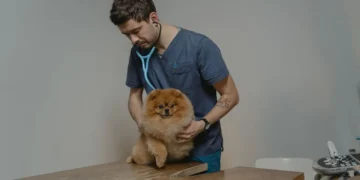
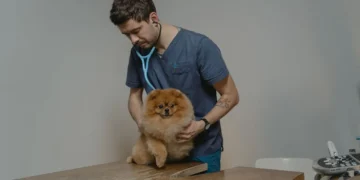
- Physical exam: The vet listens for murmurs, gallops, or irregular rhythms and checks pulse quality.
- Chest X‑rays: Reveal heart size, fluid in the lungs, or enlarged blood vessels.
- Echocardiogram (ultrasound): Provides a real‑time view of valve function, wall thickness, and pumping efficiency.
- Electrocardiogram (ECG): Records the heart’s electrical activity to identify arrhythmias.
- Blood work: Looks for biomarkers such as NT‑proBNP (indicates cardiac stretch) and evaluates kidney and liver function before starting medication.
Most dogs will need at least two of these diagnostics to confirm a diagnosis and stage the disease.
Treatment options
Medical treatment
Medication is the cornerstone of managing canine heart disease. Common drug classes include:
- Pimobendan (Vetmedin): A positive inotrope and vasodilator that improves contractility and reduces workload.
- ACE inhibitors (e.g., enalapril, benazepril): Help relax blood vessels and lower blood pressure.
- Diuretics (furosemide): Remove excess fluid from the lungs and abdomen.
- Beta‑blockers (atenolol, carvedilol): Slow heart rate and lessen arrhythmia risk.
Each medication is tailored to your dog’s weight, disease stage, and other health conditions. Ask your vet about these options and any potential side effects, such as increased thirst or electrolyte changes.
Supplements and supportive care
Evidence‑based supplements can complement prescription drugs:
- Omega‑3 fatty acids (EPA/DHA): Reduce inflammation and may improve cardiac output. Look for a veterinary‑grade fish oil supplement.
- Coenzyme Q10: Supports mitochondrial function in heart muscle cells; dosing should be discussed with your vet.
- Probiotics: Helpful if your dog is on chronic diuretics that affect gut flora.
Supplements are not a substitute for medication, but they can help with overall wellness and reduce oxidative stress.
Procedures or surgery
When structural problems dominate, surgery may be recommended:
- Valve repair or replacement: Typically for severe mitral or tricuspid valve disease. Recovery takes 4–6 weeks, and costs range from $8,000 USD to $15,000 USD in the United States.
- Implantable cardiac devices (e.g., pacemakers): Used for life‑threatening arrhythmias; costs can exceed $10,000 USD.
- Heartworm removal surgery: Rare, but necessary in advanced heartworm disease.
These procedures are performed at specialty referral centers. Discuss insurance coverage and post‑operative care before deciding.
Diet and nutrition
Nutrition plays a vital role in supporting a dog with heart disease. The goal is to provide high‑quality protein while limiting excess sodium and calories that can exacerbate fluid retention.
| Food Category | What to feed | What to limit / avoid |
|---|---|---|
| High‑quality protein | Cooked chicken, turkey, or lean beef; commercial therapeutic diets labeled “cardiac” | Low‑protein “renal” foods unless kidney disease is also present |
| Low‑sodium | Home‑cooked meals without added salt; low‑sodium kibble | Table scraps, processed meats, canned foods with added salt |
| Healthy fats | Fish oil (EPA/DHA), modest amounts of coconut oil | Excessive saturated fats (e.g., fatty cuts of meat) |
| Fiber & antioxidants | Cooked pumpkin, carrots, berries | High‑carb treats that contribute to weight gain |
When transitioning to a new diet, do it gradually over 7–10 days, mixing increasing amounts of the new food with the old. This helps avoid gastrointestinal upset, which can be especially risky for a dog already on diuretics.
For dogs with severe fluid overload, your vet may recommend a “restricted‑calorie” diet to promote weight loss, typically 10 % fewer calories than maintenance needs. Always calculate the exact amount with your vet or use a reliable dog calorie calculator.
Hydration is important, but if your dog is on diuretics, the vet will give specific instructions about water intake. In many cases, offering fresh water at regular intervals rather than free‑flow access helps maintain balance.
Cost and prognosis
Financial considerations are a real part of managing chronic heart disease. Rough cost estimates (US $) are:
- Initial diagnostics: Physical exam + blood work ($150–$300), chest X‑ray ($200–$400), echocardiogram ($400–$800).
- Medication regimen: Monthly supply of pimobendan, ACE inhibitor, and diuretic ($80–$150 per month).
- Surgery (valve repair/replacement): $8,000–$15,000, plus hospitalization ($2,000–$4,000).
- Emergency ER visit: $500–$1,200 for stabilization, not including diagnostics.
Many owners offset these expenses with pet insurance; plans that cover “chronic illness” and “surgical procedures” typically reimburse 70‑90 % after the deductible.
Prognosis depends on disease type and stage. Dogs with early‑stage DCM or mild valve disease often live 2–5 years with proper medication and lifestyle changes. Advanced heart failure shortens life expectancy, but palliative care can keep quality of life high for months.
Prevention and home care
While you can’t change genetics, you can reduce risk and support a heart‑healthy life:
- Regular veterinary check‑ups: Senior dogs should have cardiac screening at least annually.
- Exercise moderation: Short, frequent walks keep the heart active without overexertion.
- Weight management: Keep body condition score (BCS) at 4–5/9; obesity strains the heart.
- Heartworm prevention year‑round: Use a vet‑approved product; heartworm disease can cause severe pulmonary hypertension.
- Low‑sodium diet: Avoid table scraps and processed treats.
- Monitor at home: Check respiratory rate (normal is 10–30 breaths/min at rest) and watch for coughing after activity.
When your dog is on medication, keep a daily log of dose times, appetite, and any side effects. This information is invaluable for follow‑up appointments and helps catch problems early.
Vet’s note
From our vet team: “If your dog has a new cough or seems unusually tired, don’t wait for the symptoms to worsen. Early intervention with a simple blood test and chest X‑ray often changes the outcome dramatically. We love working with owners who bring a detailed observation log—those notes can be the difference between a manageable chronic condition and an emergency.”
Key takeaways
- Heart disease in dogs often starts with subtle signs like reduced stamina or a nighttime cough—early detection saves lives.
- Diagnostic work‑up typically includes a physical exam, chest X‑ray, and echocardiogram to pinpoint the problem.
- Medication (pimobendan, ACE inhibitors, diuretics) plus a low‑sodium, high‑quality protein diet are the mainstays of treatment.
- Veterinary surgery is an option for severe valve disease, but costs can range from $8,000 to $15,000; discuss insurance early.
- Regular weight control, heartworm prevention, and moderate exercise are the best ways to prevent many cardiac issues.
- Keep a daily symptom and medication log; it helps your vet adjust therapy quickly and reduces emergency visits.
Myth vs. fact
Myth: A heart murmur always means heart disease.
Fact: Murmurs can be innocent (physiologic) especially in young, active dogs; only a thorough exam and imaging can determine if disease is present.
Myth: All dogs with heart disease need a strict “low‑fat” diet.
Fact: The focus is on low sodium and balanced calories; healthy fats like fish oil are actually beneficial for cardiac health.
Myth: Heart disease is untreatable and fatal within weeks.
Fact: With medication, diet, and regular monitoring, many dogs live years with a good quality of life.
Frequently asked questions
What causes heart disease in dogs?
Heart disease can stem from genetic predisposition, age‑related wear, infections like heartworm, or lifestyle factors such as obesity and excess sodium. Large breeds often develop valve disease, while certain small breeds are prone to dilated cardiomyopathy.
How can I tell if my dog has a heart problem?
The quickest clue is a persistent cough, especially at night, or noticeable fatigue after short walks. A veterinarian can confirm the problem by listening for a murmur and performing an echocardiogram.
Is heart disease in dogs curable?
Most forms are chronic and not “cured” in the traditional sense, but they are highly manageable. Medications, diet, and sometimes surgery can dramatically improve lifespan and comfort.
What treatments are available for canine heart disease?
Standard treatments include pimobendan, ACE inhibitors, and diuretics to support heart function and reduce fluid buildup. In severe valve cases, surgical repair or replacement may be recommended, and some dogs benefit from omega‑3 supplements.
How much does heart disease treatment cost for dogs?
Initial diagnostics range from $750 to $1,500. Ongoing medication typically costs $80–$150 per month. Surgical interventions can exceed $10,000, though many owners use pet insurance to offset expenses.
Can diet help prevent heart disease in dogs?
Yes. Feeding a balanced, low‑sodium diet, maintaining a healthy weight, and providing omega‑3 fatty acids can reduce strain on the heart and lower the risk of developing cardiac problems.
Ask the PuppaDogs community
Have a question this article didn’t fully answer? Want to compare notes with other dog owners who’ve been through this? Our community forum is moderated by experienced owners and vets — and answers tend to come fast. Ask in the PuppaDogs community →
References
- American College of Veterinary Internal Medicine (ACVIM) – “Guidelines for the Diagnosis and Treatment of Canine Heart Disease,” 2022.
- American Animal Hospital Association (AAHA) – “Cardiac Care Standards for Dogs,” 2023.
- Merck Veterinary Manual – “Cardiomyopathy and Valvular Disease in Dogs,” latest edition.
- Cornell University College of Veterinary Medicine – “Canine Heartworm Disease Overview,” 2021.
- World Small Animal Veterinary Association (WSAVA) – “Nutrition for Dogs with Cardiac Disease,” 2022.
- American Veterinary Medical Association (AVMA) – “Pet Insurance and Cardiac Care,” 2023.
- American Kennel Club (AKC) – “Breed‑Specific Cardiac Risks,” 2024.
- University of California, Davis Veterinary Medicine – “Echocardiography in Small Animals,” 2022.
- Plumb’s Veterinary Drug Handbook – “Pimobendan and ACE Inhibitors Usage,” 2021.
- British Veterinary Association – “Heart Failure Management in Dogs,” 2023.


