












Quick take: First-degree heart block in dogs is a mild electrical delay between the atria and ventricles that often causes no obvious symptoms. Most dogs live normal lives, but regular monitoring and a heart‑healthy lifestyle are key. If your dog shows fainting, severe lethargy, or rapid breathing, seek veterinary care right away.
It’s 9 p.m., and you’re on the couch scrolling through pet‑health sites because your senior Golden Retriever, Max, seemed unusually tired during his evening walk. He stopped halfway down the driveway, his tongue was a little pink‑blue, and his heart sounded “thump‑thump‑pause‑thump” when you placed a hand on his chest. You’re wondering: could this be a heart problem, and how serious is it?
First‑degree heart block (also called first‑degree AV block) is the most common type of cardiac conduction abnormality in dogs. It’s a delay in the electrical signal that travels from the atria (the upper chambers) to the ventricles (the lower chambers). In many cases the delay is subtle and the dog feels fine, but it can be a sign of underlying heart disease that needs attention.
In this article we’ll explain exactly what first‑degree heart block is, why it happens, what you might notice, how vets confirm the diagnosis, and what treatment, cost, and lifestyle steps can keep your dog thriving. We’ll also give you a clear plan for when to call your vet and a few myths to debunk.
What is heart block (first-degree) in dogs?
Heart block describes a problem with the heart’s electrical conduction system. In a healthy dog, each heartbeat begins with an electrical impulse in the sino‑atrial (SA) node, spreads through the atria, then passes through the atrioventricular (AV) node to the ventricles. First‑degree heart block means the impulse still reaches the ventricles, but it takes longer than normal—usually a PR interval on an ECG that is longer than 0.12 seconds.
Because the delay is mild, the heart typically still pumps effectively. The condition is relatively common in older dogs and in breeds prone to cardiac disease, such as Boxers, Doberman Pinschers, and Great Danes. According to the American College of Veterinary Internal Medicine (ACVIM), first‑degree AV block accounts for roughly 10–15 % of all conduction abnormalities seen in canine patients.
What causes it?
Several factors can slow the AV node’s transmission:
- Age‑related fibrosis: As dogs age, scar tissue can accumulate in the conduction pathways, slowing signal travel.
- Underlying heart disease: Dilated cardiomyopathy, chronic valvular disease, or myocarditis can affect the AV node.
- Electrolyte disturbances: Low potassium (hypokalemia) or high calcium (hypercalcemia) can alter electrical conduction.
- Medications: Certain drugs—beta‑blockers, calcium channel blockers, and some anti‑arrhythmic agents—may prolong the PR interval.
- Congenital defects: Rarely, dogs are born with an inherently slow AV node.
- Systemic illnesses: Hypothyroidism and certain infections (e.g., Lyme disease) have been linked to conduction delays.
While many of these causes are unavoidable (age, genetics), others can be managed or corrected, which is why a thorough work‑up is essential.
Signs and symptoms
First‑degree heart block often goes unnoticed, but certain clues can tip you off. Below is a progression from subtle to more concerning signs:
| Severity | Typical signs |
|---|---|
| Mild | Occasional brief pauses felt as a “thump‑pause‑thump” when listening to the chest; slight decrease in exercise stamina. |
| Moderate | Lethargy, reduced enthusiasm for walks, mild shortness of breath after play, faint pink‑blue gums. |
| Severe | Syncope (fainting), marked weakness, rapid breathing at rest, coughing, or signs of heart failure such as fluid in the abdomen. |
Because the signs overlap with many other conditions, a veterinary exam and ECG are the only reliable ways to confirm first‑degree block.
When to call your vet
Call your vet today if you notice any of the following:
- Reduced activity or stamina that’s new for your dog.
- Occasional fainting or “collapse” episodes, even if brief.
- Persistent coughing, especially at night.
- Noticeably pale or bluish gums.
Go to an emergency veterinary hospital right now if your dog shows any of these red‑flag signs:
- Sudden collapse with no recovery within a minute.
- Severe difficulty breathing (gasping, open‑mouth breathing).
- Rapid heart rate (>180 bpm) combined with weakness.
- Evidence of fluid accumulation in the abdomen or chest.
These symptoms may indicate that the conduction delay has progressed or that a more serious arrhythmia is developing. This article is for information only and does not replace a hands‑on veterinary exam.
How vets diagnose it
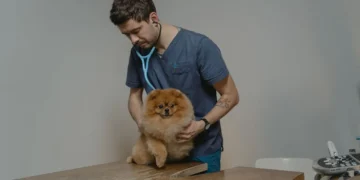
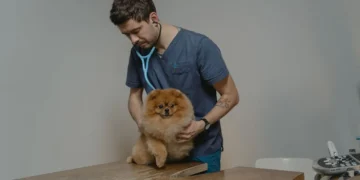
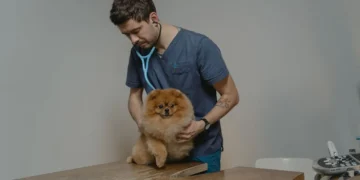
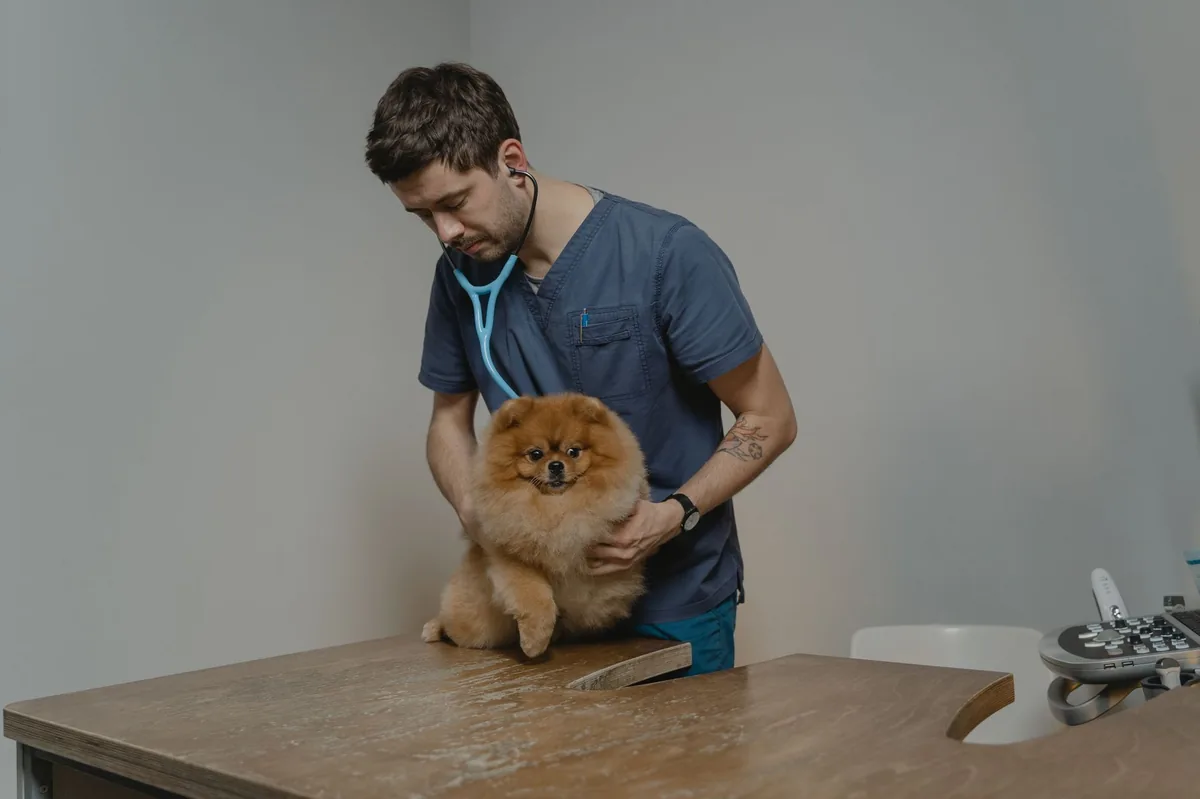
Diagnosing first‑degree heart block starts with a detailed history and physical exam. The veterinarian will typically perform the following tests:
- 12‑lead electrocardiogram (ECG): The gold standard. It measures the PR interval; a prolonged PR (>0.12 s) confirms first‑degree block.
- Holter monitor: A 24‑ to 48‑hour wearable ECG that captures rhythm changes during daily activity, helping to rule out higher‑grade blocks.
- Blood work: Chemistry panel, CBC, thyroid panel, and electrolyte profile to identify metabolic contributors.
- Echocardiogram (ultrasound of the heart): Assesses heart size, wall thickness, and valve function, which can uncover underlying disease.
- Chest radiographs: Look for signs of heart enlargement or fluid accumulation.
Each test adds a piece to the puzzle, allowing the vet to differentiate a benign first‑degree delay from more serious conduction disorders.
Treatment options
Medical treatment
Because first‑degree block itself rarely requires medication, treatment focuses on the underlying cause:
- Electrolyte correction: If low potassium is identified, your vet may prescribe potassium gluconate or a diet rich in potassium.
- Management of heart disease: ACE inhibitors (e.g., enalapril) or pimobendan are commonly used for dogs with dilated cardiomyopathy or chronic valvular disease. Ask your vet about these options.
- Beta‑blockers: For dogs where the AV delay is linked to excessive sympathetic tone, atenolol may be considered.
- Antithyroid medication: If hypothyroidism is contributing, levothyroxine can improve overall cardiac function.
All prescription drugs should be dosed by your veterinarian based on your dog’s weight and health status.
Supplements and supportive care
Adjunctive supplements can support heart health, especially when the underlying disease is chronic:
- Omega‑3 fatty acids (EPA/DHA): Shown to reduce inflammation and improve cardiac output in dogs with heart disease. A daily dose of 20 mg EPA per kilogram of body weight is typical; ask your vet for a brand recommendation.
- Coenzyme Q10 (Ubiquinol): May aid mitochondrial function in failing hearts; evidence is modest but safe when used as directed.
- Vitamin E and selenium: Antioxidants that can help protect cardiac cells; often included in therapeutic diets.
These supplements should complement, not replace, any prescribed medication.
Procedures or surgery
First‑degree block rarely needs invasive procedures. However, if the condition progresses to a higher‑grade block (second‑ or third‑degree), a permanent pacemaker may be recommended. Pacemaker implantation involves placing a small generator under the skin and leads into the heart chambers. Recovery typically takes 1–2 weeks, and costs range from $8,000 to $12,000 in the United States (see the cost section).
Diet and nutrition
A heart‑healthy diet can reduce strain on the cardiovascular system and support recovery from any concurrent heart disease. While there is no “cure‑by‑diet” for first‑degree block, the following guidelines are widely endorsed by the AAHA and the Merck Veterinary Manual:
| Do feed | Limit | Avoid |
|---|---|---|
| High‑quality protein (lean chicken, turkey, fish) | Excessive sodium (table salt, processed meats) | High‑fat, low‑nutrient “junk” foods |
| Omega‑3 rich foods (salmon oil, flaxseed) | Very high‑calorie treats | Raw diets with unknown taurine levels (unless balanced) |
| Complex carbohydrates (sweet potato, pumpkin) | Frequent table scraps | Excessive caffeine or chocolate |
Why protein matters: The heart relies on amino acids to repair muscle fibers. A diet with at least 18 % digestible protein helps maintain cardiac muscle mass, especially in dogs with dilated cardiomyopathy.
Sodium control: Too much salt can cause fluid retention and worsen heart failure. Look for “low‑sodium” or “reduced sodium” labels, and avoid adding extra salt at the bowl.
Omega‑3 fatty acids: EPA and DHA improve endothelial function and reduce inflammatory cytokines. Adding a fish‑oil supplement or feeding a diet formulated for “cardiac health” (often labeled as such) can provide 500–1,000 mg EPA per day for a 20‑lb dog.
When transitioning to a new diet, do it gradually over 5–7 days: mix 25 % new food with 75 % old food on day 1, increase the new portion by 25 % each subsequent day. This helps avoid gastrointestinal upset that could stress the heart.
If your dog has an underlying condition such as chronic valvular disease, a therapeutic “cardiac” diet—often higher in omega‑3s, moderate in protein, and low in sodium—is recommended. Brands differ, but the nutrient profile is consistent; discuss options with your veterinarian.
Hydration is also crucial. Ensure fresh water is always available, and consider adding a small amount of low‑sodium broth to encourage drinking if your dog seems reluctant.
Finally, maintain a healthy body condition. Overweight dogs place extra work on the heart. Use the PuppaDogs weight calculator to determine an ideal weight range and monitor body condition score monthly.

Cost and prognosis
First‑degree heart block itself is inexpensive to diagnose: a baseline ECG typically costs $80–$150 in the United States and £60–£120 in the United Kingdom. If additional testing (Holter monitor, echocardiogram, blood panel) is needed, the total initial work‑up can range from $300 to $800 (≈ £250–£650).
Long‑term management costs depend on the underlying disease:
- Medication: ACE inhibitors, pimobendan, or beta‑blockers usually cost $30–$70 per month.
- Supplements: Omega‑3 oils are $15–$30 per month.
- Follow‑up visits: Re‑checks every 6–12 months are $80–$120 each.
- Pacemaker (if needed later): $8,000–$12,000 for implantation plus $500–$800 annually for battery checks.
Pet insurance can offset many of these expenses. A comprehensive policy often covers diagnostics, medications, and even pacemaker surgery, though pre‑existing conditions may be excluded. Review the PuppaDogs cost guide for region‑specific estimates.
Prognosis is generally good for dogs with isolated first‑degree block and no significant heart disease—many live years without major issues. If the block is associated with cardiomyopathy or valvular disease, the outlook aligns with those conditions; median survival can range from 1 to 4 years, but early detection and treatment improve quality of life.
Prevention and home care
While you can’t stop age‑related changes, you can reduce the risk of progression:
- Regular veterinary check‑ups: Senior dogs should have a heart exam at least annually, including an ECG if any murmurs or arrhythmias are suspected.
- Maintain optimal weight: Overweight dogs strain their hearts. Use the PuppaDogs FAQ for diet tips.
- Limit sodium and processed treats: This helps prevent fluid buildup.
- Provide moderate exercise: Short, leashed walks keep the heart fit without overexertion. Avoid high‑intensity sprinting in dogs with known heart disease.
- Monitor heart rate at home: Place your hand over the left chest wall and count beats for 15 seconds, then multiply by four. Normal resting rates are 60–120 bpm; consistent rates above 150 bpm warrant a vet call.
- Watch for early signs: Any new coughing, fainting, or sudden fatigue should trigger a vet appointment.
These steps, combined with a heart‑supportive diet, give your dog the best chance of staying comfortable.
From our vet team: “First‑degree heart block is often a quiet alarm that the heart is aging or dealing with another problem. The key is early detection, routine monitoring, and a diet that eases cardiac workload. Most owners are surprised how well dogs do when we address the underlying condition and keep the lifestyle low‑stress.”
Key takeaways
- First‑degree heart block is a mild electrical delay that often causes no obvious symptoms.
- Common causes include age‑related fibrosis, underlying heart disease, electrolyte imbalances, and certain medications.
- Watch for lethargy, fainting, cough, or pale gums, and seek veterinary care promptly if they appear.
- Diagnosis relies on a standard ECG; additional tests (Holter, echo, bloodwork) uncover underlying issues.
- Treatment focuses on managing the root cause—diet, medications, and supplements—rather than the block itself.
- Regular check‑ups, a low‑sodium, omega‑3‑rich diet, and controlled exercise help prevent progression.
Myth vs. fact
Myth: First‑degree heart block always leads to sudden death.
Fact: In most dogs, first‑degree block is benign and does not cause life‑threatening events unless it progresses.
Myth: If a dog has first‑degree block, no treatment is ever needed.
Fact: While the block itself may not need medication, treating the underlying heart disease or electrolyte problem is often essential.
Myth: A high‑energy diet helps a dog with heart block recover faster.
Fact: Excess calories and sodium can worsen cardiac workload; a balanced, low‑sodium diet is recommended.
Frequently asked questions
What causes first-degree heart block in dogs?
First‑degree block usually stems from age‑related fibrosis, underlying heart disease, electrolyte imbalances, certain medications, or rare congenital defects. Managing these factors can often keep the block from worsening.
What are the signs of first-degree heart block in dogs?
Most dogs show no signs, but subtle clues include a “thump‑pause‑thump” heartbeat, reduced stamina, occasional fainting, coughing, or pale gums. Severe signs like sudden collapse or labored breathing require immediate veterinary attention.
Can first-degree heart block be cured in dogs?
The electrical delay itself is not “cured,” but if it’s caused by a reversible issue—like an electrolyte imbalance or medication side effect—addressing that cause can normalize the PR interval. Otherwise, management focuses on monitoring and treating any associated heart disease.
Is first-degree heart block dangerous for senior dogs?
For most senior dogs, first‑degree block is not immediately dangerous. However, it can signal underlying cardiac problems that need monitoring. Regular vet visits and a heart‑healthy lifestyle are key to maintaining quality of life.
What tests are used to diagnose heart block in dogs?
Veterinarians start with a 12‑lead ECG to measure the PR interval. A Holter monitor may be used for longer‑term rhythm assessment, and an echocardiogram evaluates heart structure. Blood work checks for electrolyte or thyroid issues.
How much does treatment for first-degree heart block cost?
Initial diagnostics range from $300 to $800 (including ECG, blood work, and imaging). Ongoing medication and supplement costs average $45–$100 per month, while pacemaker surgery—if needed later—costs $8,000–$12,000.
Ask the PuppaDogs community
Have a question this article didn’t fully answer? Want to compare notes with other dog owners who’ve been through this? Our community forum is moderated by experienced owners and vets — and answers tend to come fast. Ask in the PuppaDogs community →
References
- American College of Veterinary Internal Medicine (ACVIM). “Guidelines for the Diagnosis and Management of Cardiac Conduction Disorders.” 2022.
- American Animal Hospital Association (AAHA). “Senior Dog Care Guidelines.” 2023.
- Merck Veterinary Manual. “Atrioventricular Block in Dogs.” Updated 2024.
- American Veterinary Medical Association (AVMA). “Electrolyte Imbalance and Cardiac Function.” 2021.
- Veterinary Cardiology Society. “Use of Omega‑3 Fatty Acids in Canine Heart Disease.” 2020.
- World Small Animal Veterinary Association (WSAVA). “Nutritional Recommendations for Dogs with Cardiac Disease.” 2022.


