












Quick take: Heart and carotid artery tumors are rare but aggressive cancers that can cause sudden weakness, coughing, or a swollen neck. Early detection, imaging, and a tailored treatment plan—including surgery, chemotherapy, or palliative care—can extend life and improve quality of life. Costs vary widely; discuss options with your vet as soon as suspicious signs appear.
It’s 11 p.m., the house is quiet, and your 9‑year‑old mixed‑breed Labrador—once the poster‑dog for backyard fetch—lies at the foot of the stairs, breathing shallowly. You notice his gums look a bit paler than usual, and a faint swelling appears on the left side of his neck. Your mind races through a night‑time Google search, and the phrase “heart tumor” pops up, followed by “carotid artery tumor.” You wonder: is this an emergency? Can anything be done?
We understand that hearing “tumor” can feel like a punch to the gut. The good news is that many owners notice the first signs early enough to seek help, and a range of treatments—from surgery to supportive care—can give your dog more comfortable days. In this article, we break down exactly what heart and carotid artery tumors are, what to look for, how vets diagnose them, treatment options, costs, and how you can support your dog at home.
Read on to learn the symptoms that matter, the steps your vet will take, and practical tips for nutrition, follow‑up care, and budgeting. By the end you’ll have a clear plan of action and know when it’s time to call the vet right away.
What is heart and carotid artery tumors in dogs?
Heart and carotid artery tumors are abnormal growths that arise from the cells lining the heart chambers (most commonly the right atrium) or the large blood vessels in the neck. The most frequent type is hemangiosarcoma—a cancer of blood‑vessel‑forming cells. Other sarcomas, such as fibrosarcoma or rhabdomyosarcoma, and rarely lymphoma, can also develop in these locations.
These cancers are rare, accounting for roughly 1–2 % of all canine cancers (AAHA 2022). Because they grow inside vital structures, they often cause sudden clinical signs and can be life‑threatening if not addressed quickly.
What causes it?
The exact cause of most heart and carotid artery tumors is unknown, but several risk factors have been identified:
- Breed predisposition: German Shepherds, Golden Retrievers, and Boxers have a higher incidence of cardiac hemangiosarcoma; large‑breed dogs such as Great Danes and Mastiffs are over‑represented for carotid artery tumors.
- Age: These tumors most often appear in middle‑aged to senior dogs (7 years and older).
- Genetic factors: Certain inherited mutations related to blood‑vessel growth pathways are being studied, but no definitive gene test exists yet.
- Environmental exposure: There is limited evidence linking radiation or chronic inflammation to vascular tumors, but the data are not conclusive.
Signs and symptoms
Because the heart and carotid artery sit deep inside the chest and neck, early signs can be subtle. Below is a quick guide to what you might notice, organized by severity.
| Severity | Typical signs |
|---|---|
| Mild | Occasional coughing, slight lethargy, reduced appetite, faint neck swelling. |
| Moderate | Persistent cough, rapid breathing, pale gums, noticeable neck mass, fainting (syncope) during activity. |
| Severe | Sudden collapse, severe shortness of breath, massive neck swelling, bleeding into the chest (hemothorax), black‑tongued mouth. |
Early clues often include a new, painless swelling on the left or right side of the neck, unexplained coughing, or a sudden drop in energy. Some owners first notice that their dog is reluctant to climb stairs or seems “winded” after a short walk.
When to call your vet
Call your vet today if you notice any of the following:
- New, painless swelling on the neck or throat.
- Persistent cough, especially if it worsens at night.
- Noticeable lethargy, reduced appetite, or pale gums.
- Sudden episodes of fainting or weakness.
Go to an emergency veterinary hospital right now if your dog:
- Collapses or is unable to stand.
- Shows rapid breathing, bluish gums, or a distended abdomen.
- Bleeds from the nose or mouth, or you see blood‑tinged fluid in the chest (a sign of hemothorax).
These signs indicate that the tumor may be causing life‑threatening bleeding or blockage. This article is for informational purposes only and does not replace professional veterinary care.
How vets diagnose it
Diagnosing a heart or carotid artery tumor involves a step‑wise approach:
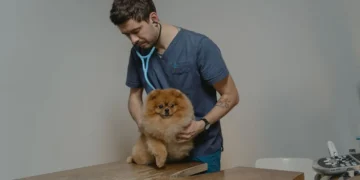
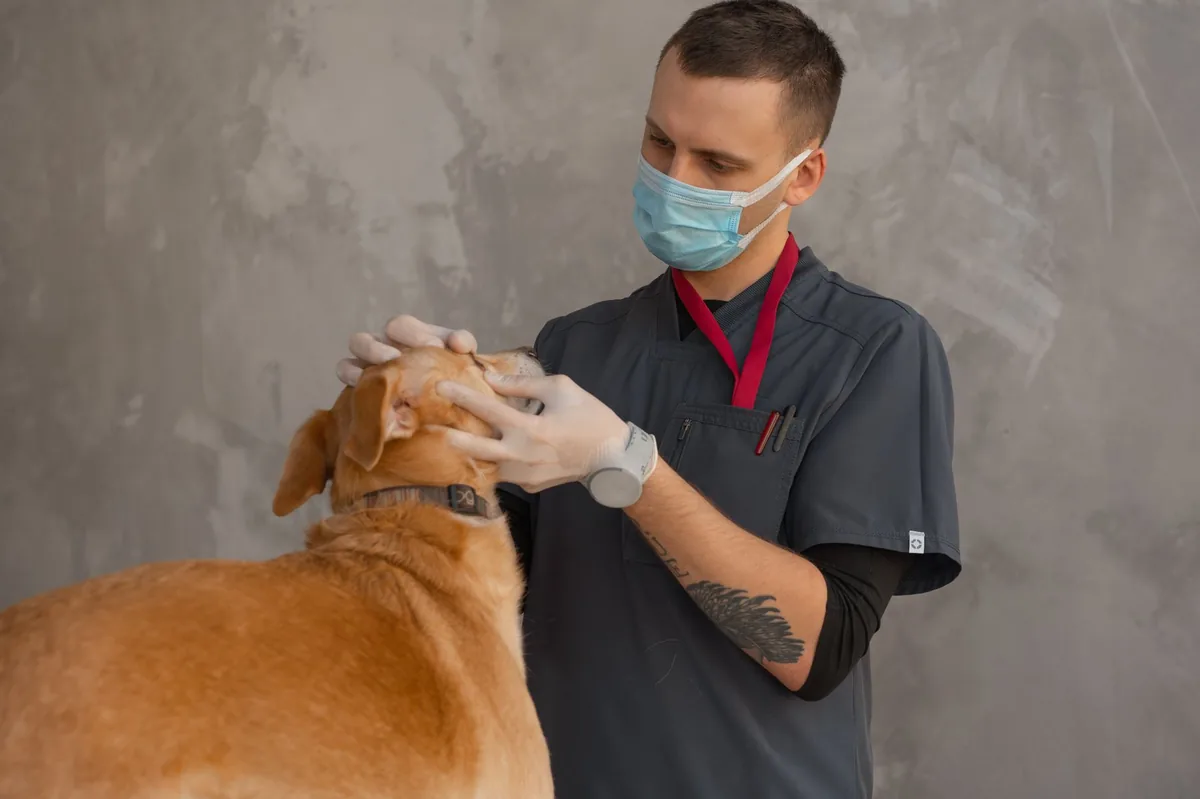
- History and physical exam: Your vet will ask about changes in activity, appetite, and any visible swelling. Palpation of the neck and auscultation (listening) of the heart help locate abnormalities.
- Blood work: A complete blood count (CBC) and chemistry panel can reveal anemia, low platelets, or organ involvement that often accompany hemangiosarcoma.
- Imaging:
- Thoracic radiographs (X‑rays): Show fluid accumulation or an enlarged heart silhouette.
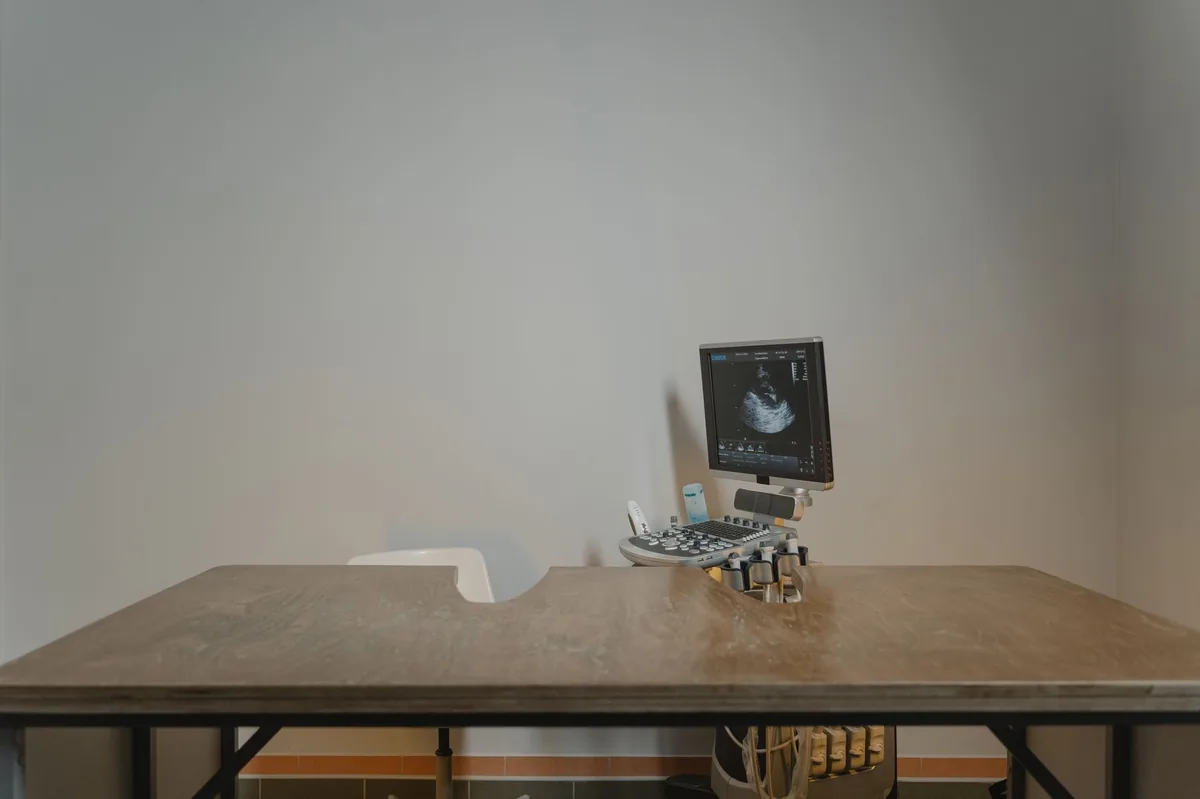
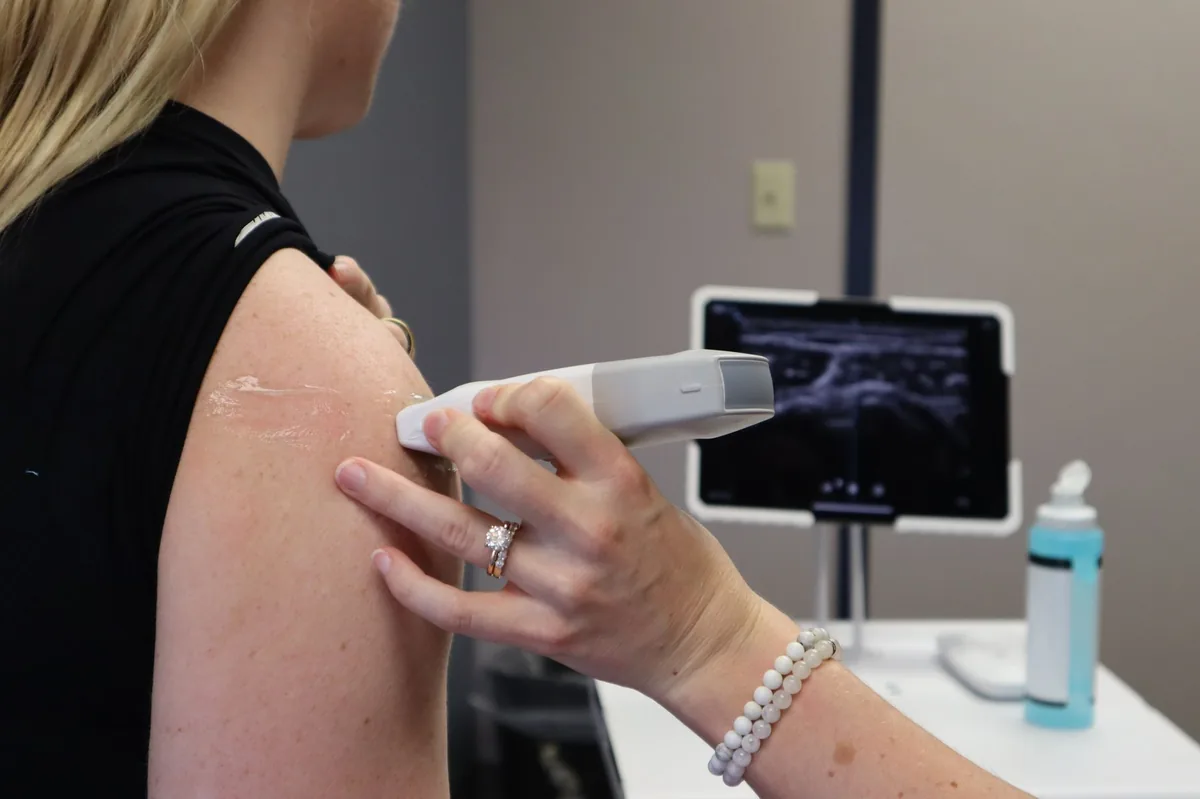
- Echocardiogram (ultrasound of the heart): Visualizes masses inside the chambers and assesses heart function.
- Computed tomography (CT) or magnetic resonance imaging (MRI): Provide detailed 3‑D images of the tumor’s size and relationship to surrounding vessels.
- Fine‑needle aspiration or core needle biopsy: A sample of the mass is taken under ultrasound or CT guidance. Cytology (cell analysis) often reveals the tumor type, but a tissue biopsy may be needed for a definitive diagnosis.
- Cardiac catheterization (rare): In specialized centers, a catheter can retrieve tissue from inside the heart while measuring blood flow.
These tests help your vet stage the disease (how far it has spread) and decide on the best treatment plan.
Treatment options
Medical treatment
Medical management focuses on controlling tumor growth and relieving symptoms. Common drug classes include:
- Chemotherapy: Doxorubicin (Adriamycin) and carboplatin are standard agents for hemangiosarcoma. They aim to shrink the tumor and delay metastasis. Ask your vet about this option.
- Targeted therapy: Tyrosine‑kinase inhibitors such as Palladia (toceranib) have shown benefit in some vascular tumors.
- Supportive drugs: NSAIDs (e.g., carprofen) can reduce inflammation, while anti‑arrhythmic medications manage heart rhythm disturbances caused by cardiac masses.
Supplements and supportive care
Adjunctive supplements may help improve quality of life, especially when the tumor has caused anemia or cardiac strain:
- Omega‑3 fatty acids (EPA/DHA): Anti‑inflammatory properties and may modestly slow tumor growth. A daily dose of 100 mg EPA per 10 lb body weight is typical, but ask your vet for a product that meets AAFCO standards.
- Coenzyme Q10: Supports mitochondrial function in heart muscle; safe for most dogs when given at 1–2 mg/kg.
- Probiotics: Helpful if chemotherapy causes gastrointestinal upset. Look for a canine‑specific strain such as Bacillus coagulans.
Procedures or surgery
Surgical removal offers the best chance for prolonged survival when the tumor is localized and the dog can tolerate anesthesia. The procedure varies:
- Cardiac tumor resection: Performed via a median sternotomy (opening the chest). Surgeons excise the mass and may repair the heart wall with sutures or patches.
- Carotid artery tumor excision: Involves removal of the mass and reconstruction of the vessel, often using a synthetic graft or primary closure.
- Radiation therapy: Used when surgery isn’t feasible; external beam radiation can shrink tumors and alleviate pain.
Recovery after cardiac or carotid surgery typically requires 7–14 days of hospitalization, pain management, and careful monitoring for bleeding or arrhythmias. The cost for a full surgical suite (including anesthesia, ICU stay, and post‑op care) can range from $7,000 to $15,000 in the United States, and £5,500–£11,000 in the United Kingdom (estimated).
Diet and nutrition
Nutrition plays a supportive role in recovery and long‑term health for dogs with vascular tumors. While no single diet can cure cancer, feeding strategies can help maintain body condition, support the immune system, and reduce stress on the heart.
Key principles:
- Highly digestible protein: Choose a diet with quality animal protein (e.g., chicken, turkey, or fish) that is easy on the digestive tract. This helps preserve lean muscle mass, especially if chemotherapy reduces appetite.
- Moderate fat, high omega‑3: Adding fish oil or feeding a commercial diet enriched with EPA/DHA reduces inflammation and may modestly slow tumor progression.
- Low sodium: For dogs with cardiac involvement, limiting sodium helps prevent fluid buildup (edema) and reduces strain on the heart. Aim for < 0.3 % sodium on a dry‑matter basis.
- Antioxidant‑rich foods: Ingredients like blueberries, carrots, and pumpkin provide vitamins C and E, which support cellular health.
Many owners transition their dogs to a therapeutic “cardiac” or “oncology” diet after surgery. These diets are formulated to be low‑sodium, high‑quality protein, and enriched with antioxidants. Examples include prescription diets from veterinary companies (e.g., Hill’s Prescription Diet k/d or Royal Canin Veterinary Diet Cardiac). You don’t need to purchase a brand‑specific product; any high‑quality, low‑sodium kibble that meets AAFCO nutrient profiles works.
Foods to favor:
| Do feed | Why |
|---|---|
| Cooked lean meats (chicken, turkey, white fish) | Highly digestible protein, low fat |
| Commercial low‑sodium dry or wet diets | Controls sodium intake, balanced nutrients |
| Omega‑3 supplements or fish oil | Anti‑inflammatory, supports heart health |
| Cooked pumpkin or sweet potato | Fiber, vitamins, gentle on stomach |
Foods to limit or avoid:
- High‑salt treats (e.g., jerky, processed snacks).
- Rich fatty cuts of meat or fried foods, which can overload the heart.
- Excessive dairy, as many dogs are lactose intolerant and it can cause GI upset.
- Raw bones that might splinter and cause oral injury.
When your dog is recovering from surgery or chemotherapy, offer smaller, more frequent meals (e.g., 4–6 meals per day) to encourage intake without overwhelming the stomach. Warm the food slightly to enhance aroma, which can stimulate appetite.
Hydration is just as important. Fresh water should always be available, and low‑sodium broth can be added to meals to increase fluid intake without excess salt.
Finally, discuss any dietary changes with your vet. Some prescription diets require a gradual transition over 7–10 days to avoid gastrointestinal upset.
Cost and prognosis
Because these tumors are rare and often require advanced imaging and surgery, costs can add up quickly. Below is a typical range for the United States and the United Kingdom (all figures are estimates and can vary by clinic, location, and individual case).
| Service | US Estimate | UK Estimate |
|---|---|---|
| Initial blood work & chemistry panel | $200–$400 | £150–£300 |
| Thoracic radiographs | $150–$300 | £120–£250 |
| Echocardiogram | $300–$600 | £250–£500 |
| CT or MRI | $1,000–$2,500 | £800–£1,800 |
| Biopsy (needle or surgical) | $500–$1,200 | £400–£900 |
| Surgical resection (heart) | $7,000–$15,000 | £5,500–£11,000 |
| Carotid artery excision | $6,500–$13,000 | £5,000–£10,000 |
| Chemotherapy (full protocol) | $2,500–$6,000 | £2,000–£5,000 |
| Radiation therapy (course) | $3,000–$7,000 | £2,500–£6,000 |
| Palliative care (meds + monitoring) | $500–$1,500 per month | £400–£1,200 per month |
Prognosis depends heavily on tumor type and stage. For localized cardiac hemangiosarcoma that can be completely removed, median survival is 8–12 months with surgery plus chemotherapy (AAHA 2022). If the tumor has already metastasized (common in hemangiosarcoma), median survival drops to 2–4 months, though palliative care can keep dogs comfortable for weeks to months.
Carotid artery tumors have a slightly better prognosis when caught early, with surgical removal offering median survival of 12–18 months. However, recurrence is not uncommon, and ongoing monitoring is essential.
Prevention and home care
Because the exact cause is unknown, true prevention is limited, but you can reduce risk and catch problems early:
- Regular wellness exams: Annual physicals with heart auscultation and blood work help detect subtle changes before they become emergencies.
- Screening for high‑risk breeds: If you own a German Shepherd, Golden Retriever, or large‑breed dog, discuss baseline echocardiograms with your vet, especially after age 7.
- Maintain a healthy weight: Obesity strains the heart and may accelerate tumor growth.
- Limit exposure to known carcinogens: Avoid unnecessary radiation (e.g., repeated X‑rays) and discuss any environmental toxin concerns with your vet.
- Monitor for subtle changes: Keep an eye on coughing, breathing patterns, and any neck swelling. A quick photo of the neck area each month can help you spot gradual growth.
After treatment, your vet will likely schedule follow‑up imaging every 3–6 months. Keep a log of your dog’s activity, appetite, and any new symptoms to share at each visit.
From our vet team: “When a tumor is found in the heart or carotid artery, the first priority is stabilizing your dog’s breathing and circulation. Even if surgery isn’t an option, chemotherapy, targeted drugs, and supportive care can add meaningful weeks or months of quality life. Ask your vet about a detailed cost plan early on—it helps you make informed choices without surprise bills.”
Key takeaways
- Heart and carotid artery tumors are rare, aggressive cancers that often present with coughing, pale gums, or a neck swelling.
- Early imaging (X‑ray, echocardiogram, CT/MRI) and a tissue biopsy are essential for a definitive diagnosis.
- Surgery offers the best chance for extended survival, but chemotherapy, targeted therapy, and palliative care are viable alternatives.
- Costs can range from a few hundred dollars for diagnostics to over $15,000 for full surgical treatment; discuss payment options with your clinic early.
- Low‑sodium, highly digestible protein diets supplemented with omega‑3s support recovery and reduce cardiac strain.
- Regular wellness checks and prompt attention to new coughs or neck masses can catch tumors before they become emergencies.
Myth vs. fact
Myth: “All heart tumors are untreatable and mean immediate death.”
Fact: While many heart tumors are aggressive, surgery combined with chemotherapy can extend life by several months, and palliative care can keep dogs comfortable for weeks to months.
Myth: “Carotid artery tumors only affect old dogs and cannot be removed.”
Fact: Carotid artery tumors can appear in middle‑aged dogs, and surgical excision is possible when the mass is localized, offering a realistic chance of prolonged survival.
Myth: “Diet has no impact on cancer outcomes.”
Fact: A low‑sodium, high‑quality protein diet with omega‑3 supplementation can improve heart function and overall well‑being during treatment.
Frequently asked questions
What symptoms indicate a heart tumor in a dog?
Common signs include a persistent cough, rapid breathing, pale gums, sudden weakness, and in some cases, a swollen neck if the tumor involves the carotid artery.
How is a carotid artery tumor confirmed in dogs?
Diagnosis typically involves ultrasound or CT imaging to locate the mass, followed by a fine‑needle or core biopsy that reveals the tumor’s cell type under a microscope.
Is surgery the only treatment for canine heart tumors?
No. While surgery offers the longest survival when feasible, chemotherapy, targeted drugs, radiation, and palliative care are also used, especially when tumors have spread.
What is the prognosis for dogs with heart or carotid artery tumors?
Prognosis varies: localized cardiac hemangiosarcoma treated with surgery plus chemotherapy averages 8–12 months survival; metastatic disease shortens it to 2–4 months. Carotid artery tumors, when removed early, can give 12–18 months of life.
How much does cancer treatment for these tumors typically cost?
Diagnostics range from $500 to $3,000; surgery can cost $7,000–$15,000; chemotherapy protocols add $2,500–$6,000; radiation therapy may be $3,000–$7,000. Costs differ by region and clinic.
Can diet or supplements help a dog with a heart tumor?
Yes. A low‑sodium, highly digestible protein diet reduces cardiac strain, while omega‑3 fatty acids and antioxidants can support overall health and may modestly slow tumor progression.
Ask the PuppaDogs community
Have a question this article didn’t fully answer? Want to compare notes with other dog owners who’ve been through this? Our community forum is moderated by experienced owners and vets — and answers tend to come fast. Ask in the PuppaDogs community →
References
- American Animal Hospital Association (AAHA) 2022 Canine Oncology Guidelines.
- American Veterinary Medical Association (AVMA) Veterinary Oncology Consensus Statement, 2021.
- Merck Veterinary Manual, “Hemangiosarcoma” chapter.
- World Small Animal Veterinary Association (WSAVA) recommendations on cardiac imaging, 2020.
- American College of Veterinary Internal Medicine (ACVIM) Consensus on Cardiac Tumor Management, 2021.
- Veterinary Cancer Society, “Chemotherapy Protocols for Canine Vascular Tumors,” 2022.
- University of California, Davis Veterinary Medicine, “Carotid Artery Tumors in Dogs” clinical overview, 2023.
- American Kennel Club (AKC) breed health data, hemangiosarcoma incidence, 2022.
- American Association of Feed Control Officials (AAFCO) Nutrient Profiles for Therapeutic Diets, 2021.
- Veterinary Oncology Group (VOG) cost analysis for canine cancer treatments, 2023.


