














Quick take: Gallstones (cholelithiasis) are solid crystals that form in a dog’s gallbladder or bile ducts. They can cause mild tummy upset or life‑threatening blockage, depending on size and location. Diagnosis relies on blood work and imaging; treatment ranges from medication to surgery, and many cases are preventable with diet and weight management.
It’s 9 p.m., the kitchen lights are dim, and you’ve just watched your 8‑year‑old Golden Retriever, Max, stare at his empty bowl before sighing and lying down. A few hours earlier he’d vomited once, his stomach seemed uncomfortable, and his belly felt a bit hard to the touch. You’ve Googled “why is my dog vomiting?” and the top result mentions gallstones. Your heart races; you wonder if this could be serious and what you should do tonight.
First, breathe. Gallstones in dogs are not as common as in humans, but they do happen—especially in certain breeds and older dogs. The good news is that many cases are caught early, treated successfully, and can be kept from returning with simple lifestyle tweaks.
In this guide we’ll explain exactly what gallstones are, why they form, how to spot them, when to call your vet, how they’re diagnosed, treatment options (including surgery), diet tips, cost expectations, and steps you can take to prevent them in the future.
What is gallstones in dogs?
Gallstones, medically called cholelithiasis, are tiny, solid particles that develop from substances in bile—usually cholesterol, bilirubin, or calcium salts. Think of them as the “pebble” version of the sand you might find at the beach; they settle in the gallbladder, a small sac that stores bile, or in the bile ducts that carry bile to the small intestine.
In dogs, gallstones are relatively rare, accounting for less than 1 % of all biliary (bile‑related) disease cases, according to the American College of Veterinary Internal Medicine (ACVIM). However, when they do appear they can range from harmless “silent” stones to dangerous blockages that stop bile flow, leading to liver damage or severe abdominal pain.
What causes gallstones?
Several factors can tip the balance toward stone formation. The most common categories are:
- Dietary influences: High‑fat, low‑fiber diets can increase cholesterol saturation in bile, making stones more likely.
- Genetic predisposition: Certain breeds—such as Shetland Sheepdogs, Cocker Spaniels, and Miniature Schnauzers—show a higher incidence of cholesterol or pigment stones.
- Concurrent liver or biliary disease: Chronic hepatitis, gallbladder mucocele, or pancreatitis can alter bile composition.
- Metabolic disorders: Diabetes mellitus, hypothyroidism, and obesity affect how the body processes fats and bilirubin.
- Medications or toxins: Long‑term use of corticosteroids or certain antibiotics can influence bile chemistry.
Signs and symptoms
Because gallstones can be tiny, early signs are often subtle and easy to miss. Below is a quick guide that moves from mild to severe manifestations.
| Severity | Typical signs |
|---|---|
| Mild | Occasional vomiting, reduced appetite, slight abdominal tenderness, pale‑yellow stool. |
| Moderate | Frequent vomiting, abdominal bloating, yellow‑tinged gums (jaundice), lethargy, weight loss. |
| Severe | Sudden inability to vomit (vomiting reflex blocked), severe abdominal pain, shock signs (rapid heartbeat, pale gums), dark urine, collapse. |
Key differences from other biliary disorders: gallbladder mucocele often presents with a “rubbery” gallbladder on ultrasound and a distinct “fluffy” appearance on imaging, while gallstones appear as bright, echogenic (white) spots. Jaundice is more common with stones that block the common bile duct.
When to call your vet
Call your vet today if you notice any of the moderate signs above—especially repeated vomiting, loss of appetite, or yellow gums. These symptoms warrant a prompt evaluation, but your dog is still stable enough to travel.
Go to an emergency veterinary hospital now if you see severe signs such as sudden, intense abdominal pain, collapse, rapid breathing, or a very weak pulse. These indicate possible bile duct blockage, which can become life‑threatening within hours.
This article is for informational purposes only and does not replace a hands‑on veterinary exam.
How vets diagnose gallstones
Diagnosis starts with a thorough history and physical exam. Your vet will listen for abdominal pain, check gum color, and feel the abdomen for swelling.
Blood work: A complete blood count (CBC) and serum chemistry panel can reveal elevated liver enzymes (ALT, ALP), bilirubin, and sometimes signs of inflammation. The AAHA guidelines note that high bilirubin combined with liver enzyme spikes often points toward a biliary obstruction.
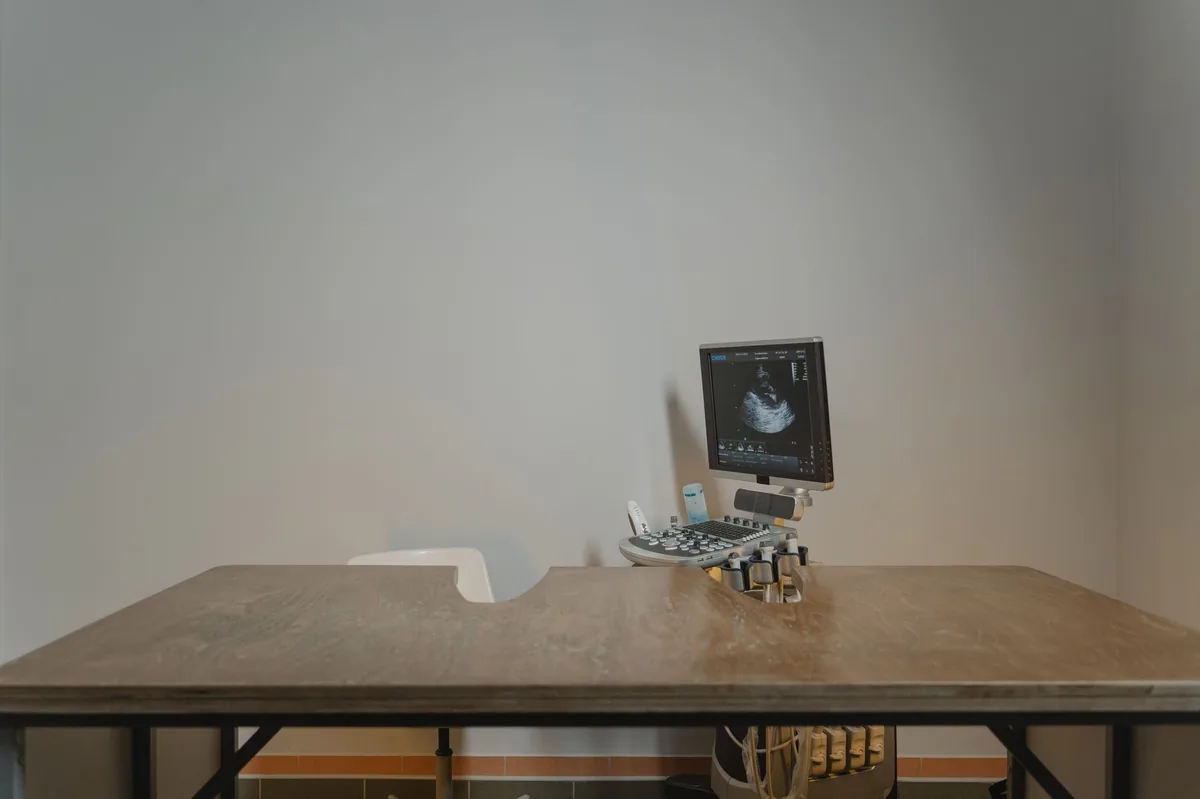
Imaging: Abdominal ultrasound is the gold standard. Stones show up as bright, shadow‑casting structures within the gallbladder or ducts. In some cases, a plain abdominal X‑ray can detect larger cholesterol stones, but ultrasound is far more sensitive.
Additional tests: If the ultrasound is inconclusive, a CT scan or MRI may be recommended, especially if surgery is being considered. Your vet might also perform a bile culture to rule out infection.
Treatment options
Medical treatment
When stones are small and not causing a blockage, many vets start with medication to dissolve or prevent growth. Common drug classes include:
- Ursodeoxycholic acid (UDCA): A bile acid that can help dissolve cholesterol stones and improve bile flow. Ask your vet about this option.
- Antibiotics: If a secondary bacterial infection is present, broad‑spectrum agents such as amoxicillin‑clavulanic acid may be prescribed.
- Anti‑inflammatory drugs: Non‑steroidal anti‑inflammatory drugs (NSAIDs) like carprofen can reduce abdominal pain, but only under veterinary supervision.
- Supportive fluids: Intravenous (IV) fluids keep the dog hydrated and support liver function while the stones are managed.
Medical therapy can take weeks to months to show results, and regular follow‑up ultrasounds are essential to monitor stone size.
Supplements and supportive care
Evidence‑based supplements can aid recovery and lower the risk of recurrence:
- Omega‑3 fatty acids (EPA/DHA): Reduce inflammation in the liver and gallbladder. A daily fish‑oil capsule (dose based on weight) is often recommended.
- Milk thistle (silymarin): Supports liver detoxification and may improve bile quality. Look for a product standardized to 80 % silymarin.
- Probiotics: Maintaining gut health helps overall digestion and can lessen bile‑acid irritation.
These supplements are adjuncts only—never a replacement for prescribed medication.
Procedures or surgery
When stones are large, multiple, or cause a blockage, surgical removal becomes the best option. The most common procedure is a cholecystectomy (gallbladder removal) or a stone extraction via the common bile duct.
During surgery, the vet will make a small incision in the abdomen, locate the gallbladder, and either remove it whole or flush out the stones. Recovery typically involves 2–3 days of hospitalization for pain control and IV fluids, followed by 2–4 weeks of restricted activity at home.
Cost ranges (see the Cost and Prognosis section) vary widely, but many owners find the expense justified given the potential for life‑threatening complications if stones remain.
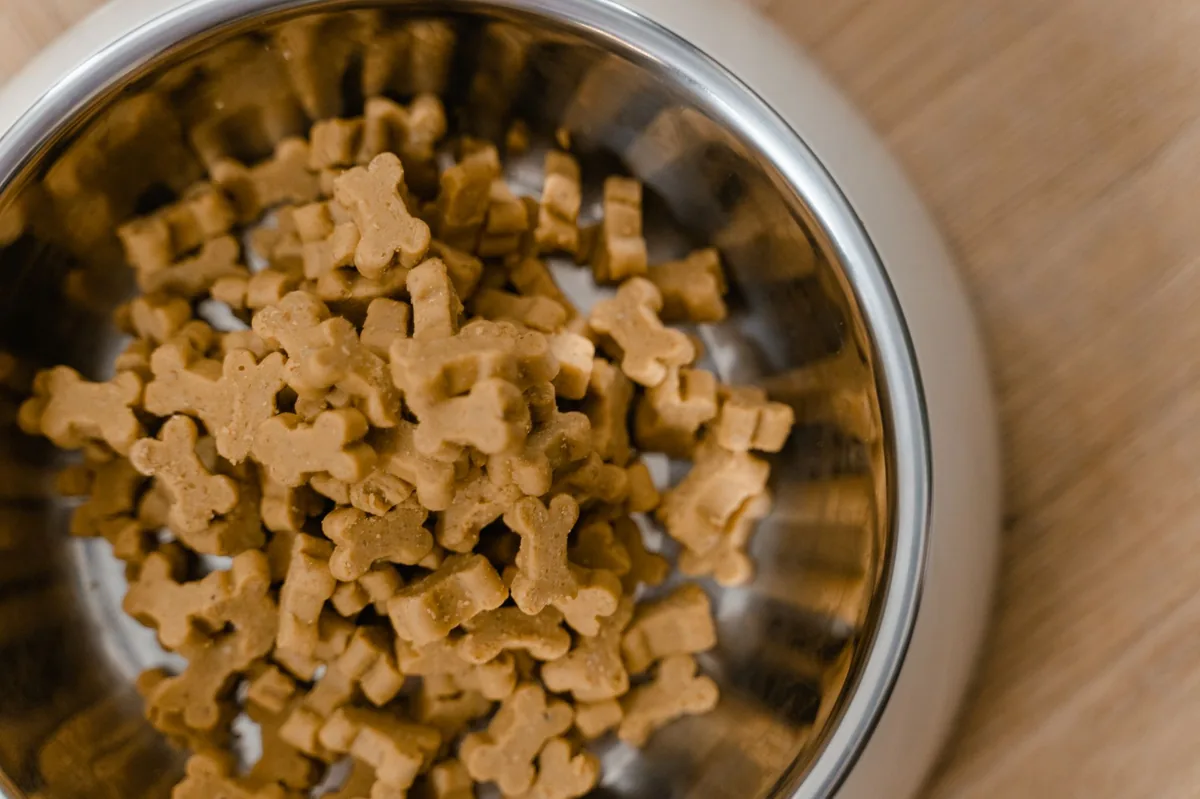
Diet and nutrition
Diet plays a central role in both preventing gallstone formation and supporting recovery after treatment. While no single “gallstone diet” is universally required, the following guidelines help keep bile composition healthy.
| Food category | Recommendation | Why it matters |
|---|---|---|
| High‑quality protein | Feed lean meats (chicken, turkey, white fish) in moderate amounts | Provides essential amino acids without excess fat that could raise cholesterol in bile. |
| Low‑fat content | Aim for < 15 % kcal from fat | Reduces cholesterol saturation, decreasing stone risk. |
| Fiber | Include soluble fiber (pumpkin, sweet potato) 1–2 Tbsp per 10 lb body weight | Helps bind bile acids and promotes regular gallbladder emptying. |
| Prescription therapeutic diets | Consider a “low‑fat, highly digestible” renal or hepatobiliary diet if advised by your vet | Formulated to support liver health and reduce bile‑stone forming substrates. |
| Foods to limit/avoid | High‑fat treats, table scraps, organ meats, and dairy | Excess fat and cholesterol can trigger stone formation. |
When transitioning to a new diet, do it gradually over 5–7 days: mix 25 % new food with 75 % old food on day 1, increase the new portion by 25 % each day. This helps prevent gastrointestinal upset and gives the gallbladder time to adjust.
Hydration is also crucial. Fresh water should always be available, and adding a splash of low‑sodium broth to meals can encourage extra fluid intake.
If your dog is recovering from surgery, your vet may prescribe a bland diet (boiled chicken and rice) for the first 24–48 hours, then slowly reintroduce the therapeutic diet.
Cost and prognosis
Financial considerations are a real part of any veterinary decision. Below are typical cost ranges, based on data from the American Veterinary Medical Association (AVMA) and a 2023 survey of US veterinary practices. Prices can differ by region, clinic type, and whether you have pet insurance.
| Service | US estimate | UK estimate | Notes |
|---|---|---|---|
| Initial blood work and ultrasound | $200–$400 | £150–£300 | Includes CBC, chemistry, and abdominal ultrasound. |
| Medical management (meds + supplements + rechecks for 3 months) | $150–$350 | £120–£280 | Varies with drug choices and number of follow‑up scans. |
| Cholecystectomy or stone extraction surgery | $3,000–$6,500 | £2,200–£5,000 | Hospitalization, anesthesia, post‑op meds included. |
| Post‑op care (pain meds, fluids, 2‑week stay) | $500–$1,200 | £350–£800 | Depends on length of stay. |
Pet insurance often covers a portion of the diagnostic workup and surgery, but pre‑existing conditions (like chronic gallbladder disease) may be excluded. Review your policy’s “pre‑existing condition” clause and discuss coverage with your provider before surgery.
Prognosis varies: dogs that undergo successful surgery have a > 80 % chance of returning to normal activity within 4–6 weeks. Those treated medically alone have a good chance of symptom control if stones are small, but recurrence rates can be as high as 30 % over two years.
Prevention and home care
Preventing gallstones starts with everyday choices:
- Maintain a healthy weight: Obesity raises cholesterol levels in bile. Aim for a body condition score (BCS) of 4–5/9.
- Feed a low‑fat, high‑quality diet: Follow the feeding guidelines in the Diet and Nutrition section.
- Regular veterinary check‑ups: Annual blood panels and abdominal ultrasounds are especially important for breeds at higher risk.
- Monitor for early signs: Keep an eye on appetite, vomiting frequency, and gum color. Early detection makes treatment far easier.
- Limit high‑fat treats and table scraps: Even occasional indulgences can shift bile chemistry.
If your dog has already had gallstones removed, your vet may recommend lifelong low‑fat feeding and periodic ultrasound screening—usually every 6–12 months.
From our vet team: “Most owners worry that gallstones are a “one‑off” emergency, but they’re often a sign of an underlying metabolic or dietary issue. By adjusting food, keeping your dog at a healthy weight, and staying on top of routine blood work, you can dramatically lower the chance of stones returning.”
Key takeaways
- Gallstones are solid particles in the gallbladder that can cause anything from mild vomiting to life‑threatening blockage.
- Risk factors include high‑fat diets, certain breeds, liver disease, and obesity.
- Early signs are subtle—watch for repeated vomiting, loss of appetite, and yellow gums.
- Prompt veterinary evaluation (blood work + ultrasound) is essential; severe pain or collapse requires emergency care.
- Treatment ranges from medication (UDCA, antibiotics) to surgery (cholecystectomy); prognosis is generally good with timely care.
- Prevent recurrence with a low‑fat, high‑quality diet, regular weight checks, and annual veterinary screening.
Myth vs. fact
Myth: “Gallstones always need surgery.”
Fact: Small, non‑obstructive stones can often be dissolved with medication and dietary changes, though surgery is required for large or blocked stones.
Myth: “A low‑fat diet will instantly dissolve existing gallstones.”
Fact: Diet helps prevent new stones and may aid in managing existing ones, but it does not instantly dissolve them; medical therapy is usually needed.
Myth: “Only large dogs get gallstones.”
Fact: While larger breeds may have higher absolute numbers, small and medium breeds—especially those with genetic predisposition—can develop stones as well.
Frequently asked questions
Can gallstones cause vomiting in dogs?
Yes. Gallstones can irritate the gallbladder or block bile flow, leading to nausea and vomiting. Early vomiting may be mild, but if the blockage worsens, vomiting can become frequent and severe.
What blood tests indicate gallstones in dogs?
Elevated liver enzymes (ALT, ALP) and increased bilirubin are common clues. A high alkaline phosphatase combined with jaundice often points toward a biliary obstruction like gallstones.
Is a low‑fat diet enough to dissolve gallstones in dogs?
While a low‑fat diet is essential for prevention and can aid medical therapy, it alone rarely dissolves existing stones. Your vet may prescribe ursodeoxycholic acid or other medications to actively break down stones.
How quickly do symptoms appear after gallstones form?
Symptoms can develop over days to weeks, depending on stone size and location. Small stones may stay silent for months, whereas a large stone that blocks the bile duct can cause sudden, severe pain.
Will my dog need lifelong medication after gallstone removal?
Many dogs do not need lifelong drugs after successful surgery, but some veterinarians recommend a low‑dose ursodeoxycholic acid or liver‑support supplements to reduce recurrence risk, especially in high‑risk breeds.
Are gallstones hereditary in certain dog breeds?
Yes. Breeds such as Shetland Sheepdogs, Cocker Spaniels, and Miniature Schnauzers have a higher genetic predisposition to cholesterol or pigment stones, likely due to inherited differences in bile metabolism.
Ask the PuppaDogs community
Have a question this article didn’t fully answer? Want to compare notes with other dog owners who’ve been through this? Our community forum is moderated by experienced owners and vets — and answers tend to come fast. Ask in the PuppaDogs community →
References
- American College of Veterinary Internal Medicine (ACVIM). “Biliary Disease in Dogs.” 2022.
- American Animal Hospital Association (AAHA). “Canine Hepatobiliary Health Guidelines.” 2023.
- Merck Veterinary Manual. “Cholelithiasis (Gallstones) in Dogs.” Updated 2023.
- American Veterinary Medical Association (AVMA). “Pet Insurance and Pre‑Existing Conditions.” 2022.
- University of California, Davis School of Veterinary Medicine. “Dietary Management of Canine Gallbladder Disease.” 2021.
- World Small Animal Veterinary Association (WSAVA). “Nutrition for Dogs with Liver and Biliary Disorders.” 2023.
- AKC Breed Health Survey. “Shetland Sheepdog Health Issues.” 2022.
- Veterinary Partner (CVM). “Ultrasound Diagnosis of Gallstones.” 2022.


