











Quick take: Eye inflammation (anterior uveitis) is a painful, potentially sight‑threatening condition that affects the front part of the eye. It can be triggered by infection, trauma, immune disease, or systemic illness. Prompt veterinary care—often within hours of noticing red, cloudy eyes—greatly improves the chance of preserving vision.
It’s 9 p.m., you’re winding down on the couch, and your normally spry Border Collie‑mix doesn’t lift his head to greet you. Instead, he blinks slowly, his eyes look a little clouded, and you notice a faint pinkish‑red ring around the iris. Your heart starts racing, you Google “red eye in dogs,” and the results mention “uveitis” among a sea of vague explanations. You wonder: Is this something you can treat at home, or does your dog need emergency care?
We get it. Eye problems are scary because they affect a sense you can’t see. The good news is that many cases of anterior uveitis are manageable when caught early, and our vet team can guide you through what to look for, how it’s diagnosed, and what treatment options are available—including cost considerations and ways to lower the risk in the future.
In this article we’ll explain what anterior uveitis is, why it happens, the signs you should watch for, how vets figure out the cause, and the full range of medical, supportive, and surgical options. We’ll also cover diet tweaks, typical expenses, prognosis, and practical steps you can take at home to protect your dog’s eyes.
What is eye inflammation (anterior uveitis) in dogs?
Anterior uveitis is inflammation of the uveal tract’s front portion—the iris, ciliary body, and the front of the choroid. The uvea is the eye’s “middle layer,” rich in blood vessels that supply oxygen and nutrients. When this tissue becomes inflamed, the eye swells, the pupil may become irregular, and the normally clear structures can look hazy or red.
The condition is relatively common in dogs of any age, but certain breeds (such as Siberian Huskies, German Shepherds, and Cocker Spaniels) appear more prone. According to the American College of Veterinary Internal Medicine (ACVIM), uveitis accounts for roughly 5‑10 % of canine ophthalmic referrals, making it a frequent enough problem that most primary‑care vets see it several times a year.
What causes anterior uveitis in dogs?
Uveitis is rarely “idiopathic” (unknown cause) in dogs; most cases have an identifiable trigger. The causes fall into three broad categories:
| Category | Typical Triggers |
|---|---|
| Infectious | Leptospira, Toxoplasma, Ehrlichia, Rocky Mountain spotted fever, canine distemper, fungal infections (e.g., blastomycosis) |
| Immune‑mediated / systemic disease | Autoimmune disorders (e.g., systemic lupus erythematosus), immune‑complex diseases, rheumatoid arthritis, granulomatous disease |
| Trauma & other local factors | Penetrating eye injury, intra‑ocular surgery, intra‑ocular foreign bodies, lens rupture, severe allergic reaction |
Other less common contributors include neoplasia (cancer of the eye or nearby structures), drug reactions (especially systemic steroids withdrawn abruptly), and metabolic disorders such as diabetes or hyperthyroidism.
Signs and symptoms
Because the eye is a window to the body, inflammation often produces a mix of visible and behavioral clues. Early signs can be subtle, while severe disease may threaten vision.
| Severity | Typical Signs |
|---|---|
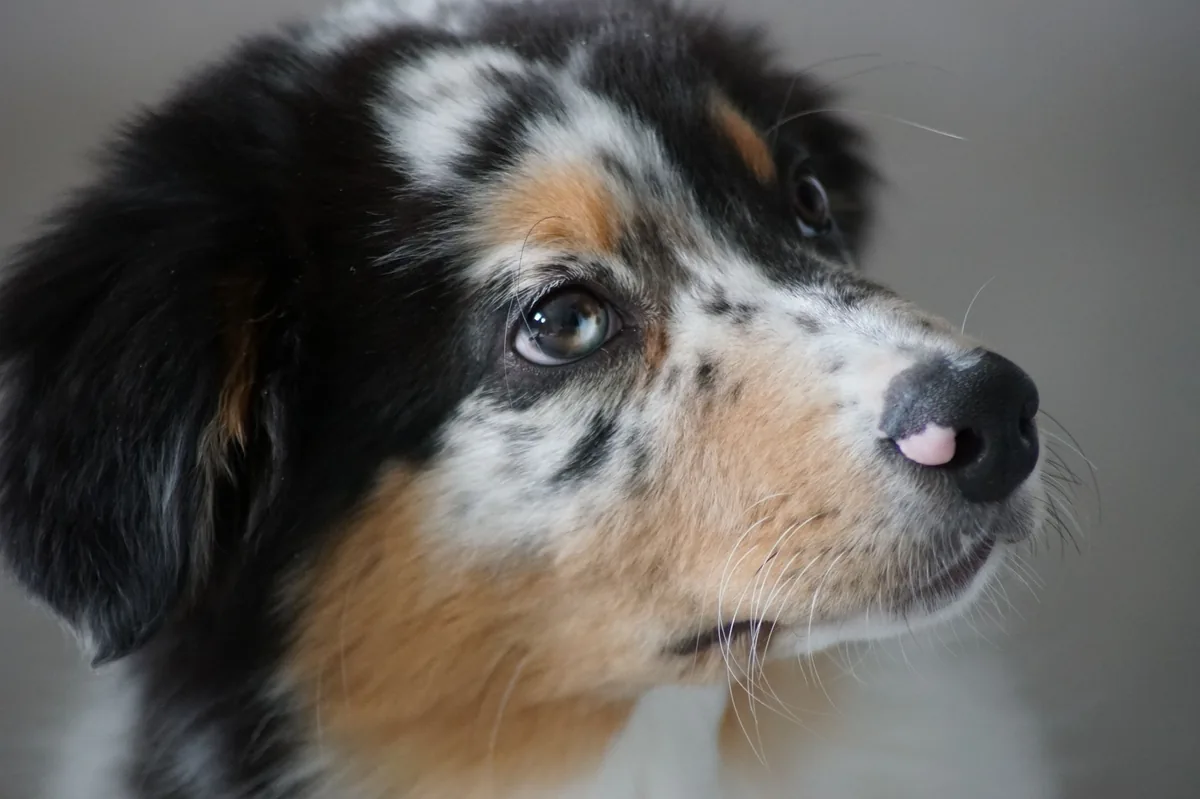
| Mild | Redness around the iris, slight squinting, occasional tearing, pawing at the eye |
| Moderate | Visible “flare” (small white cells) in the anterior chamber, cloudy cornea, irregular pupil size, photophobia (sensitivity to light) |
| Severe | Marked pain (crying, vocalizing), deep eye pain on palpation, severe corneal opacity, intra‑ocular pressure changes, vision loss |
Other red‑flag clues include persistent discharge that changes color (yellow or green), a sudden “white” spot in the pupil, or a noticeable change in your dog’s ability to navigate familiar surroundings.
When to call your vet
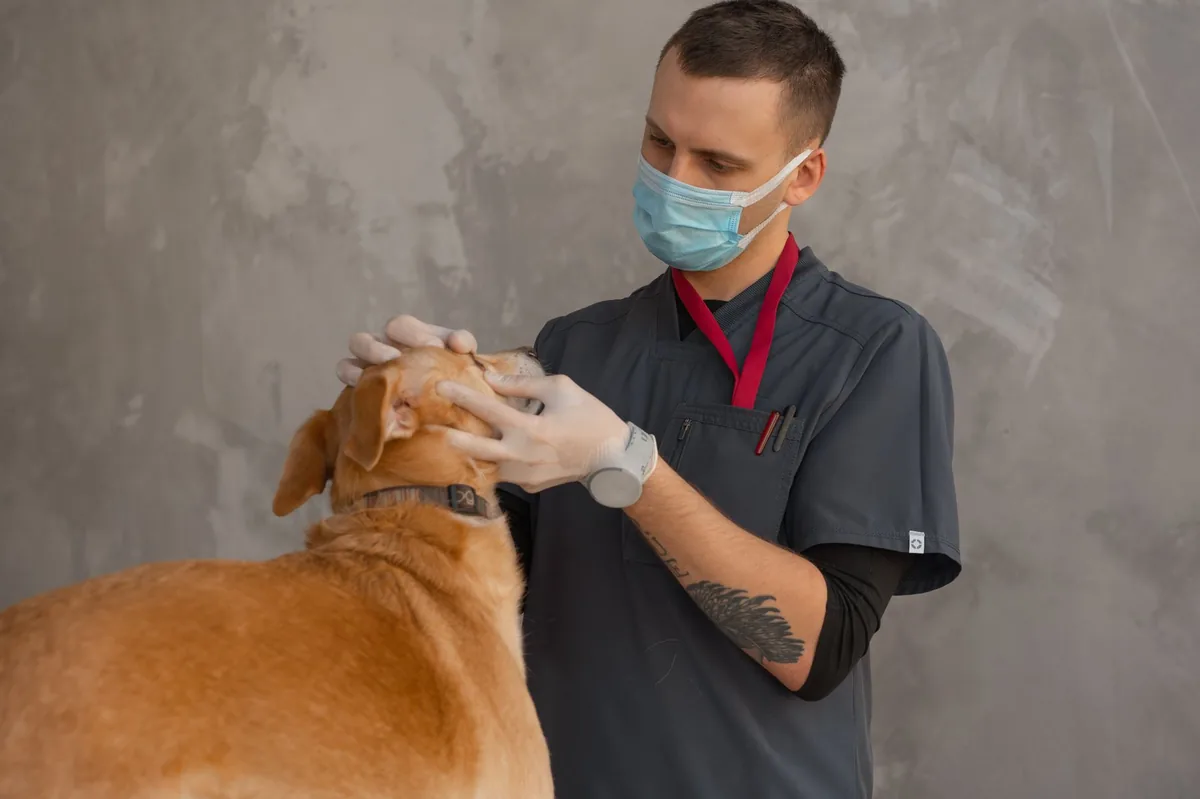
Call your vet today if you see any of the following:
- Redness or cloudiness in one or both eyes.
- Excessive tearing, discharge, or pawing at the eye.
- Visible flare or a white “film” in the front of the eye.
- Changes in pupil size or shape.
Go to an emergency veterinary clinic right now if you notice:
- Sudden, severe eye pain (your dog vocalizes, refuses to eat, or tries to hide).
- Rapid vision loss (dog bumps into objects, seems disoriented).
- Marked swelling or a bulging eye.
- Bleeding from the eye or a deep puncture wound.
These red flags signal that the inflammation may be progressing quickly and could lead to permanent damage if untreated.
This article is for informational purposes only and does not replace a hands‑on examination by a qualified veterinarian.
How vets diagnose anterior uveitis
Diagnosis begins with a thorough history—any recent injuries, illnesses, travel, or medications are noted. The physical exam includes:
- Slit‑lamp biomicroscopy: A magnified view of the eye that reveals flare, cells, and iris changes.
- Tonometry: Measurement of intra‑ocular pressure; uveitis can cause pressure to rise (glaucoma) or drop (hypotony).
- Fluorescein staining: A dye that highlights corneal ulcers or scratches that may accompany inflammation.
Laboratory work often follows to uncover systemic causes:
- Complete blood count (CBC) and chemistry panel to detect infection, inflammation, or organ disease.
- Serology or PCR testing for tick‑borne diseases (e.g., Ehrlichia, Leptospira) and for viral agents.
- Thoracic radiographs or abdominal ultrasound if an internal neoplasia is suspected.
In ambiguous cases, an ocular ultrasound or even a fine‑needle aspirate of the aqueous humor may be performed, but these are usually reserved for referral centers.
Treatment options
Medical treatment
The cornerstone of therapy is anti‑inflammatory medication. Most dogs receive a combination of:
- Topical corticosteroids (e.g., prednisolone acetate eye drops) to reduce iris and ciliary body swelling.
- Systemic NSAIDs (e.g., carprofen) when inflammation is moderate and pain control is needed.
- Immunosuppressive agents such as azathioprine or cyclosporine for immune‑mediated uveitis—your vet will tailor the choice based on blood work.
- Antibiotics or antiparasitics if an infectious cause is identified (e.g., doxycycline for leptospirosis).
Eye drops that dilate the pupil (mydriatics like atropine) are also commonly prescribed to relieve pain caused by ciliary spasm and to prevent adhesions between the iris and lens.
All medications should be administered exactly as your veterinarian advises; ask your vet about each option to understand potential side effects.
Supplements and supportive care
Adjunctive supplements can help control inflammation and support ocular health:
- Omega‑3 fatty acids (EPA/DHA) from fish oil—research in the Merck Veterinary Manual notes they may reduce ocular inflammation.
- Vitamin C (antioxidant) at levels safe for dogs—often recommended for chronic uveitis, but discuss dosage with your vet.
- Probiotics to maintain gut health, which can indirectly influence immune regulation.
These are not replacements for prescription drugs but can be useful as part of a holistic plan.
Procedures or surgery
When inflammation leads to complications such as cataract formation, secondary glaucoma, or persistent adhesions (posterior synechiae), surgical intervention may be required. Common procedures include:
- Cataract extraction with intra‑ocular lens implantation—helps restore vision if the lens becomes opaque.
- Glaucoma drainage surgery to relieve high intra‑ocular pressure.
- Anterior chamber washout to remove inflammatory debris and prevent scarring.
Recovery from eye surgery typically involves a few weeks of intensive eye‑drop therapy and protective eye shields. Costs vary widely; see the “Cost and prognosis” section for typical ranges.
Diet and nutrition
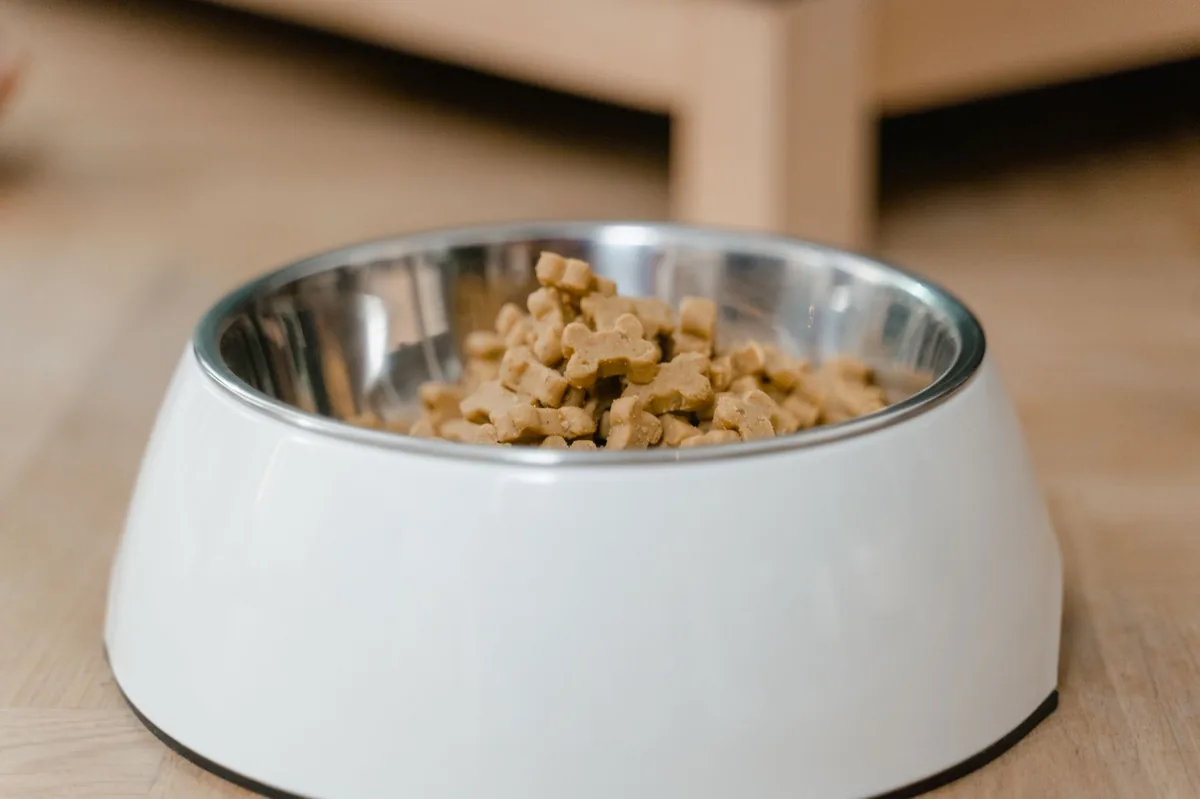
While no single diet cures anterior uveitis, nutrition can influence the immune system and reduce inflammation. A balanced, high‑quality diet supports overall health, which in turn helps the eye heal.
Foods to favor are those rich in highly digestible protein, omega‑3 fatty acids, and antioxidants:
- Commercial dog foods that meet AAFCO standards and list a named animal protein as the first ingredient.
- Foods fortified with fish oil or flaxseed oil for EPA/DHA.
- Recipes that include blueberries, pumpkin, and sweet potato—sources of vitamin C, beta‑carotene, and fiber.
Foods to limit or avoid include those that can exacerbate systemic inflammation:
- High‑fat, low‑quality kibble that promotes weight gain.
- Excessive treats or table scraps high in sodium, which may affect ocular pressure.
- Ingredients known to trigger allergies (e.g., certain grains or novel proteins) if your dog has a documented food‑related dermatitis that could also provoke immune‑mediated uveitis.
For dogs with chronic or recurrent uveitis, many veterinarians recommend a therapeutic “eye‑health” formula that contains added omega‑3s, lutein, and vitamin E. Brands differ, but the key is to choose a product that carries a statement from the World Small Animal Veterinary Association (WSAVA) indicating the diet is formulated for ocular support.
When transitioning to a new diet, do it gradually over 7‑10 days: mix 25 % new food with 75 % current food, then increase the new food portion every two days. This helps avoid gastrointestinal upset, which could mask or worsen eye discomfort.
Hydration matters, too. Encourage fresh water at all times; dehydration can increase intra‑ocular pressure. If your dog is a picky eater, try adding a small amount of low‑sodium broth or warm the kibble to release aromas.
Finally, avoid feeding raw‑meat diets unless they are carefully balanced and free of pathogens, as bacterial infections (e.g., Salmonella) can seed the bloodstream and trigger uveitis.
Cost and prognosis
Financial considerations are an important part of planning care. Below is a snapshot of typical expenses in the United States and the United Kingdom (prices are estimates and can vary by region and clinic).
| Service | US (USD) | UK (GBP) |
|---|---|---|
| Initial ophthalmic exam (including slit‑lamp) | $120‑$250 | £80‑£150 |
| Blood work & serology panel | $200‑$400 | £120‑£250 |
| Topical corticosteroid prescription (30 days) | $30‑$70 | £20‑£45 |
| Systemic immunosuppressant (e.g., azathioprine, 30 days) | $40‑$100 | £30‑£80 |
| Surgical intervention (cataract extraction) | $2 000‑$3 500 | £1 500‑£2 800 |
| Follow‑up visits (first month) | $100‑$200 | £70‑£130 |
Most cases of non‑surgical uveitis resolve with medication within 4‑8 weeks. Vision can be fully restored in roughly 70‑80 % of dogs when treatment starts early, according to the AAHA 2022 Ophthalmology Guidelines. Dogs with chronic or immune‑mediated disease may need longer‑term therapy and periodic re‑checks.
Pet insurance often covers the bulk of diagnostic testing and medication, though surgical costs may have higher deductibles. Checking your policy’s “ocular” or “specialist” clauses can prevent surprise bills.
Prevention and home care
Because many triggers are systemic, the best prevention strategy is overall health maintenance:
- Keep vaccinations up to date—especially for leptospirosis and canine distemper, which can provoke uveitis.
- Use regular flea, tick, and heartworm preventives (e.g., products from our dog‑questions guide) to lower infection risk.
- Maintain a clean environment to reduce exposure to trauma or foreign bodies.
- Schedule annual wellness exams that include an eye check, especially for breeds with known predisposition.
- Monitor for systemic signs (fever, joint pain, skin lesions) that could signal an underlying immune disease.
At home, you can help your dog stay comfortable during treatment:
- Apply prescribed eye drops exactly as directed—usually every 2‑4 hours at first, then tapering.
- Use an Elizabethan collar (e‑collar) if your dog keeps pawing at the eye.
- Keep the face clean; gently wipe away discharge with a warm, damp cloth.
- Limit bright light exposure; a dimly lit room can reduce photophobia.
- Track medication schedules in a calendar or a dog‑health calculator to avoid missed doses.
Vet’s note
From our vet team: “If you notice a red ring around the iris or any change in your dog’s eye appearance, don’t wait for the pain to become severe. Early anti‑inflammatory therapy is the most powerful tool we have to protect vision. Even if your pet seems otherwise healthy, a quick exam can uncover a hidden infection or systemic disease that needs treatment.”
Key takeaways
- Anterior uveitis is an eye inflammation that can cause pain and vision loss; prompt veterinary care is essential.
- Common triggers include infections, immune diseases, and eye trauma—many of which are preventable with vaccinations and safety measures.
- Typical signs are red or cloudy eyes, pupil irregularities, and sensitivity to light; severe pain or sudden blindness requires emergency care.
- Treatment combines topical steroids, systemic anti‑inflammatories, and possibly surgery; supplements like omega‑3s may help but are not a substitute.
- Costs range from a few hundred dollars for medication to several thousand for surgery; pet insurance often covers a large portion of the expense.
- Feeding a balanced, antioxidant‑rich diet and keeping up‑to‑date on preventive health care reduces the risk of recurrence.
Myth vs. fact
Myth: “Uveitis always leads to blindness.”
Fact: With early detection and appropriate therapy, most dogs retain good vision; only a minority develop permanent loss.
Myth: “Home remedies like herbal teas can cure eye inflammation.”
Fact: While some supplements support eye health, they cannot replace prescription anti‑inflammatory drugs; always discuss any supplement with your vet.
Myth: “If the eye looks normal after a few days, the problem is gone.”
Fact: Uveitis often improves before the underlying cause is fully resolved; follow‑up exams are crucial to prevent relapse.
Frequently asked questions
What does anterior uveitis look like in a dog?
It typically presents as a pink or reddish ring around the iris, cloudy cornea, and a pupil that may appear irregular or “dilated.” You might also see a faint white haze (flare) in the front of the eye.
Can eye inflammation cause blindness in dogs?
Yes, if left untreated the swelling can damage the retina or lens, leading to permanent vision loss. However, timely treatment stops progression in most cases, preserving sight.
What are the common triggers for canine uveitis?
Infections (Leptospira, Ehrlichia), immune‑mediated diseases, eye trauma, and systemic illnesses like diabetes are the most frequent culprits. Vaccination and parasite control reduce many of these risks.
How long does treatment for uveitis last?
Initial therapy often lasts 4‑8 weeks, with a gradual taper of eye drops. Dogs with chronic immune‑mediated disease may need long‑term low‑dose medication and regular eye exams.
Are there natural remedies for eye inflammation in dogs?
Omega‑3 fatty acids and antioxidant‑rich foods can support overall eye health, but they do not replace prescription steroids or immunosuppressants. Always discuss any supplement with your vet before adding it.
When should I take my dog to the vet for eye redness?
If you notice any persistent redness, cloudiness, discharge, or your dog is squinting or pawing at the eye, call your vet that day. Seek emergency care if the dog shows severe pain, sudden vision loss, or a bulging eye.
Ask the PuppaDogs community
Have a question this article didn’t fully answer? Want to compare notes with other dog owners who’ve been through this? Our community forum is moderated by experienced owners and vets — and answers tend to come fast. Ask in the PuppaDogs community →
References
- American College of Veterinary Internal Medicine (ACVIM). “Uveitis in Dogs.” 2022 clinical guidelines.
- American Animal Hospital Association (AAHA). “Ophthalmology Standards of Care.” 2022.
- Merck Veterinary Manual. “Uveitis, Anterior.” Updated 2023.
- World Small Animal Veterinary Association (WSAVA). “Nutritional Recommendations for Ocular Health.” 2021.
- American Veterinary Medical Association (AVMA). “Vaccination Recommendations for Leptospirosis.” 2023.
- Veterinary Ophthalmology, 5th Edition. Gelatt KN, et al. Elsevier, 2020.
- University of California, Davis School of Veterinary Medicine. “Canine Infectious Diseases and Ocular Manifestations.” 2022.


