












Quick take: If your spayed dog is showing heat‑like signs, it usually means some ovarian tissue is still active (ovarian remnant syndrome) or the spay was incomplete. Most dogs recover fully after a corrective surgery, but you should contact your vet promptly to confirm the cause and discuss treatment.
It’s 11 p.m., you’re on the couch, and your usually calm 4‑year‑old mixed‑breed dog is suddenly lifting a leg and sniffing the air like she’s in heat. A faint pink discharge catches your eye, and you wonder: “Did the spay not work?” The internet floods you with conflicting advice, and anxiety spikes.
First, take a deep breath. You’re not alone—many owners notice estrus‑like behavior after a spay, and most cases have a clear medical explanation. In this article we’ll explain what estrus is, why a spayed dog might still show heat signs, what to look for, how vets figure out the problem, and what treatment, cost, and prevention options are available.
By the end you’ll know when to call the clinic, what tests to expect, how diet can help hormonal balance, and which steps keep your dog healthy and comfortable.
What is estrus and what should you expect after a spay?
Estrus, commonly called “heat,” is the stage of the reproductive cycle when a female dog’s ovaries release eggs and produce estrogen. The body responds with swelling of the vulva, a bloody‑tinged discharge, and behaviors like flagging (raising the tail) and mounting. A normal heat lasts 2‑3 weeks and repeats about twice a year.
When a dog is spayed (ovariohysterectomy), the surgeon removes both ovaries and usually the uterus. Without ovaries, the source of estrogen disappears, so the heat cycle should stop permanently. Most dogs return to normal hormonal balance within a few weeks, and owners see no further heat signs.
However, the body can sometimes retain a small piece of ovarian tissue, or the surgery may have left a functional remnant. In those cases, estrogen can still be produced, leading to “post‑spay estrus” or ovarian remnant syndrome (ORS). The condition is uncommon—studies estimate ORS in 0.5‑2 % of spayed dogs—but it’s well‑documented by the AAHA and the Merck Veterinary Manual.
What causes estrus symptoms after spaying?
The reasons a spayed dog might still show heat signs fall into three main categories:
| Category | Typical cause | How it happens |
|---|---|---|
| Ovarian remnant syndrome | Residual ovarian tissue | Small piece of ovary left behind during surgery, often in a “blind spot” near the uterine horn. |
| Incomplete spay (partial ovariectomy) | Only one ovary removed or uterus left | Technical error or intentional partial ovariectomy (rare). |
| Hormonal fluctuations | Adrenal steroid hormones | Stress or certain medications can cause estrogen‑like effects, mimicking heat. |
Other less common contributors include ectopic ovarian tissue (rare congenital cases) and certain tumors that produce estrogen, such as adrenal cortical tumors. Most owners will encounter the first two causes.
Signs and symptoms
Because estrogen is still present, the dog may display classic heat cues. The intensity can range from barely noticeable to full‑blown heat. Below is a quick guide to what you might see.
| Severity | Signs |
|---|---|
| Mild | Subtle vulvar swelling, faint pinkish discharge, occasional flagging, brief interest in male dogs. |
| Moderate | Clear vulvar edema, thicker discharge (may be brownish), increased mounting or standing to be mounted, occasional urinary marking. |
| Severe | Marked swelling, heavy bloody discharge, persistent mounting behavior, repeated attempts to escape outdoors, possible skin irritation. |
Other clues include changes in appetite (often a slight increase), mild lethargy, or a “puffier” appearance around the abdomen. If you notice any of these, especially in combination, it’s time to investigate.
When to call your vet
Call your vet today if you notice any of the following:
- Vulvar swelling or discharge that lasts more than a few days.
- Mounting or flagging behavior that wasn’t present before.
- Repeated attempts to escape outdoors or increased urinary marking.
Go to an emergency veterinary hospital right now if you see:
- Heavy, bright‑red bleeding (more than a few drops per minute) that doesn’t stop.
- Severe abdominal pain, vomiting, or signs of shock (pale gums, rapid heartbeat).
- Sudden collapse or inability to stand.
These signs could indicate a surgical complication or a bleeding ovarian remnant that needs immediate attention.
Note: This article is for information only and does not replace a hands‑on veterinary exam.
How vets diagnose post‑spay estrus
Veterinarians combine history, physical exam, and targeted tests to pinpoint the cause.
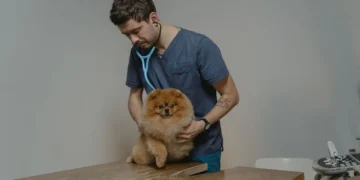
- History & physical exam: Your vet will ask when the spay was performed, what signs you’ve observed, and will palpate the abdomen for any abnormal tissue.
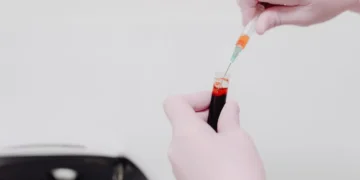
- Blood work: A serum hormone panel (estradiol, progesterone, and sometimes luteinizing hormone) can reveal lingering ovarian activity. Elevated estradiol after spay is a hallmark of ORS.
- Ultrasound: An abdominal ultrasound can locate any residual ovarian tissue or detect ectopic hormone‑producing masses.
- Exploratory surgery (laparoscopy or celiotomy): If imaging is inconclusive, the surgeon may directly visualize and remove any remaining ovarian tissue. This is both diagnostic and therapeutic.
The AAHA recommends confirming ORS with at least two independent hormone assays before proceeding to surgery, to avoid unnecessary procedures.
Treatment options
Medical treatment
When surgery isn’t immediately possible, vets may use hormonal medications to suppress estrogen production temporarily.
- GnRH agonists (e.g., deslorelin) – blocks pituitary release of luteinizing hormone, reducing ovarian activity.
- Progestins (e.g., medroxyprogesterone acetate) – can halt estrus cycles but are used cautiously due to side effects.
- Anti‑inflammatory drugs (e.g., carprofen) – help manage swelling and discomfort while the underlying issue is addressed.
These drugs are short‑term bridges; your vet will advise you to discuss each option, dosing, and potential side effects.
Supplements and supportive care
While supplements won’t cure ORS, they can support overall health during recovery.
- Omega‑3 fatty acids (EPA/DHA): Reduce inflammation and may ease mild vulvar swelling.
- Vitamin E: Antioxidant that supports skin health; a modest daily dose can be helpful.
- Probiotics: Maintain gut health, especially if antibiotics are part of the treatment plan.
Always ask your vet before adding any supplement, especially if your dog is on hormonal medication.
Procedures or surgery
The definitive cure for ovarian remnant syndrome is surgical removal of the remaining ovarian tissue.
- Laparoscopic ovariectomy: Minimally invasive, small incisions, quicker recovery (usually 7‑10 days). Cost in the US averages $2,500‑$3,500; in the UK £1,800‑£2,500.
- Traditional celiotomy (open surgery): Larger incision, longer hospital stay (2‑3 days), cost $2,000‑$3,000 (US) or £1,500‑£2,200 (UK).
Both procedures have a high success rate (>95 %) when performed by a board‑certified surgeon. Post‑op pain management typically includes NSAIDs and possibly a short course of opioids.
Diet and nutrition
Hormonal imbalances place extra demand on the liver and endocrine system. Feeding a balanced, easily digestible diet can help your dog recover faster and keep estrogen‑related skin changes under control.
Here are the nutritional priorities:
- High‑quality protein: Supports tissue repair. Look for named animal proteins (chicken, turkey, salmon) as the first ingredient.
- Moderate fat, rich in omega‑3s: Helps reduce inflammation. A diet with 3‑5 % omega‑3 (EPA/DHA) is ideal.
- Low‑moderate carbohydrate: Excess carbs can promote weight gain, which may worsen hormone fluctuations.
- Antioxidant‑rich ingredients: Blueberries, carrots, and spinach provide vitamin C and beta‑carotene, which aid skin health.
- Limited sodium: Reduces fluid retention that can accompany estrogen‑driven edema.
Prescription therapeutic diets aren’t always required, but if your vet suspects liver strain, a renal‑style or “hepatic” diet (e.g., low‑copper, high‑digestibility) can be beneficial. Choose a reputable brand that meets AAFCO nutrient profiles; you don’t need a specific brand name in the article.
| Do feed | Limit | Avoid |
|---|---|---|
| Cooked lean meats, high‑quality kibble, fresh vegetables, omega‑3 supplements | High‑fat treats, excessive cheese, table scraps | Highly processed foods, excessive grain‑based fillers, raw bones (risk of injury) |
When transitioning to a new diet, do it gradually over 7‑10 days: mix 25 % new food with 75 % old, then 50‑50, and so on. This helps avoid gastrointestinal upset, which can be mistaken for hormonal issues.
Cost and prognosis
Most owners who discover ORS can expect a good outcome once the remnant tissue is removed.
- Diagnostic workup: Blood hormone panel ($150‑$300 US, £120‑£250 UK), ultrasound ($250‑$500 US, £200‑£350 UK).
- Surgical correction: Laparoscopic removal $2,500‑$3,500 (US) or £1,800‑£2,500 (UK); open surgery $2,000‑$3,000 (US) or £1,500‑£2,200 (UK).
- Post‑op care: Pain meds and follow‑up visits add $200‑$400 (US) or £150‑£300 (UK).
Recovery is usually swift—most dogs resume normal activity within 7‑10 days. Long‑term prognosis is excellent; estrogen levels return to baseline, and heat signs disappear. If left untreated, chronic estrogen exposure can increase the risk of mammary tumors and pyometra, especially in older dogs.
Prevention and home care
While you can’t control every surgical nuance, you can take steps to reduce the chance of post‑spay estrus:
- Choose a board‑certified surgeon or a clinic with AAHA accreditation.
- Ask the vet to confirm removal of both ovaries during the pre‑op discussion.
- Schedule a post‑op check‑up 2‑3 weeks after surgery to verify hormone levels.
- Monitor your dog’s vulva and behavior for at least six months; any unexpected swelling should prompt a vet call.
- Maintain a stable weight and a balanced diet to keep overall endocrine health in check.
Regular wellness exams (at least annually) give your vet a chance to catch any lingering hormonal activity early, before it becomes problematic.
From our vet team: “If you notice heat signs after a spay, don’t panic—most cases are treatable. The key is early detection and a clear diagnostic plan. Surgical removal of the remnant tissue is safe, and most dogs bounce back to their normal, happy selves within two weeks.”
Key takeaways
- Post‑spay estrus usually means some ovarian tissue remains active; it’s called ovarian remnant syndrome.
- Watch for vulvar swelling, discharge, and mounting behavior; these are the first clues.
- Contact your vet promptly—diagnostic blood work and ultrasound are the standard first steps.
- Surgical removal of the remnant tissue is the definitive cure and has a high success rate.
- Support recovery with a balanced, high‑protein diet rich in omega‑3s and antioxidants.
- Choose an accredited surgeon and schedule a post‑op check‑up to confirm hormone levels have normalized.
Myth vs. fact
Myth: A spayed dog can never show any heat signs again.
Fact: While rare, residual ovarian tissue or an incomplete spay can cause estrogen‑driven heat signs even after surgery.
Myth: Hormonal signs mean the dog is pregnant.
Fact: Spayed dogs cannot become pregnant; heat‑like signs are due to hormone production, not a viable pregnancy.
Myth: Surgery to remove ovarian remnants is risky and often unnecessary.
Fact: Modern laparoscopic or open ovariectomy is safe, with >95 % success and low complication rates when performed by a qualified surgeon.
Frequently asked questions
Can a dog still go into heat after being spayed?
Yes. If ovarian tissue remains (ovarian remnant syndrome) or the spay was incomplete, estrogen can still be produced, leading to heat signs.
What is ovarian remnant syndrome?
Ovarian remnant syndrome (ORS) is the presence of functional ovarian tissue after a spay, causing continued estrus signs. Diagnosis relies on hormone testing and imaging.
How long after spaying can heat signs appear?
Signs can emerge weeks to months after surgery. Most owners notice them within 2‑6 weeks, but occasional late presentations up to a year have been reported.
Is it dangerous if my spayed dog shows estrus symptoms?
Heat signs themselves aren’t an emergency, but they indicate hormonal activity that can increase the risk of mammary tumors or pyometra if left untreated. Prompt veterinary evaluation is recommended.
What tests diagnose hormonal activity after spay?
Veterinarians usually run a serum estradiol assay, sometimes paired with progesterone and luteinizing hormone measurements, and confirm findings with an abdominal ultrasound.
What are the treatment options for a dog with post‑spay heat?
Options include short‑term hormonal medications to suppress estrus, followed by definitive surgical removal of the ovarian remnant. Supportive care and diet help recovery.
Ask the PuppaDogs community
Have a question this article didn’t fully answer? Want to compare notes with other dog owners who’ve been through this? Our community forum is moderated by experienced owners and vets — and answers tend to come fast. Ask in the PuppaDogs community →
References
- American Animal Hospital Association (AAHA). “Guidelines for Ovarian Remnant Syndrome.” 2023.
- American Veterinary Medical Association (AVMA). “Spay/Neuter Best Practices.” 2022.
- Merck Veterinary Manual. “Estrus and Ovarian Remnant Syndrome in Dogs.” 2021.
- Cornell University College of Veterinary Medicine. “Hormonal Evaluation After Ovariohysterectomy.” 2022.
- World Small Animal Veterinary Association (WSAVA). “Nutritional Recommendations for Dogs with Hormonal Imbalance.” 2023.
- American College of Veterinary Internal Medicine (ACVIM). “Endocrine Disorders in Companion Animals.” 2022.


