















Quick take: Dog mouth cancer is a serious but treatable condition that often shows up as persistent oral sores, bleeding gums, or bad breath. Early detection, proper staging, and a combination of surgery, radiation, or chemotherapy can extend life and preserve quality. Talk to your vet promptly if you notice any of the warning signs—timely care makes a big difference.
It’s late at night, the house is quiet, and you notice your usually enthusiastic Golden Retriever, Max, is chewing his toy slower than usual. You glance at his mouth and see a small, red ulcer on his gums that didn’t heal after a week. A quick Google search later, the term “dog mouth cancer” pops up, and a wave of worry washes over you. You’re not alone—many owners first spot oral cancer when a beloved pet’s appetite drops, a gum bleed persists, or a foul odor lingers.
We get it. The fear of a cancer diagnosis can feel overwhelming, especially when you’re trying to keep your furry family member comfortable. The good news is that with early detection, modern veterinary oncology offers several effective treatment paths, and many dogs enjoy months to years of good quality of life. In this guide we’ll explain what mouth cancer is, why it happens, how vets confirm it, what treatment options exist, how much they might cost, and how you can support your dog at home—including diet tips that can make meals more pleasant during recovery.
By the end, you’ll know the red‑flag symptoms to watch for, the steps your vet will take to stage the disease, and realistic expectations for life expectancy after a diagnosis. Let’s walk through it together, step by step.
What is dog mouth cancer?
Dog mouth cancer, also called oral neoplasia, refers to malignant (cancerous) tumors that arise in the tissues of the mouth, including the gums, tongue, palate, and the lining of the cheek. The most common types are:
- Oral melanoma – a tumor of pigment‑producing cells, often dark‑colored and aggressive.
- Squamous cell carcinoma (SCC) – arises from the flat cells that line the mouth; it’s the single most frequent oral cancer in dogs.
- Fibrosarcoma, osteosarcoma, and other sarcomas – tumors of connective tissue or bone, less common but still serious.
According to the American Veterinary Medical Association (AVMA) and the AAHA, oral tumors account for about 6‑7% of all canine cancers, with a higher incidence in middle‑aged to senior dogs (7–12 years). Certain breeds—such as Golden Retrievers, Rottweilers, Labrador Retrievers, and Scottish Terriers—appear predisposed, likely due to genetic factors and breed‑related oral anatomy.
What causes dog mouth cancer?
The exact cause of most oral tumors is still under study, but several risk factors have emerged from veterinary research (AAH, Merck Veterinary Manual):
| Risk factor | Why it matters |
|---|---|
| Age | Older dogs have accumulated more cellular mutations over time. |
| Breed | Golden Retrievers, Rottweilers, and Labrador Retrievers show higher rates. |
| Chronic inflammation | Long‑standing dental disease or persistent oral irritation can promote malignant change. |
| Tobacco smoke exposure | Secondhand smoke has been linked to oral cancers in dogs, similar to humans. |
| Dietary factors | Hard, abrasive kibble or bones that cause repeated gum trauma may increase risk. |
Signs and symptoms
Because the mouth is a small space, even a modest tumor can cause noticeable problems. Early signs are often subtle, while severe disease produces more obvious distress.
| Stage | Typical signs |
|---|---|
| Mild | Small ulcer that doesn’t heal, occasional bleeding, slight bad breath, minor drooling. |
| Moderate | Visible mass, persistent bleeding, loss of appetite, difficulty chewing, pawing at the mouth. |
| Severe | Large tumor obstructing the airway, severe pain, weight loss, facial swelling, inability to eat. |
Other red flags include:
- Persistent halitosis (bad breath) that doesn’t improve with dental care.
- Visible swelling or a “lump” on the tongue, palate, or gums.
- Excessive drooling or foamy saliva.
- Changes in behavior—irritability, reluctance to play, or signs of pain when the head is touched.
When to call your vet
Call your vet today if you notice any of the following:
- Ulcer or lump that hasn’t healed in more than two weeks.
- Bleeding gums or a persistent blood‑tinged drool.
- Sudden loss of appetite, weight loss, or difficulty chewing.
- Bad breath that doesn’t improve with brushing.
Go to an emergency veterinary hospital right now if your dog shows any sign of:
- Severe facial swelling that blocks breathing.
- Uncontrollable bleeding from the mouth.
- Sudden collapse or extreme pain when the head is touched.
This article is for informational purposes only and does not replace a professional veterinary exam. If you suspect oral cancer, contact your veterinarian promptly.
How vets diagnose dog mouth cancer
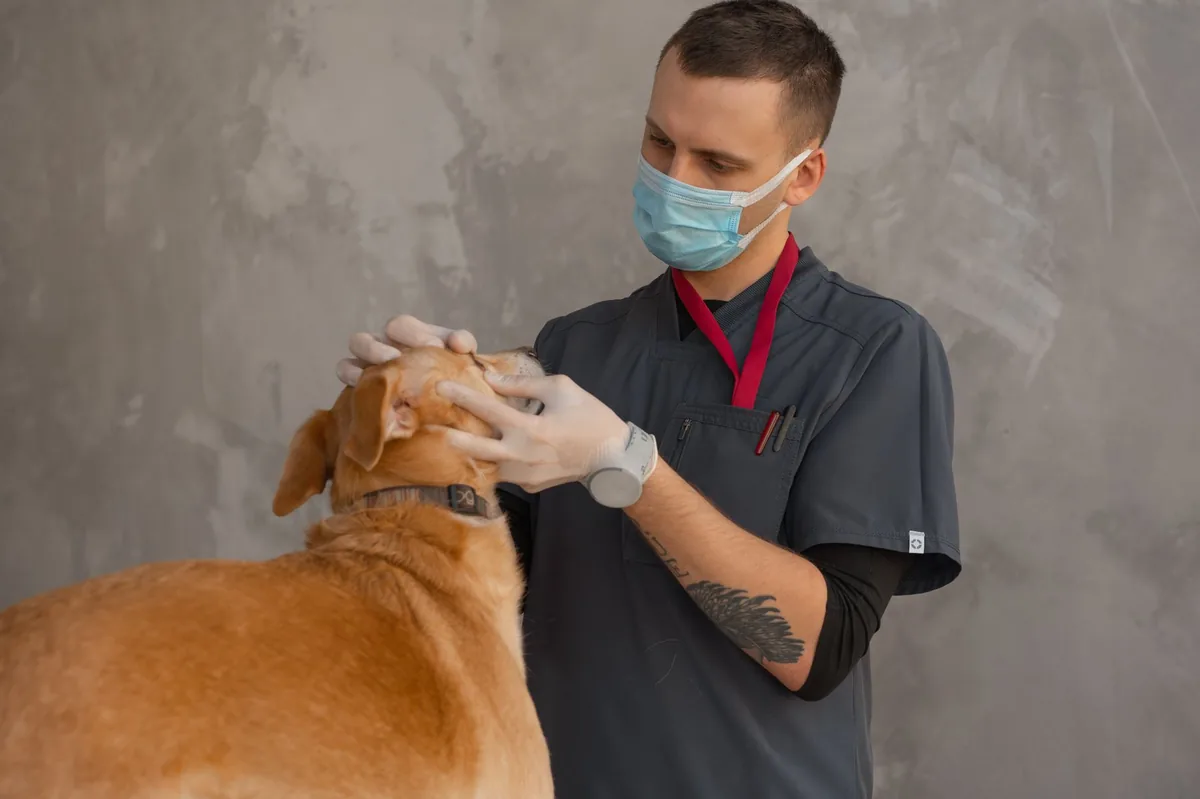
Diagnosis starts with a thorough history and physical exam. Your vet will gently open your dog’s mouth, looking for lesions, swelling, or abnormal tissue. The steps typically include:
- Oral exam under sedation or anesthesia – allows a detailed view and reduces stress for the dog.
- Fine‑needle aspiration (FNA) or incisional biopsy – a small sample of cells is taken and examined under a microscope to confirm malignancy. The American College of Veterinary Internal Medicine (ACVIM) recommends biopsy as the gold standard.
- Imaging studies – dental X‑rays, CT scans, or MRI help assess the tumor’s size, bone involvement, and possible spread to lymph nodes or lungs.
- Staging – the tumor is graded (size, depth, and spread) to guide treatment. Staging follows the WHO (World Health Organization) TNM system (Tumor, Nodes, Metastasis).
Blood work (CBC, chemistry panel) and a chest X‑ray are also routine to check overall health and look for distant metastasis.
Treatment options
Medical treatment
When the tumor is resectable, surgery is often the first line. For non‑resectable or metastatic disease, vets may combine:
- Radiation therapy – external beam radiation (e.g., linear accelerator) can shrink tumors and relieve pain. Typical courses involve 10‑15 fractions over 2‑3 weeks.
- Chemotherapy – drugs such as doxorubicin, carboplatin, or vincristine are used, especially for melanoma or sarcoma. Your vet will tailor the protocol to your dog’s size and overall health.
- Immunotherapy – newer treatments like melanoma vaccine (Oncept) or checkpoint inhibitors (e.g., pembrolizumab) aim to boost the dog’s own immune response.
- Palliative care – pain management with NSAIDs, opioids, or gabapentin, plus antibiotics if secondary infections occur.
All medications are prescribed by your vet; ask about potential side effects and the expected schedule.
Supplements and supportive care
While no supplement can cure cancer, certain nutraceuticals can support recovery and immune function:
- Omega‑3 fatty acids (EPA/DHA) – found in fish oil, they may reduce inflammation and have modest anti‑tumor effects (supported by the WSAVA Nutrition Committee).
- Antioxidants such as Vitamin C and Vitamin E – may help mitigate oxidative stress from radiation or chemotherapy, but discuss doses with your vet.
- Probiotics – maintain gut health, especially during antibiotic or chemo courses.
Supplements should complement, not replace, standard treatment. Always ask your vet before adding any new product.
Procedures or surgery
When feasible, surgical removal (mandibulectomy, maxillectomy, or partial glossectomy) offers the best chance for local control. The procedure may involve removing part of the jawbone or palate, followed by reconstruction with plates or grafts. Recovery typically requires 2‑3 weeks of restricted activity, pain medication, and a soft‑food diet.
Cost varies widely: simple excision may run $2,000‑$4,000 (US), while complex jaw resections can exceed $8,000. Radiation therapy adds $5,000‑$10,000 for a full course. These figures are estimates; your vet can provide a detailed quote based on your dog’s specific needs.
Diet and nutrition
Feeding a dog with oral cancer presents unique challenges—painful chewing, reduced appetite, and the need for nutrient‑dense meals. Here are evidence‑based guidelines to keep your dog comfortable and nourished.
What to feed
- Highly digestible protein – sources like boiled chicken, turkey, or low‑fat cottage cheese provide essential amino acids without requiring heavy chewing.
- Moist, soft foods – canned or home‑made wet diets reduce the need for gnawing. Adding warm water or low‑sodium broth can further soften kibble if you prefer to keep some dry food.
- Omega‑3 enriched formulas – many therapeutic diets (e.g., Hill’s Prescription Diet b/d) contain EPA/DHA, supporting inflammation control.
- Calorie‑dense options – weight loss is common; adding a spoonful of plain pumpkin puree or a drizzle of olive oil can boost calories without increasing volume.
What to limit or avoid
- Hard kibble or bones – can aggravate ulcerated tissue and cause bleeding.
- High‑salt or heavily seasoned foods – may worsen dehydration and are unnecessary for dogs.
- Raw diets with sharp bone fragments – while some owners feed raw, fragmented bones can traumatize oral lesions.
Prescription therapeutic diets
While no single diet cures cancer, veterinarians sometimes recommend “cancer diets” that are low in carbohydrate and high in quality protein, such as:
- Veterinary‑grade “oncology” formulas (e.g., Royal Canin Veterinary Diet Canine Oncology, Purina ProPlan Veterinary Diets NF).
- Renal‑support diets if kidney function is compromised by chemotherapy.
These are designed to be highly palatable, easy to swallow, and nutritionally balanced. Your vet can help you transition gradually over 7‑10 days to avoid gastrointestinal upset.
Feeding tips during treatment
- Small, frequent meals – 3‑4 meals a day can improve intake and reduce nausea.
- Warm the food – slightly warmed meals release aroma, encouraging appetite.
- Hand‑feed if needed – offering food from a spoon or finger can make eating less stressful.
- Monitor weight daily – a loss of more than 5% body weight in a week warrants a vet check.
Hydration is equally important. Provide fresh water, and consider low‑sodium broth or electrolyte solutions (e.g., Pedialyte for pets) if your dog isn’t drinking enough.
Cost and prognosis
Financial planning is a real concern for many families. Below are typical cost ranges (US dollars) based on 2023 AAHA data and veterinary oncology surveys:
| Service | Typical cost range |
|---|---|
| Initial exam, bloodwork, imaging | $300‑$800 |
| Biopsy (including pathology) | $200‑$500 |
| Surgical removal (partial mandibulectomy) | $2,000‑$6,000 |
| Radiation therapy (full course) | $5,000‑$10,000 |
| Chemotherapy (multiple cycles) | $1,500‑$4,000 |
| Palliative care (pain meds, supplements) | $200‑$600 per month |
| Home care supplies (soft food, wound care) | $50‑$150 per month |
Prognosis varies with tumor type, location, and stage. For early‑stage oral melanoma that can be fully resected, median survival can reach 12‑24 months with adjunct therapy. Squamous cell carcinoma often has a shorter outlook—average survival of 6‑12 months after surgery and radiation. Quality of life remains the guiding factor; many owners opt for palliative care when pain becomes unmanageable.
Prevention and home care
While you can’t eliminate every risk, regular dental hygiene and routine vet visits dramatically lower the chance of malignant transformation.
- Brush your dog’s teeth at least twice a week using a dog‑safe toothpaste. This reduces plaque, gingivitis, and chronic inflammation.
- Professional dental cleanings every 1‑2 years (as recommended by your vet) can catch early lesions.
- Avoid tobacco smoke around your dog—secondhand smoke is a documented risk factor.
- Monitor your dog’s mouth daily for any new sores, bleeding, or swelling, especially after chewing toys or bones.
- Schedule follow‑up appointments after treatment. Most oncologists recommend re‑checks every 3‑4 months for the first year, then semi‑annually.
At home, keep a soft, clean bedding area to reduce irritation if your dog is drooling. Offer fresh water frequently, and keep a small emergency kit (saline wipes, a soft gauze pad) for occasional oral bleeding.
From our vet team: Early detection is the most powerful tool we have against oral cancer. If you notice a non‑healing sore, don’t wait for it to get bigger—bring your dog in for a quick exam. Even if the lesion turns out to be benign, the peace of mind is priceless, and you’ll have a roadmap for keeping your dog’s mouth healthy long term.
Key takeaways
- Persistent mouth ulcers, bleeding gums, or bad breath are early warning signs—call your vet promptly.
- Diagnosis requires a biopsy, imaging, and staging; early detection improves treatment success.
- Treatment options include surgery, radiation, chemotherapy, and immunotherapy; costs can range from a few hundred to several thousand dollars.
- Soft, high‑protein, omega‑3‑rich foods help maintain weight and comfort during recovery.
- Regular dental care and daily mouth checks are the best prevention strategies.
- Quality of life should guide every decision—palliative care is a valid, humane option when pain becomes severe.
Myth vs. fact
Myth: All dog mouth cancers are painless and go unnoticed.
Fact: Many dogs experience significant oral pain, which can manifest as drooling, reluctance to eat, or facial swelling. Early signs are often subtle, but they do exist.
Myth: Surgery alone cures oral cancer.
Fact: While surgery can remove the primary tumor, many oral cancers have microscopic spread. Combining surgery with radiation or chemotherapy improves survival rates.
Myth: Home remedies can replace veterinary treatment.
Fact: No home remedy can eradicate cancer. Supportive care (nutrition, pain management) works best alongside professional veterinary oncology.
Frequently asked questions
What are the first symptoms of mouth cancer in dogs?
The first signs often include a small, non‑healing ulcer on the gums, persistent bad breath, and occasional bleeding. Owners may also notice a slight reluctance to chew or a new habit of pawing at the mouth.
How do vets confirm a diagnosis of oral cancer?
Veterinarians confirm cancer by taking a tissue sample through a fine‑needle aspiration or surgical biopsy, then examining it under a microscope. Imaging (CT or MRI) follows to assess tumor size and possible spread.
What treatment choices are available for canine oral tumors?
Treatment typically involves surgery to remove the tumor, followed by radiation or chemotherapy to target residual cells. Immunotherapy vaccines and supportive palliative care (pain meds, nutrition) are also options, depending on the tumor type and stage.
Is mouth cancer in dogs usually fatal?
Prognosis depends on the cancer type, location, and stage at diagnosis. Early‑stage tumors that can be fully resected often lead to months‑to‑years of good quality life, while advanced disease may shorten survival to several months. Palliative care can still provide comfort.
How much does treatment for dog mouth cancer typically cost?
Costs vary widely. A basic workup (exam, bloodwork, imaging) may be $300‑$800. Surgery can range $2,000‑$6,000, radiation $5,000‑$10,000, and chemotherapy $1,500‑$4,000. Discuss a detailed estimate with your vet and explore payment plans or pet insurance.
Can any foods or supplements slow the progression of oral cancer in dogs?
While no food cures cancer, diets rich in high‑quality protein, omega‑3 fatty acids, and antioxidants can support overall health and may reduce inflammation. Always consult your vet before adding supplements like fish oil or vitamins.
Ask the PuppaDogs community
Have a question this article didn’t fully answer? Want to compare notes with other dog owners who’ve been through this? Our community forum is moderated by experienced owners and vets — and answers tend to come fast. Ask in the PuppaDogs community →
References
- American Veterinary Medical Association (AVMA). “Cancer in Dogs” fact sheet, 2023.
- American Animal Hospital Association (AAHA). “Oral Tumor Management Guidelines,” 2022.
- Merck Veterinary Manual. “Oral Neoplasia in Dogs” chapter, 2021.
- World Small Animal Veterinary Association (WSAVA). Nutrition Committee Position Statement on Omega‑3 Fatty Acids, 2020.
- American College of Veterinary Internal Medicine (ACVIM). “Biopsy and Histopathology Standards,” 2022.
- University of California, Davis School of Veterinary Medicine. “Canine Oral Melanoma: Current Therapeutic Options,” 2023.
- Veterinary Oncology Society. “Cost of Cancer Care for Dogs,” 2022.
- National Cancer Institute (NCI). “Cancer in Pets – Overview,” 2021.
- AAHA. “Dental Health Guidelines for Dogs,” 2023.
- Royal Canin. “Veterinary Oncology Diets” product overview, 2024.


